


VIVO The Art of VIVO
Reviews
Price
Product description
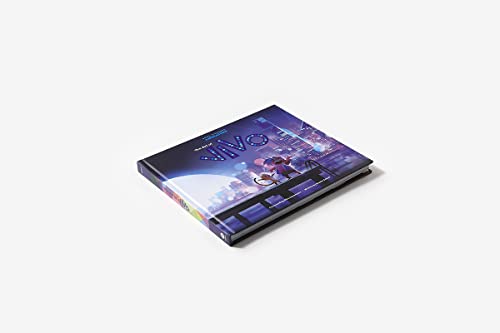
This illustrated art book from Abrams presents a curated look at the visual and conceptual world of VIVO, offering readers a mix of high-quality reproductions and contextual commentary for collectors and art enthusiasts. It highlights key works and stylistic threads, making it a resource to browse on a coffee table or consult when studying contemporary visuals and influences.
Key Points
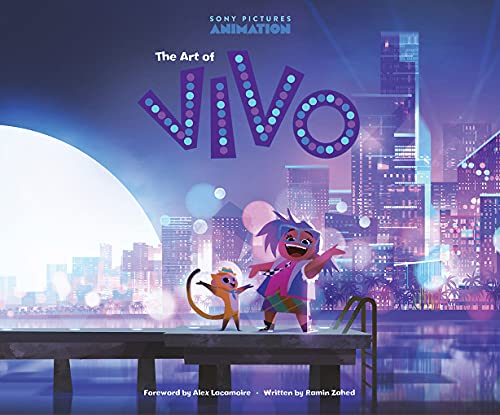
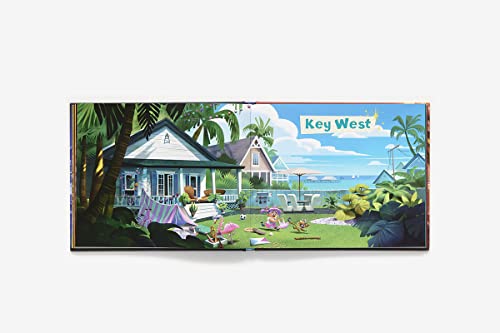
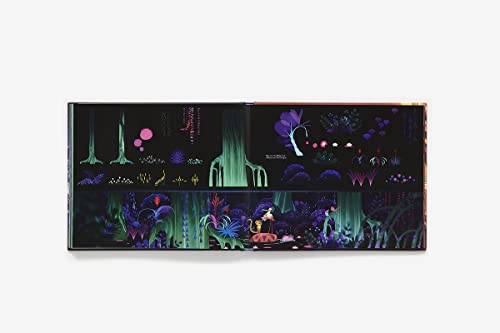
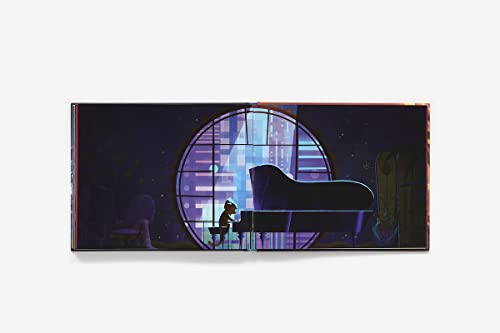
The book compiles images and essays that map VIVO’s evolution as an artistic project, emphasizing visual storytelling and design sensibilities. Layouts combine full-page plates with shorter interpretive texts, giving room to both the artwork and the voices that discuss it. According to the publisher, the production values include careful color reproduction and durable binding suitable for repeated handling.
Technical Specifications
- Name: Abrams — The Art of VIVO
- Format: Hardcover, according to the publisher
- Content: Collection of images and essays
- Publisher: Abrams
- Language: English
Benefits
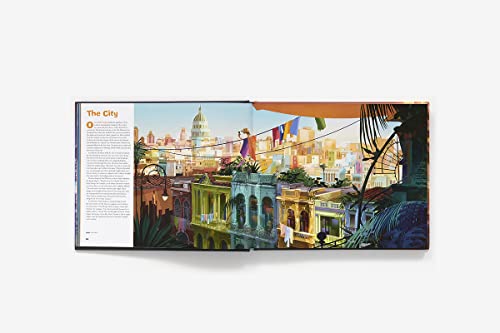
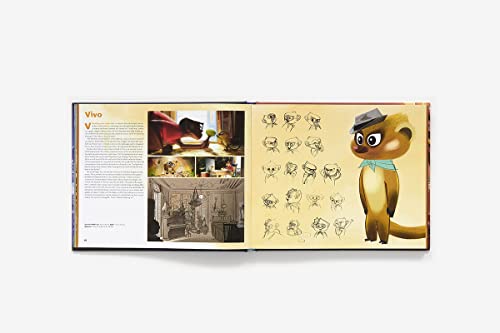
Readers will find the volume useful for inspiration and reference. The large reproductions make it easy to examine composition, palette, and technique, while the accompanying commentary provides context without overwhelming the images. For designers and students, the book serves as a visual reference that can spark ideas for projects, storyboards, and mood boards. It also functions well as an art-book gift thanks to its presentation and the recognizability of the works included.
Usage Recommendations
Use the book as a relaxed read or as a reference during creative work. Spend time on the plates to appreciate color choices and composition at scale. If studying a specific piece, compare the image with the essay to understand the themes and influences the author highlights. For display purposes, place the book on low shelving or a tabletop where pages can be easily leafed through.
Notes and nuances to consider include that the level of textual depth varies across chapters, with some entries leaning more toward visual documentation than exhaustive critical analysis. Also, while color fidelity aims to be accurate according to the publisher, reproduction can differ slightly depending on print runs and lighting conditions when viewed.