

TribeRN Anatomy & Physiology Flash Cards (320 Study Resources) for Nursing and Pre-Med Exams
Product description
If anatomy and physiology feels like a pile of terms instead of a system, these TribeRN Anatomy & Physiology flash cards are built to turn memorizing into quick, visual recall. The set includes 320 study resources focused on high-yield anatomy and physiology concepts, with illustrations and mnemonic-style help where it matters most for exam prep.
That doesn’t mean it’s magic, though. Flash cards help you drill and remember, but they can’t replace the time you still need to understand mechanisms and connect topics across body systems.
The essentials: what these cards are for
These cards are designed as an anatomy and physiology study tool for learners who want faster review sessions and better retention. The description emphasizes comprehensive coverage across major body systems, plus clear illustrations and mnemonics to simplify complex topics.
A realistic way to use them: take 10–15 minutes after reviewing a chapter. Shuffle the cards, do a quick “definition → concept” recall, then re-check only the cards you missed. Over several cycles, it’s the kind of routine that can make dense terms feel less intimidating.
What stands out in day-to-day studying
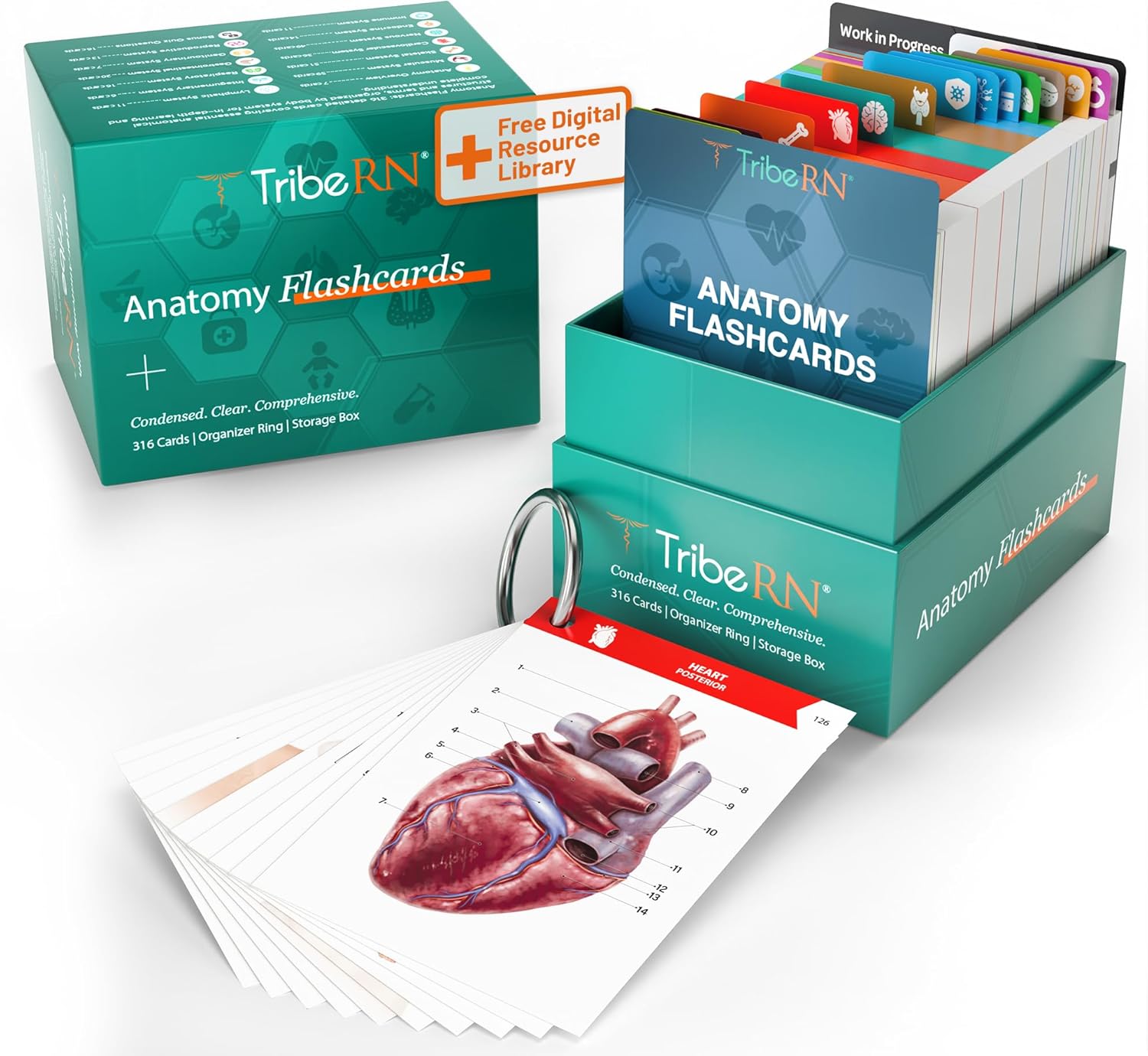
A big part of the appeal here is the practical format. The cards are described as tear-resistant and made for portability, with a hole-punch and ring so you can study on the go and keep everything organized.
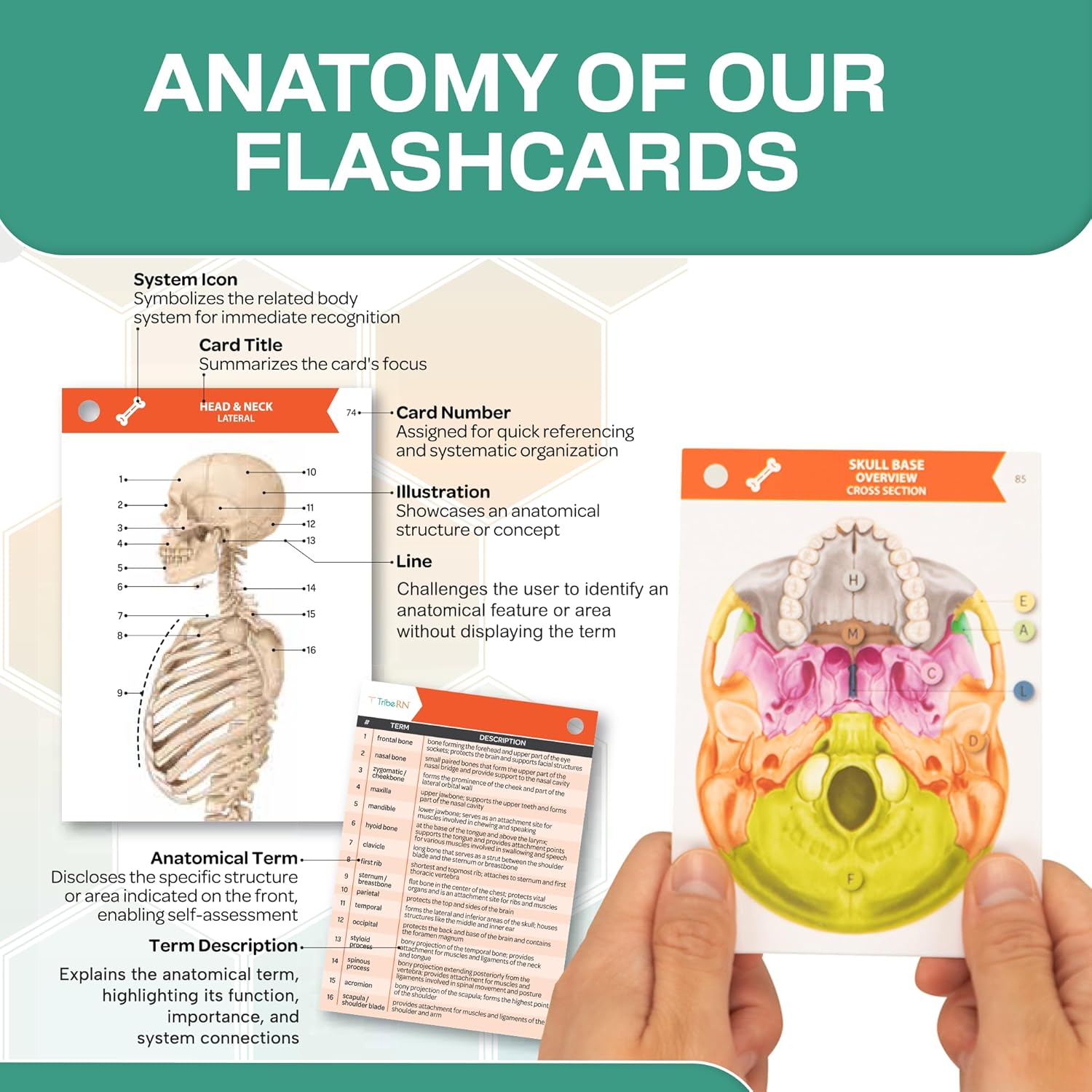
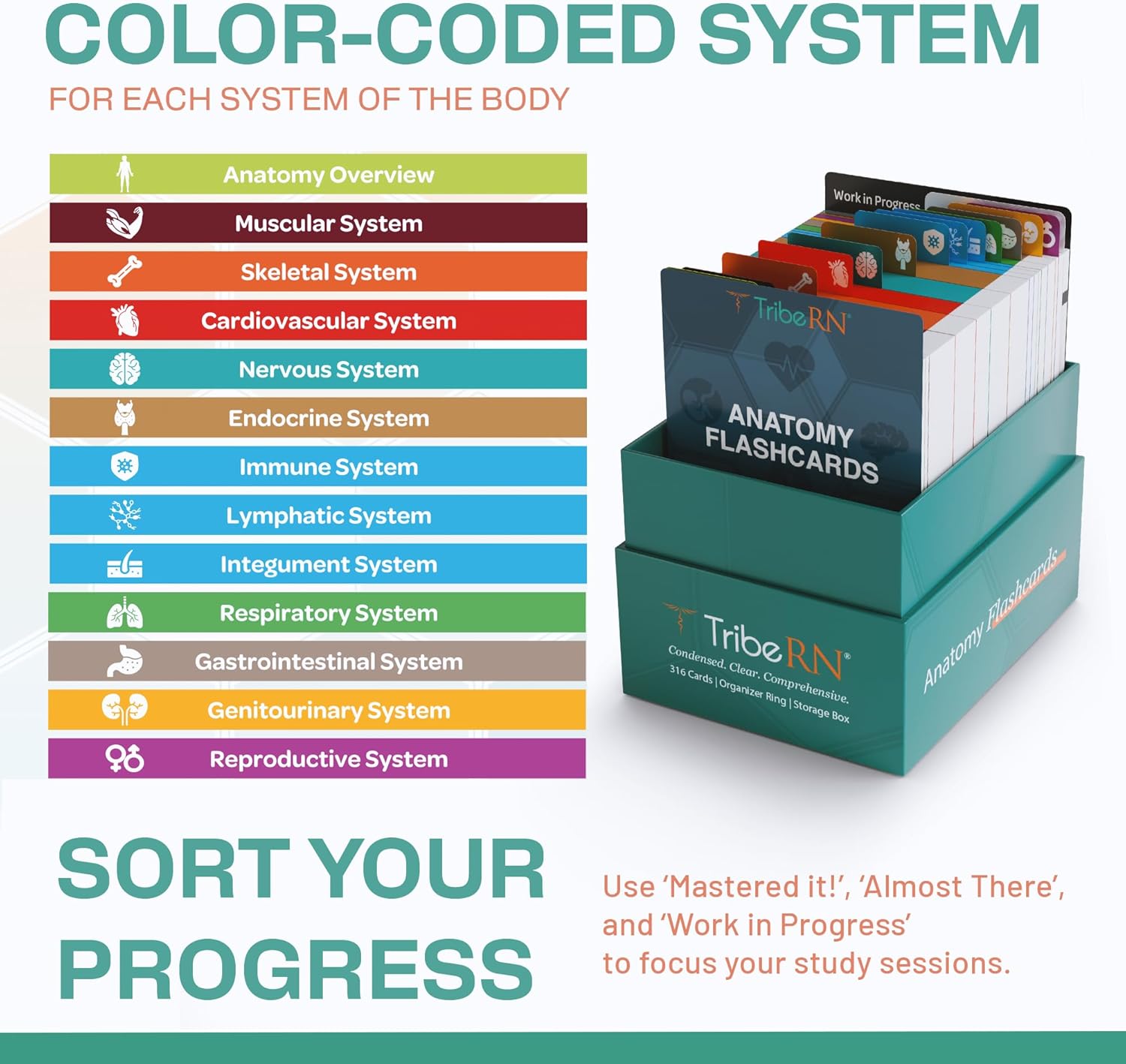
If you’re the type of student who likes color-coded cues, you’ll probably appreciate the “visual learners” angle: the cards are said to be color-coded, with easy-to-read labels and detailed definitions. On paper, that’s exactly the kind of structure that reduces friction during fast recall drills.
One limitation to keep in mind: color-coding and illustrations can help, but if your study plan relies heavily on deeper explanations (like step-by-step physiology reasoning), you may still need textbooks or lecture notes alongside these.
Coverage and exam focus (how it aligns with curricula)
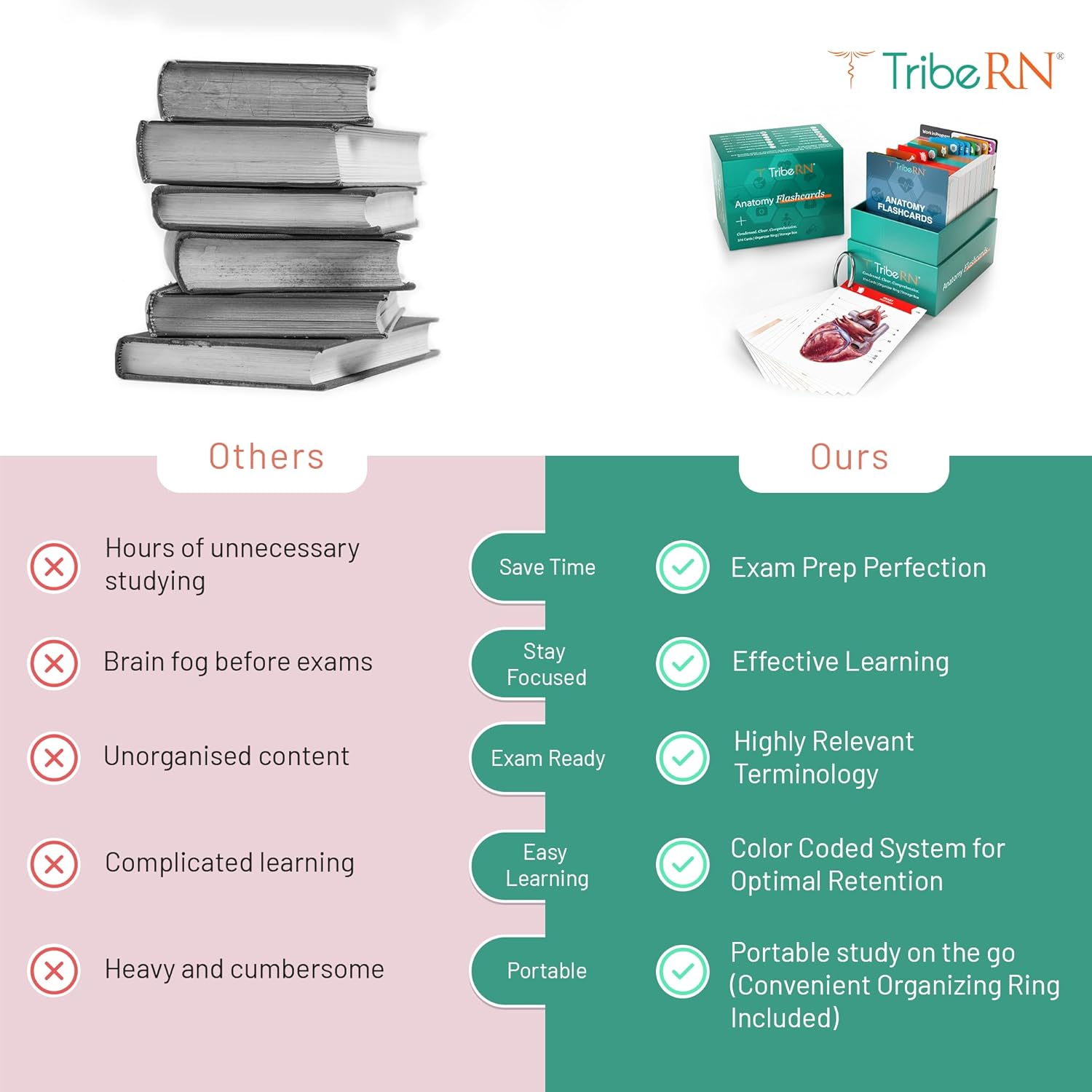
The set is positioned as exam-focused, covering major body systems with high-yield content. It also mentions alignment with ATI, NCLEX, and medical curriculum essentials.
That “aligned with” wording is helpful for students who are building around nursing or medical school frameworks. Just don’t assume it means every single course topic is covered in the exact same order your instructor teaches it—flash card sets often simplify and compress, which is great for recall, but not always perfect for following a syllabus.
Durability and portability: better for long-term use than a loose stack
Lots of flash cards end up bent, creased, or lost in a backpack. This set is described as premium and tear-resistant, with an organized ring-and-hole-punch format. For students who plan to revisit anatomy and physiology repeatedly (not just once before an exam), that durability detail can be genuinely worth something.
Also, if you like studying in short bursts—waiting between classes, commuting, or doing a quick end-of-day review—having a system you can keep together makes the daily habit easier.
Quick take: who it suits, and who might want to rethink it
This is a solid match if you learn by visuals, want color-coded cues, and you’re preparing for nursing school, pre-med, or healthcare-related exams where quick recall of anatomy and physiology terms matters.
It might not be the best choice if you’re looking for a deep textbook-style explanation of physiology mechanisms, or if you prefer study materials that walk through reasoning step-by-step instead of drilling definitions and key concepts.
Worth considering if you want one organized tool you can carry, shuffle, and review repeatedly—especially with 320 high-yield resources.
Tech specs
- Name: TribeRN Anatomy and Physiology Flash Cards
- Type: Study flash cards
- Capacity: 320 study resources
- Format: Color-coded flash cards with illustrations and mnemonics
Getting the most from it
To get real value, don’t just flip through. Use a simple loop: start with cards you already partially know, then increase difficulty. When you miss one, don’t move on immediately—take 30 seconds to connect it to the concept you’re studying in class.
A micro-example: if you’re reviewing the cardiovascular system, pull only the cards related to the structures you covered in your lecture. Answer the label first, then check the definition. If you get it wrong, you’re not failing—you’ve identified exactly what to revisit.
Should you buy it?
Buy these TribeRN Anatomy & Physiology flash cards if your priority is fast, visual exam prep and you want an organized, durable set you can review repeatedly—especially if you’re studying for nursing or healthcare-focused exams where key terms and body systems come up often.
Skip them if you need full-depth explanations of physiological processes, or if your learning style depends more on narrative teaching than on targeted recall drills. In that case, these cards may feel like a complement rather than the main resource.
Mini FAQ
Are these flash cards good for nursing school and NCLEX-style preparation?
The description frames them as exam-focused and mentions ATI and NCLEX alignment, so they’re intended for that kind of nursing and healthcare exam preparation. Still, your course may cover additional specifics not reflected by any single flash card set.
Do they cover all major body systems?
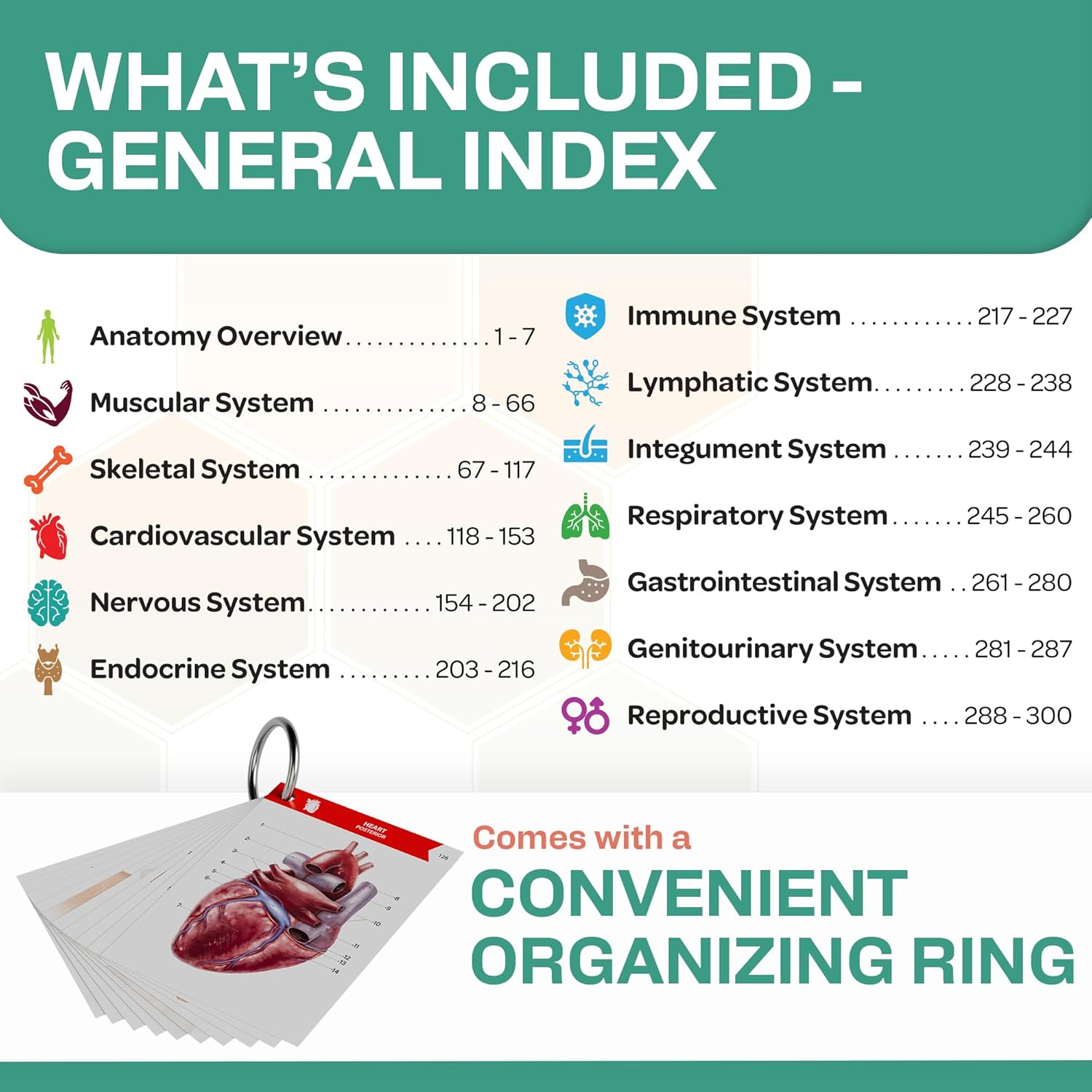
The set is described as covering all major body systems, with illustrations and mnemonic-style support. If your class focuses heavily on a subset first, you may want to study those cards in the same order as your syllabus.
Are they durable enough for taking to class?
They’re described as tear-resistant and designed for portability, including hole-punch and ring organization. That’s a good sign for students who carry materials daily.
What learning style do these seem best for?
They’re explicitly positioned as helpful for visual learners, with color-coded labels and detailed definitions.
What’s the main limitation to expect?
Like most flash cards, they’re best for recall. If you need deep step-by-step physiological reasoning, you’ll likely want additional study materials beyond the cards.