

Ticket to Ride Board Game (2025 Refresh) – Cross-Country Train Adventure for Family and Friends
Product description
What it is and what it solves
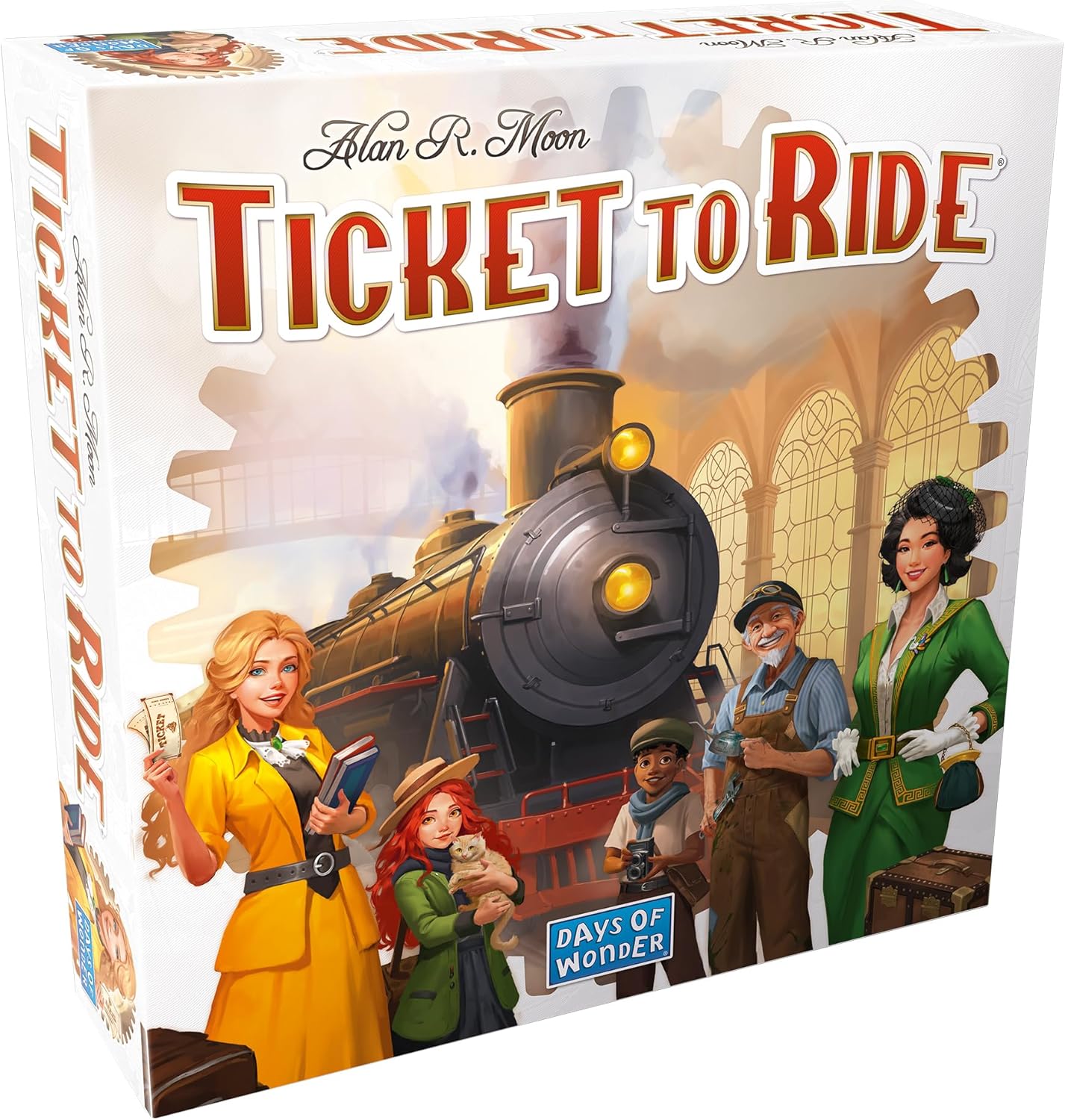
Ticket to Ride (2025 Refresh) is a family-friendly strategy board game that invites players to build a railroad network across early 20th century North America. If you’ve been looking for a think-fast, light-to-medium strategy experience that’s easy to teach but delivers meaningful decisions, this title fits the bill. It solves the need for a flexible, accessible game that can entertain a range of ages and group sizes without getting bogged down in rules.
How it feels in play
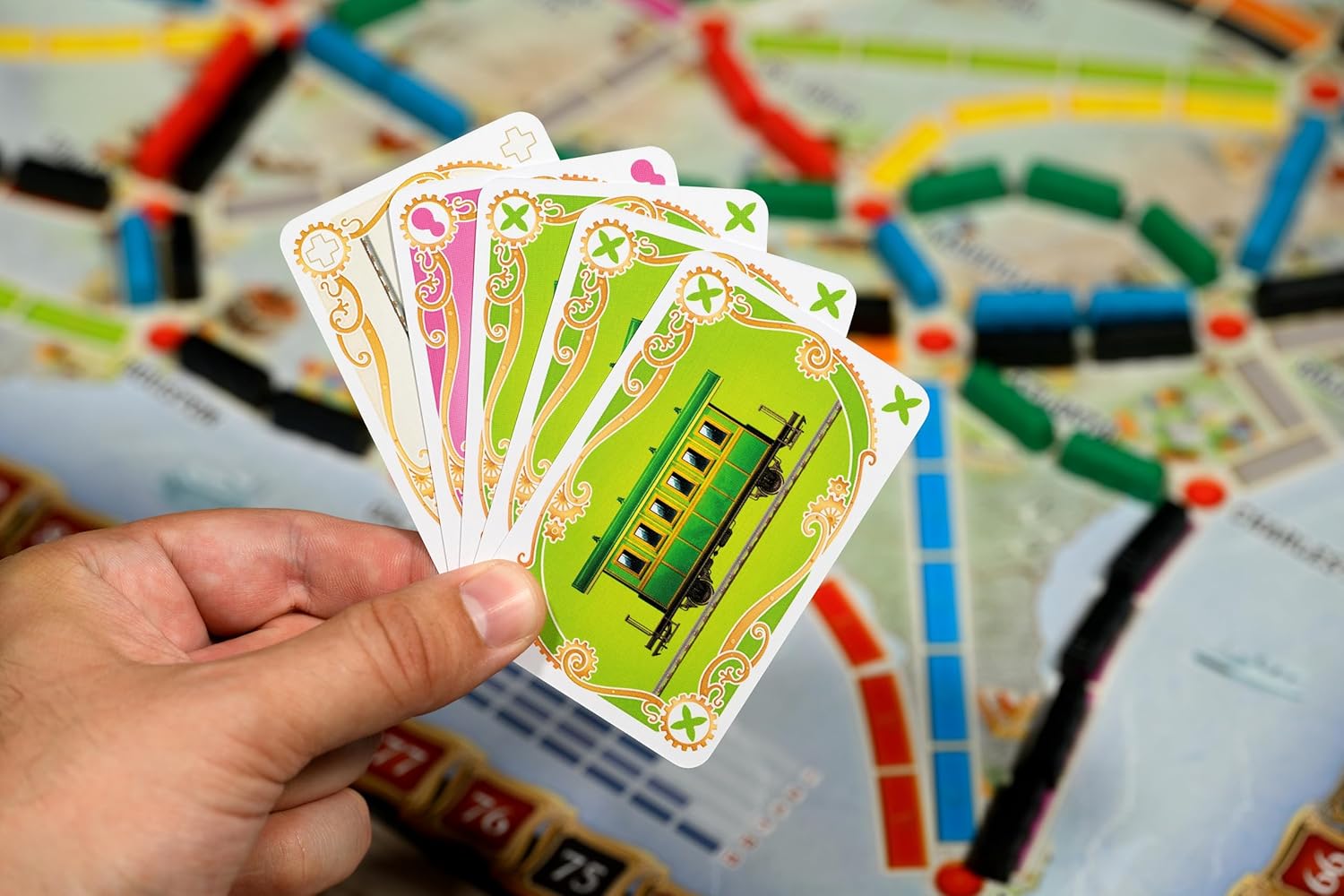
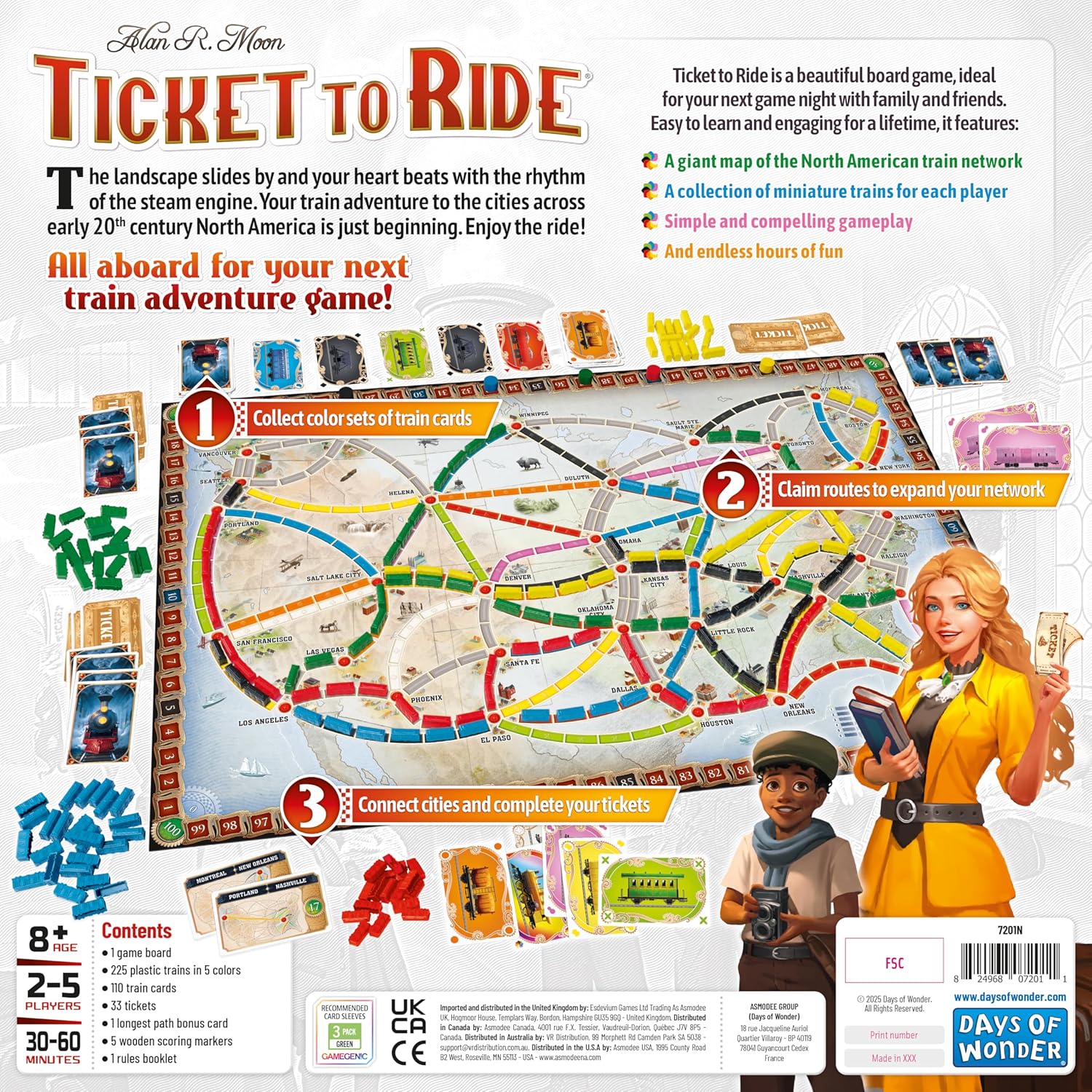
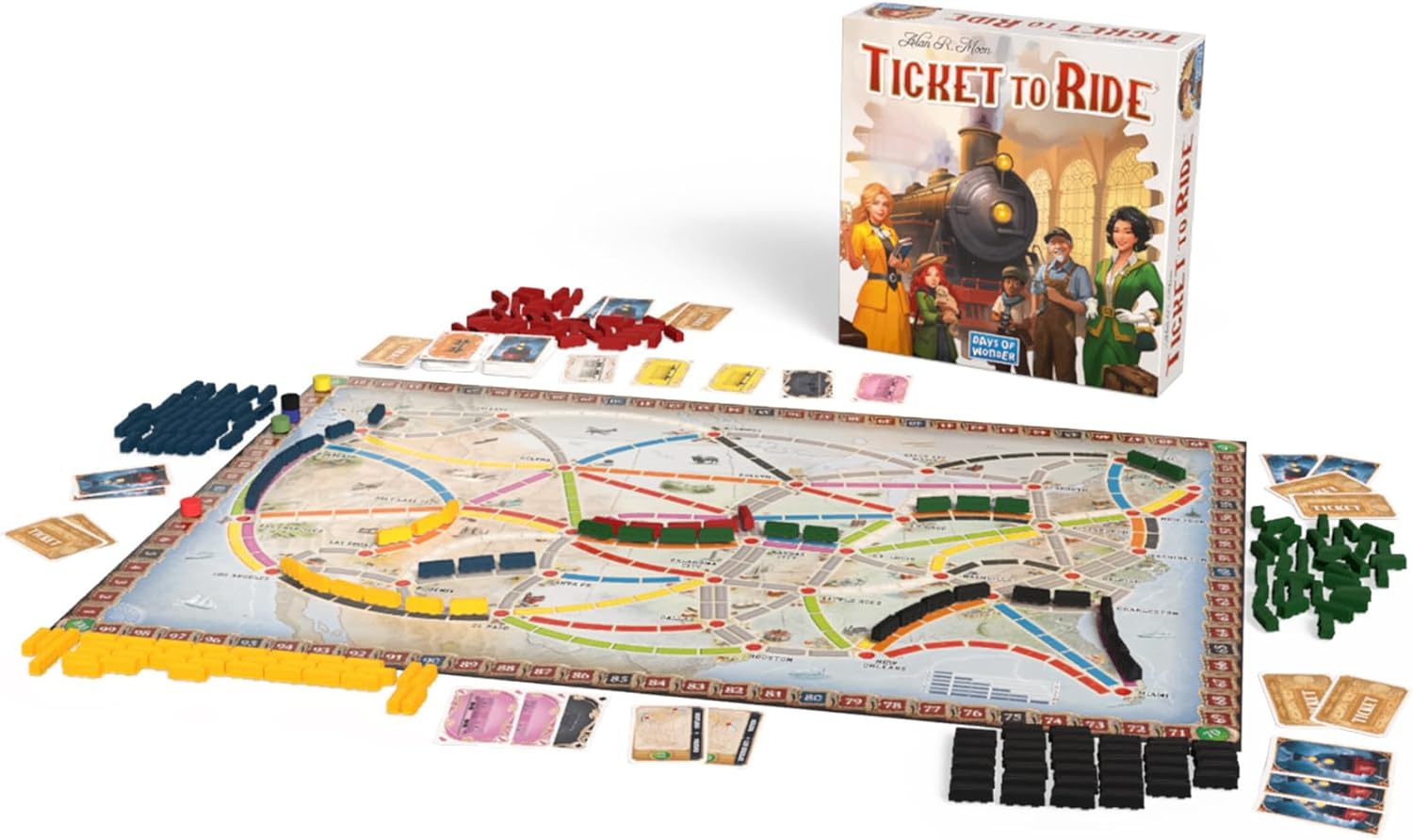
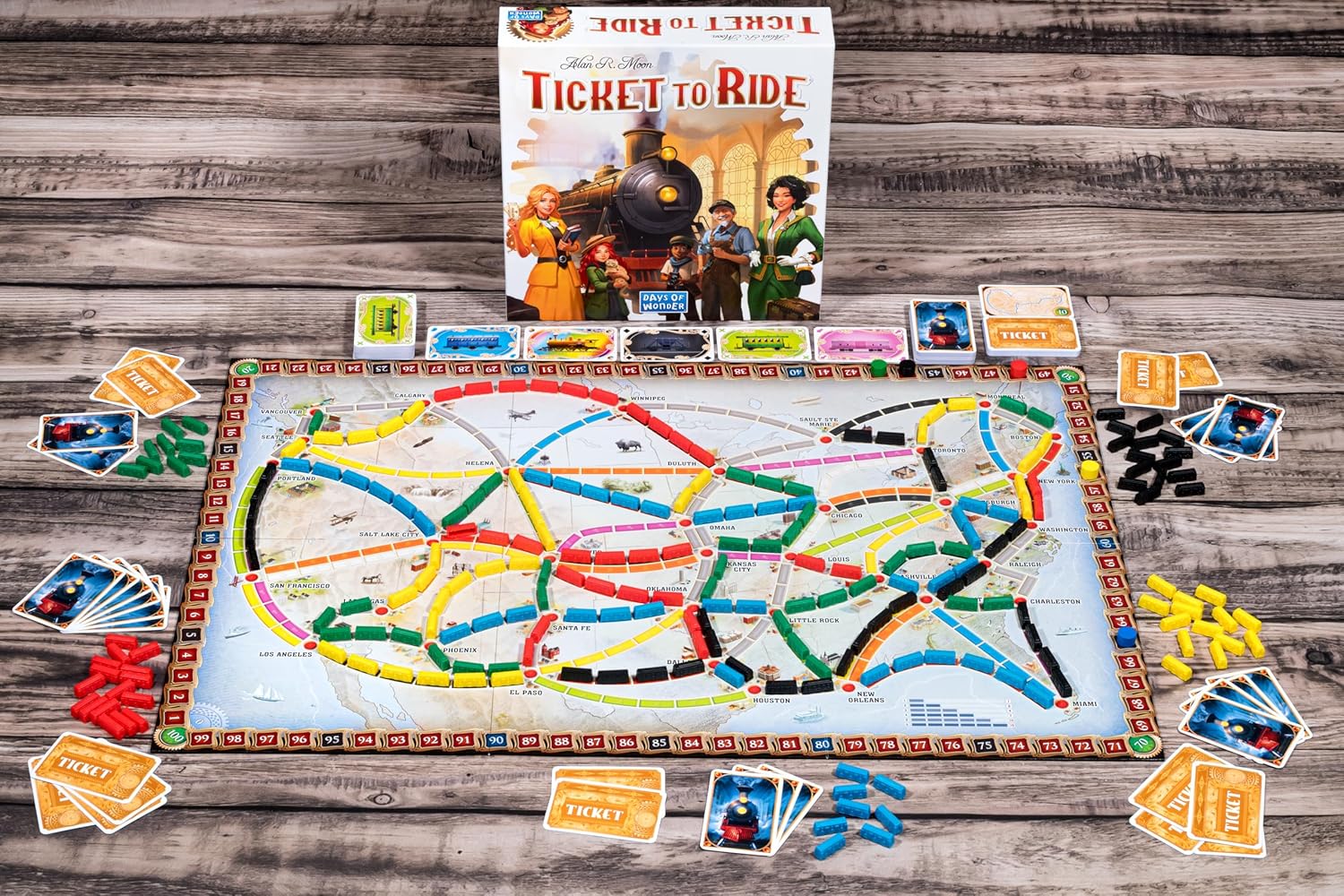
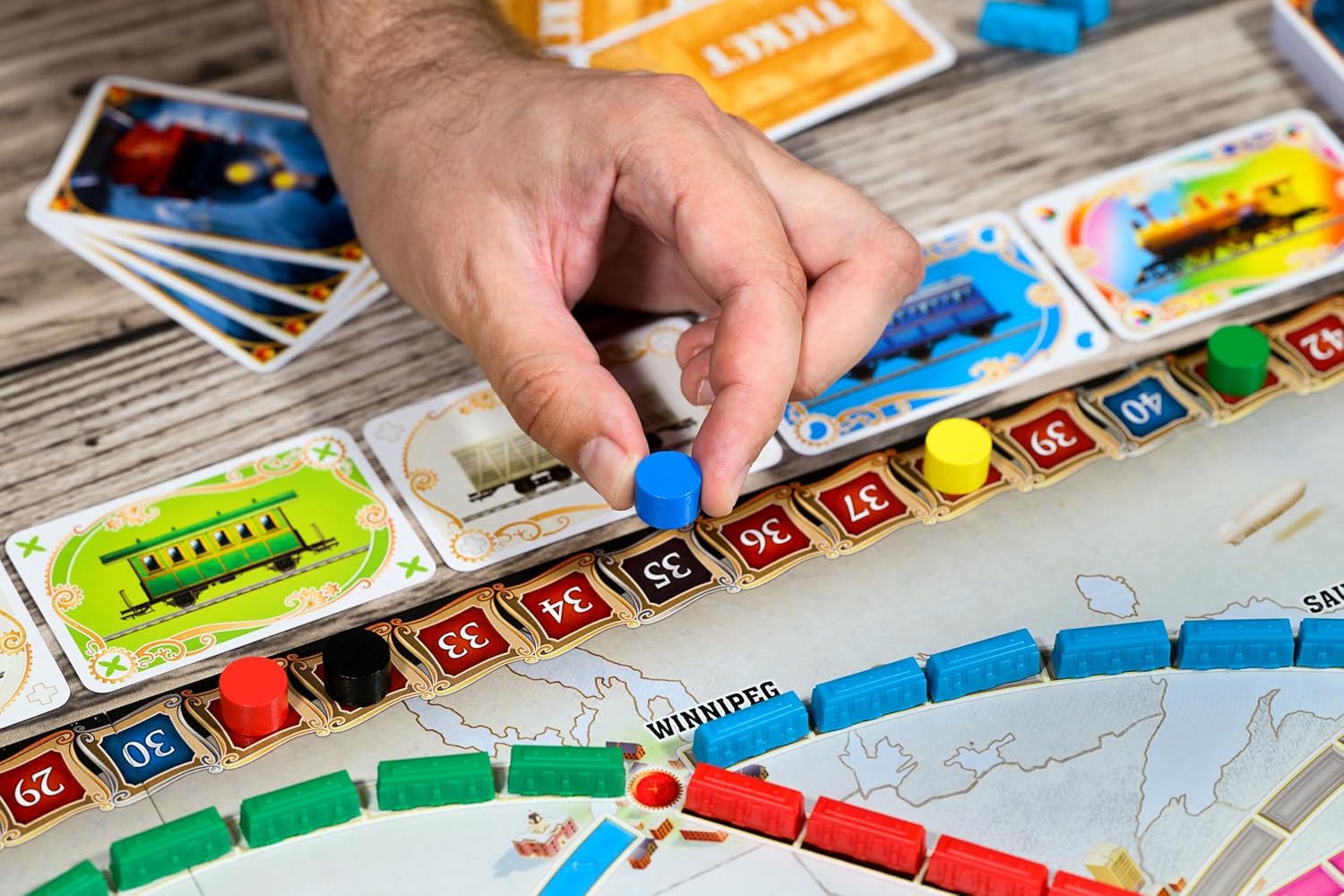
On the table, you’ll find a large, visually appealing map and color-coded train pieces for each player. The core loop is simple: collect train cards, claim routes, and connect cities. The fresh 2025 refresh keeps the core experience intact while preserving the charm of the map and the tactile satisfaction of laying down trains. The rules are straightforward enough for beginners, yet the board invites planning and adaptation—so it can scratch the itch for casual players and more serious planners alike.
What stands out in terms of design
The game’s components are a highlight. The oversized map and distinct miniature trains create an immersive feel that elevates family game night. The replay value comes from various strategies—prioritizing color sets, chasing high-value tickets, or aiming for the longest continuous route. It’s not a heavy euro, but it rewards thoughtful planning and quick adaptation to opponents’ moves.
Strengths you’ll notice day to day
- Easy to learn, with rules you can grasp quickly, making it accessible for kids and adults.
- Quick sessions (30–60 minutes) that fit well into a busy evening or weekend rotation.
- Clear, player-friendly components that reduce downtime and speed up setup.
- Strong social angle: competing for routes fosters interaction without aggressive play.
- Multi-genre appeal: friendly for family gatherings and satisfying for casual strategy fans.
Potential limitations to consider
- It’s not the best option if your group craves deep engine-building or heavy math in planning routes, players who want a more complex strategy may find it a touch light.
- Competition for key routes can feel tense, which isn’t ideal if you’re seeking a strictly breezy or cooperative vibe.
- The appeal leans toward group play, solo gameplay is limited unless you’re open to variants or house rules.
- As with any map-based game, you’ll want to ensure your group enjoys route-building rather than linear, point-salad scoring.
Who it’s best for
If you value a game that’s easy to teach, visually appealing, and quick to play, Ticket to Ride works well for families with kids aged 8 and up, casual players, and groups that want a light strategy title that can adapt to different player counts (2–5).
Who might want a different fit
If you’re seeking a heavier strategy experience, a longer play session, or deeply asymmetric mechanics, this refresh might feel insufficient. Likewise, if you play strictly solo, you’ll likely be better served by another format or a different genre.
When it makes sense to buy
Consider Ticket to Ride when you want a reliable, social game that scales with the group and offers meaningful choices without steep learning curves. It’s a strong fit for family game nights, classroom-friendly game sessions, and weekend gatherings where both kids and adults want to participate.
When to pass
If your priority is a purely competitive or highly complex planning experience, or if you prefer dedicated solo play, you might look for alternatives that lean more into depth or solitary play modes. Also, if you already own similar route-building titles and need a fresh mechanic, this refresh may be less compelling.
What to check before buying
- Confirm you’re comfortable with 2–5 players and a 30–60 minute play window.
- Consider whether the North American map and route layout align with your group’s past tastes.
- Think about the balance between luck (drawn cards) and strategy (route planning) for your typical game nights.
- Be mindful of setup and teach time, ensure you’re okay with a quick learning curve for newcomers.
How it compares to alternatives

Unlike heavier strategy games that demand long sessions and heavy planning, Ticket to Ride offers a balanced, approachable alternative that still scratches the strategic itch. If you prefer a tactile, social experience with a shared map and clear goals, this game tends to outperform more opaque, dense cousins in real-world family and friend gatherings.
Practical usage example
Imagine a Saturday evening: the kids start by collecting color cards while older players start eyeing smaller ticket routes. Then the room shifts as someone claims a critical transcontinental link, forcing others to reroute plans. By the end, the longest route cards and completed tickets decide the winner, but the real value is the cooperative buzz—everyone chats about routes, potential blocks, and safe bets for the next round.
Decision: Is it worth it?
It’s a solid pick if you value quick setup, approachable rules, and a map-driven, light-to-mid strategy that scales with your group. You’ll enjoy it most if your group consists of mixed ages who want an inclusive, social game that’s easy to learn but still offers strategic depth. Not the best match if you crave heavy analytics, deep engine-building, or extensive solo play.
FAQ (3–5 questions)
- How long does a typical game take with 2 players versus 5? In practice, expect 30–60 minutes depending on player count and ticket choices.
- Is the 2025 Refresh meaningfully different from prior editions? The refresh preserves the core experience while updating visuals and components, rules remain approachable and consistent with previous iterations.
- Can kids play effectively with adults? Yes. The game is designed to be accessible for ages 8+ and scales well across a family or mixed-age group.
- What if I don’t like competitive tension? You can adjust house rules to reduce blocking or focus on completing tickets for a more collaborative tilt, but the original design does reward route planning against opponents.
- Are there any expansion packs or variants I should know about? This description focuses on the core 2025 refresh, if you’re curious about expansions, check compatibility and rules separately to preserve balance.