

Thames & Kosmos Green Engineering STEM Kit solar model 1 🧪
Reviews
Price
Product description
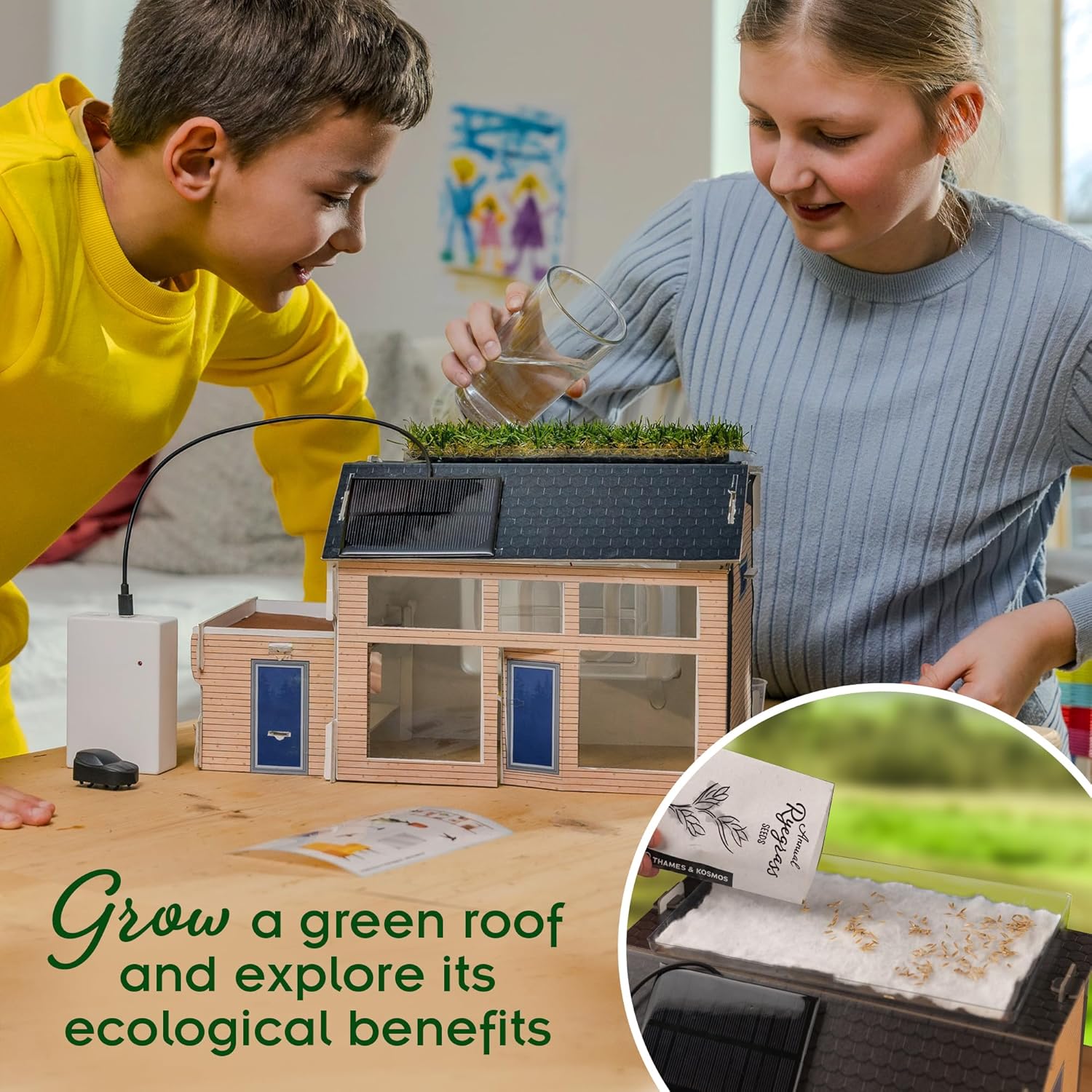
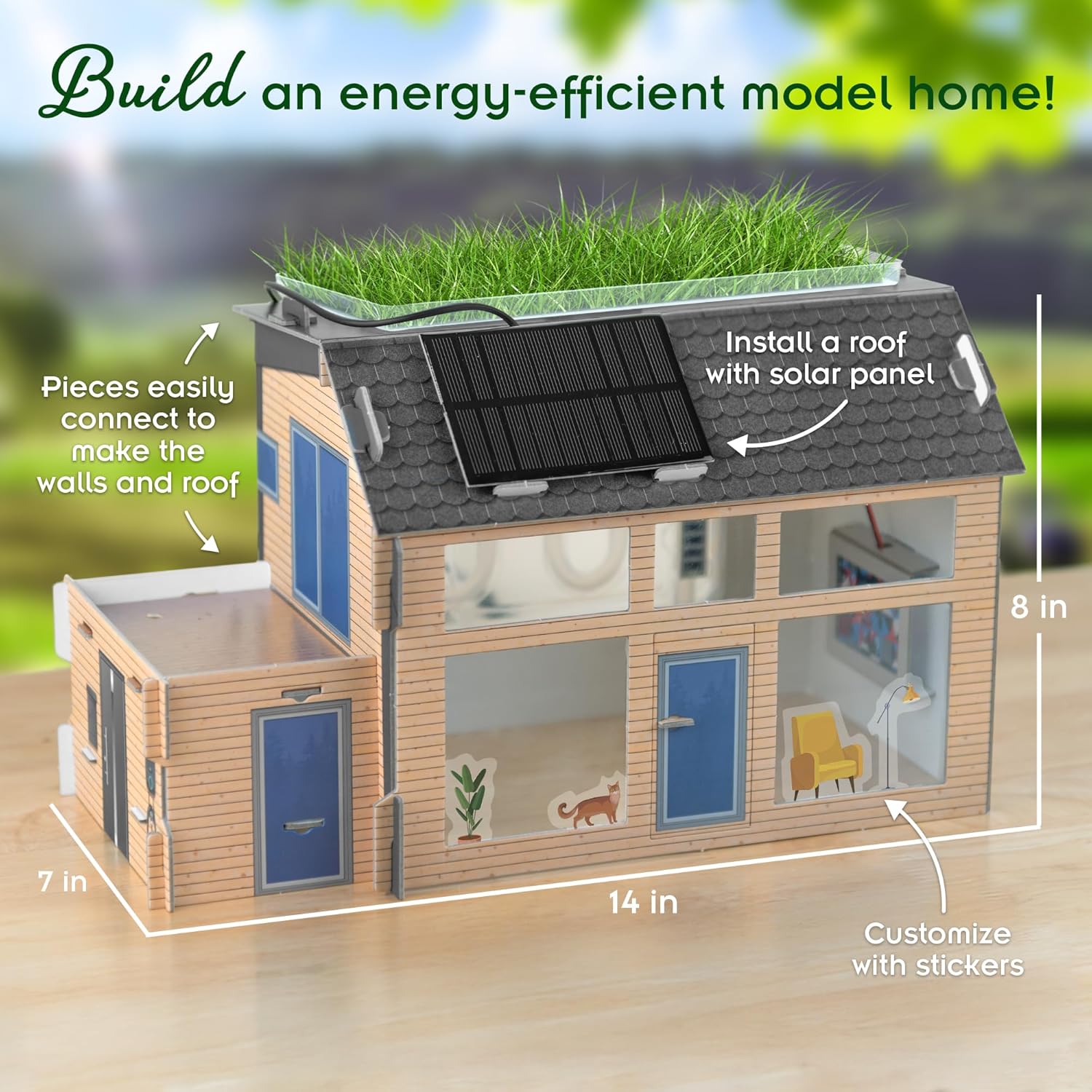
This STEM kit lets kids build an energy-efficient model home to explore clean energy and sustainable living while having hands-on fun. It places practical experiments—solar power, heat pump behavior, and a living green roof—into a single classroom-ready project that encourages curiosity and problem solving.
Key Points
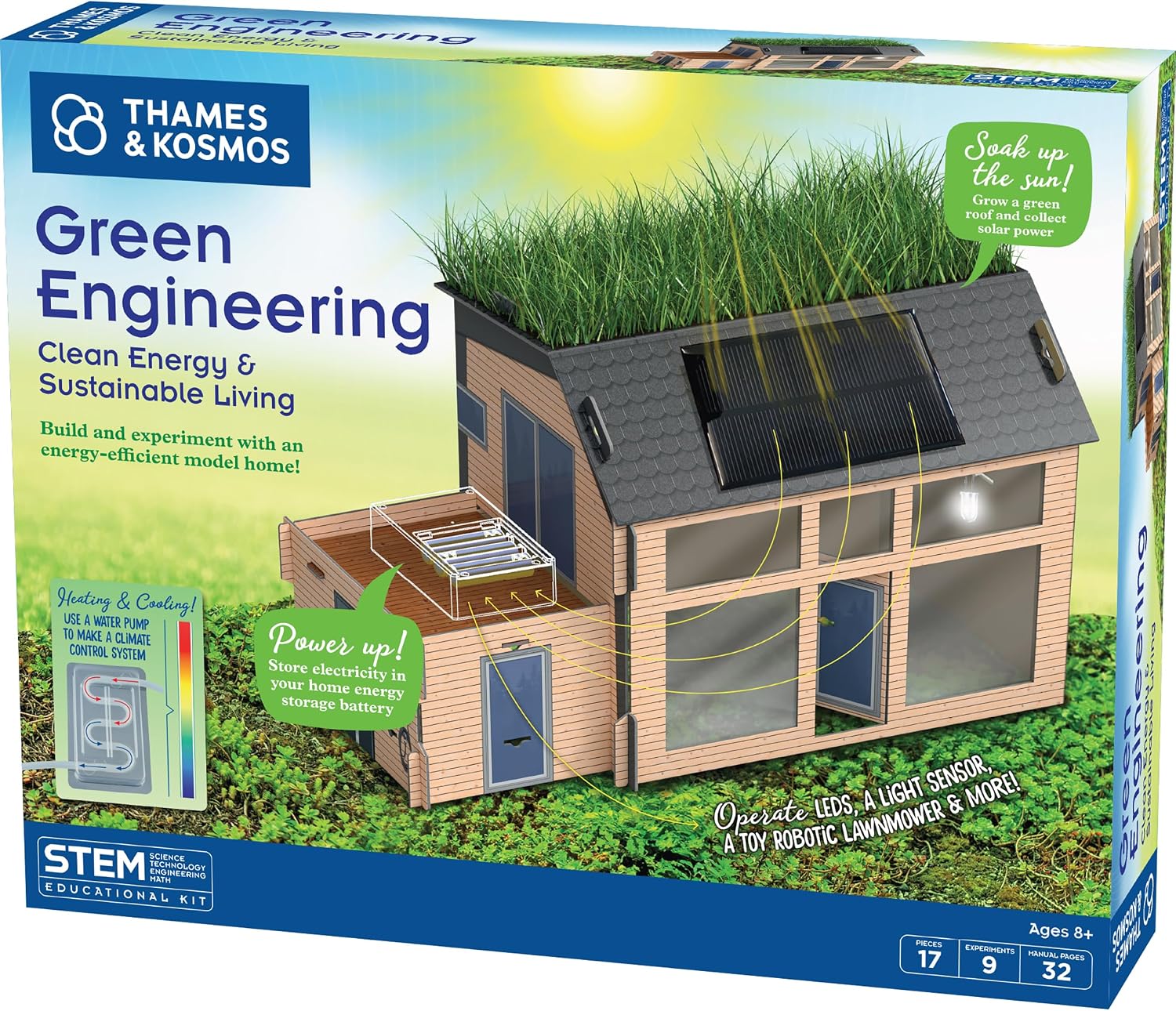
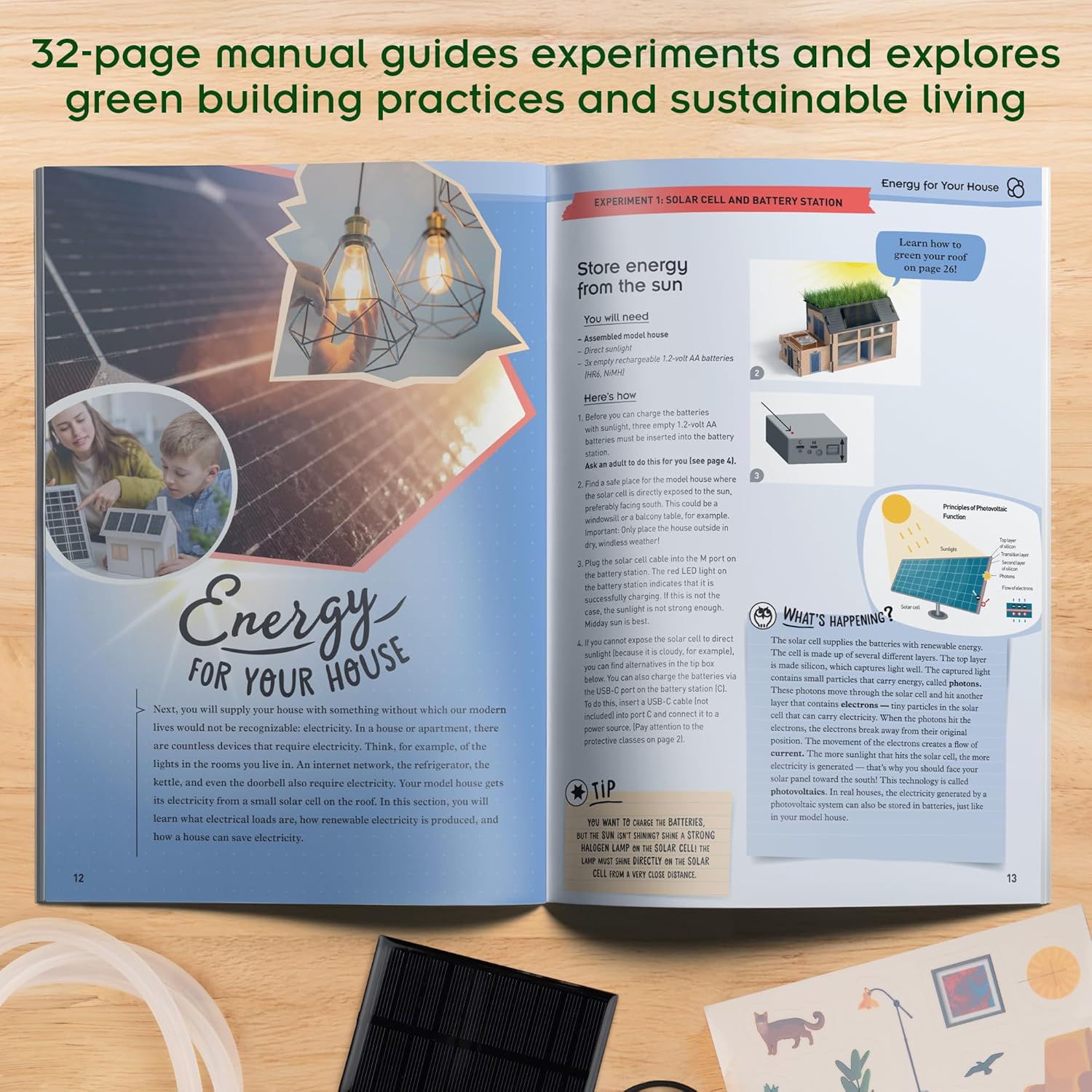
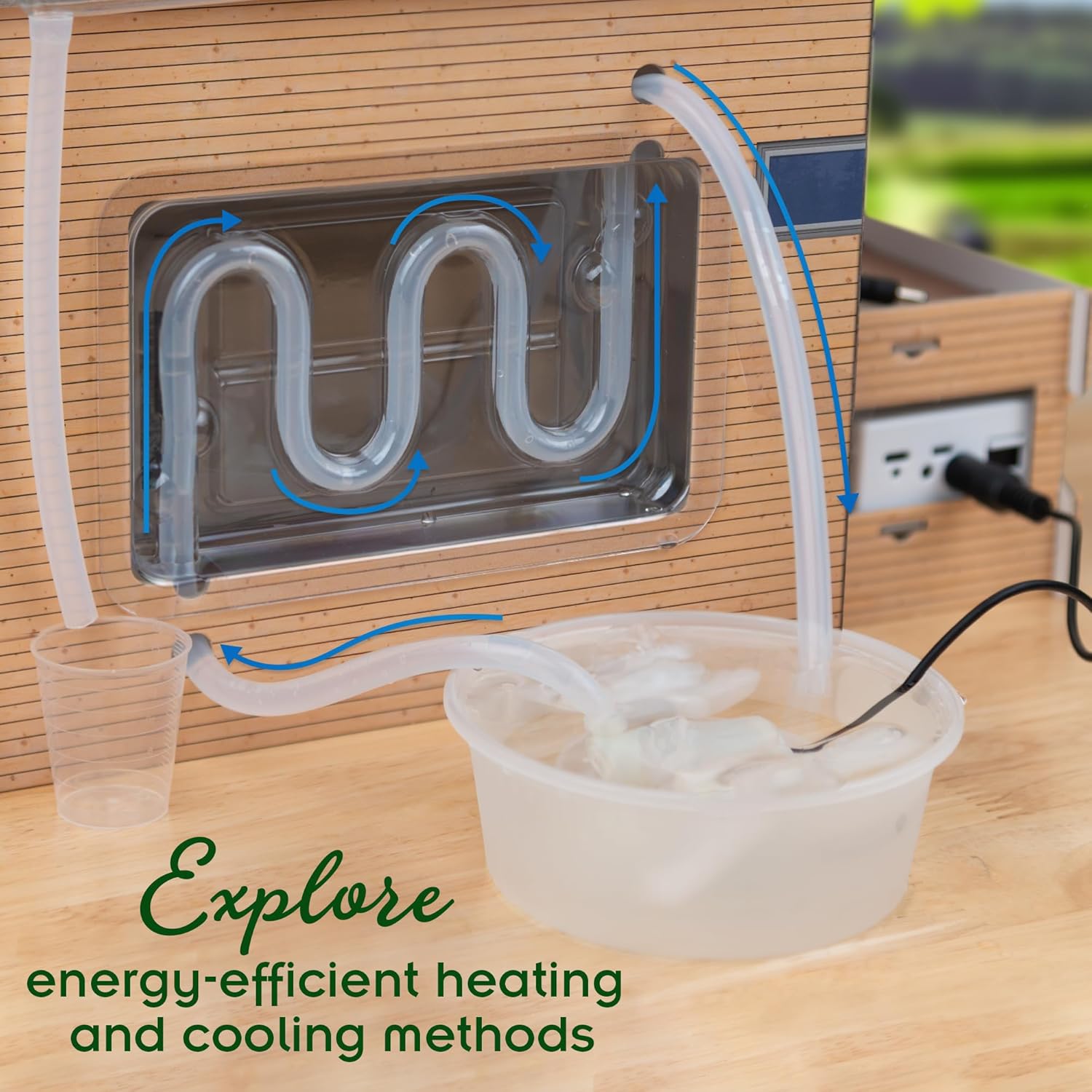
The set walks children through constructing a compact model house, wiring LEDs, and connecting a small solar panel to power features of the build. Activities include testing heating and cooling concepts with a pump-driven system and observing how rooftop vegetation affects temperature and moisture. The interactive format aims to make abstract concepts tangible, so students can see cause and effect as they change variables and record results. 🌱
This product supports group learning and individual experimentation. Components are durable enough for repeated use in lessons or STEM clubs, and instructions are designed for learners starting around eight years old. Consider that some younger children may need adult help with finer assembly tasks and electrical connections.
Technical Specifications
- Name: Thames & Kosmos Green Engineering STEM Kit
- Recommended age: 8 years and up
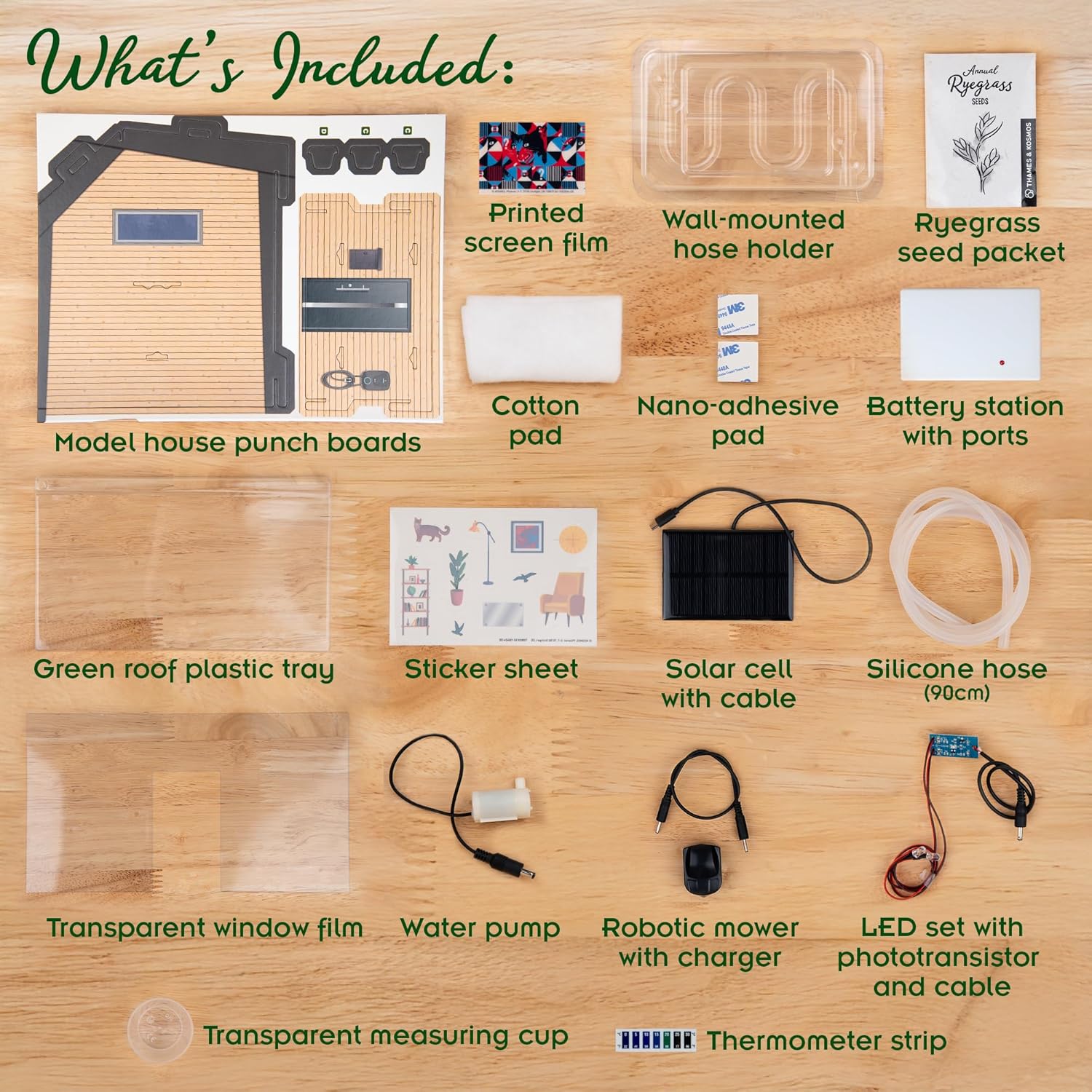
- Includes: solar panel, LEDs, sensors, pump for heating/cooling, model house parts
- Assembly: step-by-step instructions included
- Reusable: yes, components intended for multiple experiments
- Main topics covered: clean energy, sustainable living, basic electronics
Usage Recommendations
Begin with the basic build to familiarize students with the parts and simple circuits, then progress to experiments that compare power output under different light conditions and roof configurations. Encourage recording measurements and repeating tests after changes to create simple data sets. For classroom settings, split tasks across small teams so each learner practices assembly, measurement, and analysis.
The kit is well suited for guided lessons on renewable energy concepts and project-based learning, however note that detailed scientific measurement requires supplemental tools if highly precise data is desired. Also, the model’s scale limits how directly some results translate to full-size buildings, so framing experiments as conceptual demonstrations helps set realistic expectations. ⚡