

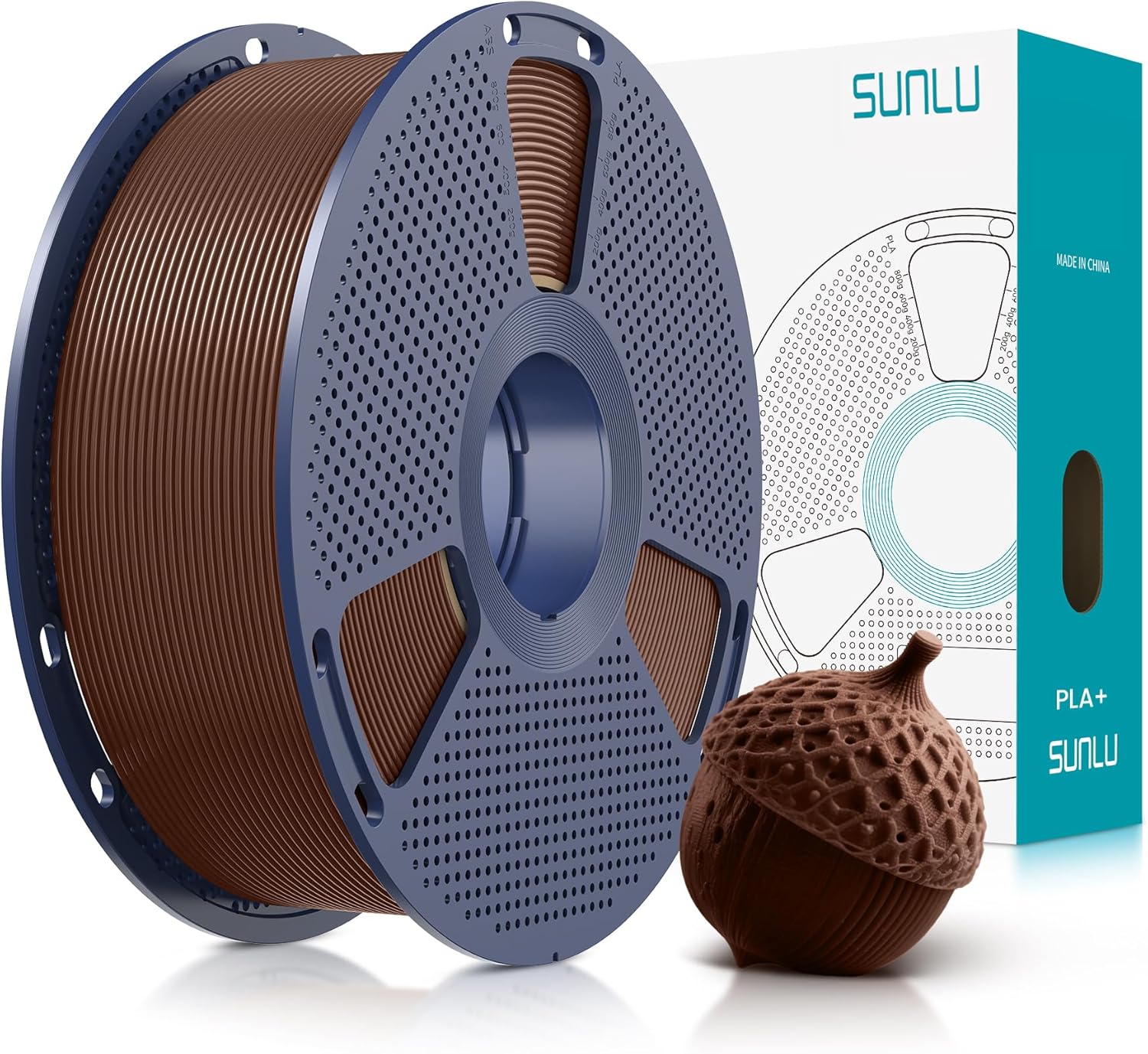
SUNLU PLA Plus 1.75mm Coffee Brown Filament on 1 kg Neatly Wound Spool for 3D Printing
Product description
What this filament is and what it solves
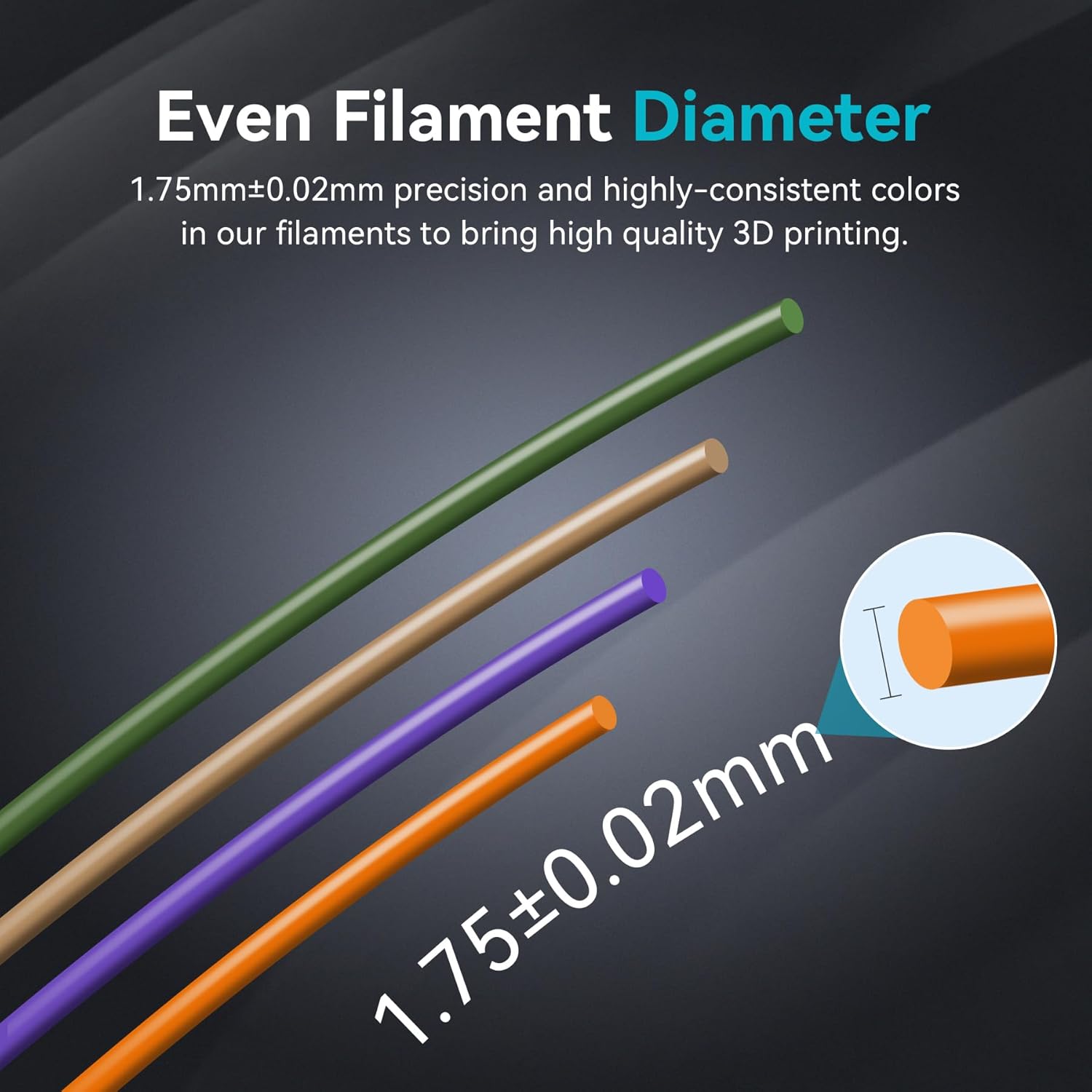
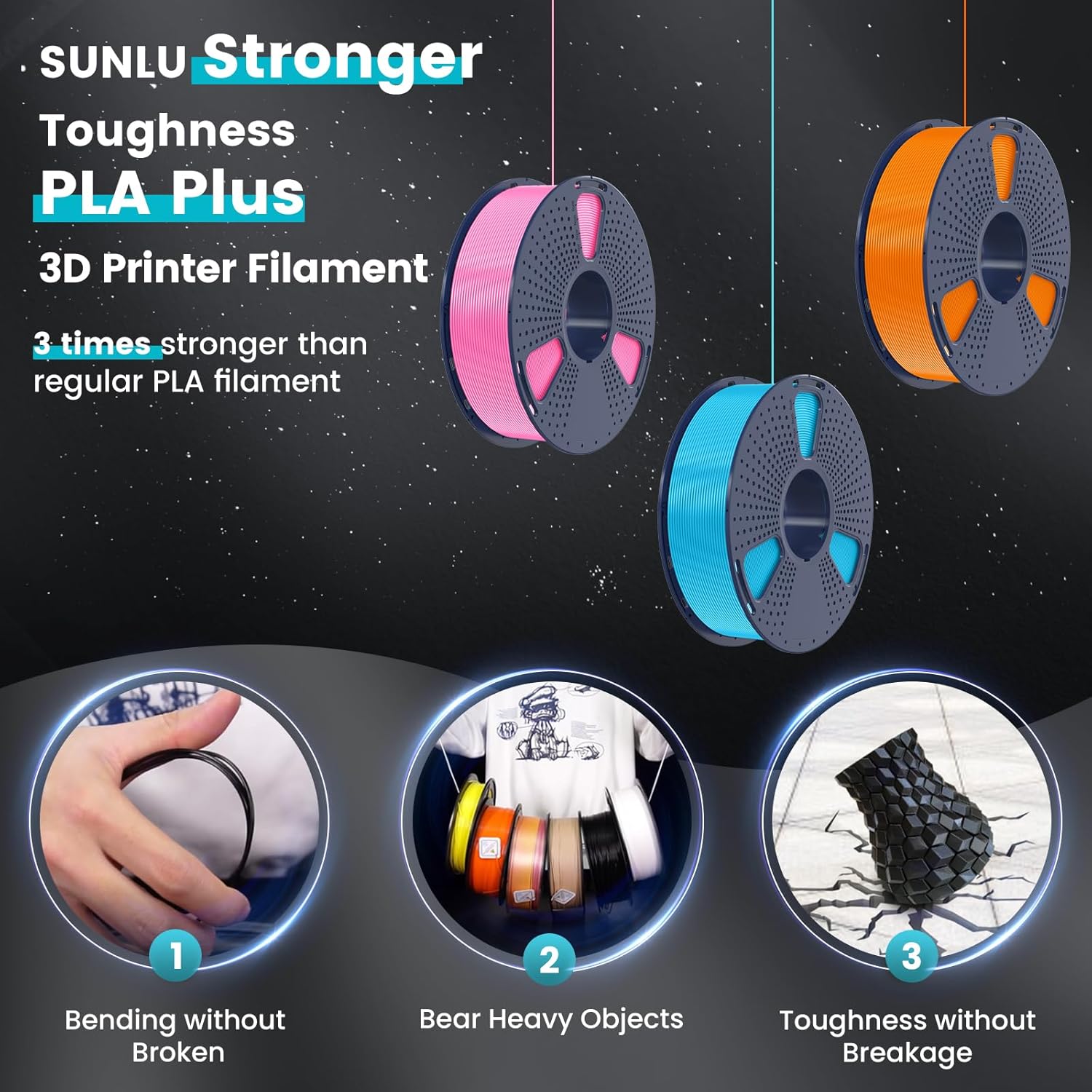
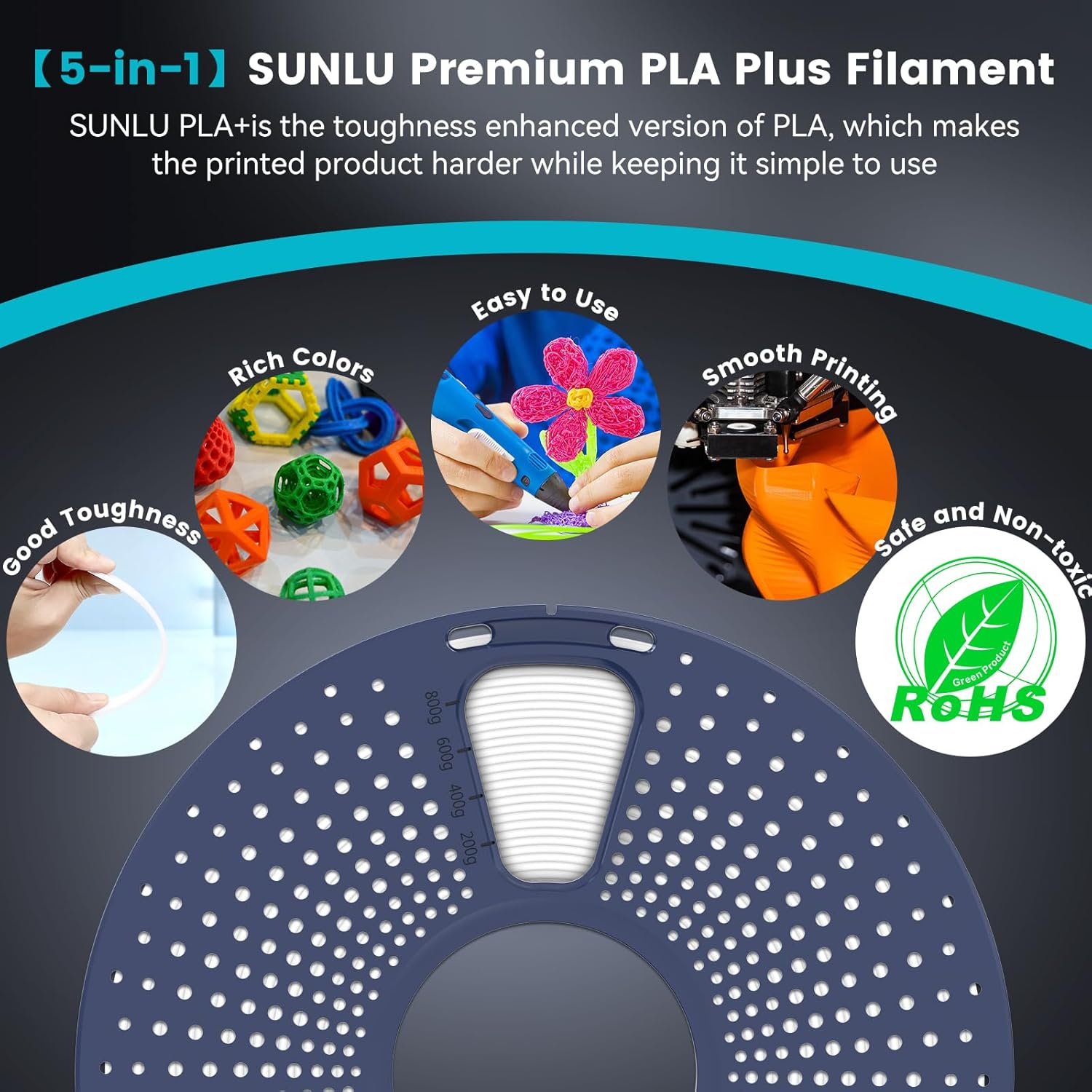
SUNLU PLA Plus 1.75mm is a stronger alternative to standard PLA, advertised as three times stronger with brighter color and smoother printing. It comes on a neatly wound 1 kg spool designed to minimize tangles and improve printing efficiency. The product is intended for most FDM 3D printers that support 1.75mm filament, with a stated dimensional accuracy of +/- 0.02 mm, which helps maintain consistent extrusion and part quality across prints. The coffee brown color gives a warm, earthy finish that can suit models, prototypes, and small functional parts.
How it behaves in practice
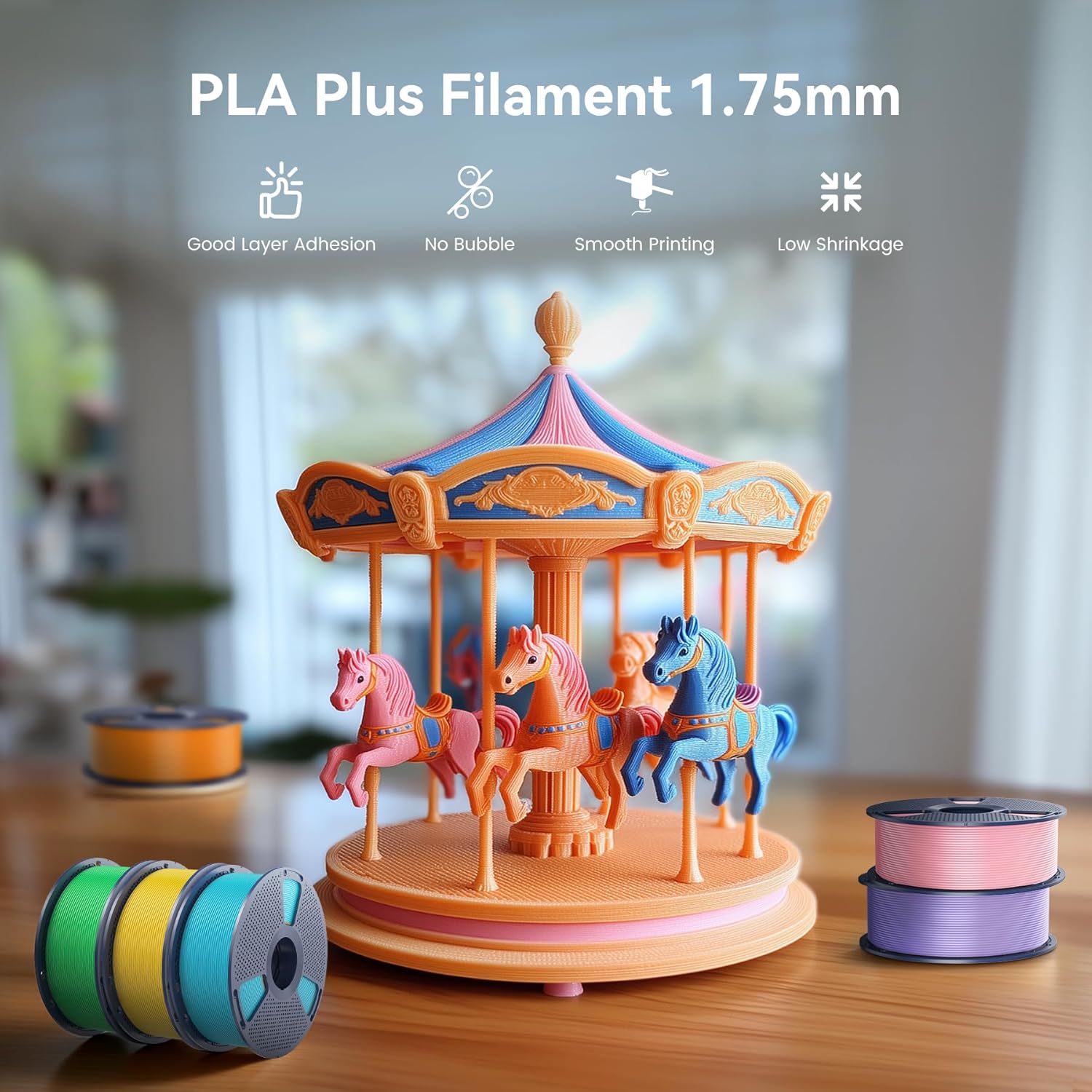
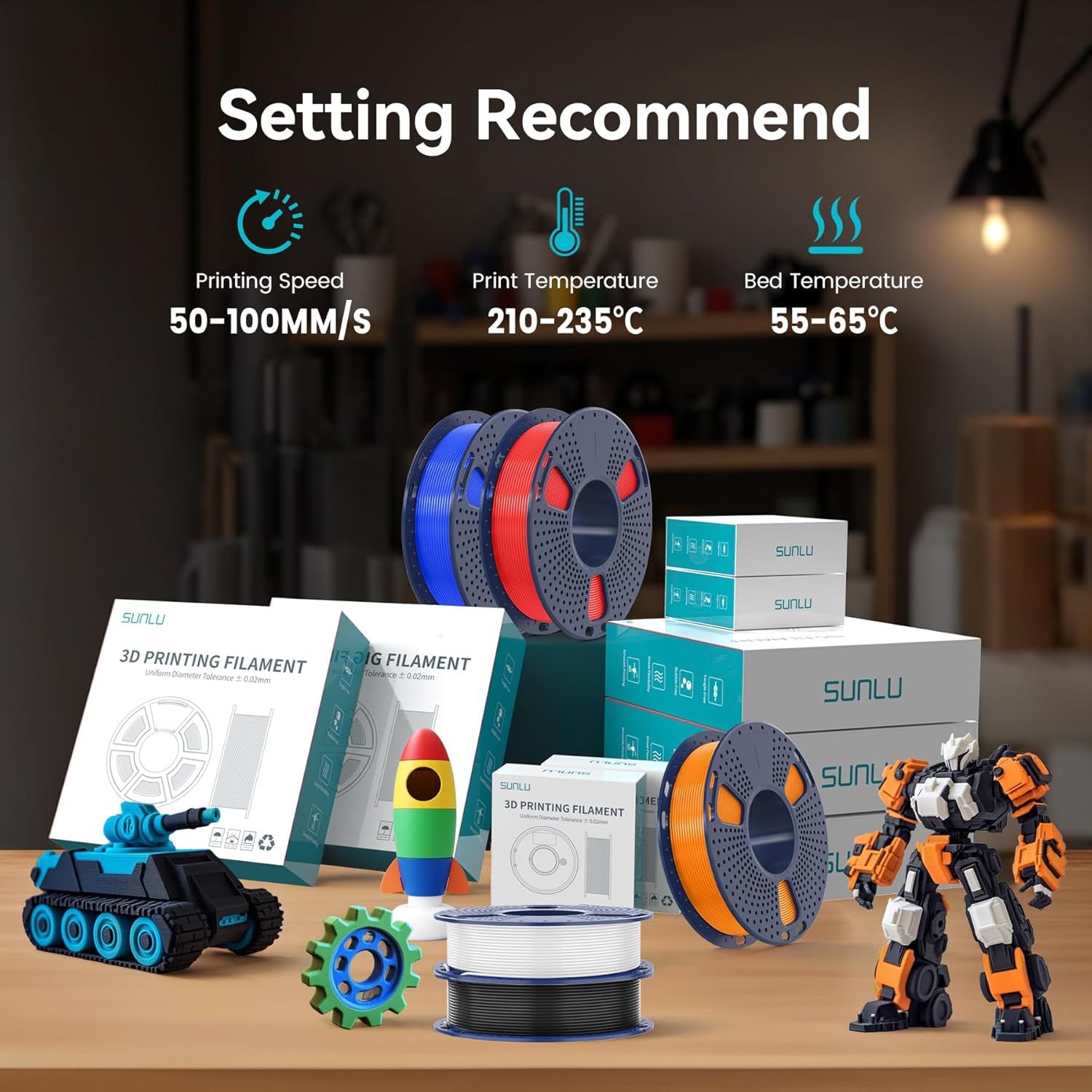
On paper, PLA Plus is designed to reduce common issues like clogs, bubbles, warping, and stringing, while offering good layer adhesion. SUNLU notes the filament has broad compatibility beyond their own printers, including popular models like Ender series, making it a convenient option if you own more than one machine. The recommended printing window is roughly 210–235°C for nozzle temperature and 55–65°C for bed temperature, which aligns with typical PLA Plus workflows. In real use, the precise results depend on your printer’s hot end cleanliness, calibration, and the chosen print settings.
What stands out about the design and quality
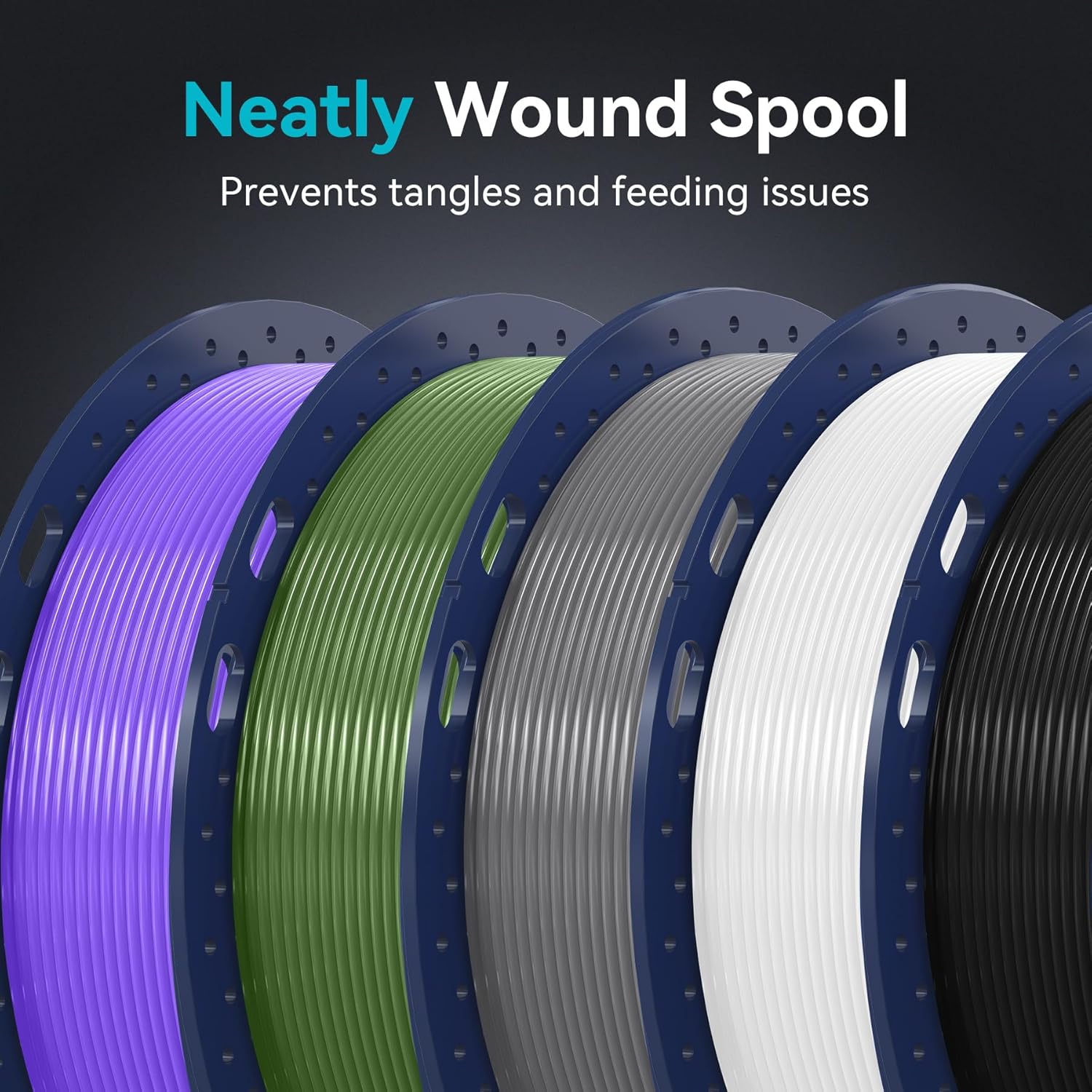
The “neatly wound” spool is highlighted as a differentiator. It aims to prevent knots and tangles that can stall a print or require re-spooling mid-job. The combination of stronger-than-PLA performance and a forgiving print profile can be appealing for hobbyists moving toward functional prototypes rather than purely cosmetic parts. The color is a practical, subdued brown that tends to hide minor imperfections better than very bright tones.
Potential limitations and when it may not be the best fit
While the description emphasizes strength and ease of use, some users might still encounter typical filament caveats like slight dimensional drift or adhesion variability depending on printer setup. If your projects demand very tight tolerances or highly detailed surface finish, you may need to experiment with print temperatures and cooling to dial in results. Also, color-specific outcomes can vary batch-to-batch, it’s wise to test a small print first before committing to a larger job.
Ideal use cases and who this is for
This filament is well-suited for hobbyists and makers who want stronger prints without moving to a high-end material. It’s a reasonable option for functional parts, jigs, brackets, or enclosures where a bit more strength than standard PLA is beneficial, and where color consistency in coffee brown is desirable. It’s less likely to be the best choice for parts requiring extreme impact resistance or high-temperature environments.
What to check before buying
- Confirm your printer supports 1.75 mm filament and can reach the nozzle bed temperatures in the recommended range.
- If you haven’t tested PLA Plus before, plan a small calibration print to gauge adhesion, stringing, and layer bonding.
- Inspect the spool for visible defects and verify the spool diameter and hub hole fit your printer’s spool holder.
- Consider whether you prefer a color that hides imperfections or a color that highlights fine feature work, color choices can affect the perceived quality of the print.
Practical example: how you might use it
Suppose you’re printing a small bracket that needs a bit more toughness than standard PLA. You’d start with a 210–220°C nozzle setting and a 60°C bed, enable moderate part cooling, and print a few test slices to observe layer adhesion and edge sharpness. If all goes well, you can scale to a functional prototype without worrying as much about warping or brittle failures that might occur with plain PLA.
The bottom line: is it worth considering?
Is it worth it? Yes, if you prioritize stronger-than-PLA performance without jumping to exotic materials and you print on a 1.75 mm FDM system. It makes sense for everyday functional parts and mixed-use projects where a neat, reliable workflow with a neatly wound spool matters. Not ideal if you truly need maximum heat resistance or ultra-fine surface finish.
FAQ
- How consistent is the color across batches? Color consistency is typical for colorways, but minor shade differences can occur between lots.
- Will it work on all 1.75 mm printers? It’s designed for broad compatibility and should work on most 1.75 mm FDM printers, though individual results may vary by machine.
- Do I need special post-processing? Standard PLA Plus prints usually don’t require fancy post-processing, light sanding or smoothing can help if you want a smoother surface.
Final note
If you’re looking for a PLA Plus option that balances strength, print reliability, and a practical color, SUNLU’s coffee brown 1.75 mm filament on a neatly wound 1 kg spool is worth evaluating, especially as you dial in your printer’s temperature and cooling settings for best results.