

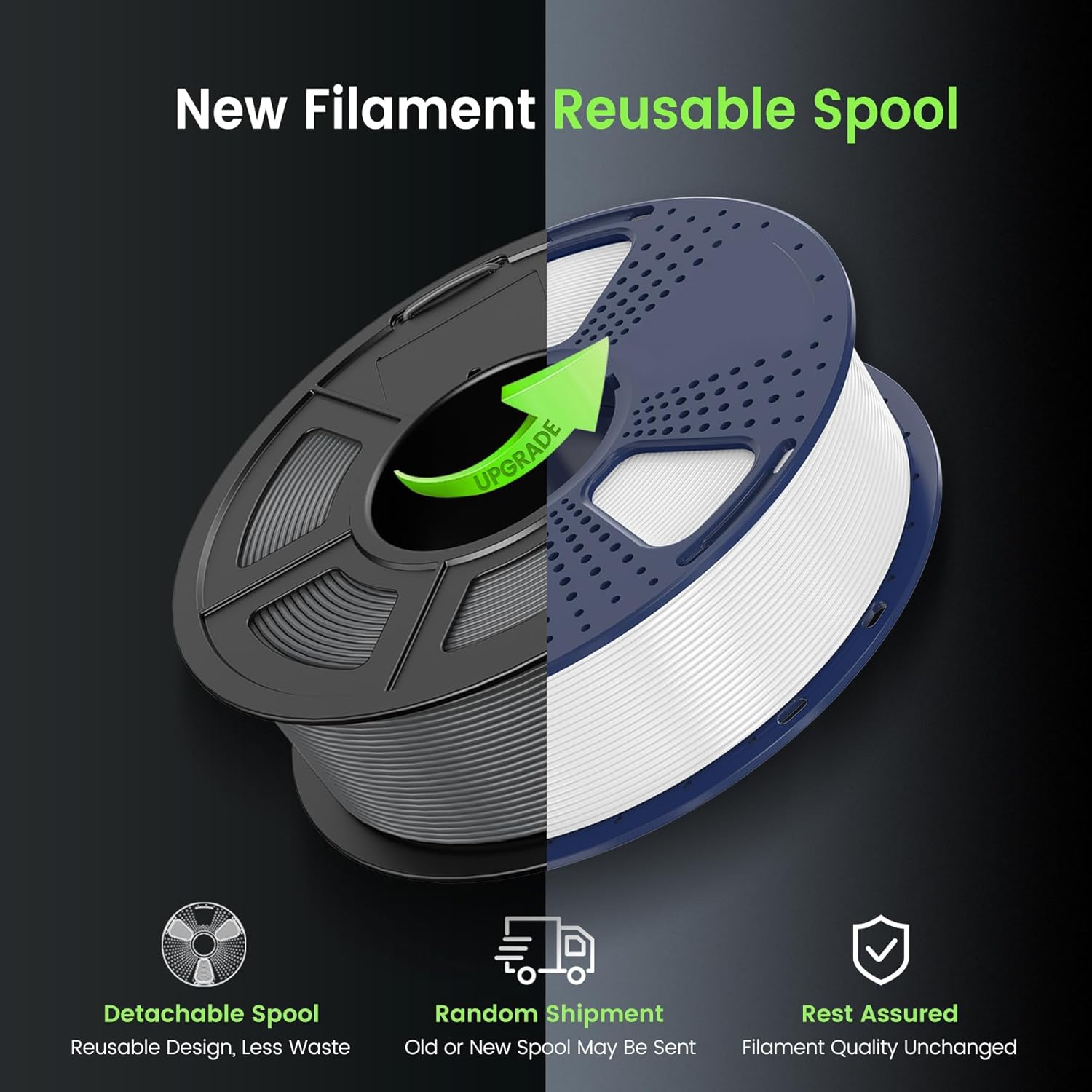
SUNLU PLA 3D Printer Filament (1.75mm), Black, 1kg Spool — +/- 0.02mm dimensional accuracy
Product description
Key takeaways
If you’re shopping for a practical PLA filament for FDM printing, SUNLU PLA filament is built around two buying points: it’s meant to run smoothly (no drama at the spool) and it claims good dimensional accuracy (± 0.02 mm). That combination tends to matter when you want consistent layers and fewer print interruptions caused by tangled filament or feeding hiccups.
That said, PLA is PLA—your results will still depend a lot on your printer’s setup and how dialed-in your temperature and speed are. If your machine is picky or you frequently print demanding parts, this can be more “reliable everyday filament” than a guaranteed high-end performance upgrade.
What to know before you buy
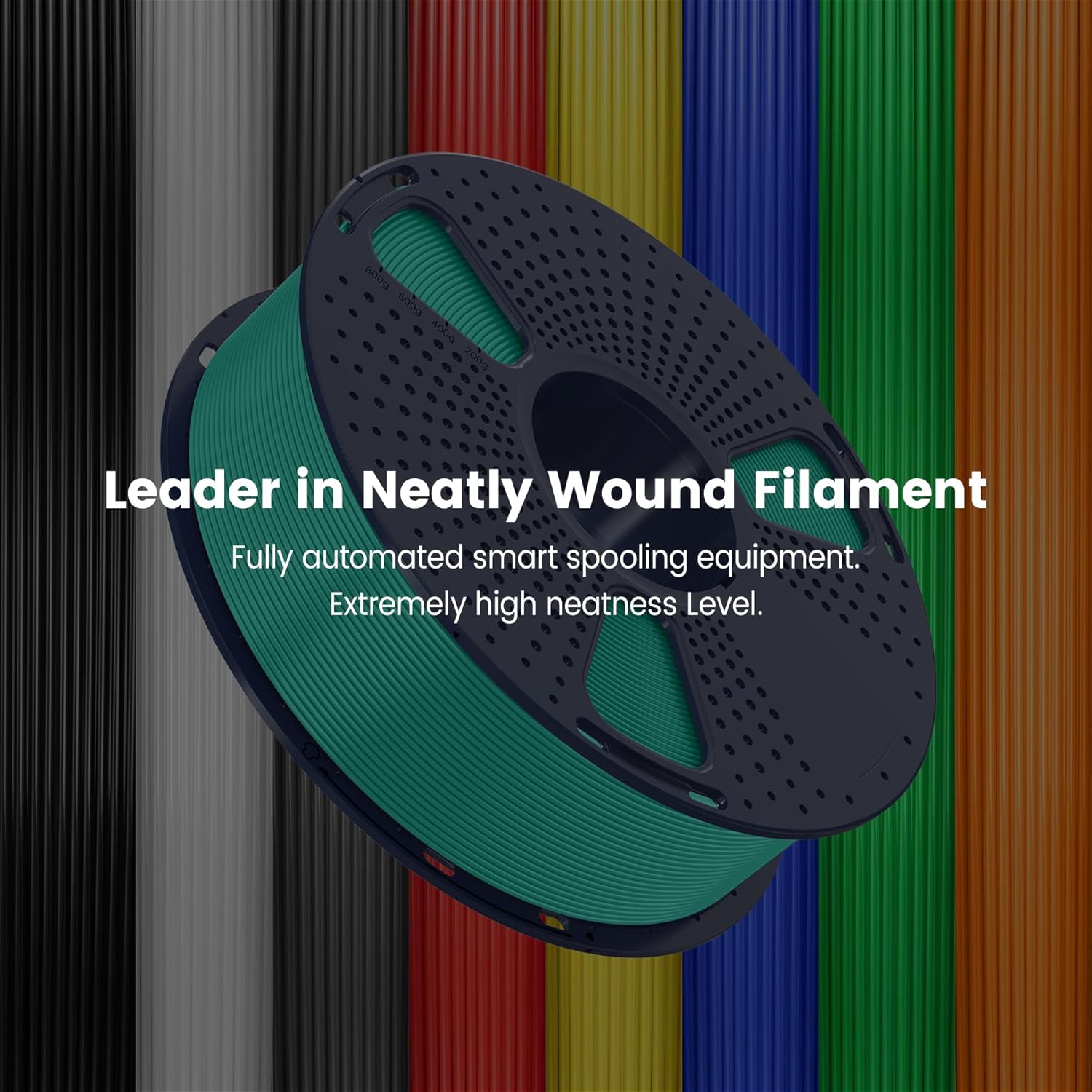
SUNLU is positioning this as an easy-to-use PLA option for both newer makers and more experienced users. The “neatly wound” spool approach is meant to reduce tangles and jams, and the filament is described as not prone to issues like clogs or bubbles during use. On paper, that’s exactly what you want when your goal is to spend time printing, not troubleshooting.
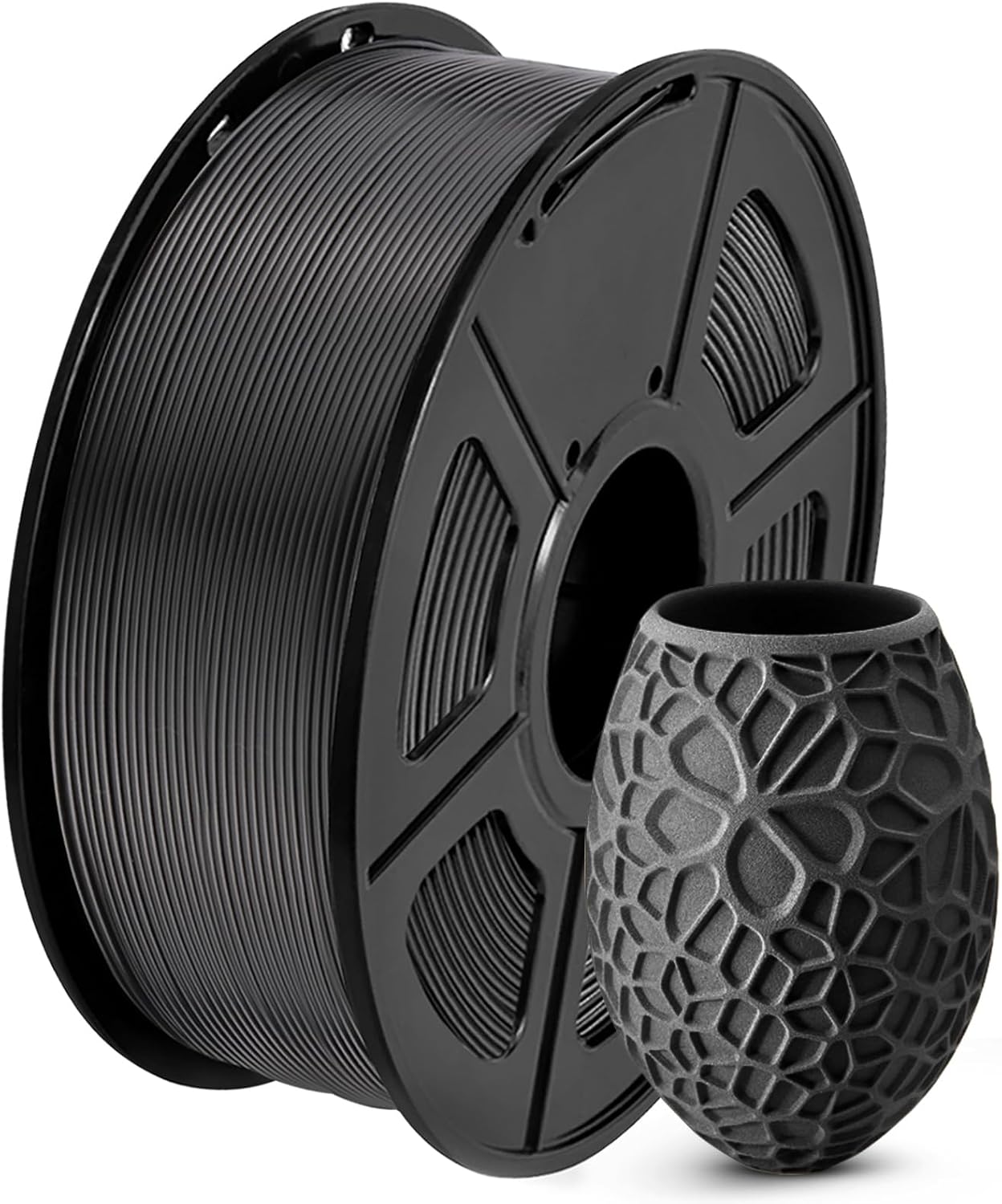
Compatibility is also addressed: it’s listed as 1.75mm filament and described as fitting most FDM 3D printers, with the key rationale being small diameter error (± 0.02 mm). In real purchasing terms, that means it’s a sensible bet if you’re trying to stay within the common 1.75mm ecosystem and avoid filament that’s “almost” the right diameter.
Key features that affect print results
The most concrete “buying signals” here are dimensional accuracy, spool winding, and recommended print settings.
Dimensional accuracy (± 0.02 mm) matters because filament diameter variation can force your printer to compensate. When diameter stays more consistent, you typically get steadier extrusion and more predictable layers.
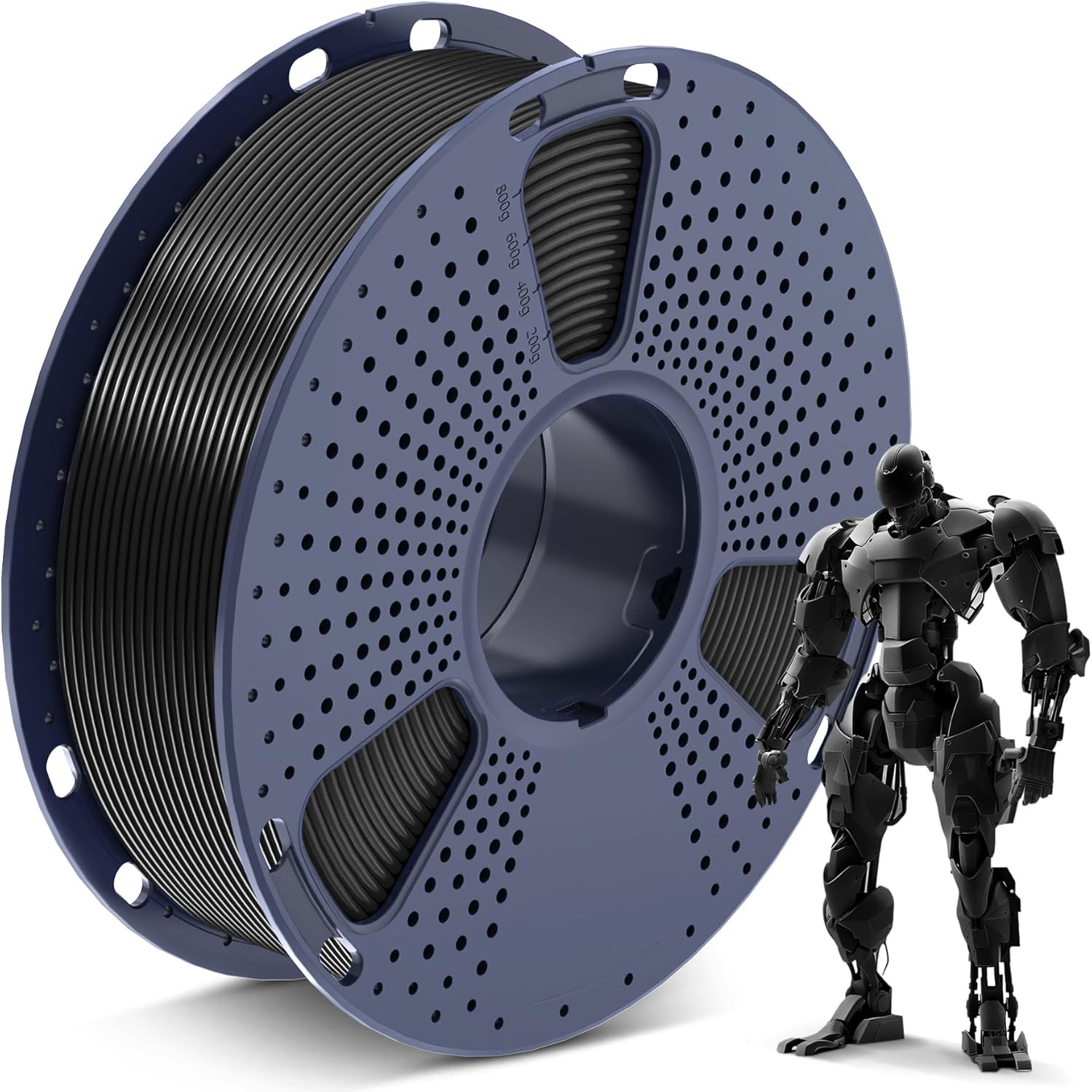
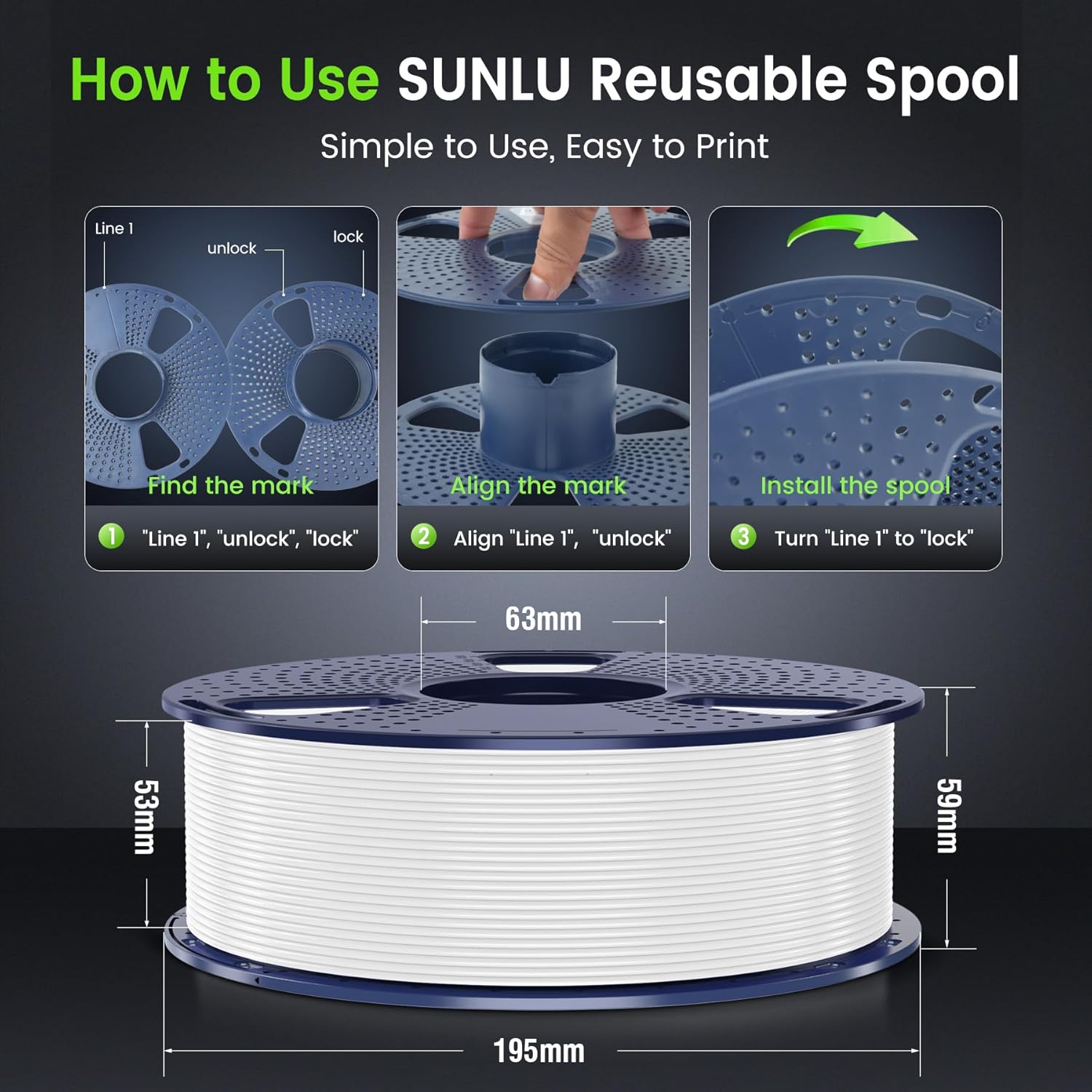
The spool design is another practical detail: SUNLU describes a self-developed neat winding device and a “100% neat rate” claim, with the goal of smoother feed performance. Even when a printer can handle messy filament, a clean spool is often what prevents the small annoyances from snowballing into failed prints.
Usage tips
SUNLU recommends these general settings to get the best results: nozzle temperature 200-230°C, bed temperature 50-65°C, and printing speed 50-100mm/s. That range is broad enough to cover many common PLA profiles, but it also means you’ll want to pick a starting point and then adjust.
A quick micro-scenario: if you’re printing a simple bracket or decorative piece, you might start toward the middle of the nozzle range (around the lower-to-mid portion of 200-230°C) and keep speed moderate (closer to the middle of 50-100mm/s). If you see weak layer bonding, bump nozzle temp slightly, if you see stringing, reduce speed or move toward the lower end of the temperature range.
Tech specs
- Name: SUNLU PLA 3D Printer Filament
- Type: PLA 3D printing filament (1.75mm)
- Format: Filament on a spool
- Capacity: 1kg spool (2.2lbs)
- Dimensional Accuracy: +/- 0.02 mm
- Color: Black
- Recommended nozzle temperature: 200-230°C
- Recommended bed temperature: 50-65°C
- Recommended printing speed: 50-100mm/s
Pros
Where it shines
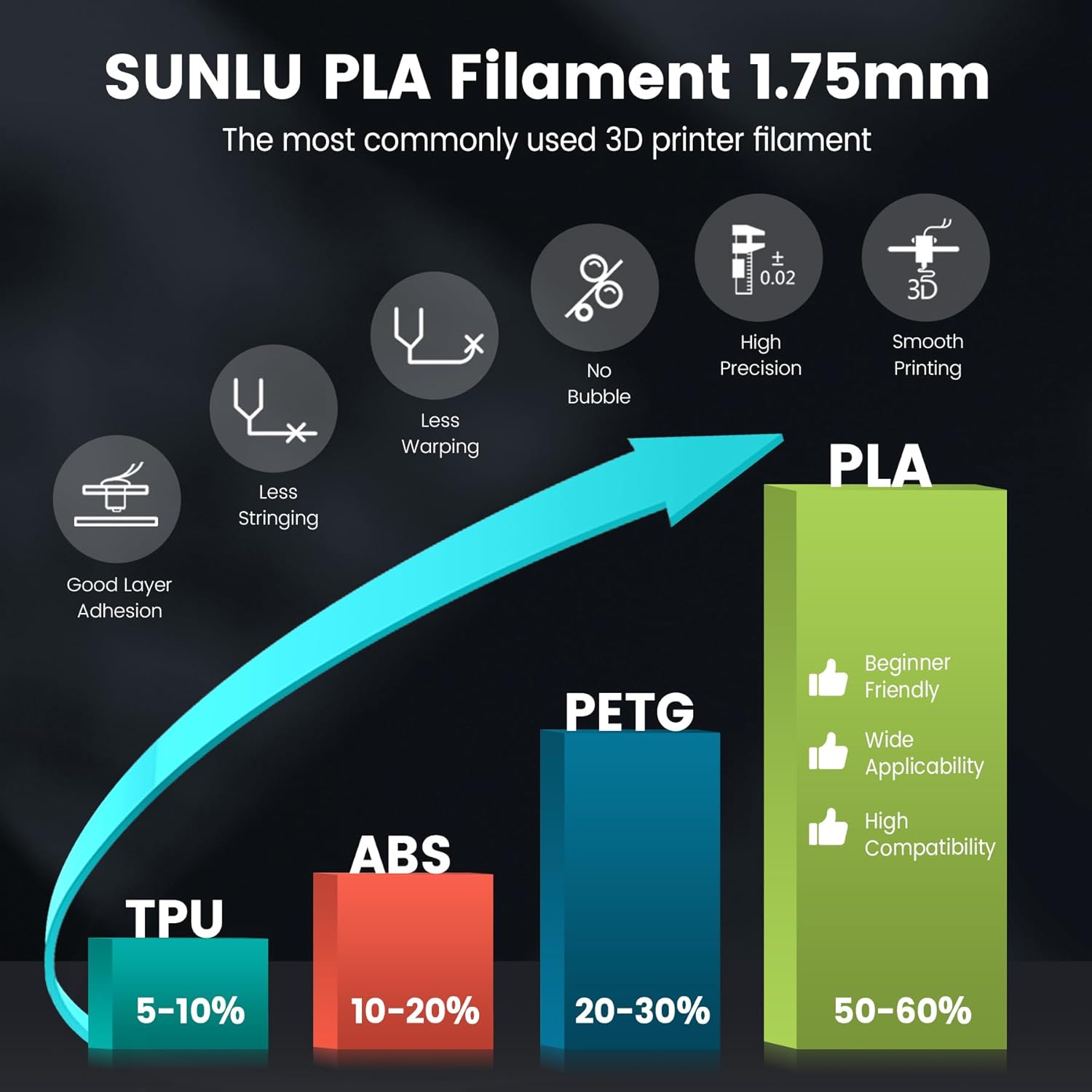
This is a solid fit if you want a dependable PLA filament for general-purpose FDM printing, especially if you’ve had tangling or feeding issues with other spools. The neatly wound approach is the kind of “small” thing that can make a noticeable difference for longer prints where filament has time to unwind and potentially snag.
It also makes sense if you’re trying to stay within mainstream 1.75mm compatibility and care about repeatability, since the filament’s dimensional accuracy is explicitly called out.
It may not suit you if
It might not be the best choice if you’re chasing ultra-premium material behavior (PLA can only go so far), or if your projects demand specialized performance beyond what PLA typically offers. Also, if you don’t plan to tune temperatures/speeds at all, the recommended ranges may require some experimentation—PLA is forgiving, but it isn’t “set-and-forget” for every printer.
Pros vs. alternatives (how to decide)
If your alternative approach is buying whatever filament looks available, SUNLU’s clearer claims (accuracy ± 0.02 mm, spool winding designed to prevent tangles) give you more confidence that the filament will behave consistently. If your alternative approach is premium filaments with more specialized properties, this will likely feel more mid-range than top-tier—good for everyday models, prototypes, and lots of “print and iterate” workflows.
¿Merece la pena?
Yes, it’s worth considering when you want an easy-to-run PLA filament with a focus on consistent diameter and a spool designed to help prevent tangles and jams. For most makers printing standard PLA-style parts, that’s the practical kind of value.

Just keep expectations realistic: you’re still buying PLA, and your print quality will depend on your printer, your slicer profile, and whether you start within the recommended temperature/speed ranges.
Mini FAQ
Questions people ask before buying PLA
1) Is this filament only for 1.75mm printers?
It’s specified as PLA filament 1.75mm, and it’s described as fitting most 1.75mm FDM 3D printers.
2) What temperatures should I start with?
SUNLU recommends a nozzle temperature of 200-230°C, a bed temperature of 50-65°C, and a printing speed of 50-100mm/s. Picking a middle value is a reasonable starting point.
3) Will the spool reduce tangles?
SUNLU states its winding device is designed to provide a neatly wound spool and reduce the risk of tangles and jams, but like any filament, results can still vary with your printer’s path and handling.
4) What does ± 0.02 mm accuracy mean for me?
It’s intended to support more consistent extrusion compared with filament that varies more in diameter, which can help with predictable layer output.
5) Is 1kg enough for typical projects?
It’s 1kg per spool (2.2lbs), so it’s a practical amount for ongoing printing rather than one-off experiments. If you only print occasionally, you may still want to compare with smaller spools available in your setup.