

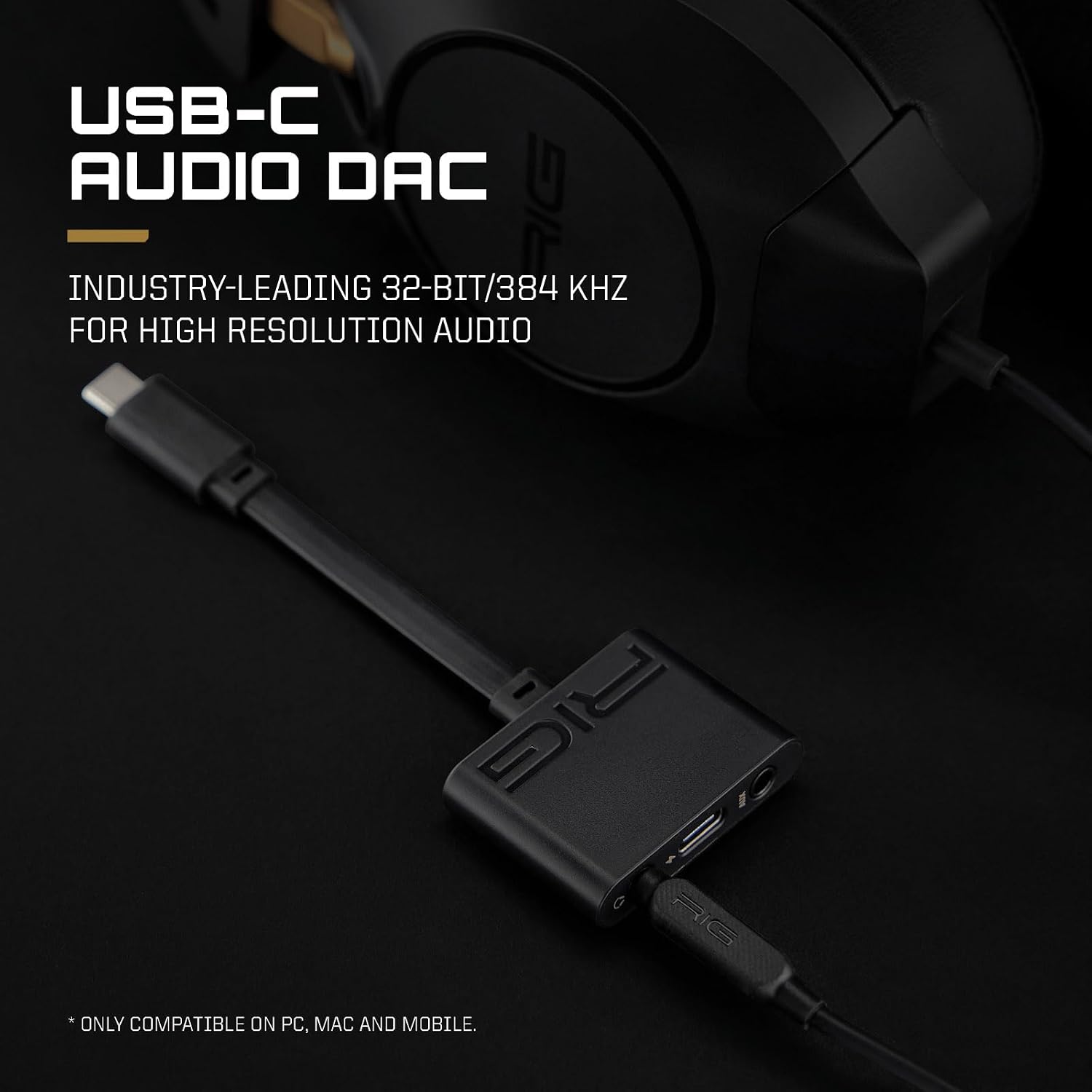
RIG R5 Spear MAX HD Wired Gaming Headset (40mm GrapheneQ drivers, Dolby Atmos, detachable mic)
Product description
What it is and why people buy it
The RIG R5 Spear MAX HD is a wired gaming headset aimed at PC players first, with support for PS5 and Xbox as well. On paper, it’s built around three buying priorities: more detailed game audio (so you catch footsteps and reload cues), 3D positioning via Dolby Atmos for Headphones, and a mic designed for broadcast-style clarity. If you mainly care about hearing competitive details—not just “good enough” sound—this is the kind of headset that tries to earn its spot.
Key points
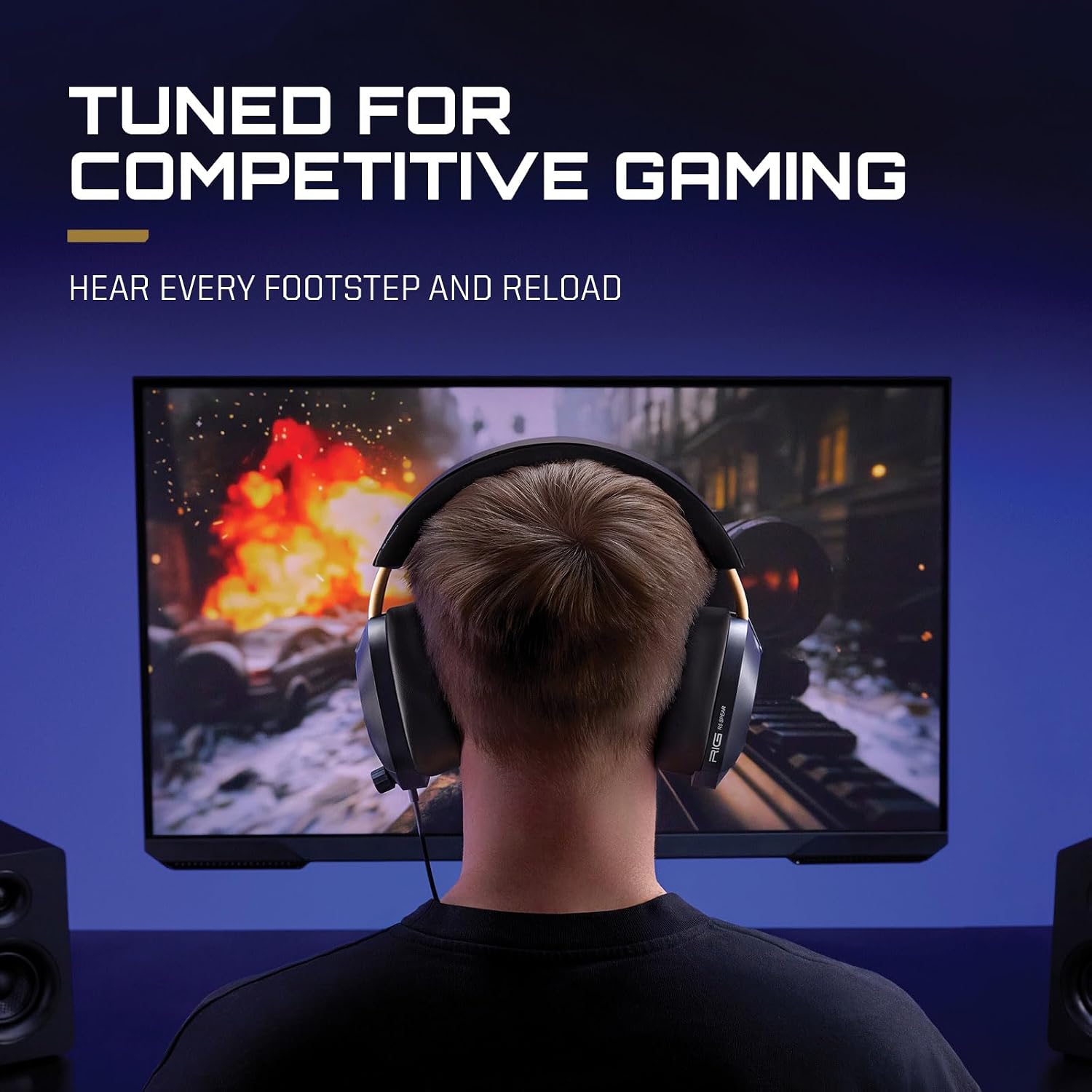
You’re getting 40mm GrapheneQ drivers, and the brand positions them for low harmonic distortion and a wide audio range (20 Hz–40 kHz). It’s also tuned with an R-SERIES sound signature that boosts the upper midrange, which is where a lot of gameplay-critical cues tend to live. The result, in the real world, is a headset that’s intended to make small audio details stand out—especially when you’re scanning the mix for direction and timing.
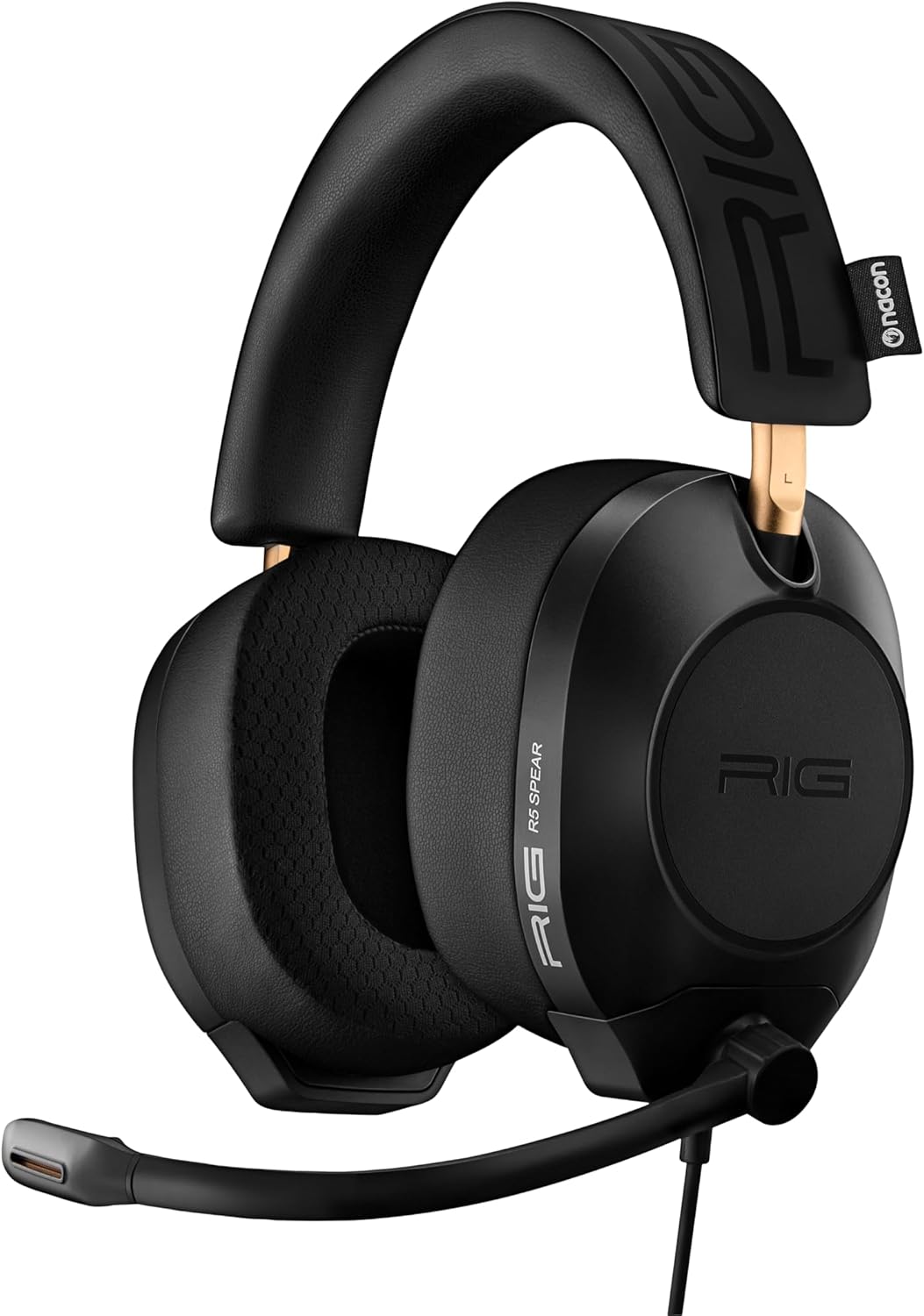
The Dolby Atmos angle matters too, but there’s an important condition: the enhanced 3D rendering unlocks when you connect the headset to the USB-C Audio DAC on compatible platforms (including Windows 10/11 PCs). If you’re planning to rely on Atmos specifically, you’ll want to confirm your setup matches those requirements.
And yes, it’s wired—so you’re trading wireless convenience for consistency, lower latency expectations, and a more “plug in and focus” experience.
What’s really useful day to day
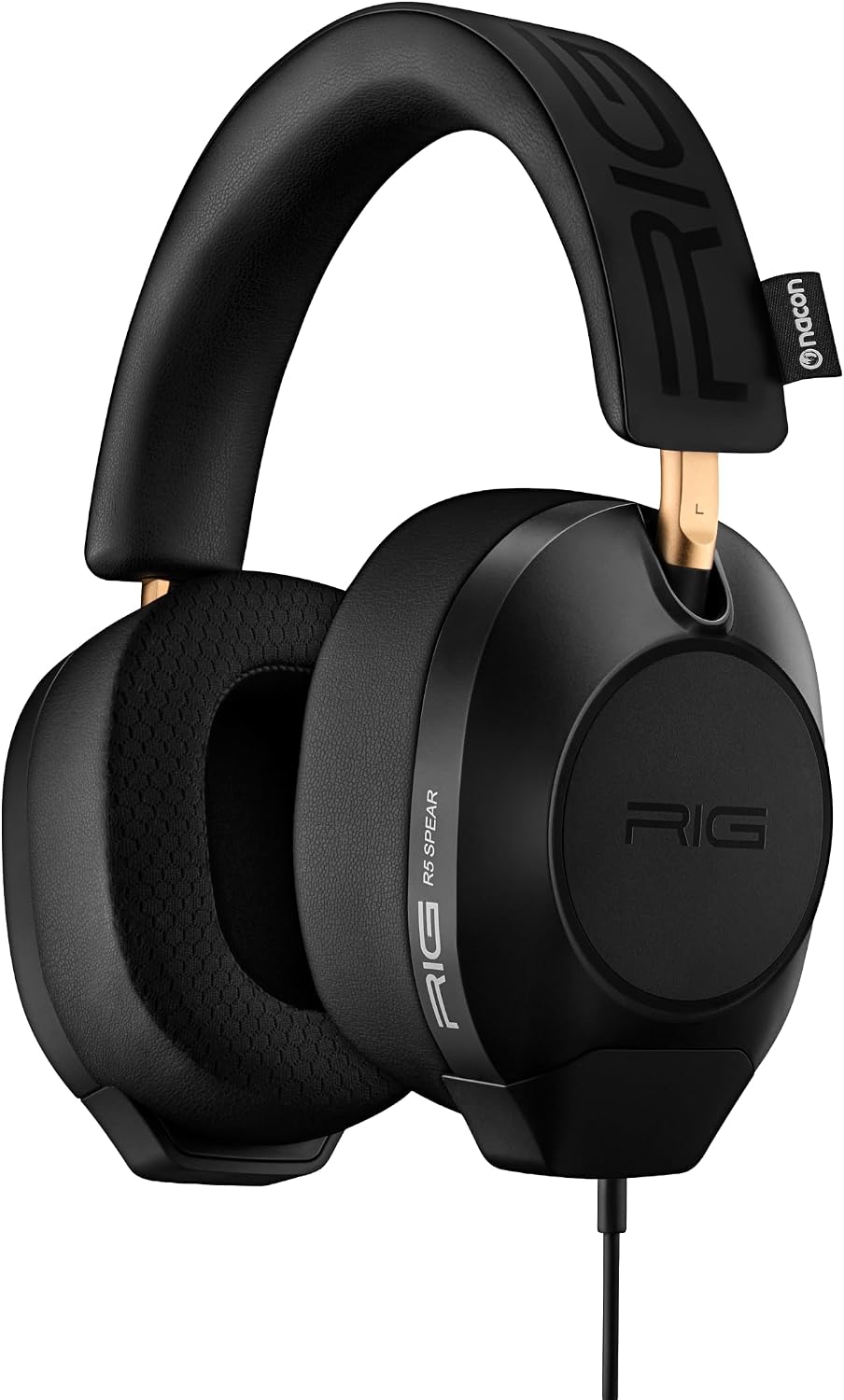
This headset leans competitive rather than purely “immersive.” With the upper-midrange boost, it’s designed so footsteps, reload sounds, and other fine-grain details show up more clearly in the mix. That’s a common difference between a headset that sounds fun in general and one that helps you win fights.
A practical example: imagine you’re playing a shooter with close-range footstep audio. With a sound signature tuned for those higher-mid details, you’re more likely to notice the timing and presence of steps earlier than you would with a more neutral tuning—especially during chaotic moments where low-end explosions can otherwise drown out small cues.
Tech specs
- Drivers: 40 mm GrapheneQ™ drivers
- Harmonic distortion: less than 0.3%
- Frequency response: 20 Hz – 40 kHz
- Dolby audio: Dolby Atmos for Headphones (requires USB-C Audio DAC connection)
- Microphone: 6 mm unidirectional detachable mic
- Microphone frequency range: 50 Hz – 15 kHz
- DAC connection: USB-C Audio DAC
- Dedicated feature: USB-C DAC auxiliary audio input for a second audio source
- Compatibility note: Dolby Atmos enhanced 3D rendering is not compatible with Xbox consoles (per the provided info)
- Ear cushions: memory foam
- Audio connections: includes 3.5mm (plus USB-C Audio DAC for the described DAC features)
Where it shines (and where it may fall short)

Where it shines is in the combo of “competitive tuning + USB-C DAC features.” If your setup is on PC or mobile and you’re looking to get the most out of the USB-C Audio DAC, this headset has a clear path to better separation and more detailed reproduction, including the brand’s claimed 32-bit / 384 kHz audio resolution (noted as available only on PC or mobile platforms).
That said, it may not suit everyone. The Dolby Atmos unlock is tied to USB-C DAC use and compatible platforms, and the information you provided says it’s not compatible with Xbox consoles for the enhanced 3D rendering. So if you’re primarily on Xbox and want Dolby Atmos specifically in the way described, you may feel limited.
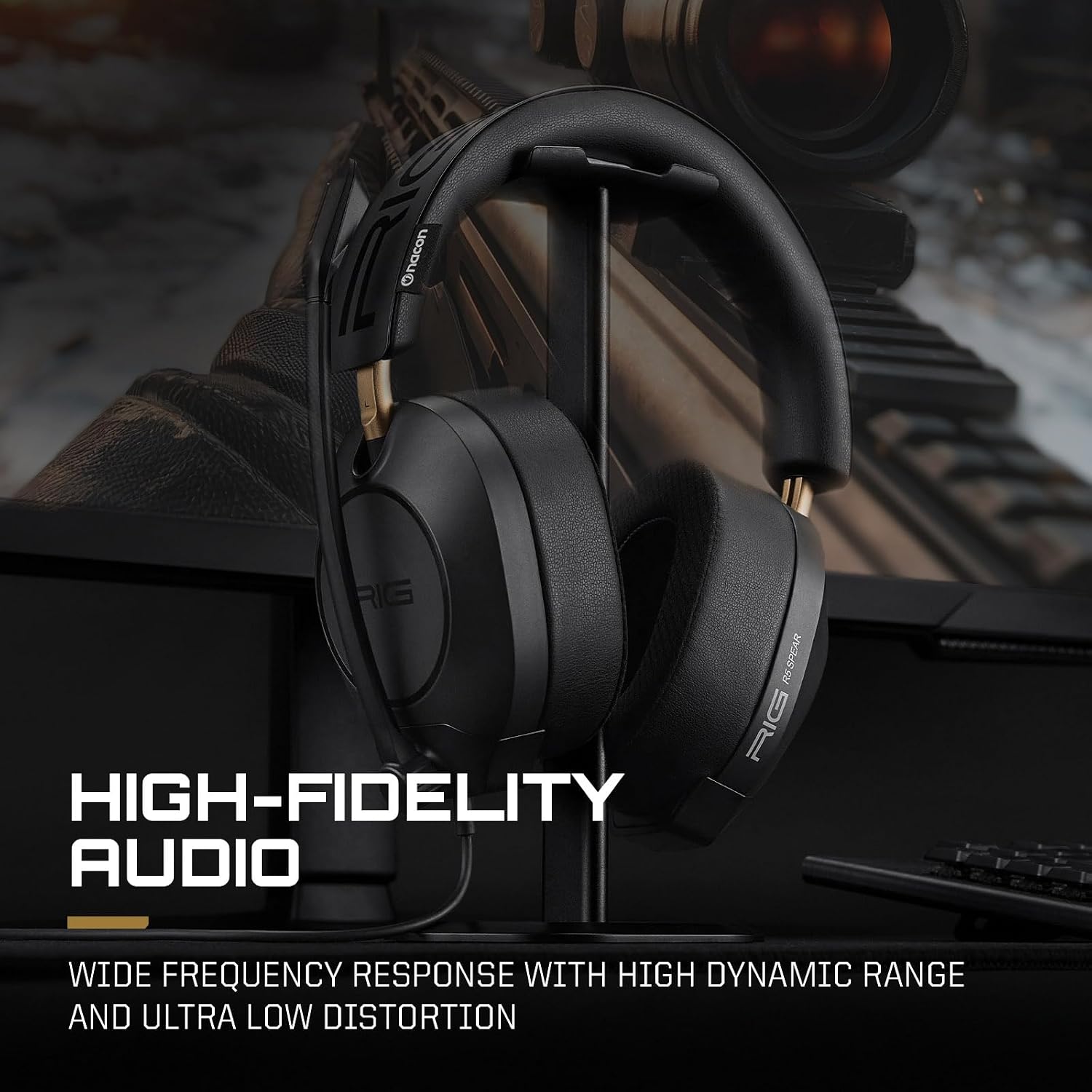
Also, because it’s wired and designed around a DAC pathway, it’s not the most “grab-and-go” option if you prefer wireless setups.
Compatibility & setup considerations
Before buying, it’s worth thinking through how you’ll actually plug it in. The USB-C Audio DAC seems to be the key to unlocking the enhanced Dolby Atmos 3D rendering on compatible platforms (including Windows 10/11 PCs), and it also powers the high-resolution DAC behavior described. If you’re planning to use it on Xbox consoles, the provided info suggests the Dolby Atmos enhanced 3D rendering path won’t be there.
If you want monitoring while gaming (like alerts or notifications), the dedicated audio hub concept matters: the USB-C DAC’s auxiliary audio input is intended for adding a second audio source. If you don’t need that kind of workflow, you might not feel the difference as much.
Is it worth it?
It’s a solid pick if you’re shopping for a wired competitive gaming headset and you’ll use it on PC (Windows 10/11) or mobile, where the USB-C Audio DAC can unlock the described Dolby Atmos for Headphones behavior and the high-resolution DAC features. The upper-midrange tuning plus the GrapheneQ driver approach is clearly aimed at making game-critical cues easier to pick out.
You may want to skip it if your main priority is Dolby Atmos enhanced 3D rendering on Xbox consoles, since the provided information says it isn’t compatible with Xbox consoles for that feature path. And if you want a wireless-first experience, the wired design (and DAC setup) can feel like extra friction.

Mini FAQ
FAQ
Does Dolby Atmos require the USB-C Audio DAC? According to the provided info, enhanced 3D audio rendering by Dolby via Atmos is unlocked when connected to the USB-C Audio DAC on compatible platforms.
Is the DAC feature available everywhere? The provided details specify the USB-C DAC’s 32-bit / 384 kHz audio resolution is only available on PC or mobile platforms.
What kind of microphone is included? It includes a 6 mm unidirectional detachable microphone with a 50 Hz–15 kHz frequency range.
Is this headset good for competitive audio? The brand tunes the sound signature with an upper-midrange boost to highlight game-critical details like footsteps and reloads.
Can I connect a second audio source? The USB-C DAC includes an auxiliary audio input intended for connecting a second audio source for monitoring alerts or notifications.