

QAUYYW Emergency Weather Radio NOAA AM/FM
Product description
This crank-powered emergency weather radio combines NOAA weather band reception, multiple light sources and a large rechargeable battery to keep you informed and illuminated during storms and power outages. It offers AM/FM reception, a USB output for charging phones and several charging modes to stay operational when conventional power is not available.
Key Points
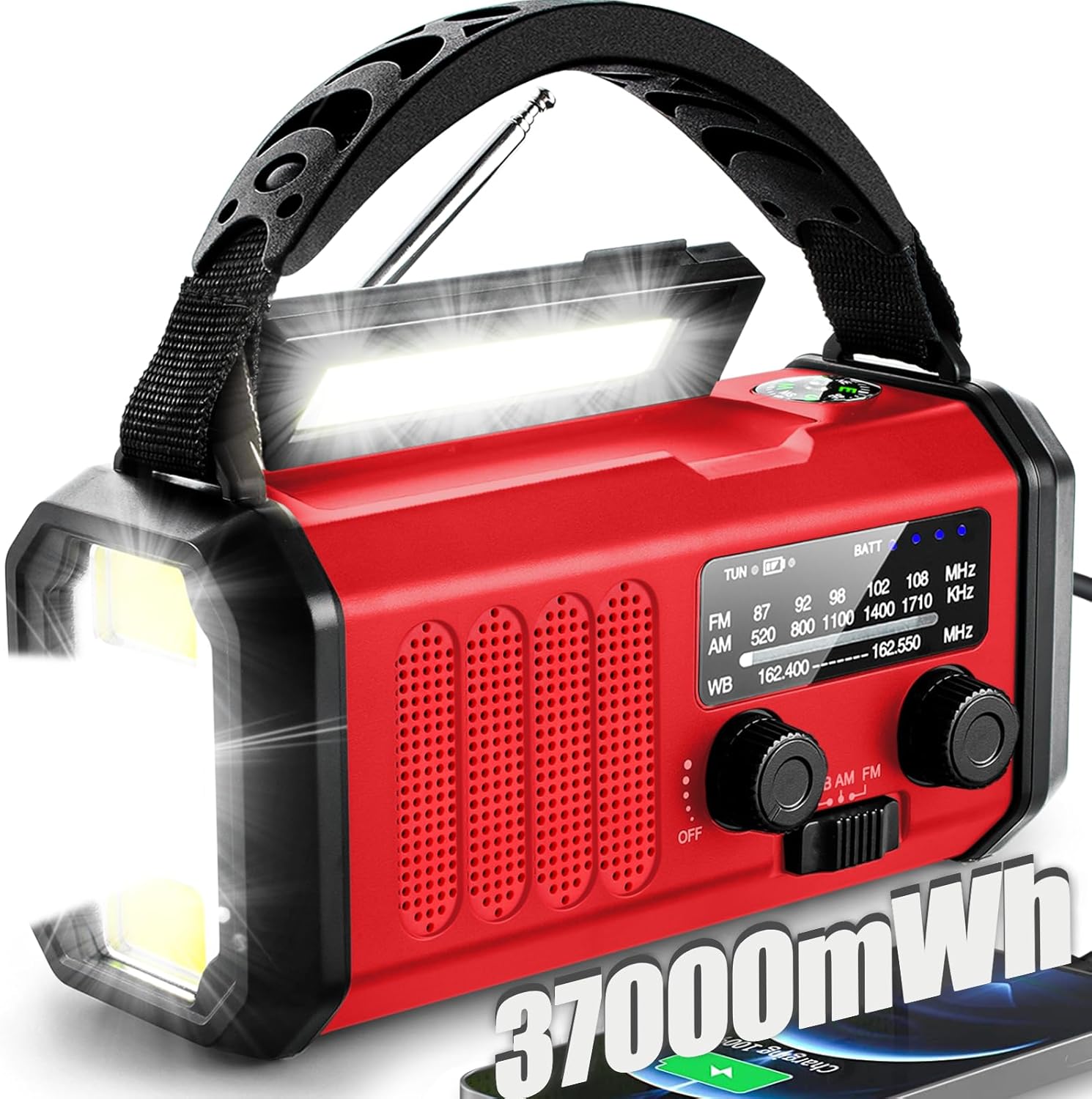
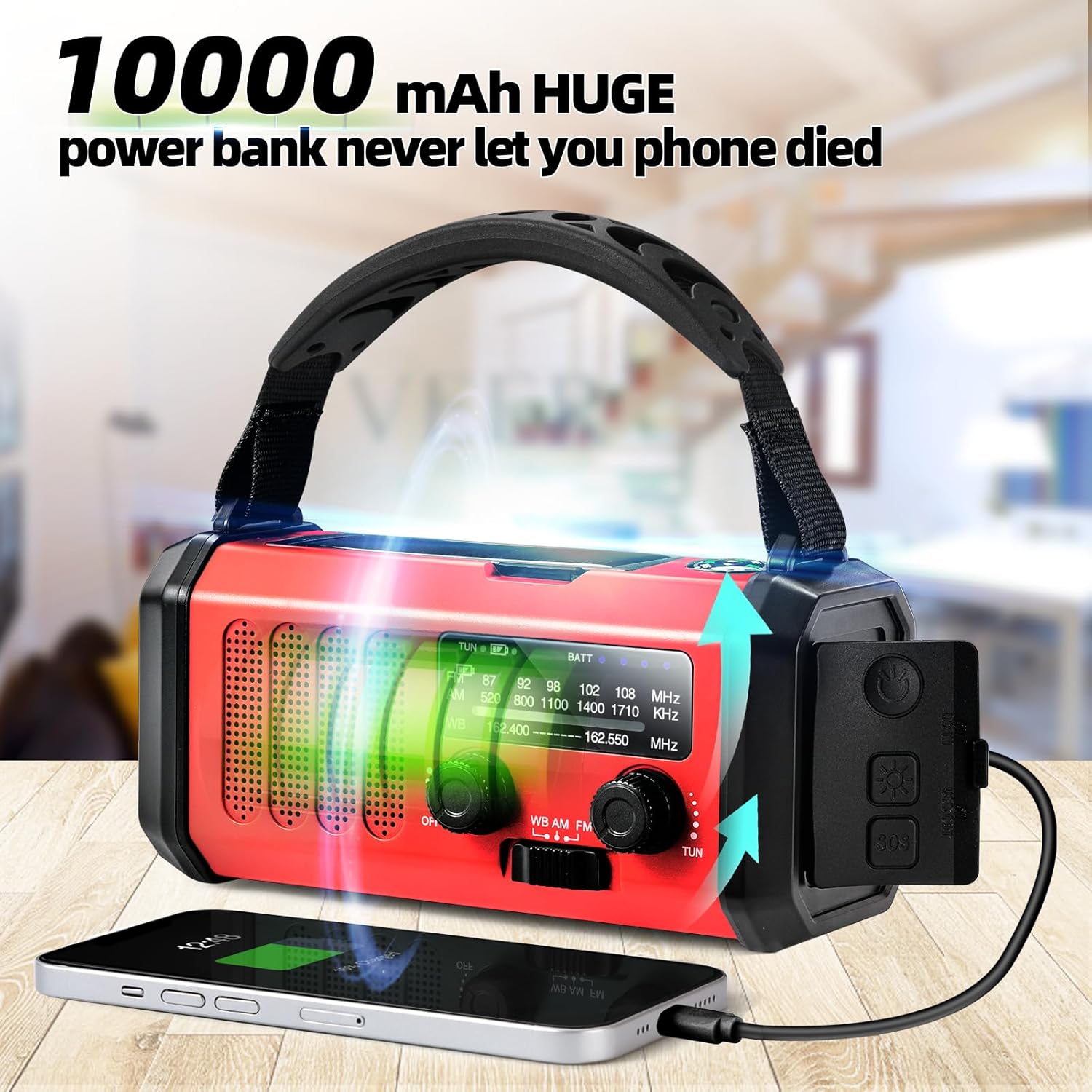
This compact radio includes a high-capacity 37,000 mWh rechargeable battery that supports long runtimes and can charge a mobile phone through the built-in USB output. It can play radio for up to 25 hours on a single charge, run the reading lamp for around 30 hours, or power the flashlight for about 40 hours at medium brightness, according to the manufacturer. ⚡
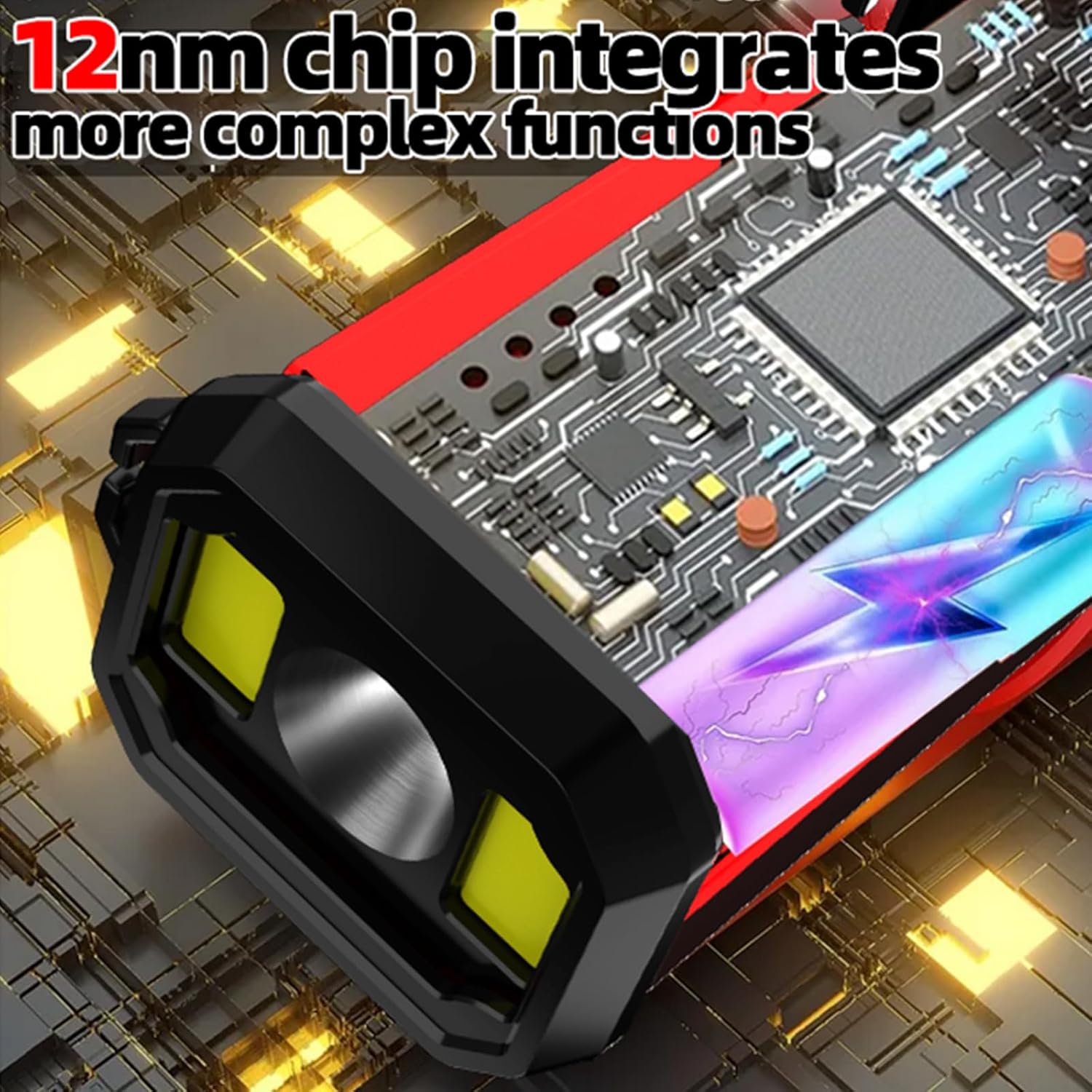
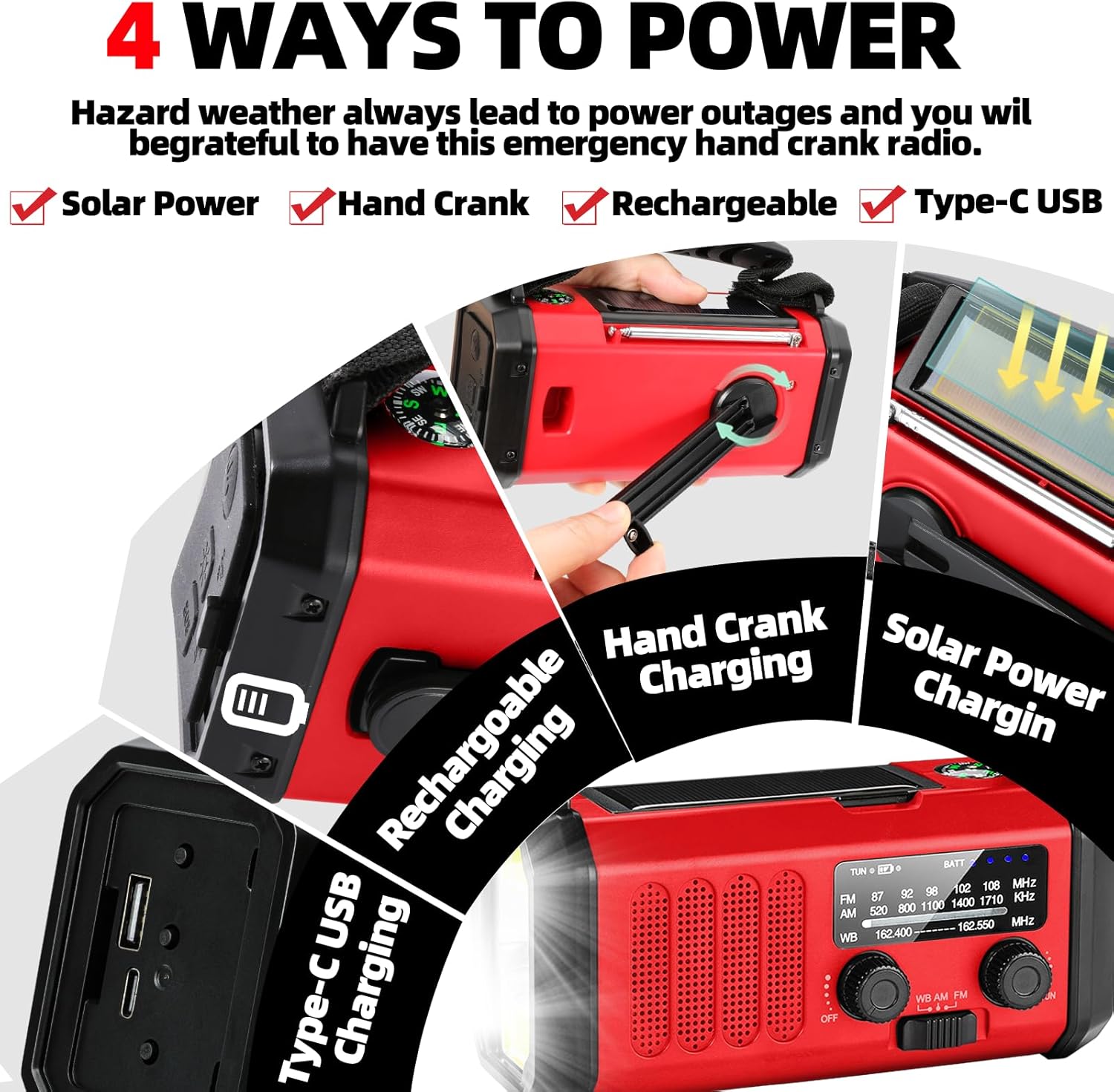
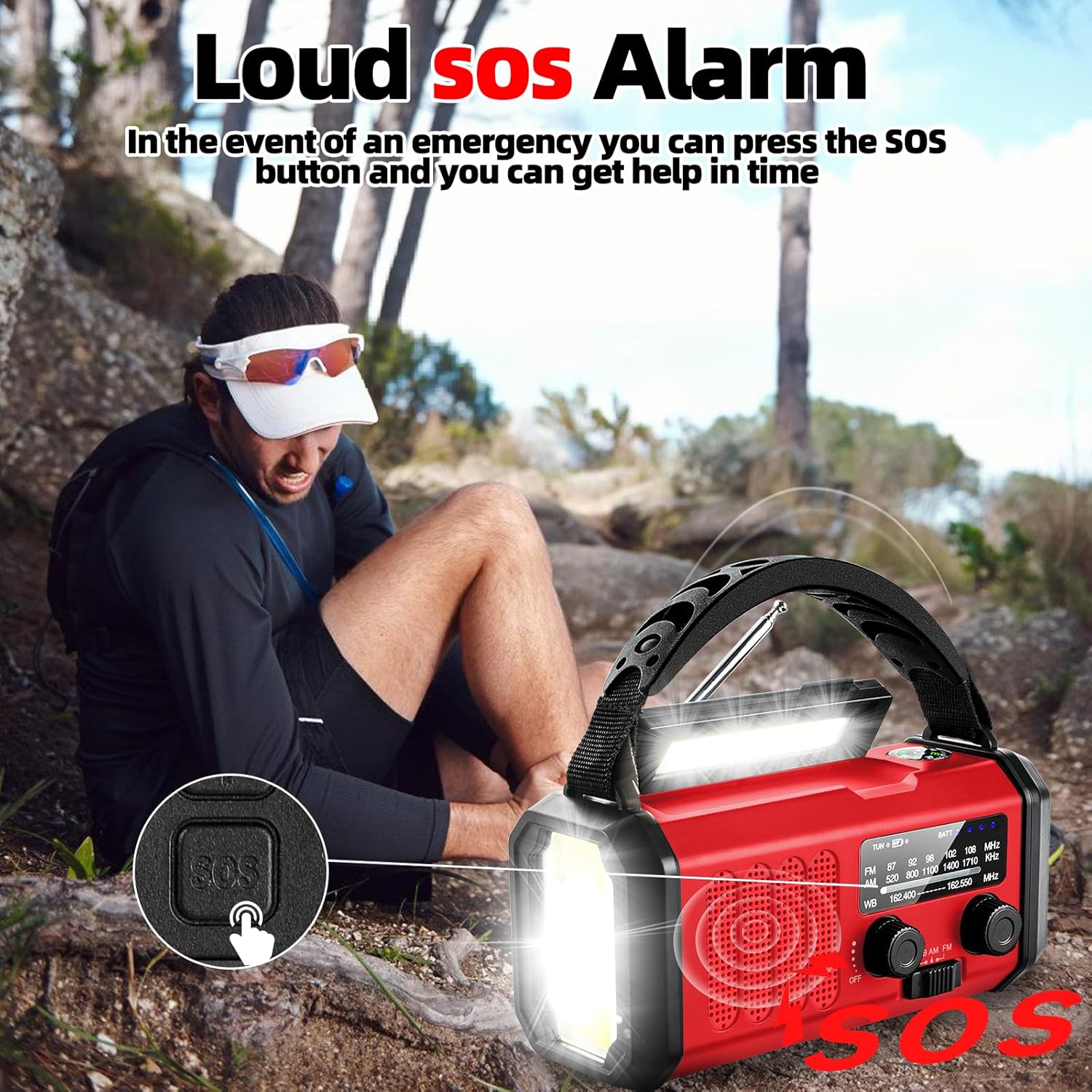
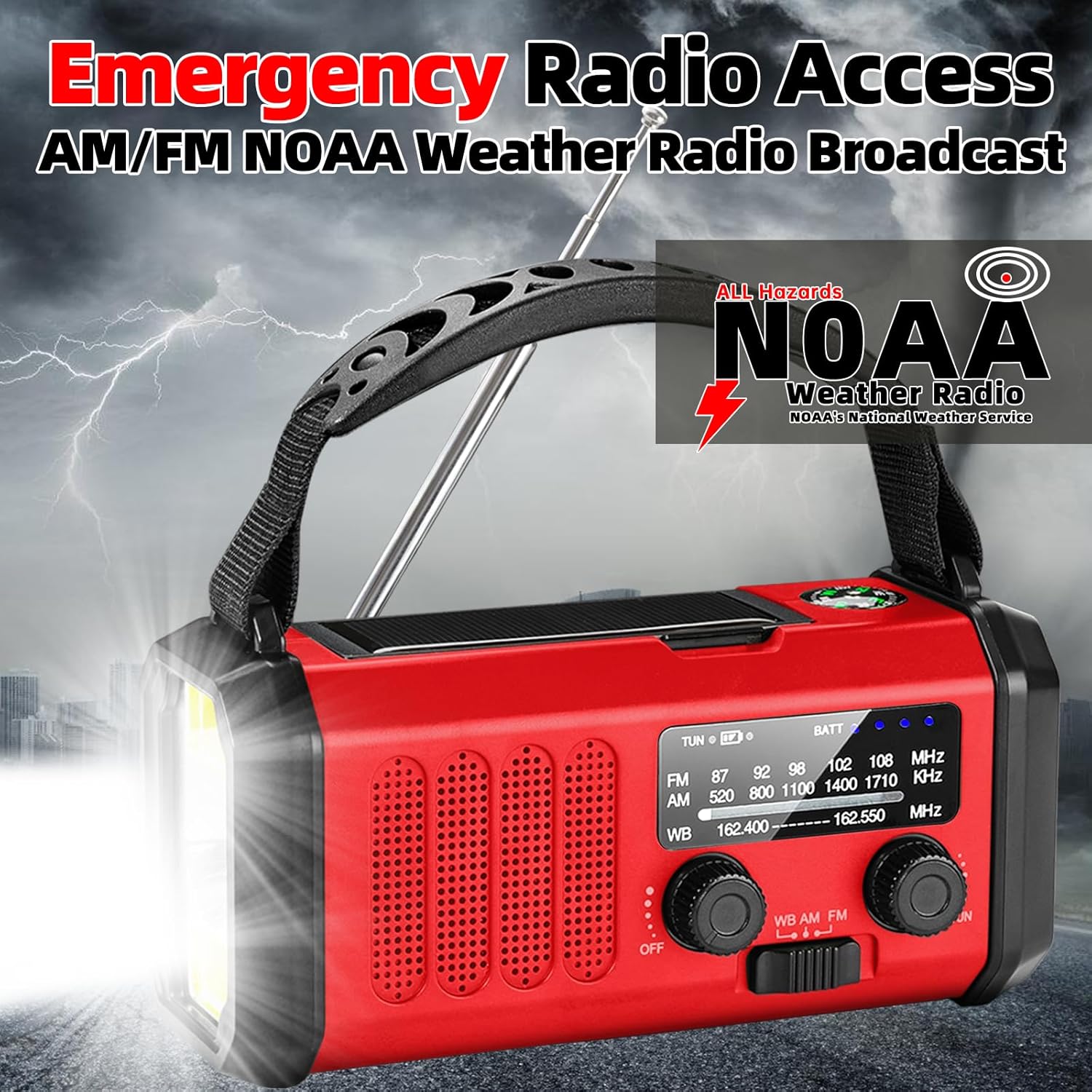
Emergency-ready features include NOAA weather band coverage for up-to-date alerts, a loud SOS siren and a flashing beacon to draw attention in rescue situations. The unit also has a hand crank and solar charging for off-grid power, making it useful during hurricanes, storms and other natural disasters. 🔦
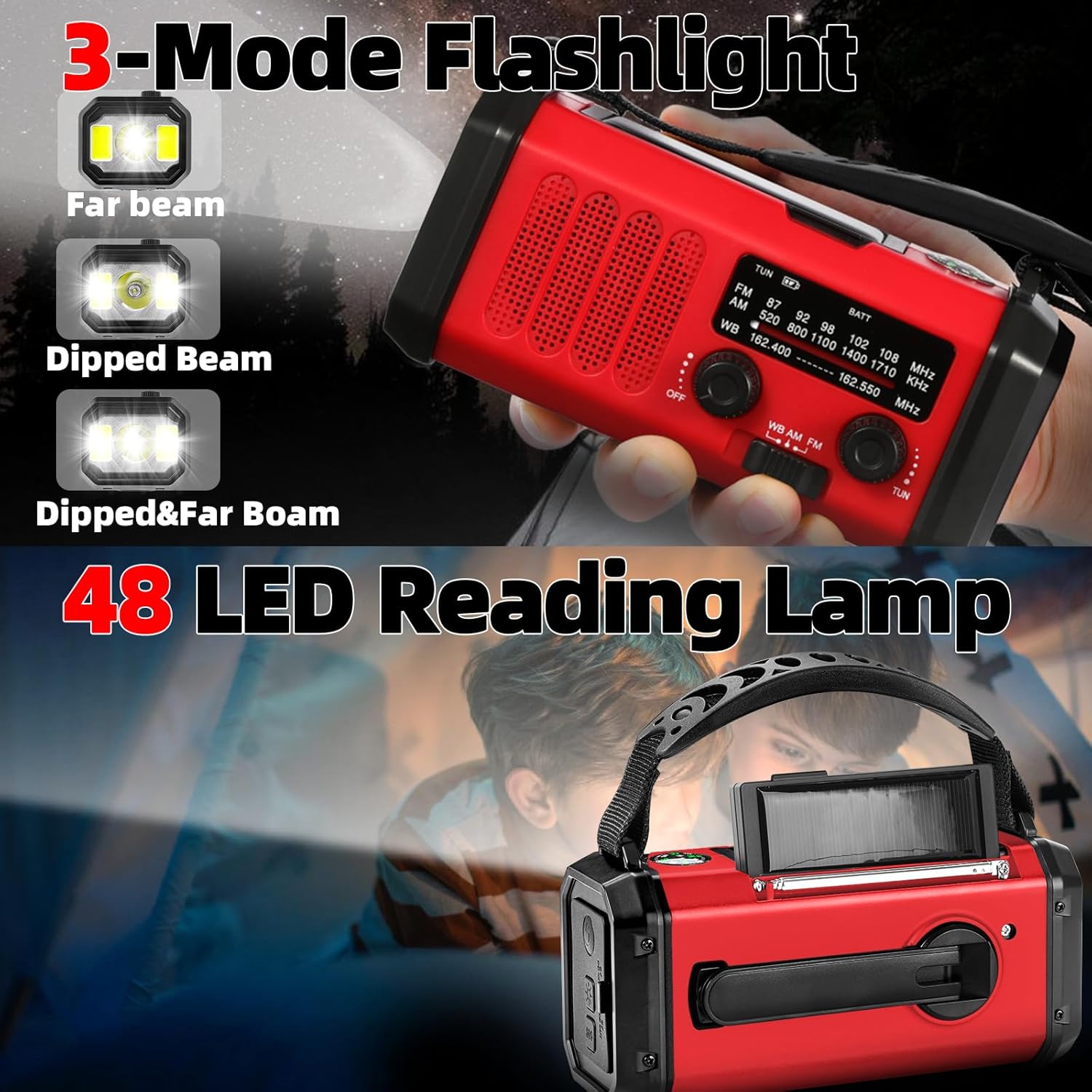
The device is lightweight and portable with a wrist strap and built-in compass to help when you are outdoors. Sound reproduction is clear for spoken weather updates and AM/FM broadcasts, and the separate reading lamp with 48 LEDs helps light a small room or a campsite. 📻
Technical Specifications
- Name: QAUYYW emergency radio
- Battery capacity: 37,000 mWh
- Radio bands: AM 520-1710 kHz, FM 87-108 MHz, NOAA 162.400-162.550 MHz
- Light output: 3 W flashlight and LED reading lamp with 48 LEDs
- Charging modes: USB Type-C input, hand crank, solar panel, USB output for phone charging
Usage Recommendations
Use the hand crank or solar panels to top up charge if mains power is unavailable. For continuous weather monitoring, leave the NOAA band tuned overnight and set volume at a comfortable level so alerts remain audible. Consider that heavy use of the flashlight at maximum brightness will reduce overall runtime compared with the medium setting; using the reading lamp for prolonged illumination is more energy efficient.
If you plan extended off-grid trips, bring a spare USB cable for phone charging and check the compass orientation before night navigation. The radio offers a balance between communications, lighting and portable charging in one unit, and it can serve as a practical component of a basic emergency kit.