


Philips Fidelio X3 Professional Studio Monitor Headphones (Open-Back, Wired)
Reviews
Price
Product description
The essentials
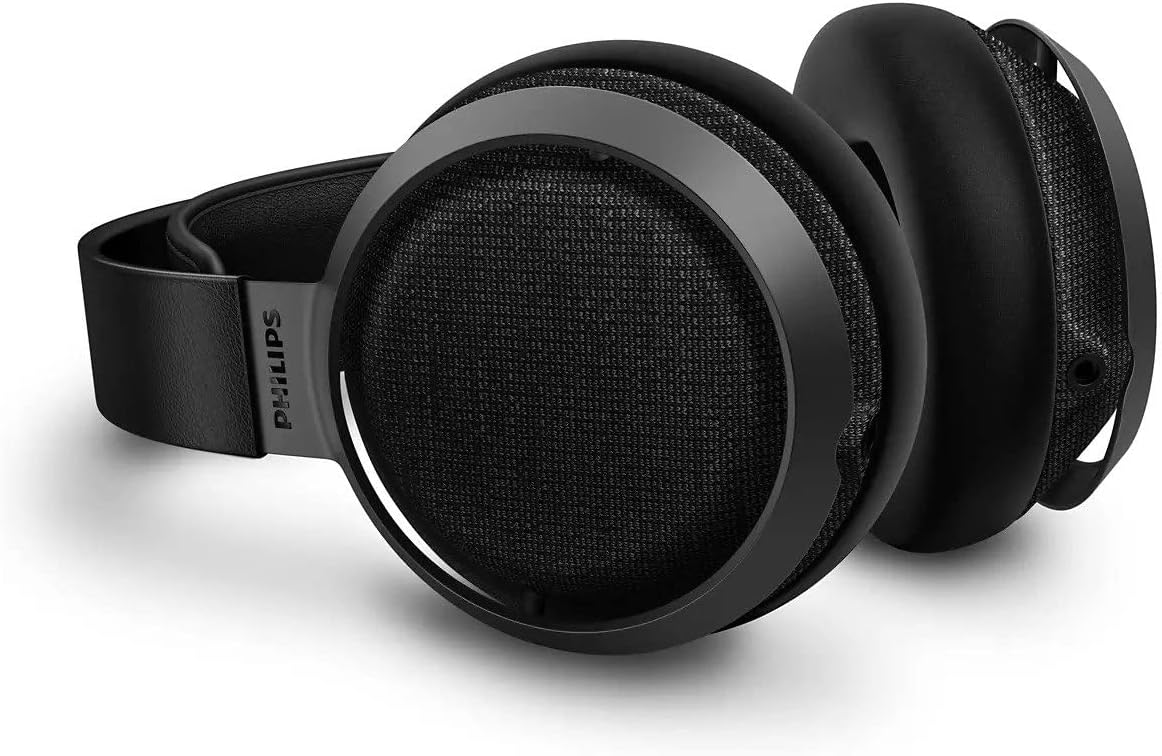
Philips Fidelio X3 are wired, over-ear open-back studio monitor headphones built for recording, mixing, and serious listening. The headline claim here is a “wide, natural soundstage” with a sound that’s tuned to avoid sounding overly colored. In practice, that matters when you’re trying to hear depth, balance, and detail rather than just loudness.
They’re built around 50mm multi-layer polymer diaphragms with dampening gel, aiming for detailed highs, a full midrange, and bass that hits without dominating the mix. Add Hi-Res Audio certification on top of that, and the pitch becomes pretty clear: if your source is capable, you’re meant to hear more micro-detail—think reverb tails, texture in vocals, and the difference between tight and boomy low end.
What’s really going on with the sound
Open-back design is a big part of the X3’s personality. Because it eliminates air pressure build-up behind the diaphragm, you get an immersive, spacious presentation. The soundstage is also supported by acoustically transparent Kvadrat speaker fabric, which is the kind of detail you usually only see on headphones that care about how the driver breathes and projects.

Is it perfect for every mix situation? Not necessarily. Open-back headphones can leak sound and don’t behave like closed-backs when you’re in noisy spaces. If you need isolation for tracking in a loud room, these might feel like the wrong tool.
Still, for home studios, desk mixing, and “listen like you mean it” sessions, the wide natural staging can make it easier to judge placement and tonal balance.
Design and day-to-day comfort
Comfort is not just padding—it’s how the whole headband and clamp feel over time. The X3 uses a black Muirhead Scottish leather covering on the headband, described as responsibly sourced. That’s a nice touch for people who wear headphones for hours and want a premium feel rather than something purely utilitarian.

On the hardware side, you get detachable balanced and unbalanced 3 m oxygen-free cables included. Balanced can be useful if your headphone amp supports it, while unbalanced is the simpler path when you just want to plug into everyday devices.
Worth noting: this is wired, so if your workflow depends on wireless freedom, you’ll need to plan around cables.
Key points
You’re looking at a wired open-back studio headset meant to deliver a natural, detailed presentation rather than an aggressively boosted listening curve. The 50mm multi-layer diaphragms with dampening gel are designed to keep highs detailed and mids smooth, while bass is presented as impactful but controlled.
On top of the sound approach, the included detachable balanced/unbalanced cables give you flexibility depending on what your setup supports. The Kvadrat fabric and open-back staging suggest they’re focused on spaciousness—helpful when you’re trying to hear how elements sit in a mix.
Tech specs

- Name: Philips Fidelio X3 Professional Studio Monitor Headphones (Open-Back)
- Type: Wired over-the-ear open-back studio monitor headphones
- Diaphragm: 50mm multi-layer polymer with dampening gel
- Audio certification: Hi-Res Audio certified
- Design detail: Kvadrat acoustically transparent speaker fabric
- Inputs: Balanced and unbalanced
- Cable(s): Detachable balanced and unbalanced 3 m oxygen-free cables included
Should you buy it?
It makes sense if you’re building or upgrading a home recording/mixing setup and you value a wide, natural soundstage with detailed highs and smooth mids. These feel especially aimed at people who already have (or plan to use) a high-resolution source and want wired performance that prioritizes how music and mixes “space out,” not just how loud they get.
You may want to skip the X3 if you need isolation from your environment, since open-back headphones aren’t designed for quiet, outside-the-booth tracking. Also, if you’re looking for wireless convenience, the wired-only approach will likely be a pain point.
When you do have a calmer listening environment and a capable source/amp, the Philips Fidelio X3’s tuning philosophy—wide staging, controlled bass, and clarity on highs—can be a satisfying step up for mixing sessions and detailed listening.
Quick overview
If you’re doing a typical workflow like editing vocal takes and checking reverb balance, the open, spacious character can help you hear whether the tail feels integrated or too forward. Pair that with the stated detailed highs and smoother midrange, and it’s easier to notice small EQ mistakes without relying purely on guesswork.
When it matters most: limits and what to check
Before buying, check your source and amplification plan. The headphones support balanced and unbalanced connections, but the best experience depends on whether your amp or device actually benefits from balanced output. Also consider your listening environment—open-back means you’re giving up isolation for the sake of soundstage.
And if your priority is maximum low-end slam above everything else, these are described as impactful bass “without overpowering,” so people who chase heavy, bass-forward tuning might find them less aggressive than they expect.

Final verdict
FAQ

1) Are the Philips Fidelio X3 headphones good for mixing and recording?
They’re positioned as studio monitor headphones with an open-back design and a natural, uncolored soundstage approach. Over the set of provided details, they’re most aligned with mixing and recording workflows where you want detail and depth rather than isolation.
2) Do they work with both headphone amps and everyday devices?
Yes—balanced and unbalanced inputs are mentioned, and unbalanced use is described as ready for phones and mobile devices. The included detachable cables support that flexibility.
3) What’s the advantage of the open-back design?
The open-back setup is described as reducing air pressure build-up behind the diaphragms, which supports an immersive, spacious sound. The trade-off is that they’re not meant to block outside noise.
4) Are they truly Hi-Res?
They’re described as Hi-Res Audio certified. If you connect them to a high-resolution source (as suggested in the description), you’re aiming to hear more of the intended detail.
5) Do they include cables?
Yes. Detachable balanced and unbalanced 3 m oxygen-free cables are included.