

OWLTRA OW-2 Electric Mouse Trap 2-pack 🐭
Product description
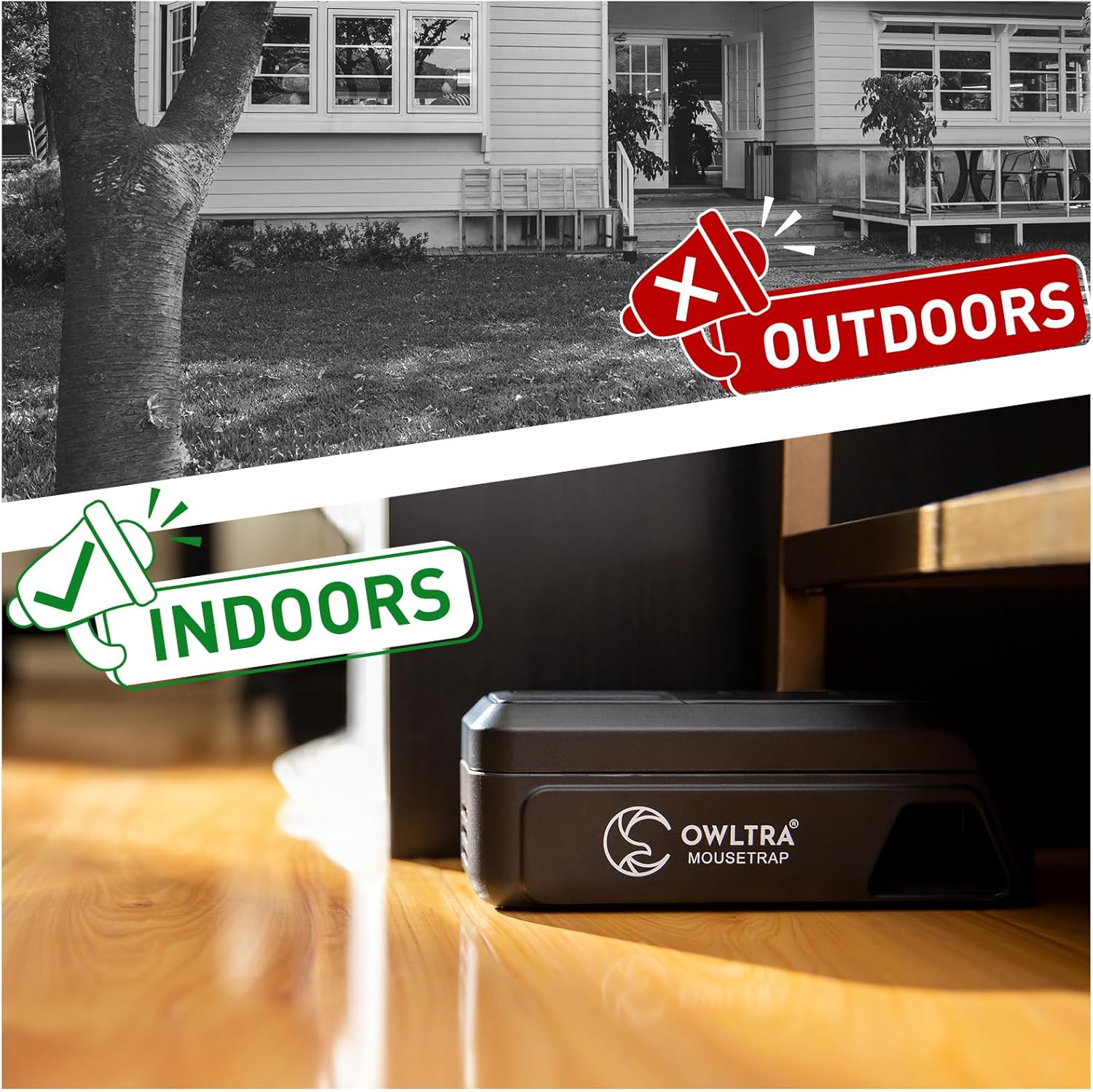
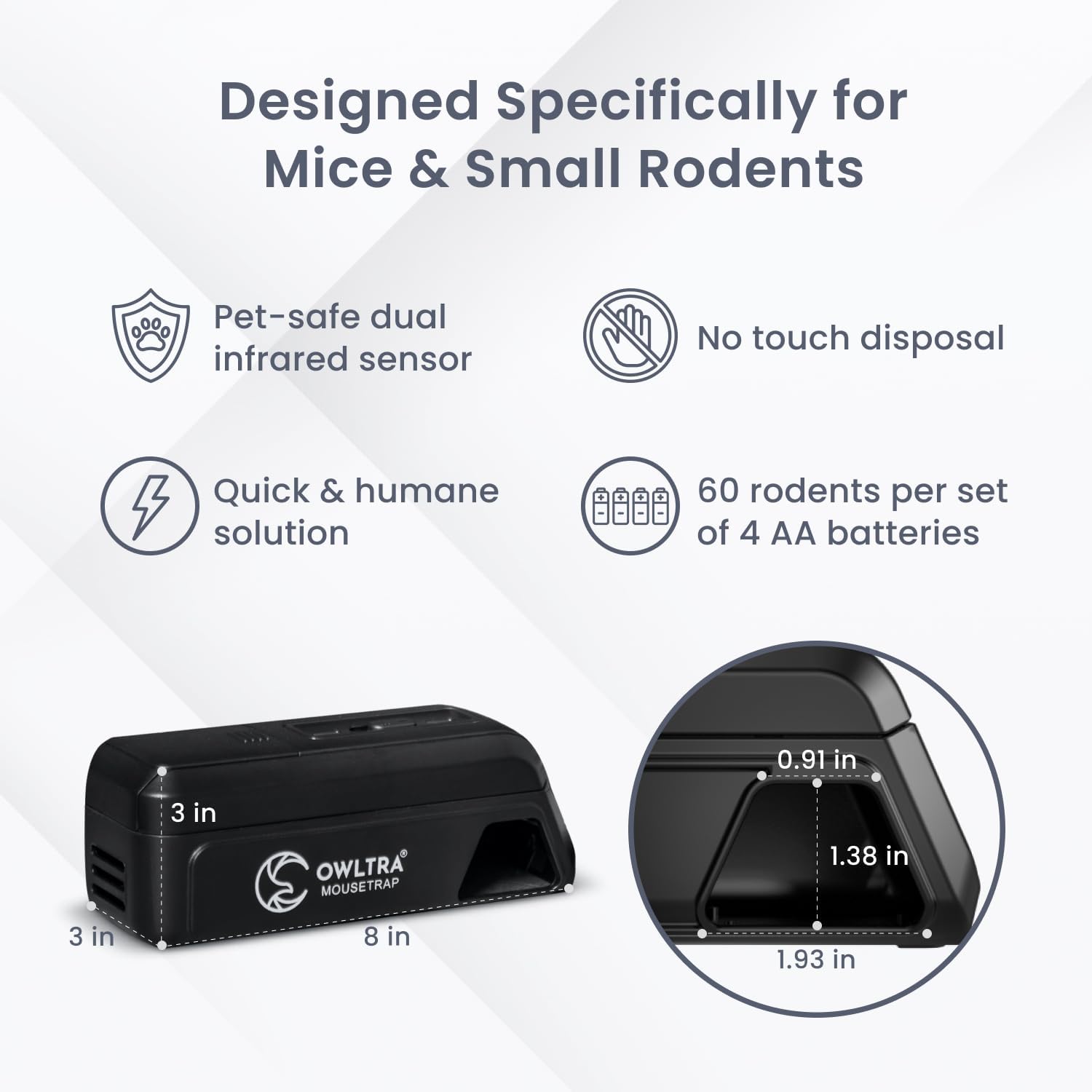
This indoor electric mouse trap from OWLTRA offers a compact, low-contact way to eliminate rodents quickly while reducing exposure to poison. Using a baited side entrance and an infrared sensor, the unit activates only when a rodent is inside, delivering a high-voltage shock to stop pests fast and simplify cleanup.
Key Points
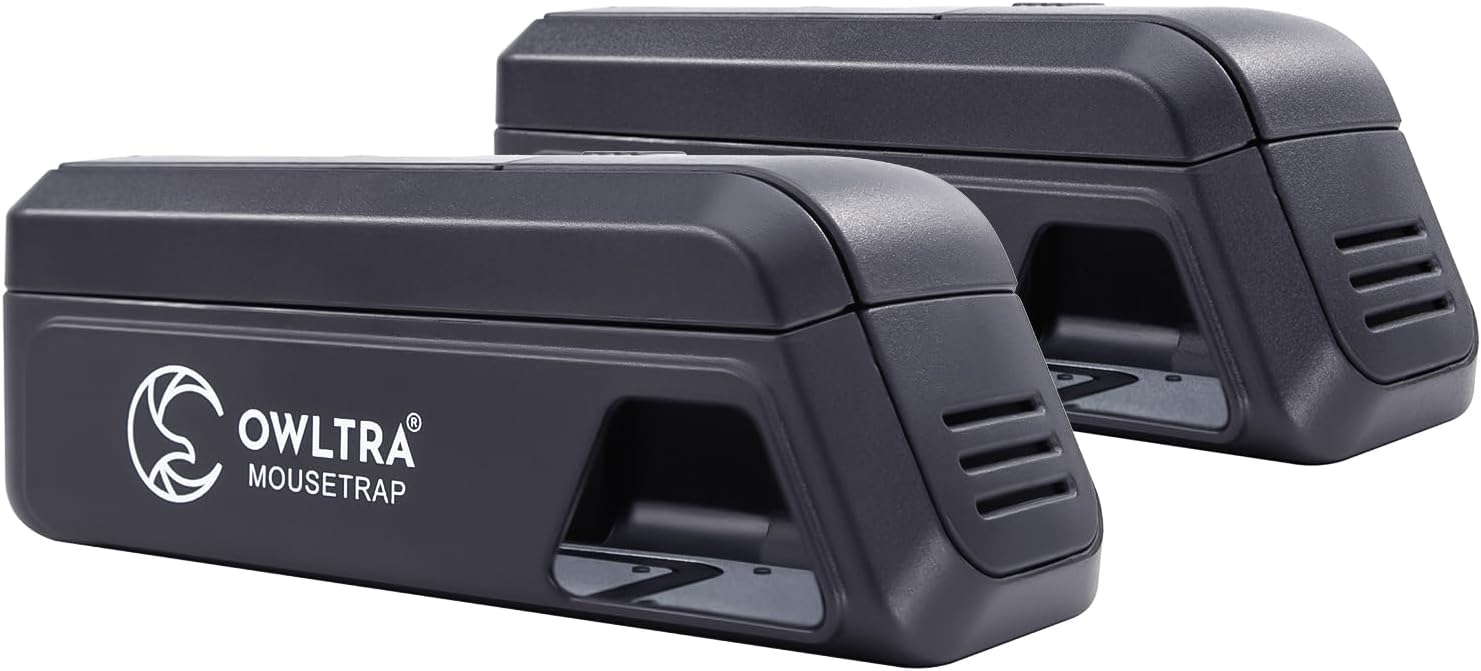
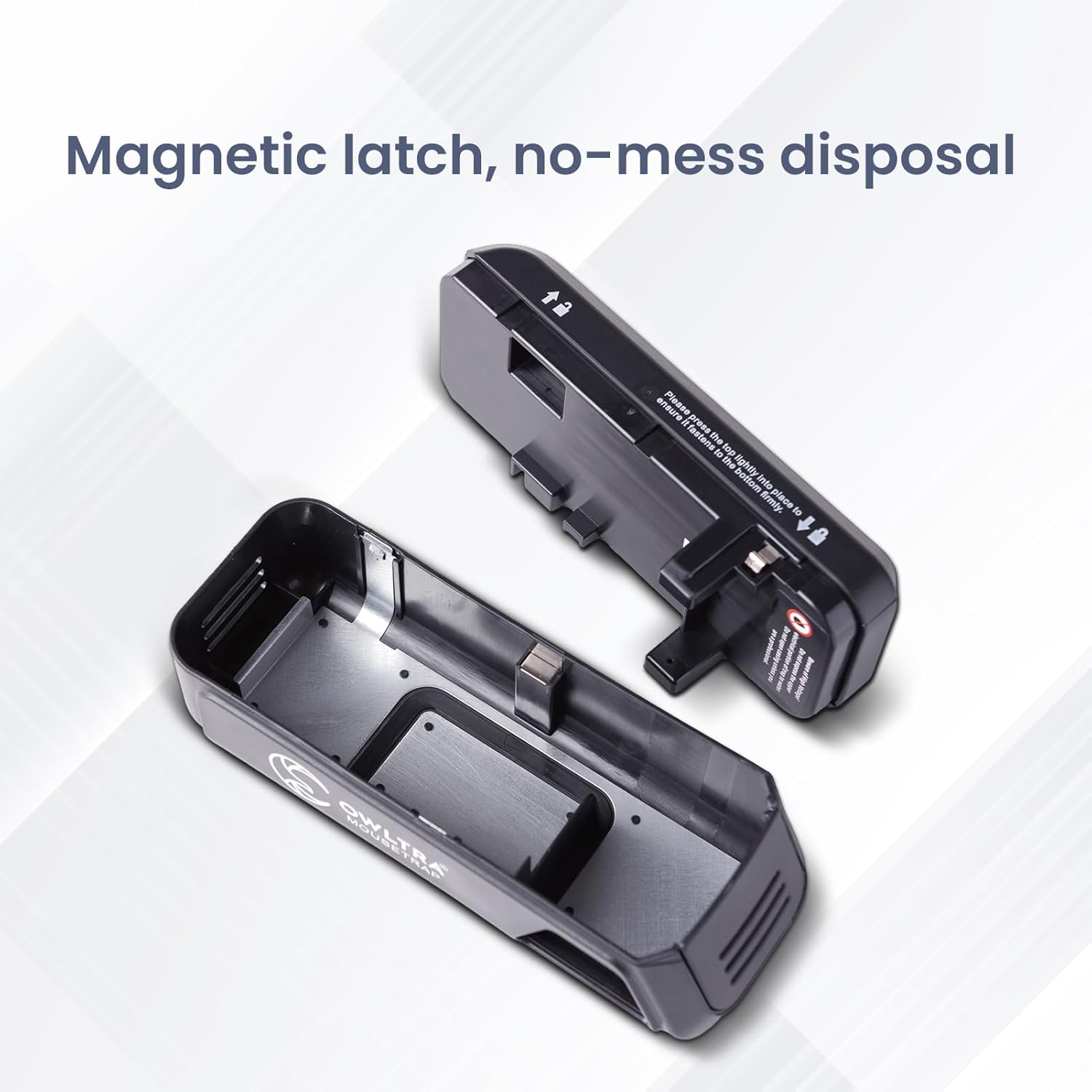
The trap uses an infrared sensor and a side-entry design to minimize false activations and to keep children and pets safer during normal household use. It includes magnetic closures that let you remove the top without direct contact, and the device automatically disables when opened so you can dispose of the rodent without touching it. The manufacturer notes a Quick Zap system that delivers what they describe as humane, instantaneous kills with no messy handling. 🐭⚡
Technical Specifications
- Name: OWLTRA OW-2 Indoor Electric Mouse Trap 2 PCS
- Power source: 4 x AA batteries
- Voltage output: 6000 to 9000 V
- Activation: infrared sensor, side entry
- Units: pack of 2
Usage Recommendations
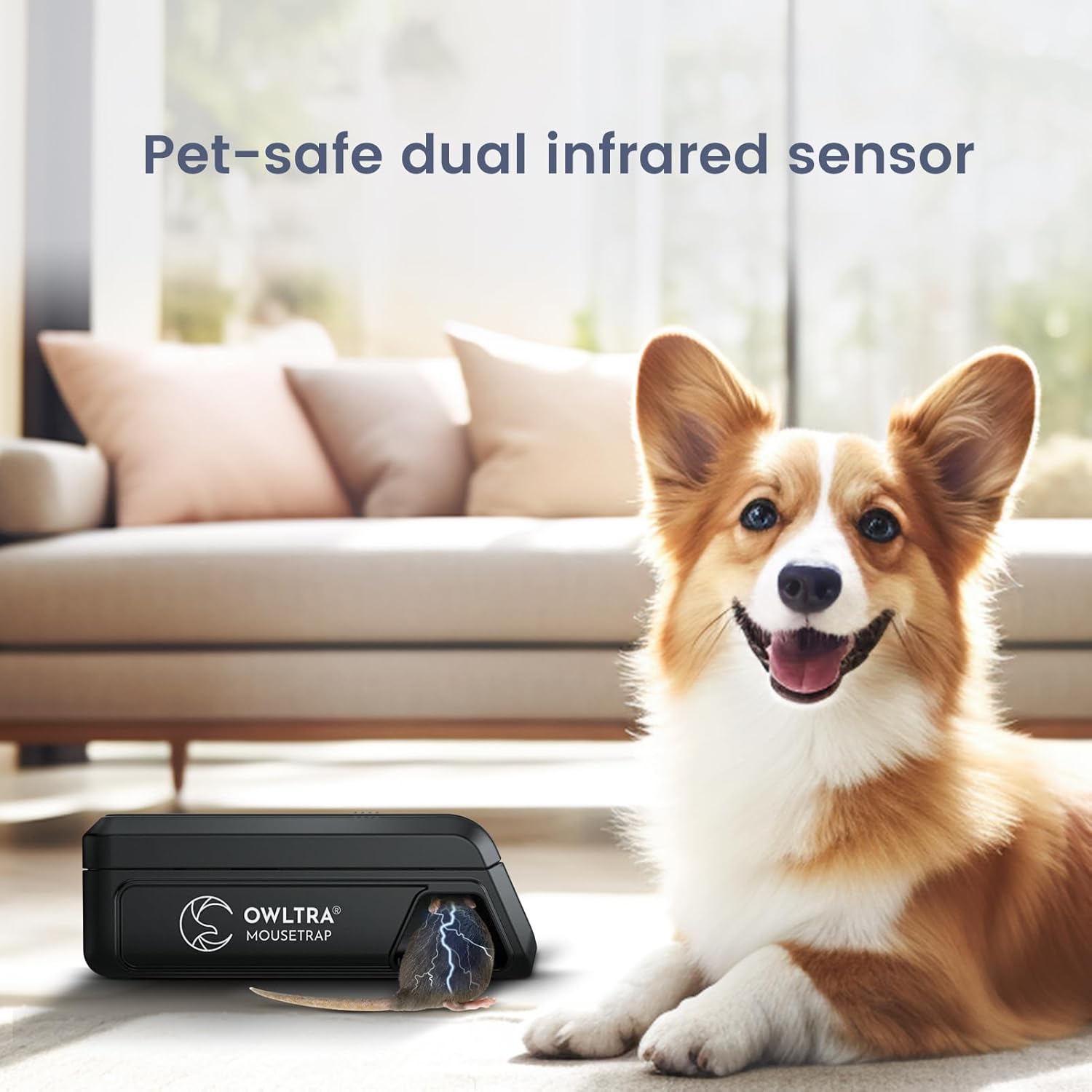
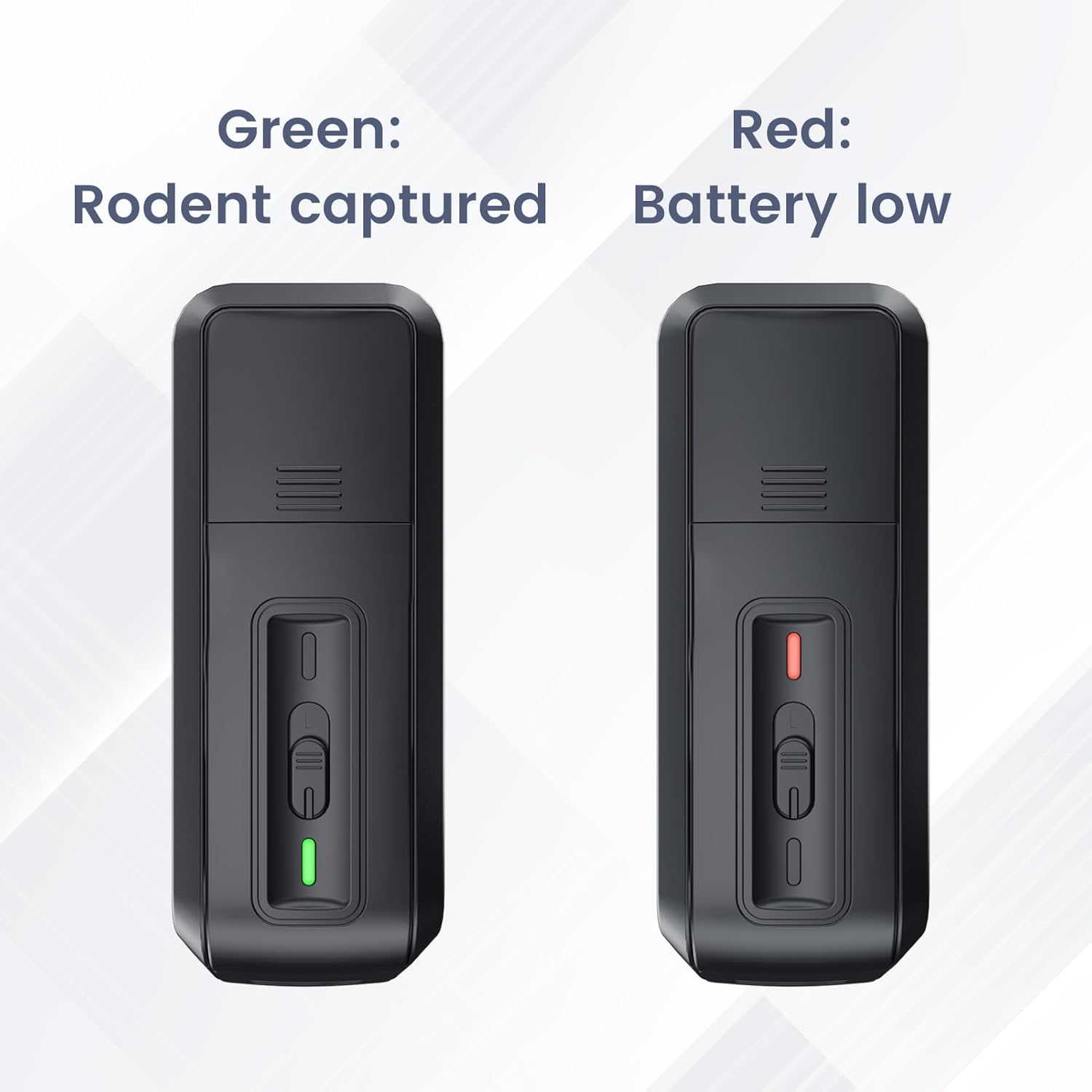
Place the trap where you have seen rodent activity, close to walls or behind furniture where mice tend to run. Apply a pea-sized amount of high-protein bait such as peanut butter to the bait area, using a toothpick or cotton swab to avoid leaving fingerprints on the attractant. Check the traps regularly and replace batteries as needed; the manufacturer indicates that a set of four AA batteries can handle many captures, with the original notes referencing up to around 60 rodents per battery set under typical conditions. Consider positioning the traps out of reach of small children and curious pets, even though the device includes a pet-safe trigger and only fires when the interior sensor detects movement. 🏠
Practical Tips
Clean the trap by removing the magnetic lid and emptying the contents, then wipe interior surfaces with a disinfectant if desired. The unit turns off when opened, which allows for safer handling during cleaning. If you find the trap is not activating, test the infrared sensor area for obstructions and verify battery orientation and charge. For heavy infestations, use multiple traps spaced at intervals to increase the likelihood of catches.