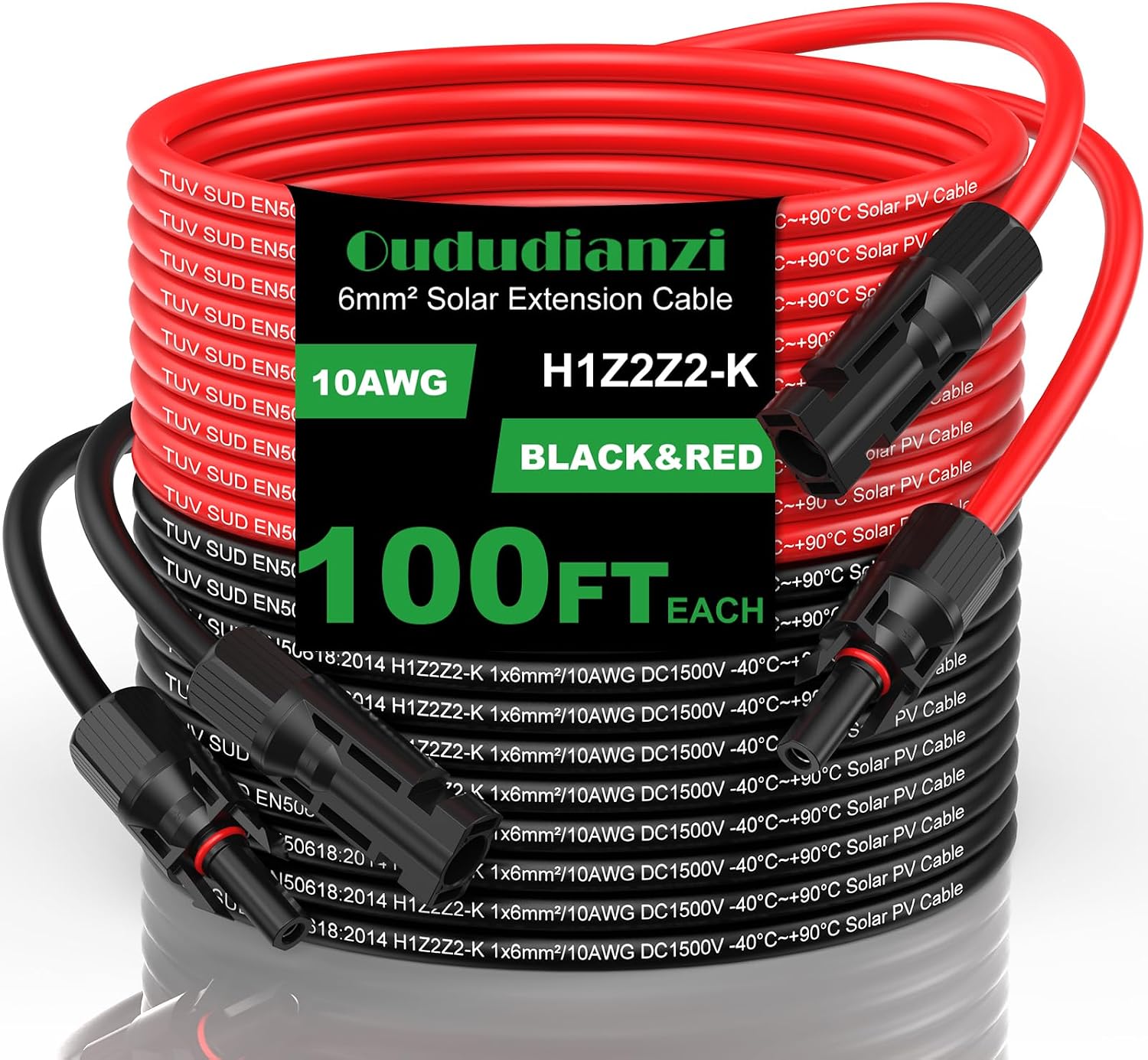
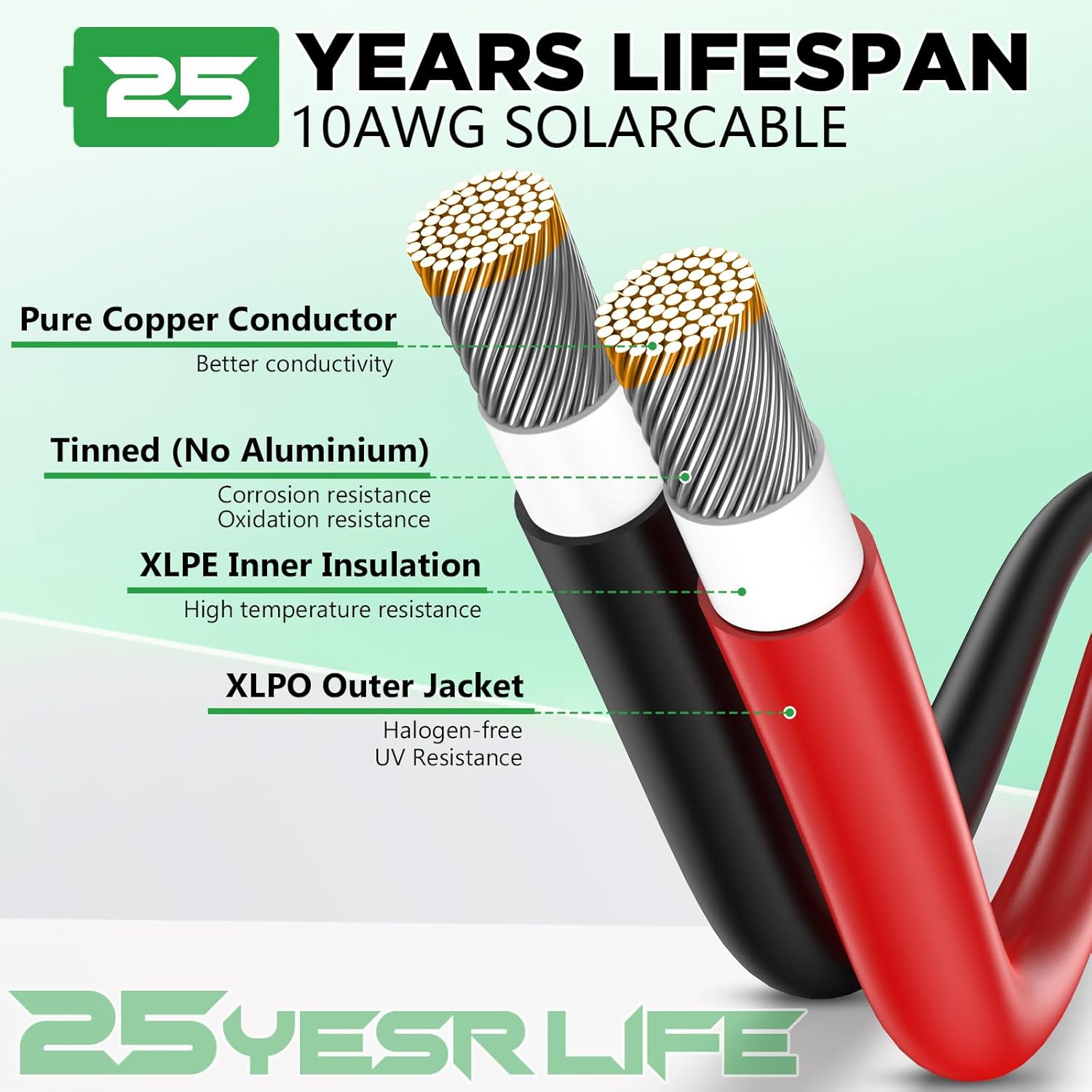
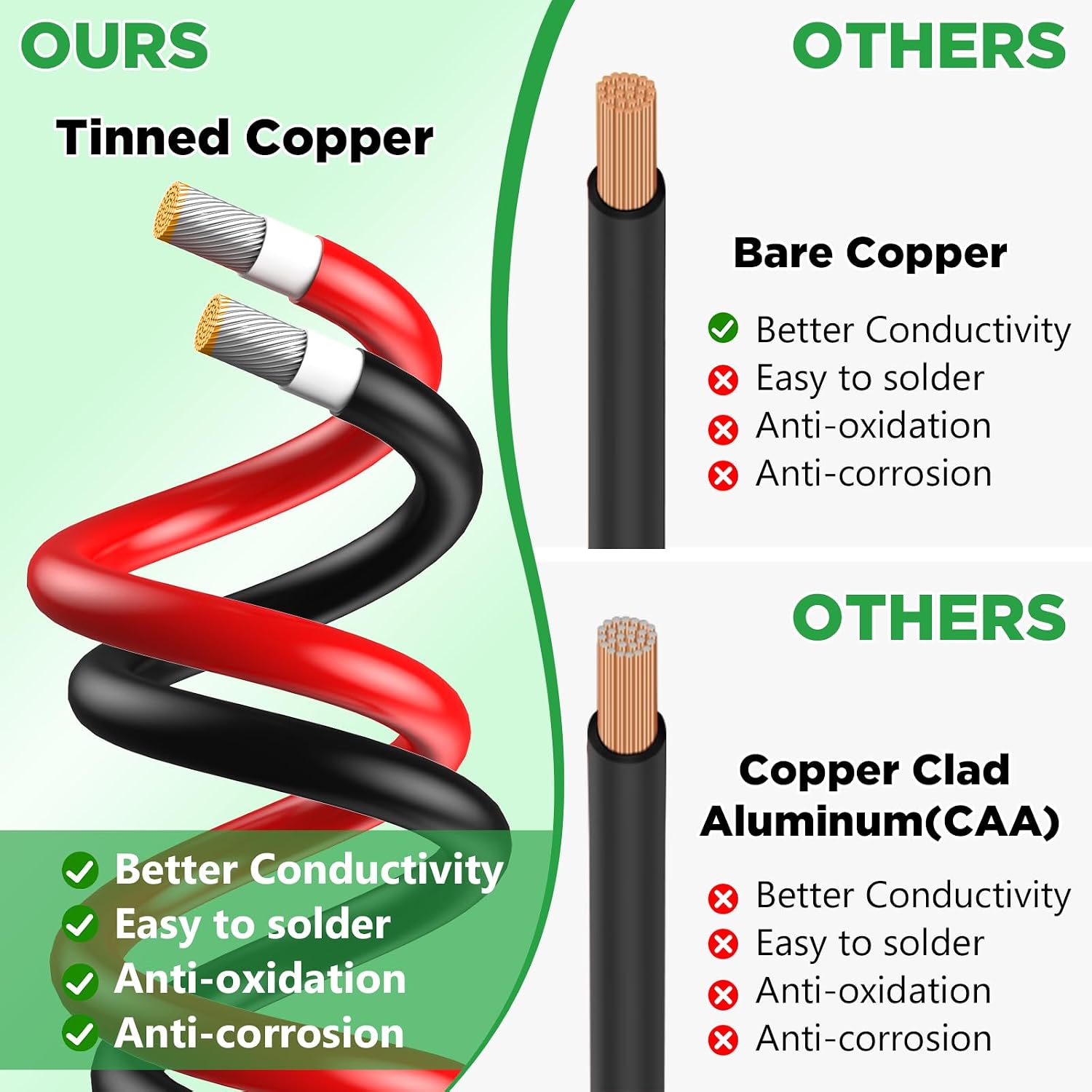
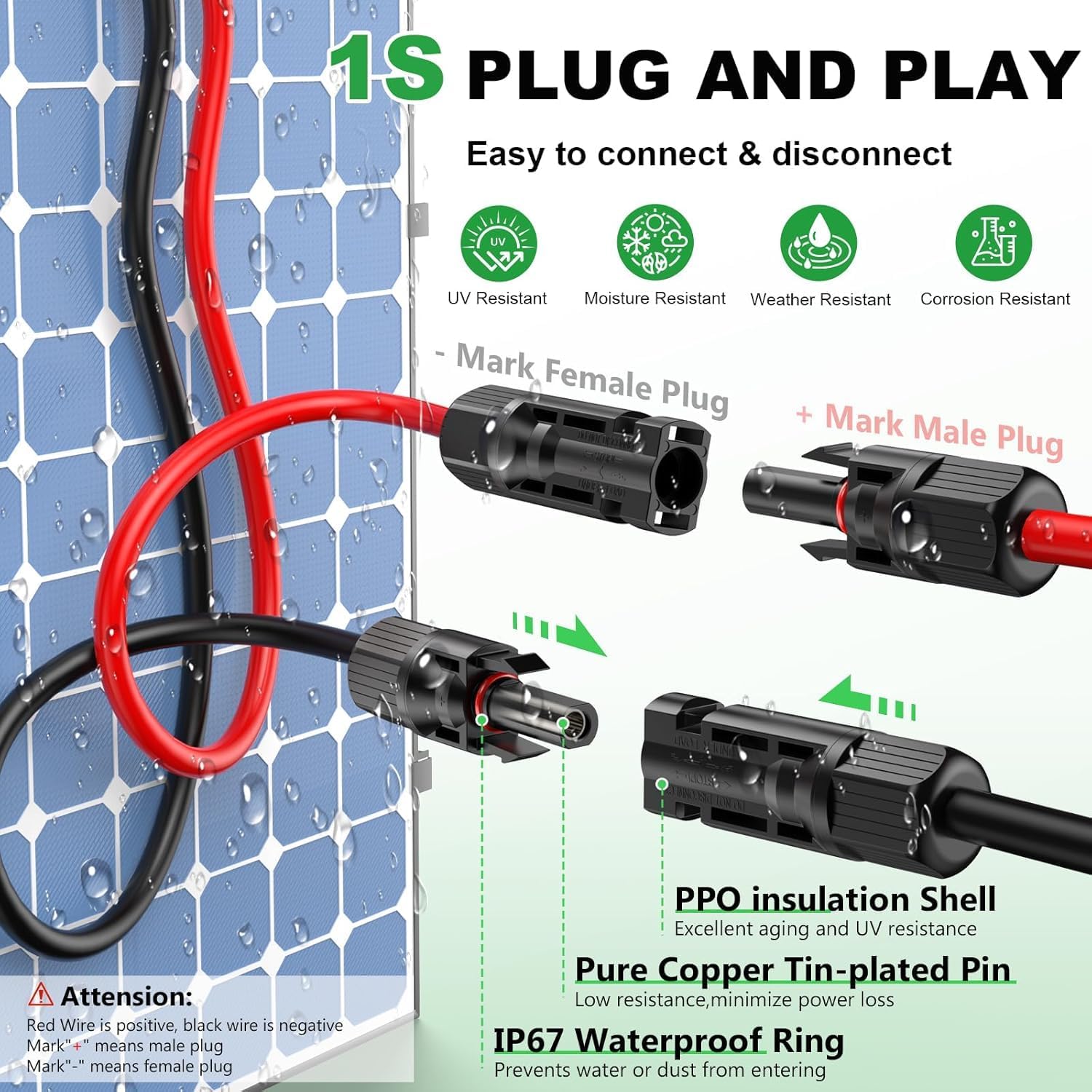
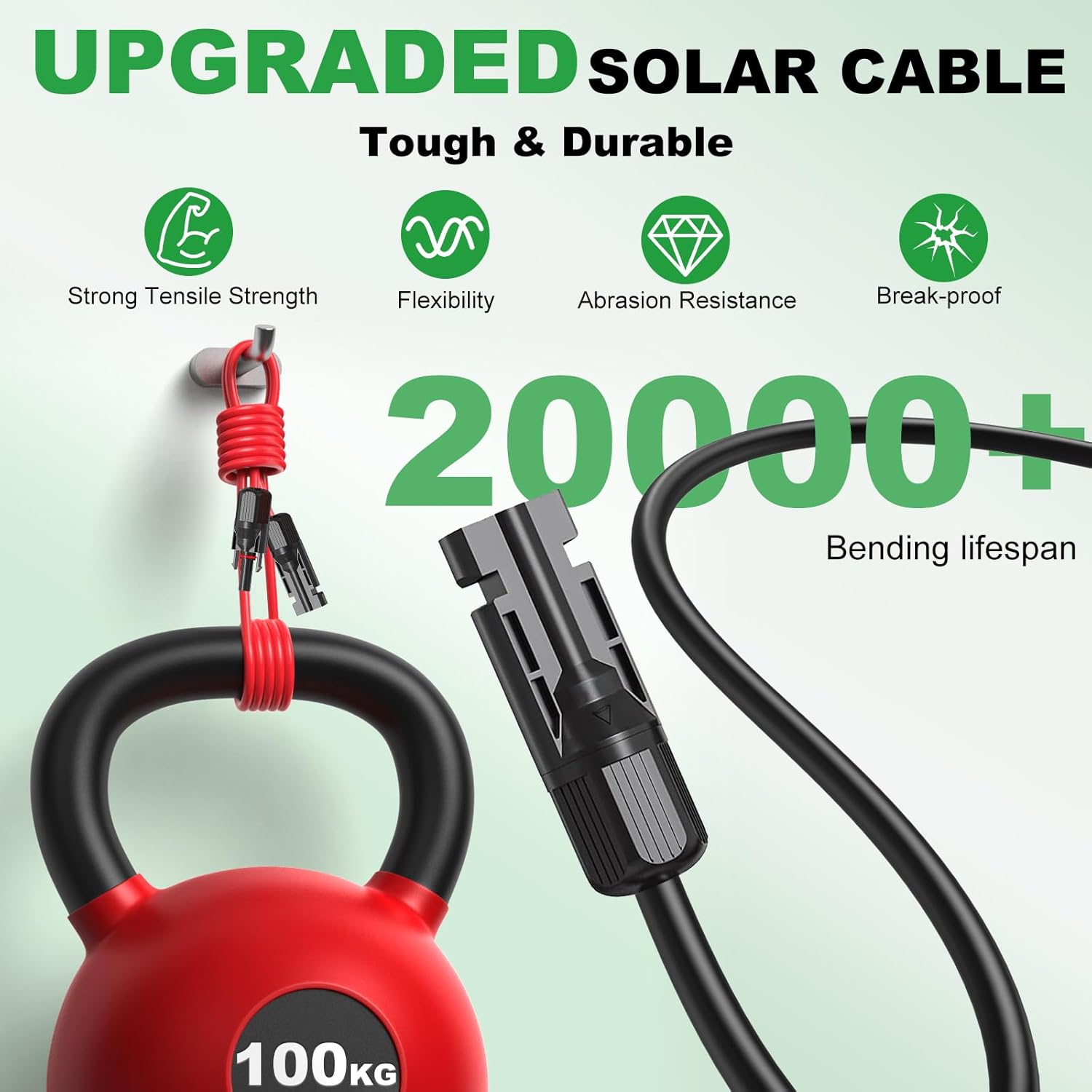
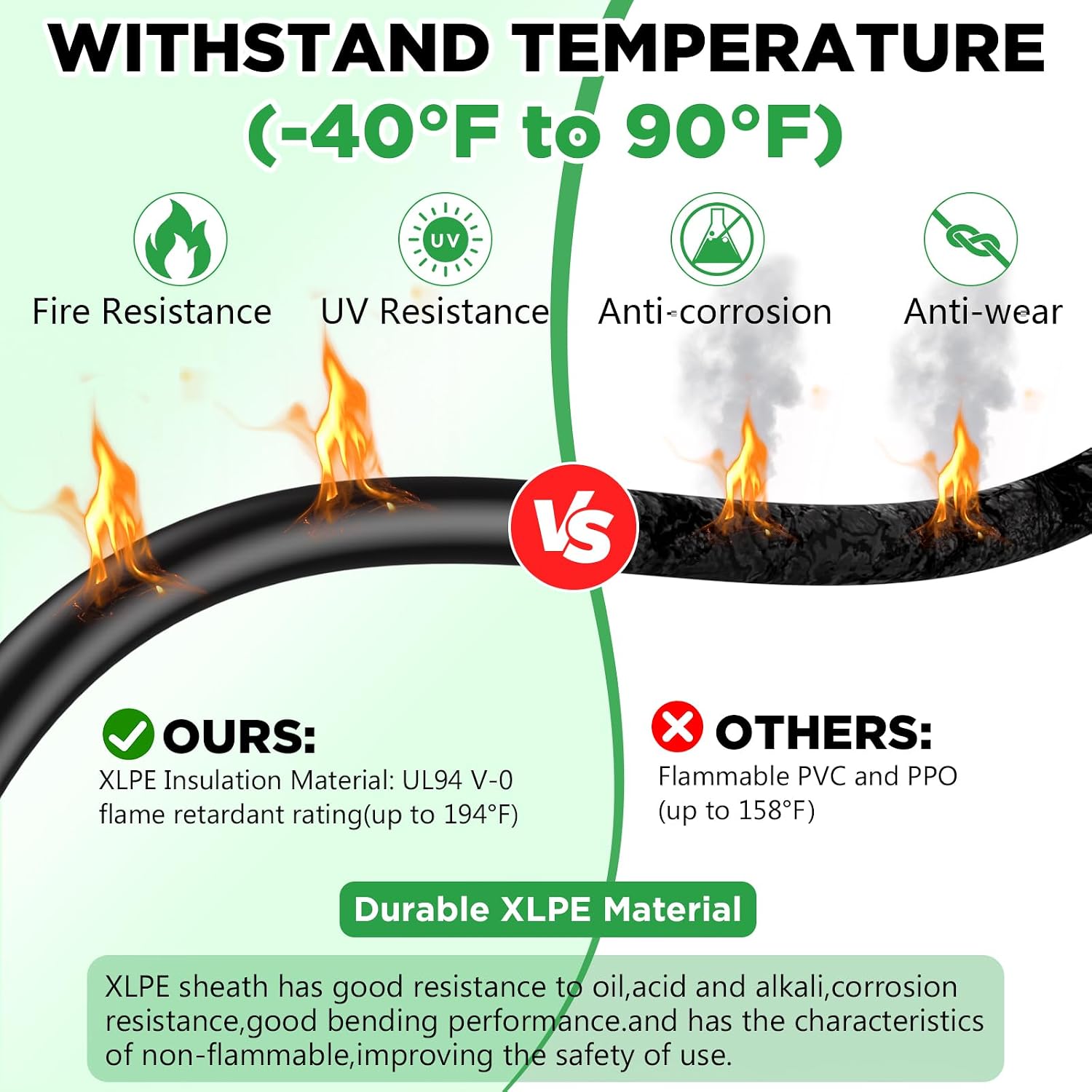
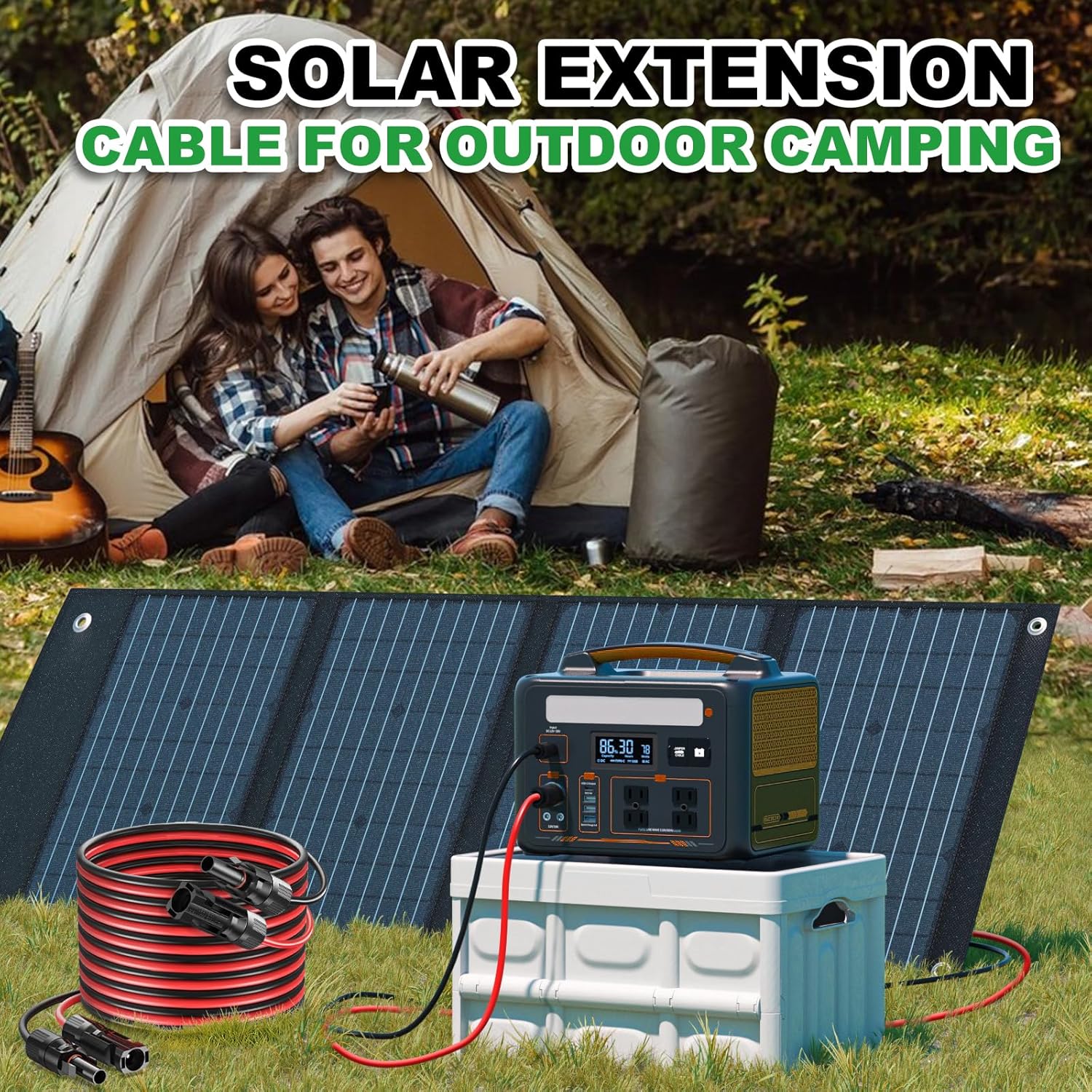
What this is and what it solves\nIf you’re building or expanding a solar setup, these Oududianzi 100ft solar extension cables bring a straightforward, plug-and-play solution for extending panel runs and linking components. Each set includes one black and one red 10AWG cable, both tin-coated copper for lower resistance and improved corrosion resistance over the long haul. On the surface, they’re just extension wires, but the real value lies in how they’re built to hold up outdoors and under changing weather conditions, which matters for off-grid, RV, boat, or home solar arrays.\n\n## How it’s built and what that means in practice\nThe cables use tin-coated pure copper to improve conductivity and reduce oxidation. The insulation and jacket combo is two-layered with XLPE insulation and an XLPO jacket, designed to endure from -40℉ to 194℉. That matters if your system experiences cold nights and hot sun, or if the run goes through exposed areas. The outer material is UV resistant, weather resistant, and designed to last years in outdoor conditions. A notable practical benefit is a claimed lifetime over 25 years, assuming typical outdoor exposure and installation.\n\n## Technical snapshot you can actually use\n- Cross-sectional area: 6 mm² (10 AWG)\n- DC voltage rating up to 1500V, max 1800V for certain conditions, AC up to 1000V\n- Conductor resistance around 5.09 Ω/km at 20°C, which is favorable for longer runs where voltage drop could be a concern\n- IP67 waterproof ring on the male connector helps keep water and dust out, reducing intermittent connections\n- Each cable already has male and female connectors installed, making plug-and-play straightforward without extra tools\n\n## What stands out in everyday use\nIf you’re mounting panels on a roof, boat deck, or RV location where you’d rather avoid splices, this set’s pre-installed connectors and dual-colored wires help you keep track of polarity while you reach more distant components. The weatherproofing and UV resistance mean you can leave these cables outdoors rather than stowing them after every use.\n\n## Potential limits to consider\nThis is a heavy-duty extension option designed for outdoor solar setups. If your project is a small, indoor PV demo or a very short run in a controlled environment, the 100ft length may be more than you need. Also, the stated lifetime and performance are expectations based on typical usage, real-world results can vary with installation quality and environmental factors.\n\n## Who it’s best for\n- Off-grid enthusiasts needing longer runs between panels and storage or inverters\n- RVs, boats, or cabins where you want reliable, outdoor-ready wiring\n- Residential installations with longer feeder paths or where a ready-made extension helps reduce splices\nNot ideal for tiny, low-budget DIY setups that don’t require weatherproof, high-flexibility cabling.\n\n## What to check before buying\n- Confirm the required conductor gauge and insulation rating for your system’s voltage and current needs\n- Verify connector compatibility with your existing PV components and mounting setups\n- Plan the run path to minimize exposure to sharp edges or high-heat sources that could stress the insulation over time\n\n## How this compares to other approaches\nCompared with basic PV wire without dual-layer insulation and IP-rated connectors, this option prioritizes durability and ease of installation in outdoor environments. If you’re prioritizing cost over long-term reliability in a sheltered indoor setup, a lighter, non-IP-rated wire might be cheaper, but it won’t perform as well outdoors. For most outdoor solar configurations, the built-in connectors and weatherproofing provide tangible practical benefits.\n\n## FAQ (practical questions you’ll likely ask)\n- Q: Can I use these cables for AC connections? A: They’re designed for PV and DC use, with specified DC ratings, follow local codes for any AC usage.\n- Q: Is 100ft too long for my system’s voltage drop concerns? A: It depends on your current and panel specs, longer runs require checking voltage drop to ensure adequate performance.\n- Q: Do the cables come with mounting hardware? A: The description notes pre-installed connectors but no extra hardware beyond the cables themselves.\n- Q: Are these safe for marine environments? A: The IP67 seal and weather resistance help, but always verify compatibility with your exact marine setup and certifications.\n\n## Final decision: Is it worth it?\nWorth considering if you need durable, outdoor-ready extension runs with plug-and-play connectors and a weather-sealed design for longer distances in off-grid or mobile solar systems. If your project is indoors or you don’t require long outdoor runs, you may opt for shorter, less rugged wires.\n