



NOONE Heavy Duty Jumper Cables 25 ft
Reviews
Price
Product description
This heavy-duty jumper cable set brings a straightforward solution for starting large vehicles when the battery is low, combining long reach and high current capacity for diesel trucks, SUVs and full-size vans. The extra-long 25 foot length helps bridge distance between batteries while the durable construction aims to remain flexible in cold temperatures.
Key Points
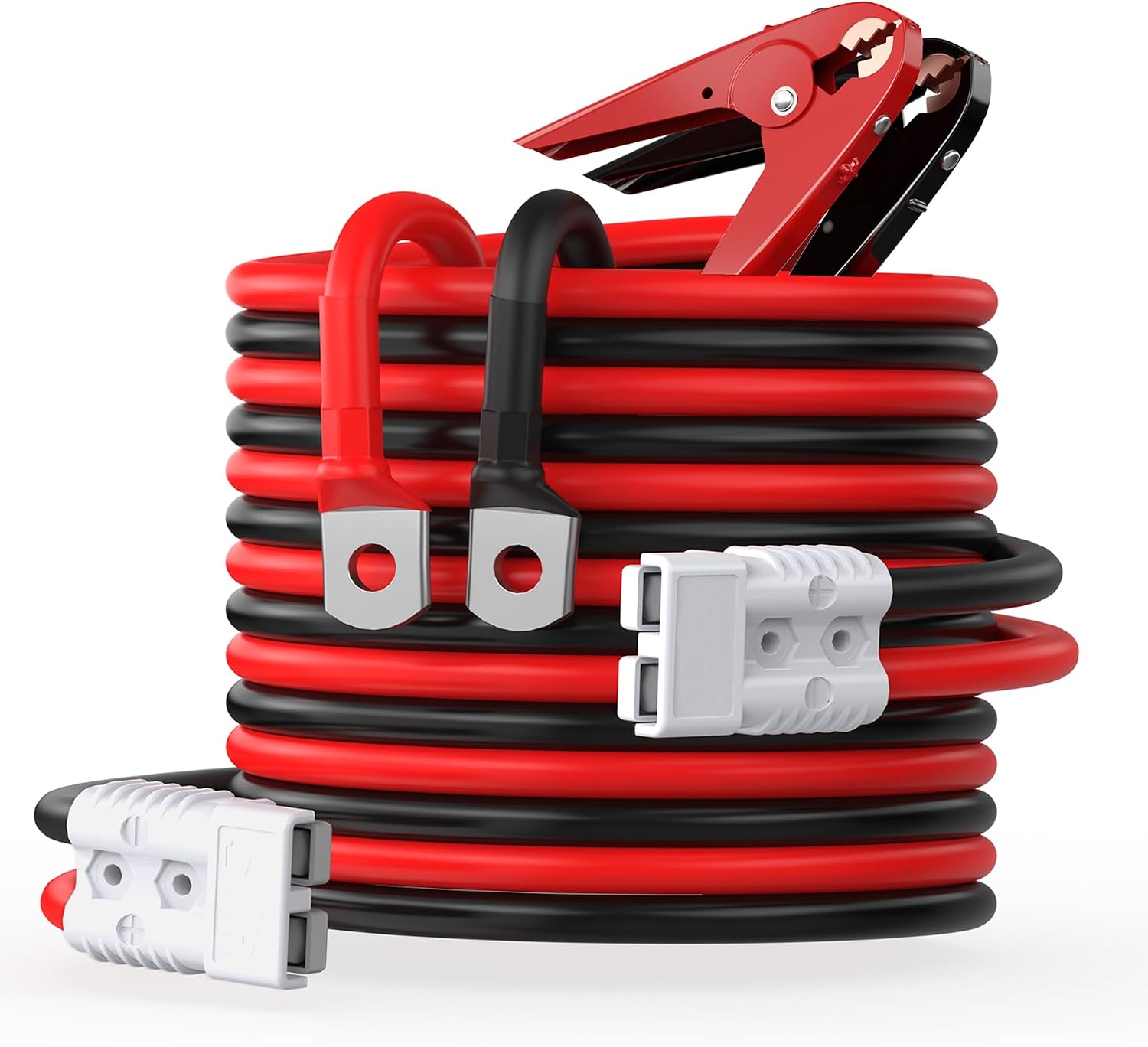
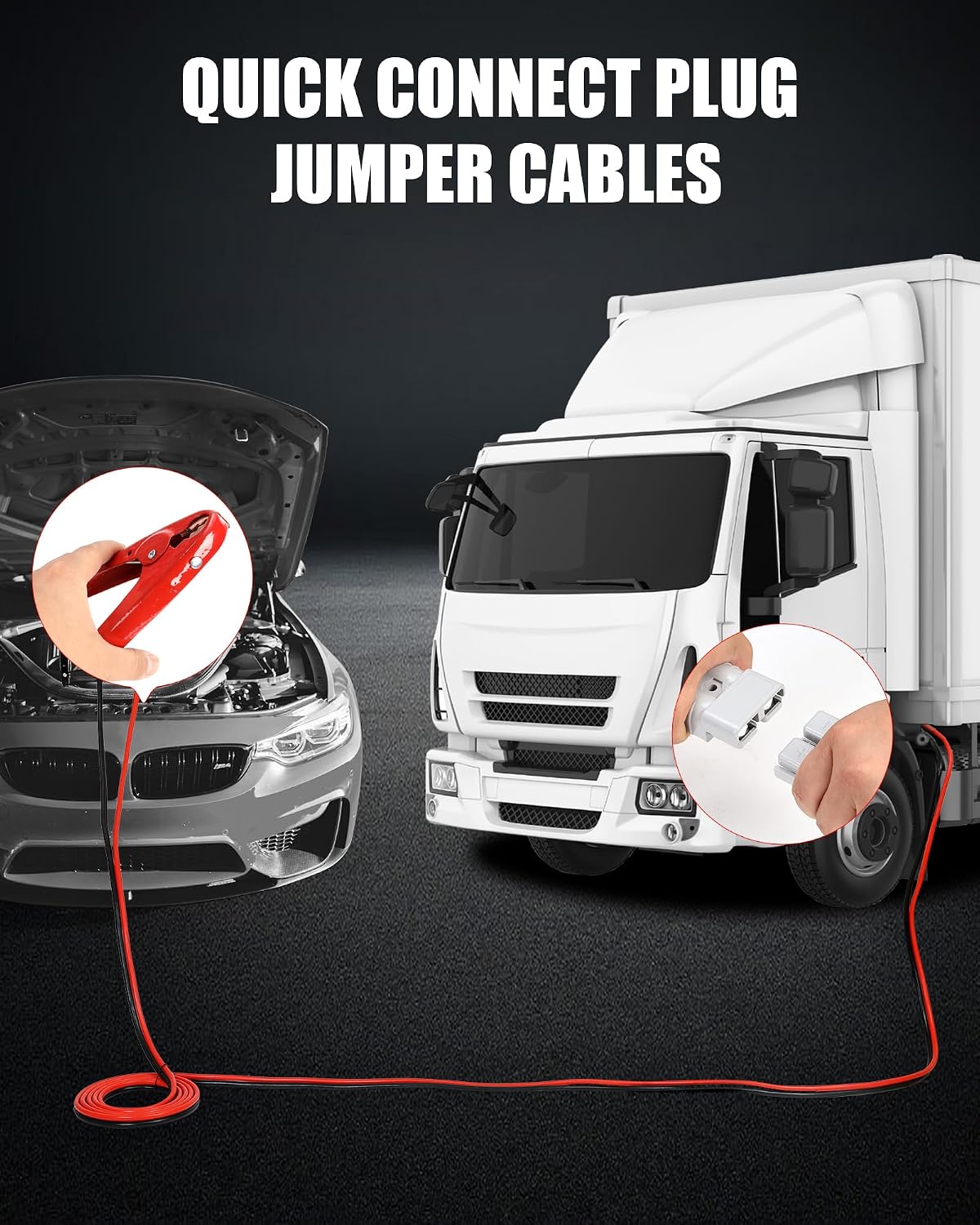
These cables include a 20 foot jumper lead plus a 5 foot extension, designed to give enough length to reach between widely spaced batteries in trucks and cargo vans. The quick connect plug lets you attach one end without full disassembly of the mounting point, which can speed up the process of getting a weak battery going. ⚡️
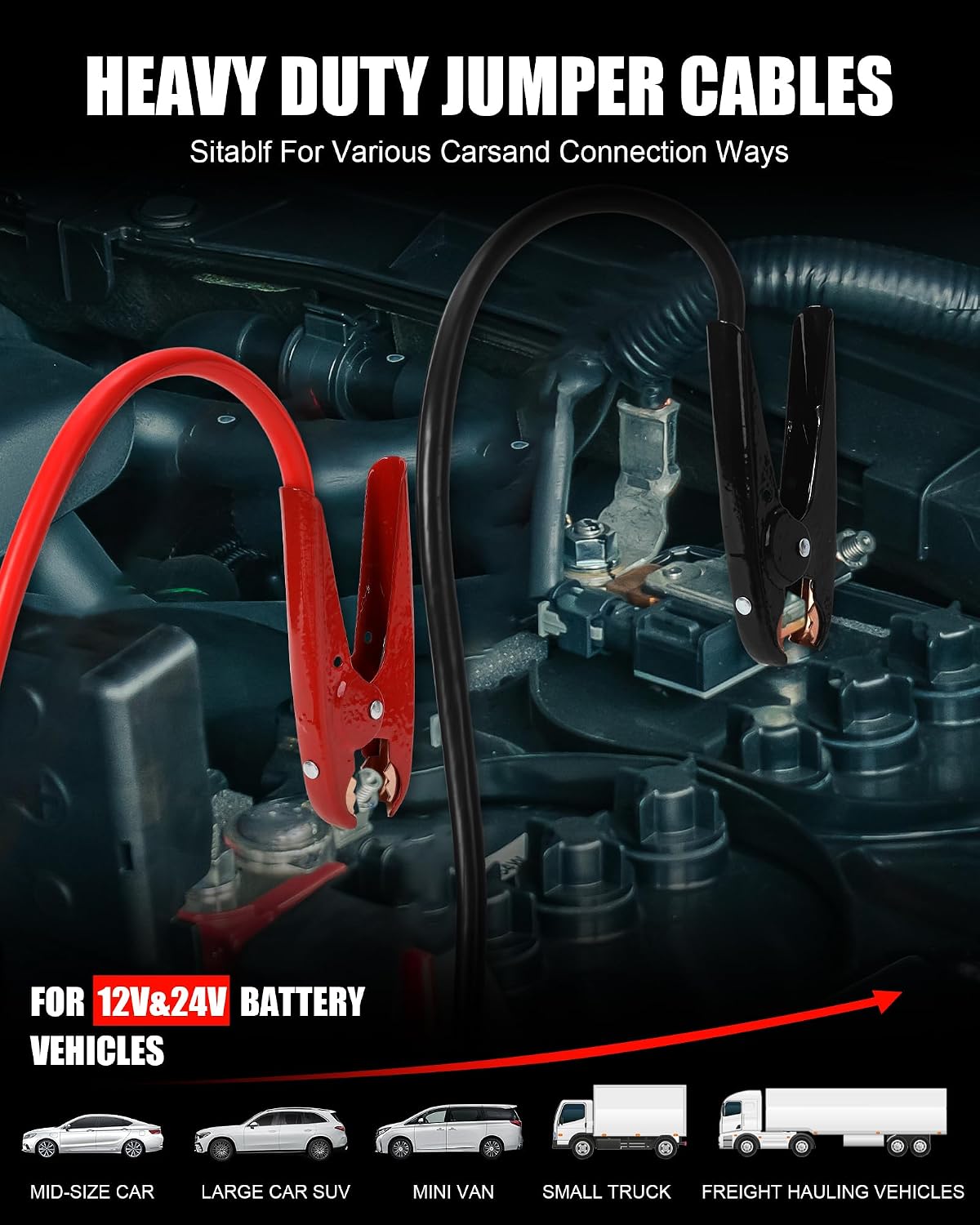
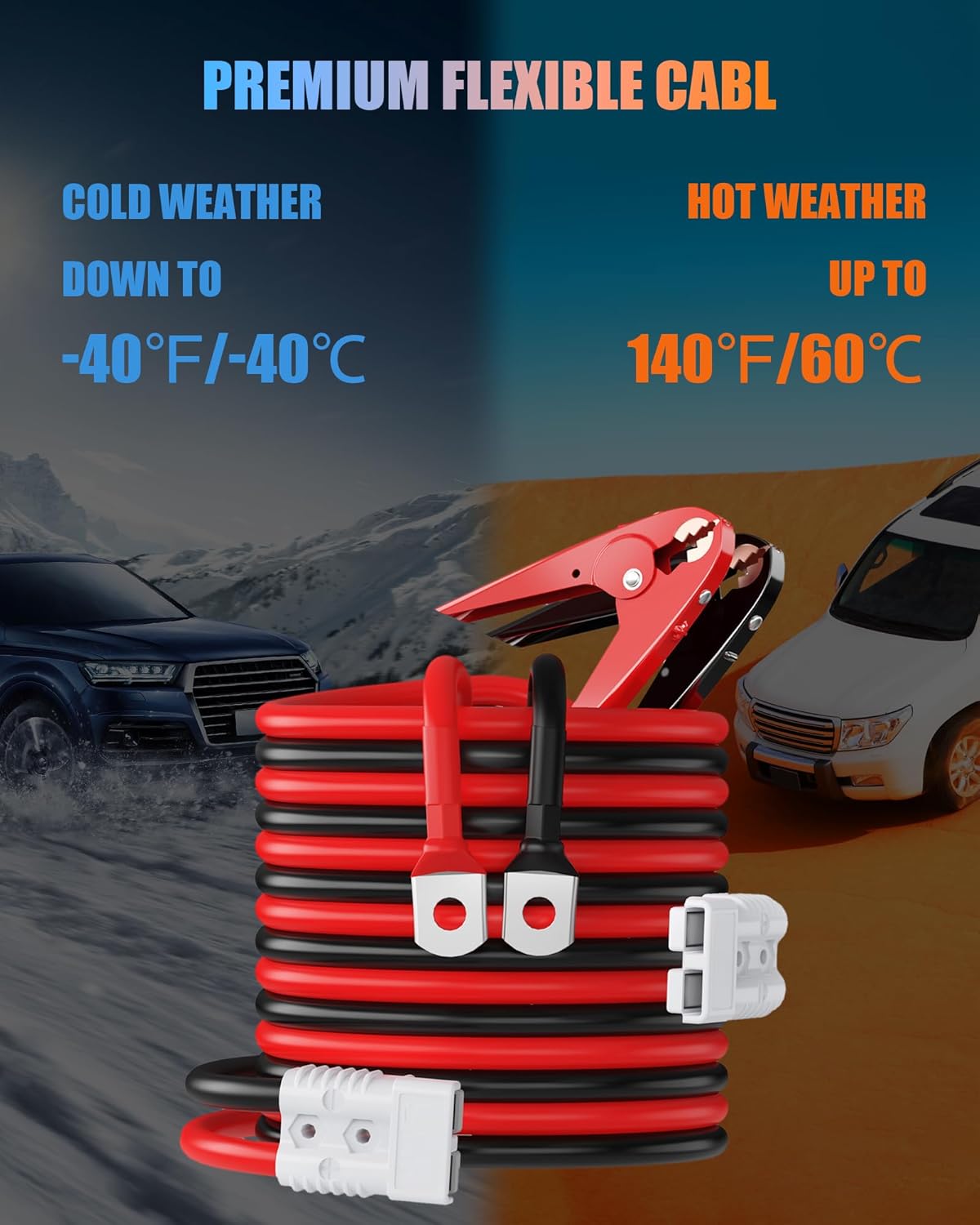
Materials focus on conductivity and durability, with high density copper clad aluminum conductors wrapped in thick PVC insulation. According to the manufacturer the cables remain pliable in low temperatures and can withstand a wide operating range from very cold to hot conditions. 🧤
One practical nuance is the estimated instantaneous current handling. The design claims up to 900A of instantaneous current which helps with larger engines, but consider that continuous loads and connection quality influence performance in real scenarios.
Technical Specifications

- Name: NOONE Heavy Duty Jumper Cables for Diesel Trucks
- Gauge: 1 Gauge
- Length: 25 ft (20 ft + 5 ft extension)
- Peak current: 900A
- Operating temperature range: -40°F to 140°F
- Included accessories: Carry bag, gloves, brush
Usage Recommendations
Connectors are intended to be easy to mount and the quick-connect plug allows one-hand attachment in tight situations, which can be handy when working in cramped engine bays or cold weather. For best results keep clamps and terminals clean, and store the cables in the supplied carry bag to prevent kinks and tangles over time.
Be aware that while the cables are built for heavy use, performance depends on clean contacts and proper clamp pressure. In high-demand jobs repeated jumps can heat the cable and clamps, so allow cooling periods between attempts according to common safe-practice norms.