

NEEWER Z2PRO-C 2.4G TTL Round Head Flash: A Practical Look for Canon Shooters
Product description
What it is
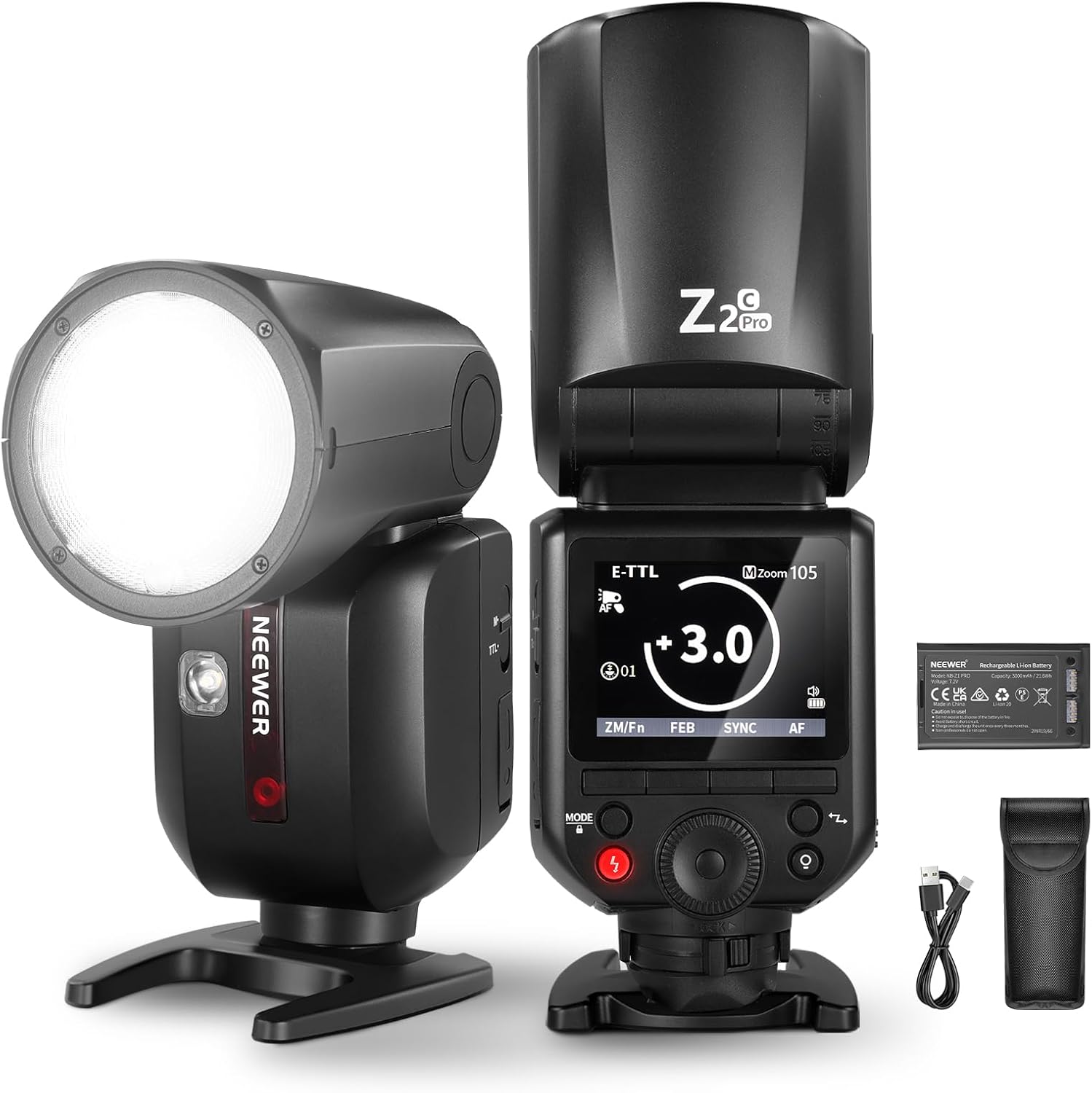
The NEEWER Z2PRO-C is a 76Ws round-head speedlite designed for Canon cameras with a 2.4G wireless system and TTL/M mechanical control. It’s built to deliver solid light output and flexible bounce options in a compact body, aimed at photographers who want reliable exposure with room to fine-tune settings on the fly.
What matters most
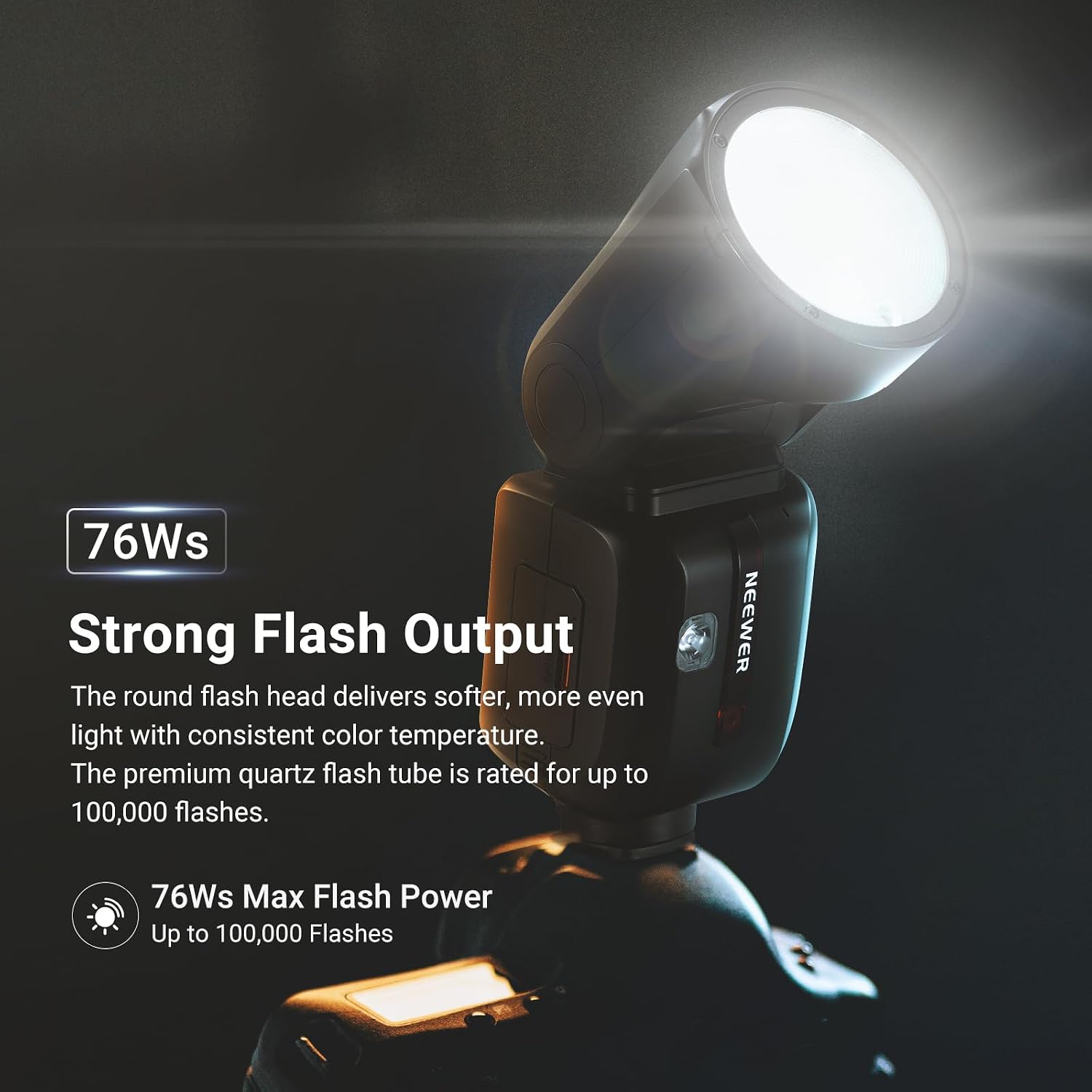
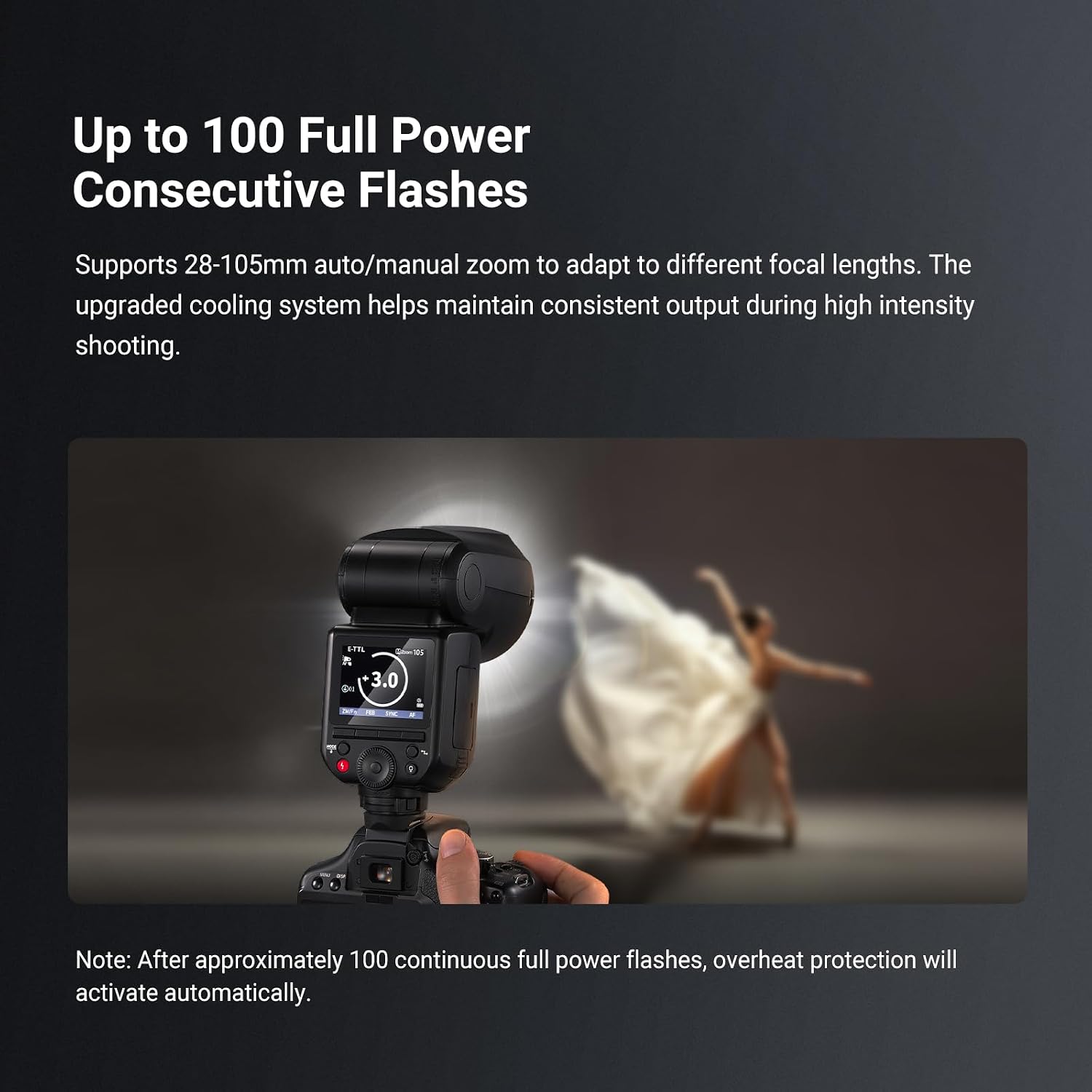
On paper, the Z2PRO-C emphasizes continuous power handling and fast recycling. It can sustain up to 100 full-power flashes in a row without overheating, thanks to an integrated cooling system. The quartz tube is rated for up to 100,000 flashes, which matters if you shoot events or long sessions. The head swivels 330° and tilts -7° to 120°, which gives you plenty of room to bounce light off walls or ceilings and shape shadows.
Tech specs
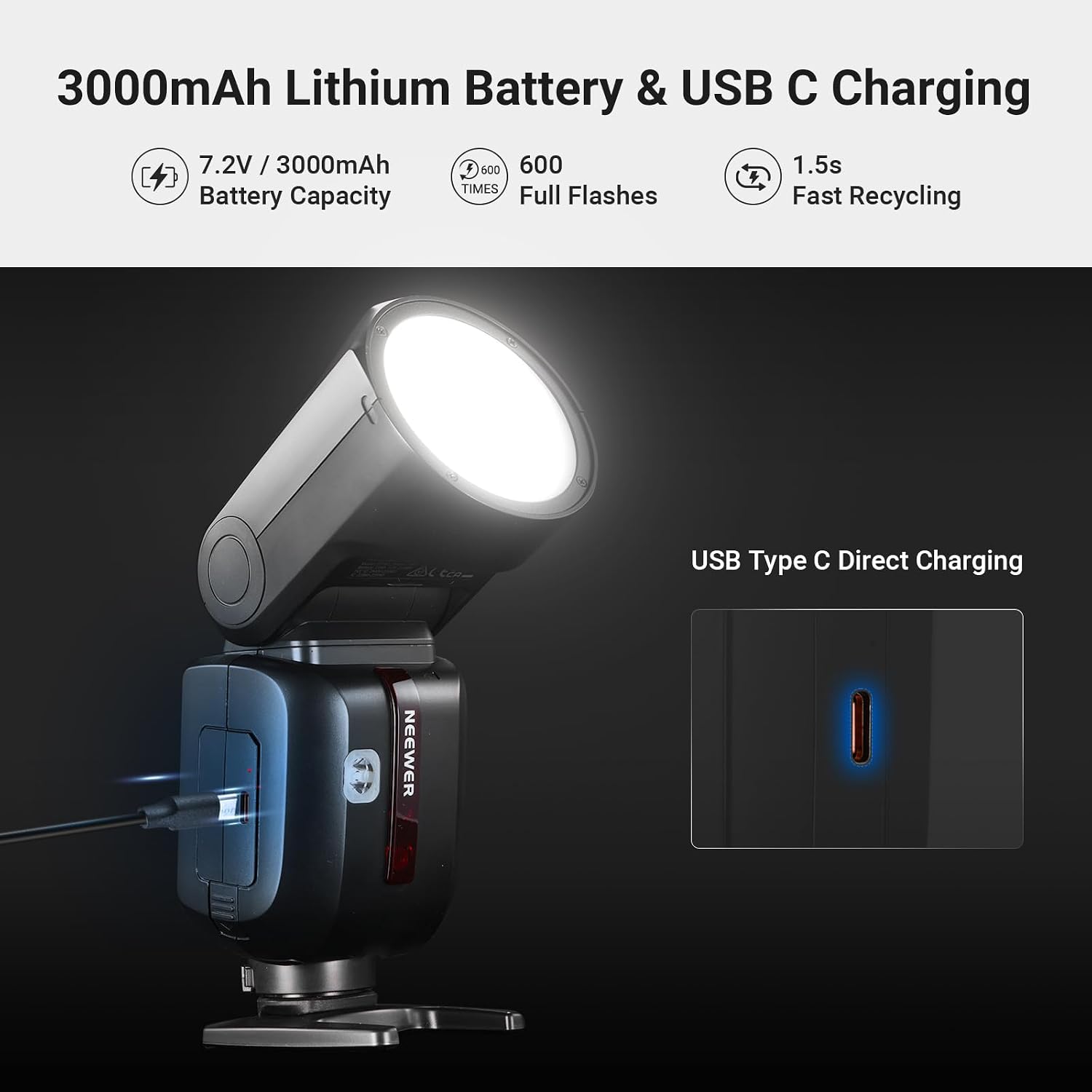
Two 2W modeling lamps (3300K) offer 10 brightness levels to preview lighting on the fly. Key performance figures include 1/8000s high-speed sync, 600 full-power flashes per charge, and a 1.5s recycle time. The battery is 7.2V/3000mAh, with USB-C charging and a full recharge around 2.5 hours via a 5V 2A charger. The flash supports 28-105mm focal length, front/rear curtain sync, and standard exposure features (FEC/FEB/FEL).
Compatibility and control
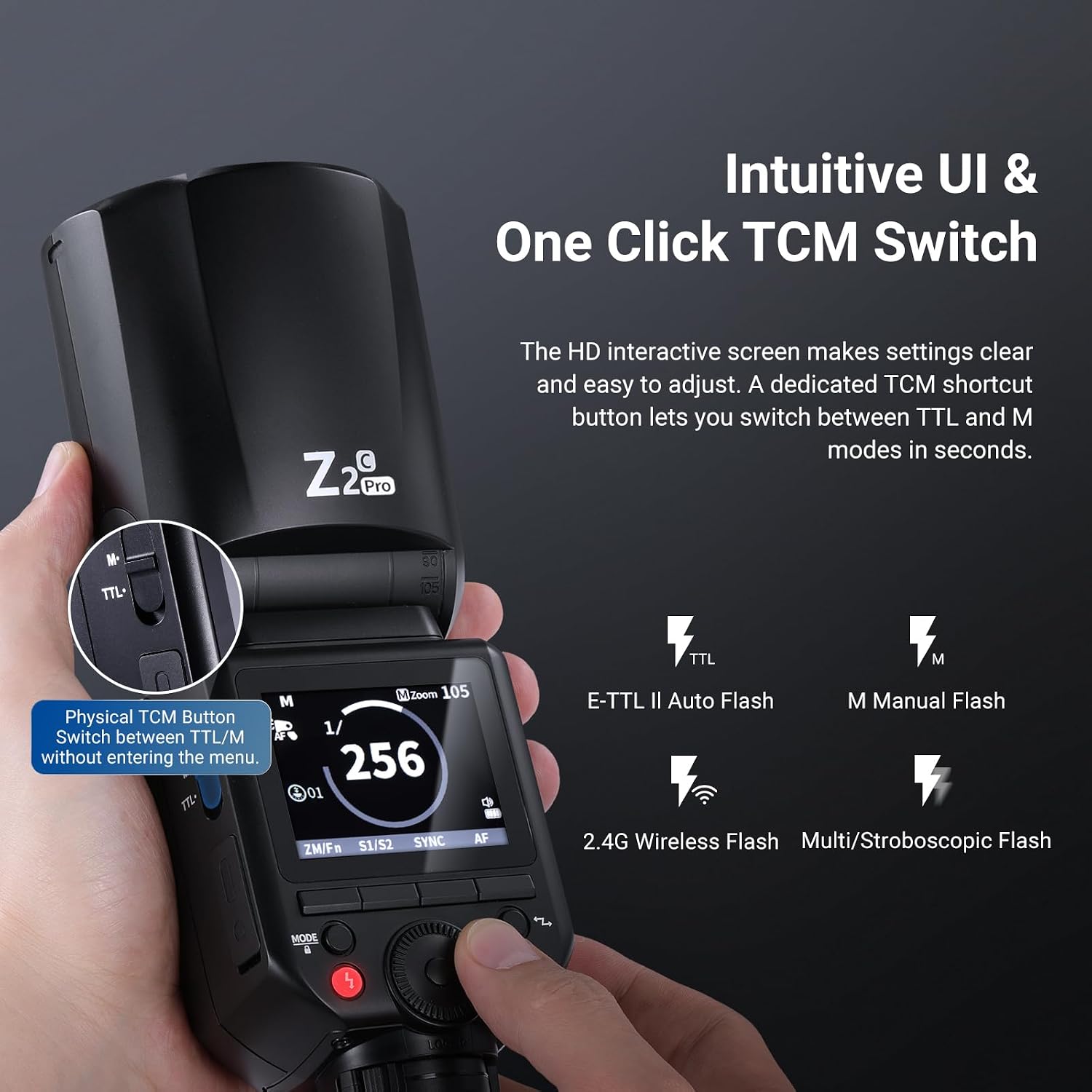
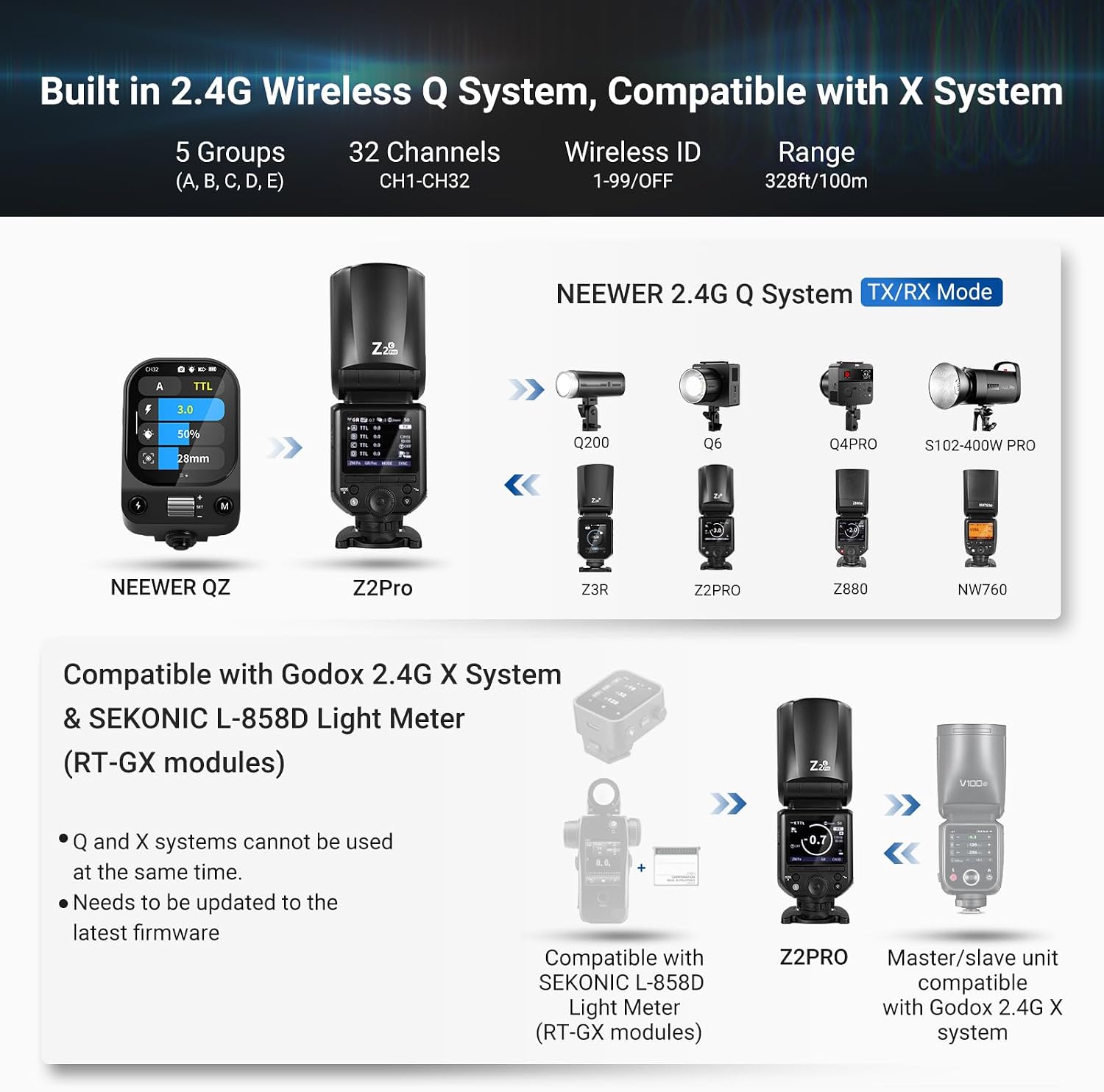
The Z2PRO-C supports a 2.4G wireless system with four groups (A/B/C/D), 32 channels, and 99 IDs when paired with compatible transmitters. It can operate as a master/slave in Godox X system setups (with firmware considerations) and is compatible with Sekonic L-858D meters for lighting measurements. The device includes an upgraded UI and a TTL/M switch for quick mode changes, plus a USB-C firmware update port.
What stands out
If you prioritize long battery life and reliable high-speed bursts, the 600 full-power flashes per charge and the rapid 1.5s recycle time are compelling. The extensive bounce range and modeling lamps help prep lighting in tricky spaces, while the compact round head design offers a different light quality than rectangular heads.
What you’ll notice day to day
In practice, you’ll get a straightforward path from TTL to manual control thanks to the M/TCM switch. The round head can produce soft, even lighting with flattering catchlights, especially for portraits and event work. It’s not a camera’s built-in pop, but with careful placement, you’ll achieve consistent exposure across shoots.
Limitations and caveats
Note that Q and X systems aren’t interchangeable on the same flash without firmware considerations, so you’ll want to keep firmware current and plan which wireless workflow you’ll use. Compatibility coverage is broad for Canon bodies listed, but always verify your exact model is included. Also, while the battery is robust, real-world recycling times depend on power setting and head output. If you’re chasing extreme continuous high-output sessions, you may still want a second unit.
Practical usage example
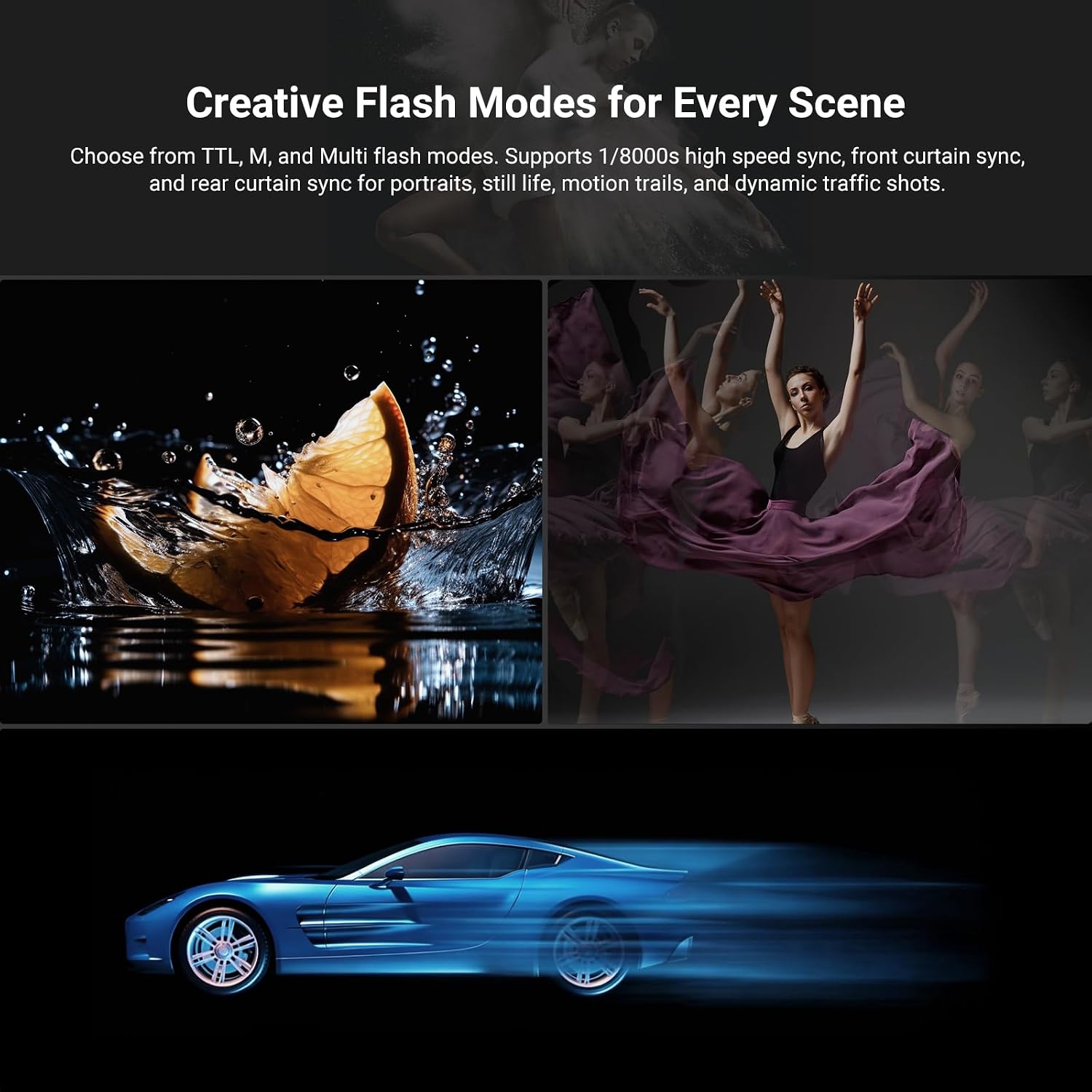
Imagine you’re shooting a small ceremony in a dim venue. You place the Z2PRO-C off to the side, bouncing light off a white ceiling to keep shadows soft, while TTL handles baseline exposure. As the scene changes, you switch to M mode using the quick UI, fine-tune exposure compensation, and rely on the long battery life to avoid mid-shoot swaps. An external flash like this can keep your setup lean while still delivering reliable, controlled lighting.
What to check before buying
- Confirm Canon compatibility with your body model list and test if your chosen workflow (TTL vs. manual) matches how you shoot.
- Consider your preferred wireless setup: ensure you have compatible QPRO-C transmitters or X system transmitters if you plan to use master/slave features.
- Assess whether 330° rotation and wide tilt cover your typical shooting spaces, if you shoot in very tight rooms, verify clearance around the flash head.
- Verify your charging setup supports USB-C charging and note the recommended full-charge practice for longevity.
FAQ (quick answers)
- How many flashes can I expect per battery charge? About 600 full-power flashes.
- Does it support high-speed sync? Yes, up to 1/8000s with HSS.
- Can I update firmware via USB-C? Yes, firmware updates are available through the USB-C port.
Final verdict
Is it worth it? Worth considering if you need a capable Canon-compatible speedlight with strong endurance, flexible bounce head, and a modern UI. It’s a solid pick for photographers who want reliable power, decent light quality, and a wireless workflow that aligns with Godox/X system ecosystems. If your sessions demand ultra-fast bursts without overheating and you value extended modeling options, this unit fits that need. If you shoot mainly in small spaces or require simpler, plug-and-play setups, you may want to verify space for head movement and workflow compatibility first.