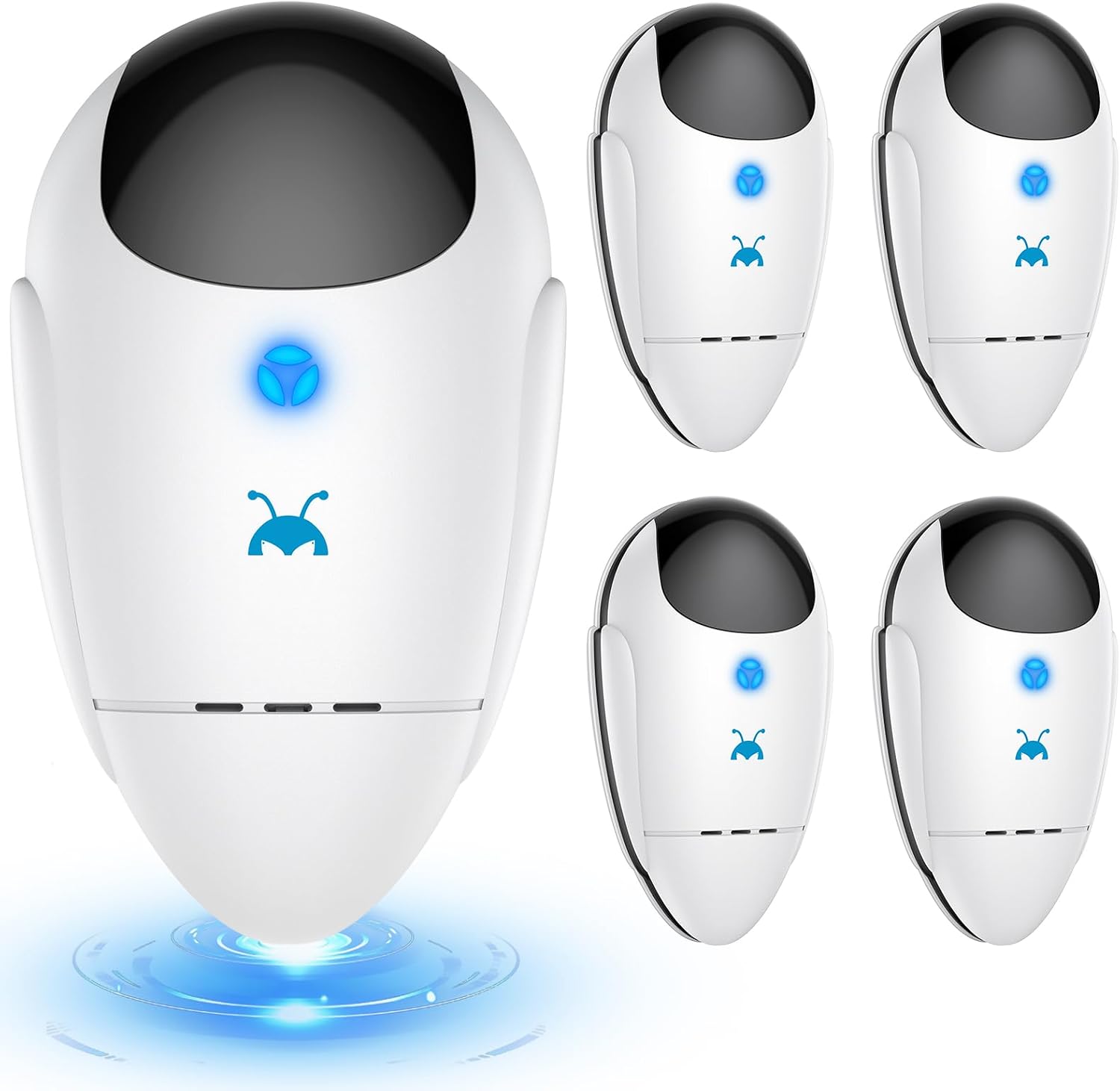
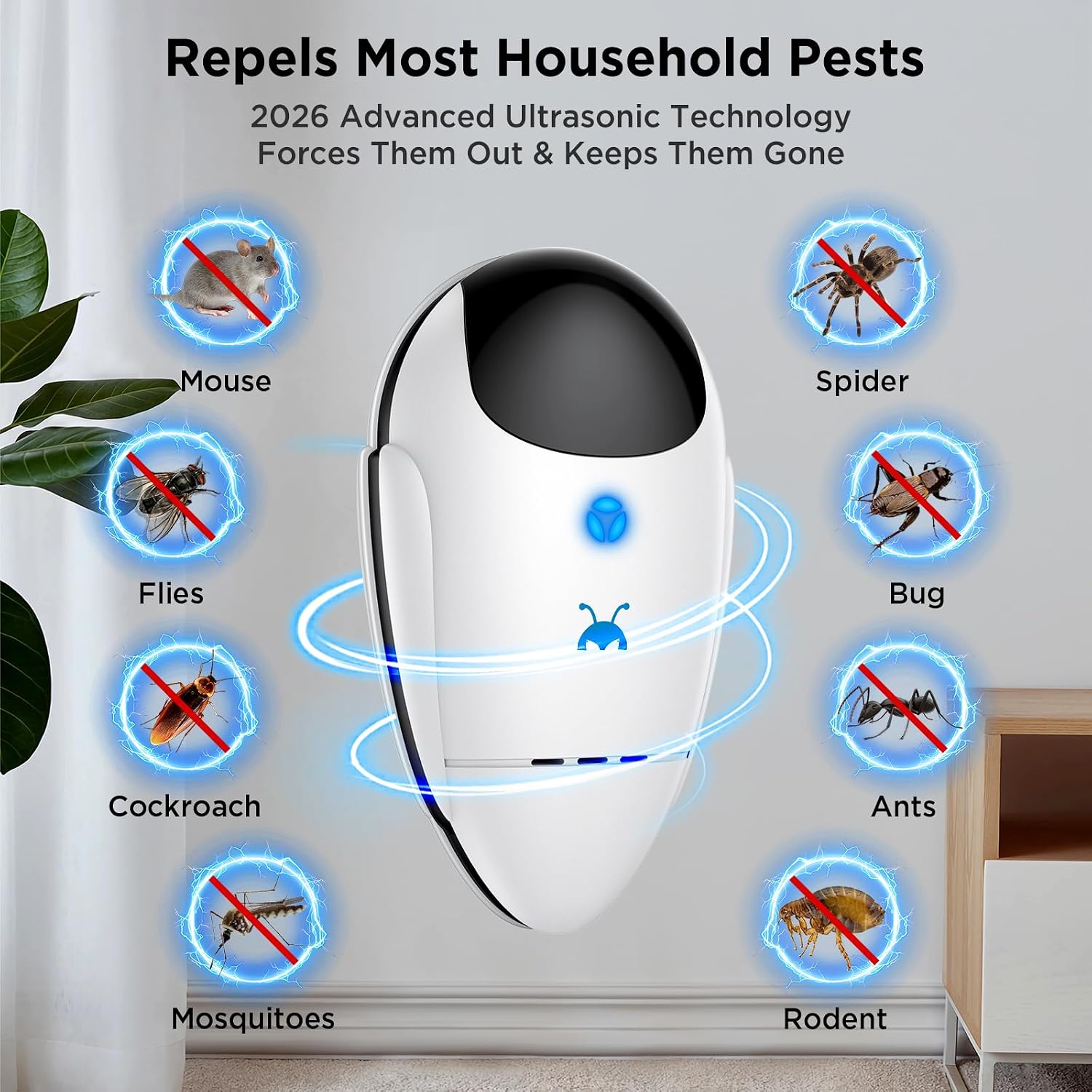
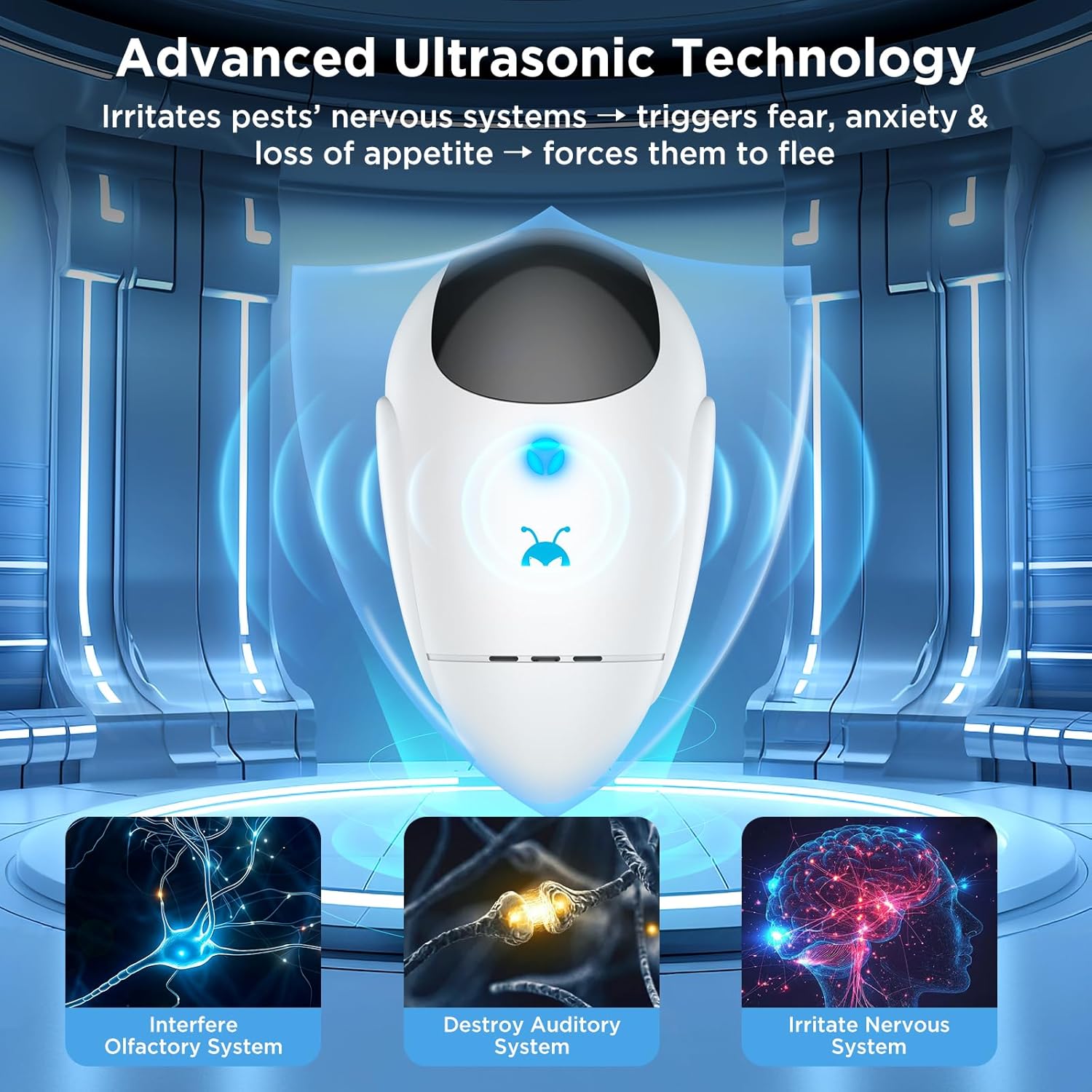
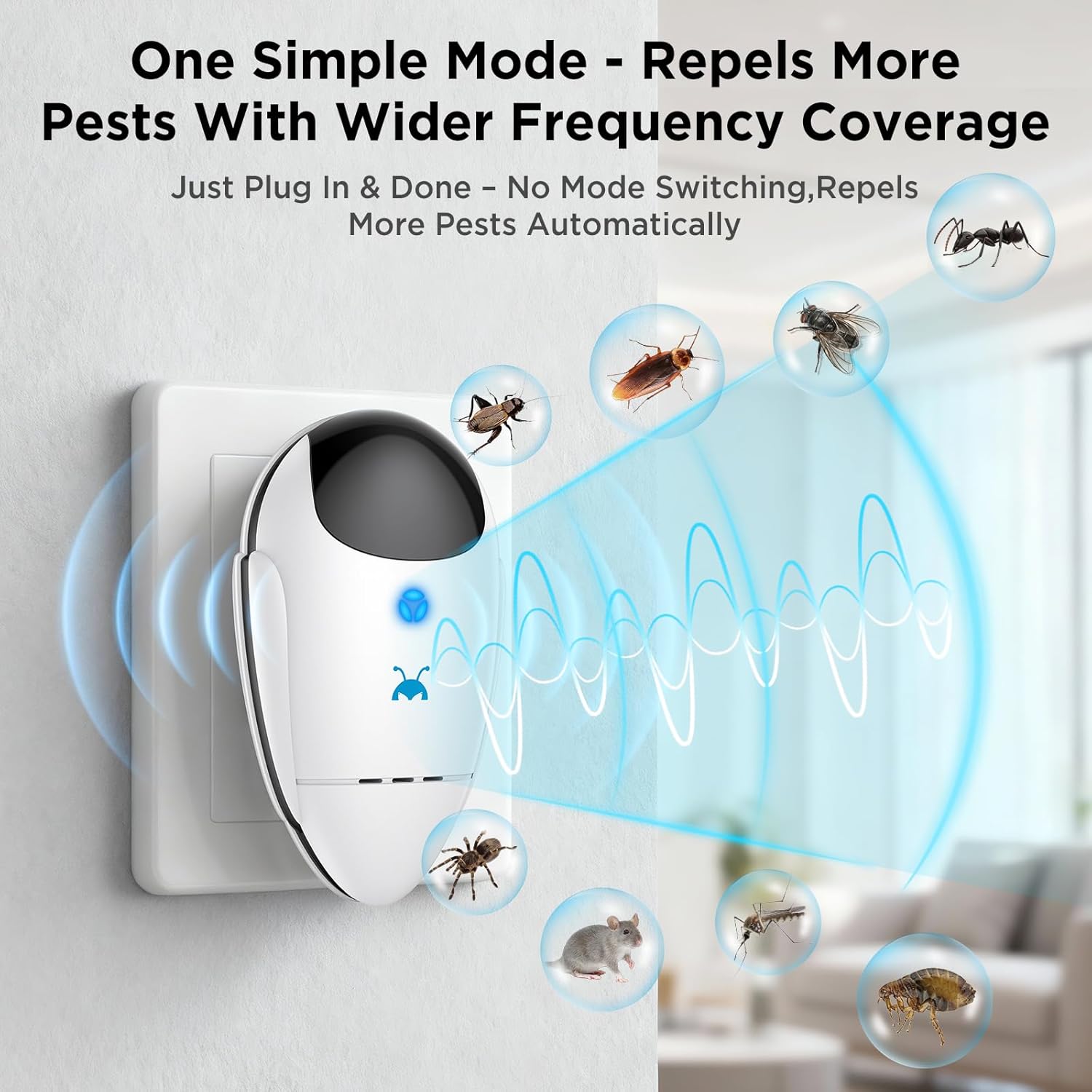
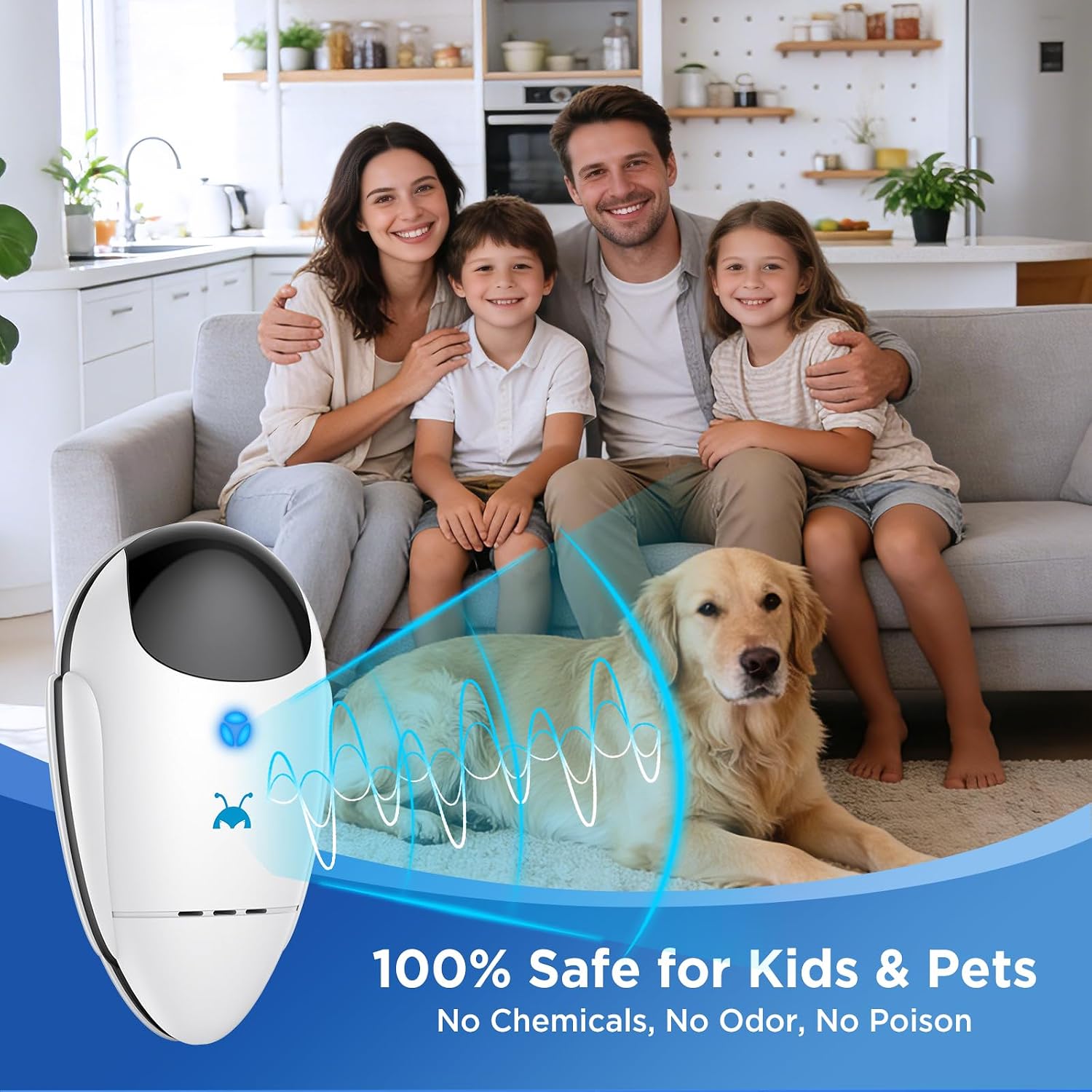
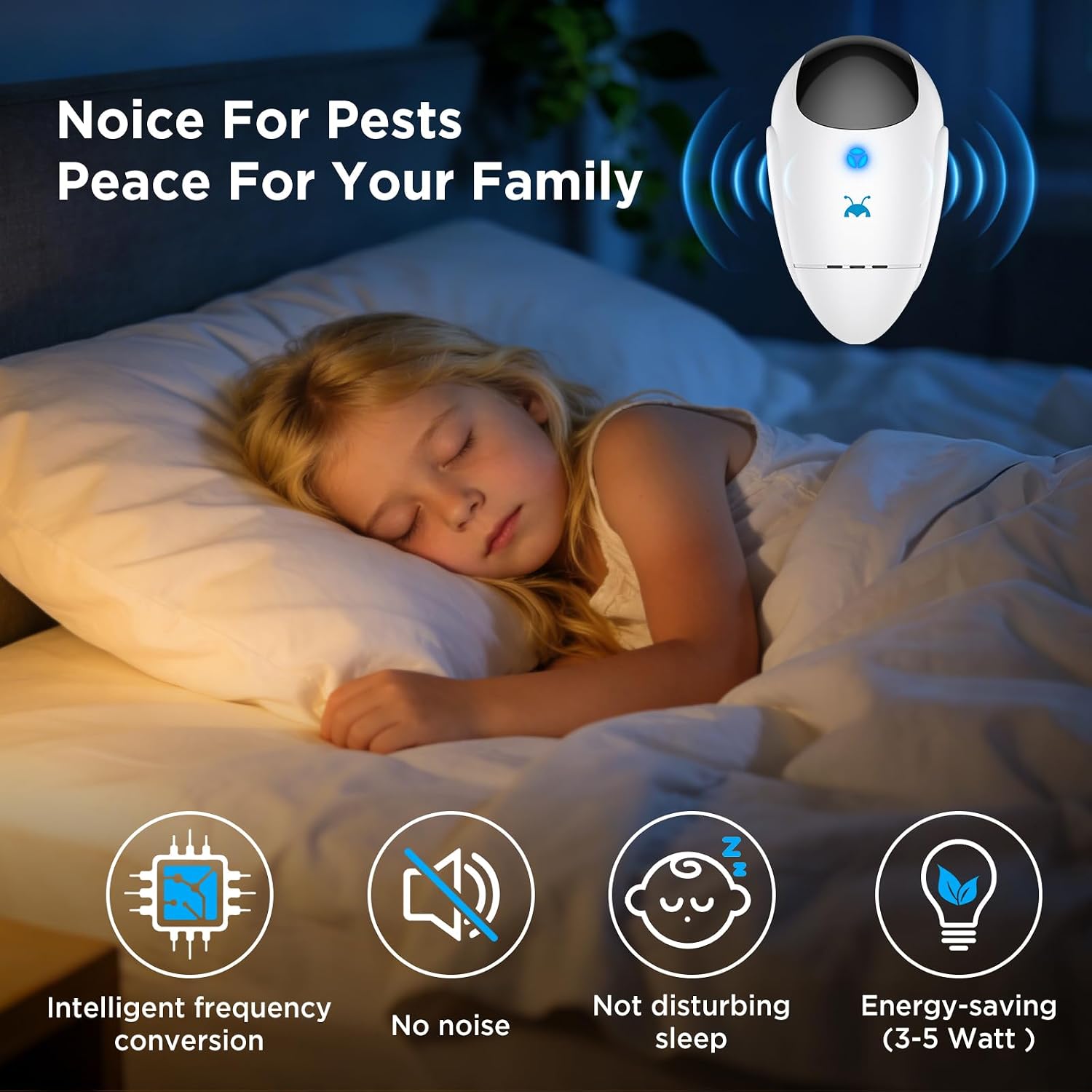
What it is and what problem it tackles\nThe Neatmaster 2026 Upgraded Ultrasonic Repeller is an electronic pest control device designed for indoor spaces. It uses ultrasonic waves to create an environment that pests generally find unpleasant, encouraging them to relocate without the use of chemicals. If you’re looking for a chemical-free way to reduce roaches, mice, ants, spiders, mosquitoes, and other common pests, this option aims to provide a plug-in, low-maintenance approach that can complement cleaning routines and sanitation efforts. On the paper, it promises a gradual shift in pest habits with regular use, offering a living space that feels cleaner and safer for people and pets.\n\n## How it works and what to expect\nSetup is straightforward: plug the unit into a standard wall outlet, and you’ll hear a brief beep plus a pulsing blue light indicating it’s active. The manufacturer notes that noticeable reductions in pest activity often appear within 2–4 weeks as pests move away from treated areas. It’s also mentioned that early weeks may show a temporary uptick in sightings as pests emerge from hiding to relocate. This is presented as a normal part of the adjustment period, not a sign of failure. For broader coverage, multiple units are suggested since ultrasonic waves don’t travel through walls or solid furniture.\n\n## Coverage, limits, and practical use\nEach device is described as covering 800–1,200 square feet in open spaces. In larger homes or spaces with multiple rooms, placing one unit per room or major area can help create a web of disruption for pests. The claim of “no toxins, no odors, no cleanup” positions this as a clean alternative to sprays, traps, or bait stations. However, the effectiveness depends on layout, wall materials, and the presence of walls or obstructions that can block sound waves. If you live in a small apartment, a single unit might suffice, while larger homes could benefit from a 2–4 unit setup.\n\n## Energy use and maintenance\nA notable practical benefit is energy efficiency: about 3–5 watts per unit, which is significantly lower than many single-purpose lighting or charging devices. There are no batteries to replace and no ongoing maintenance beyond plug-in usage. That simplicity can be appealing if you want a “set it and forget it” solution rather than ongoing consumables.\n\n## What it’s best for and who should consider it\nIf your priority is chemical-free pest deterrence and you’re comfortable with a slower, gradual reduction in sightings, this Neatmaster model could fit. It may be more appealing to households seeking a non-toxic approach or those who want to avoid traps and sprays. It’s worth noting that effectiveness can vary by space, and early weeks might show more activity as pests relocate. For very busy households or environments with hard-to-reach areas, you might want to pair it with sanitation efforts or consider extending coverage with additional units.\n\n## Pros and cons in plain terms\nPros: chemical-free operation, low energy use, simple setup, no ongoing maintenance, scalable with multiple units. Cons: performance depends on room layout, results can take weeks to materialize, walls and large furniture can impede coverage, not a guaranteed solution for heavy infestations.\n\n## Practical usage example\nIn a medium-sized living area, you plug in one unit near the entry of the kitchen and another in the living room. Over several weeks you notice fewer sightings of small insects and occasional rodents, especially after pairing with cleaning routines like sealing entry points and removing food debris. The extra units help in spaces with open plan layouts where signals might otherwise be blocked.\n\n## What to review before buying\n- Confirm you have enough plug-in outlets across rooms to place units where they’ll be most effective.\n- Consider your home’s layout: open floor plans benefit from multiple units.\n- Be prepared for a short adjustment phase during the first 1–2 weeks when activity might look unchanged or slightly higher.\n- Understand that this is a non-chemical approach, not a guaranteed quick fix for severe infestations.\n\n## Quick comparison to alternative approaches\nIf you prioritize speed and a guaranteed drop in pests, chemical sprays or traps can deliver faster occupancy control but introduce odors, cleanup, and potential safety concerns for pets and kids. This Neatmaster option leans toward ongoing, low-impact prevention rather than rapid eradication, making sense for maintenance and sanitation-focused homes.\n\n## It’s worth noting for day-to-day use\nIf you value quiet operation and a device that blends into home life with minimal attention, this plug-in approach can be a reasonable part of a broader pest management plan.\n\n## Final decision: Is it worth it?\nIs it worth it for you to try a chemical-free, plug-in pest deterrent that scales with your space and requires minimal upkeep? This model offers a practical, energy-efficient option for gradual pest reduction, especially if you’re avoiding traps and sprays. It may be most compelling if you’re starting with small-to-midsize open areas and are comfortable with a slower improvement timeline.\n\n## FAQ (practical, no-fluff answers)\n- How soon will I see results? Most users report fewer pests within 2–4 weeks, though early weeks can show more activity as pests relocate.\n- Can I use it in a multi-room home? Yes, but you may want multiple units to cover larger areas effectively.\n- Are there safety concerns for pets or children? The device is marketed as chemical-free and safe, but if you have baby animals or sensitive pets, observe their reactions and consider a gradual rollout.\n