


Maywa Denki Otamatone portable synthesizer 🎶
Reviews
Price
Product description
This compact electronic synth from Otamatone brings playful sound creation to beginners and hobbyists, combining a toy-like design with real musical control for casual practice and creative fun. Its portable format makes it easy to take to lessons, parties, or just to experiment at home while exploring pitch bending and simple melodies.
Key Points
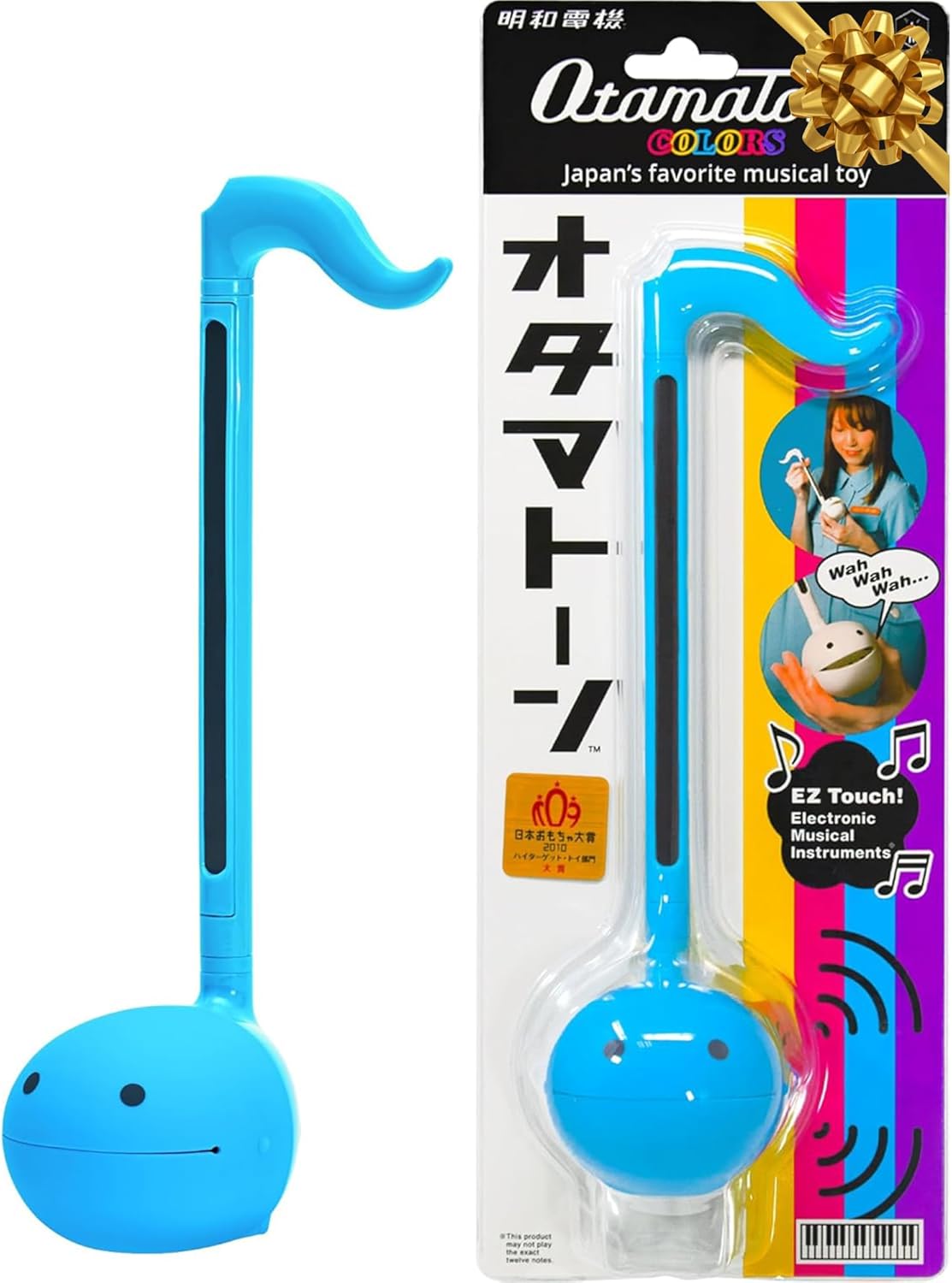
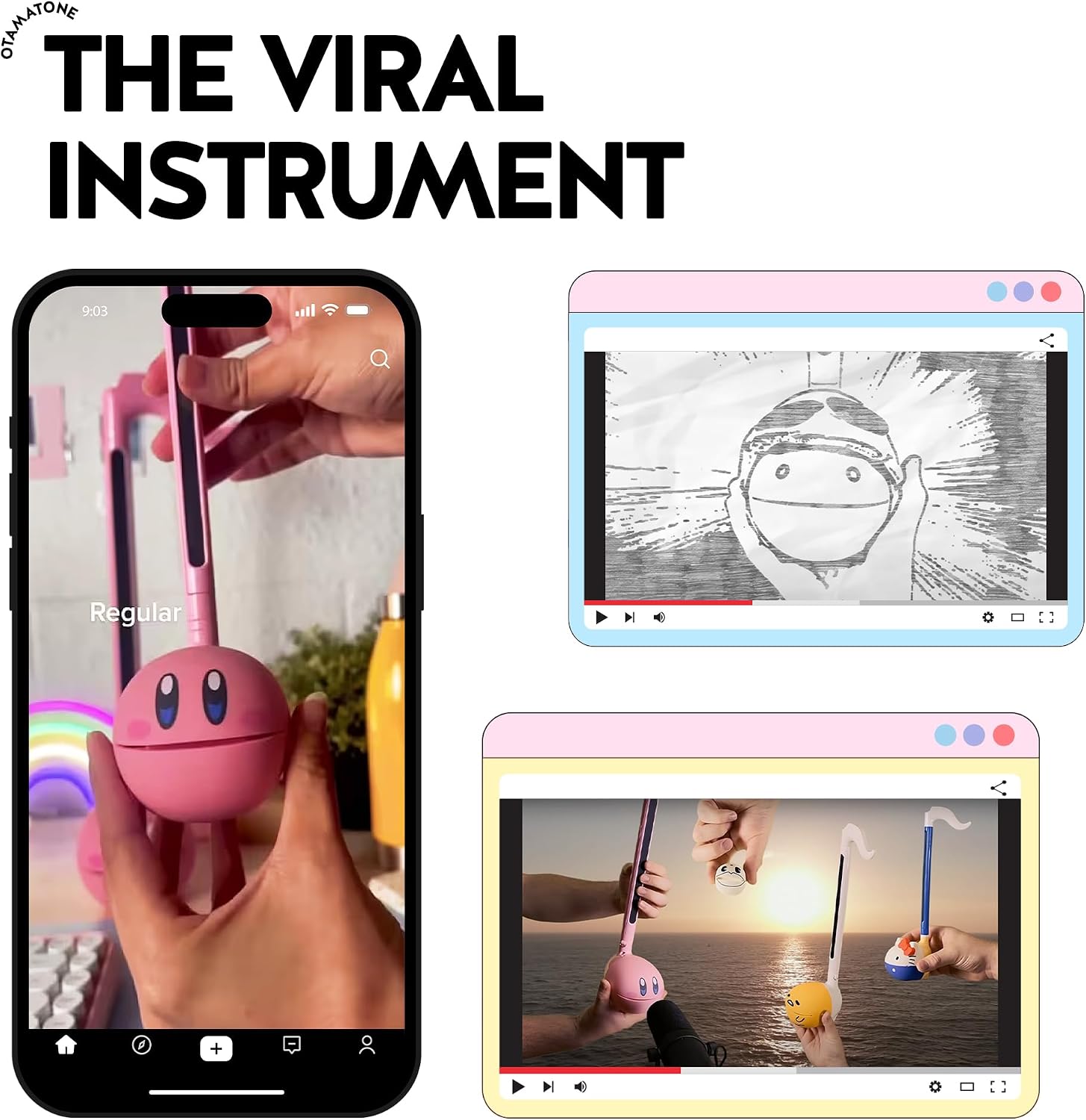
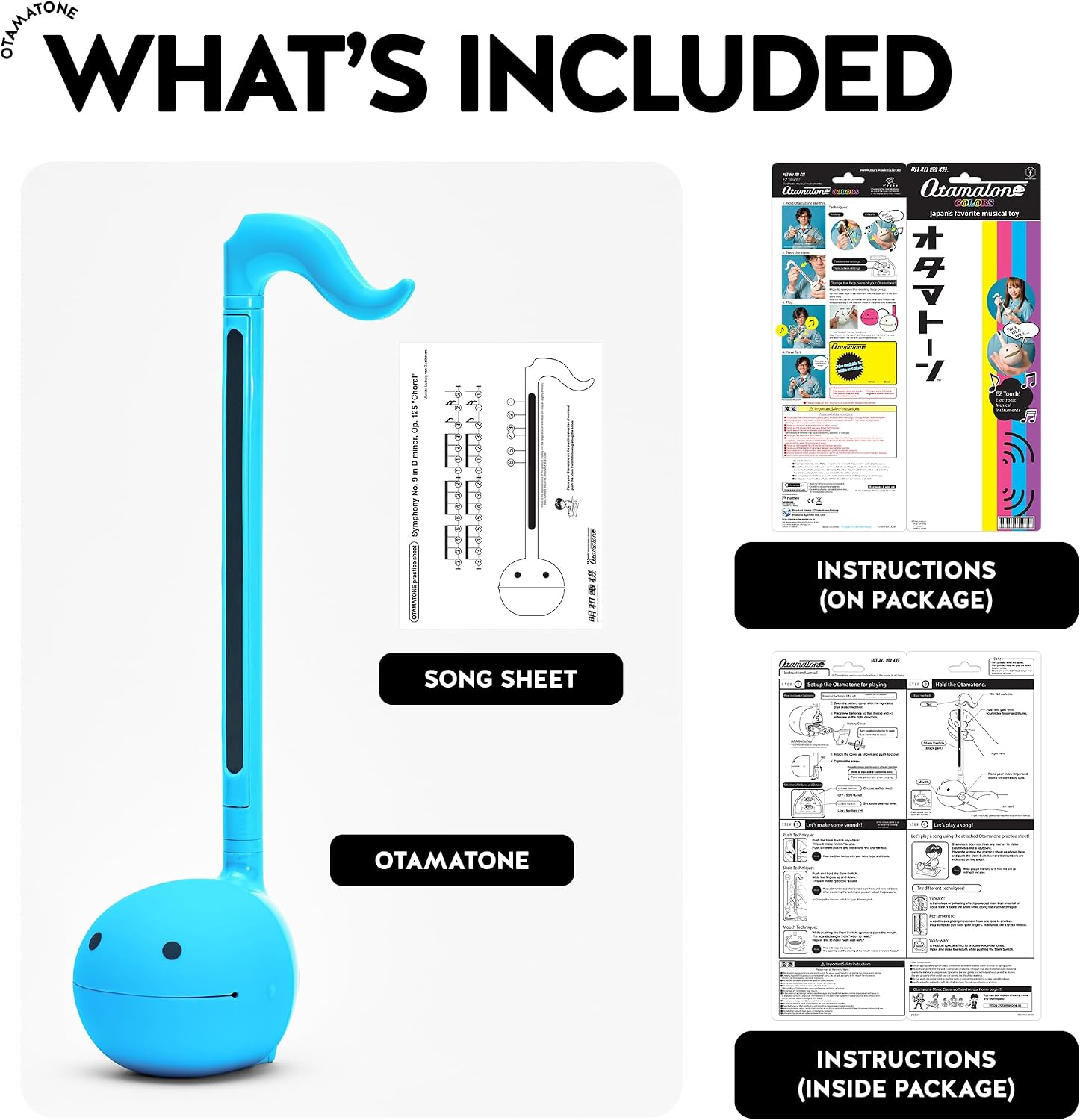
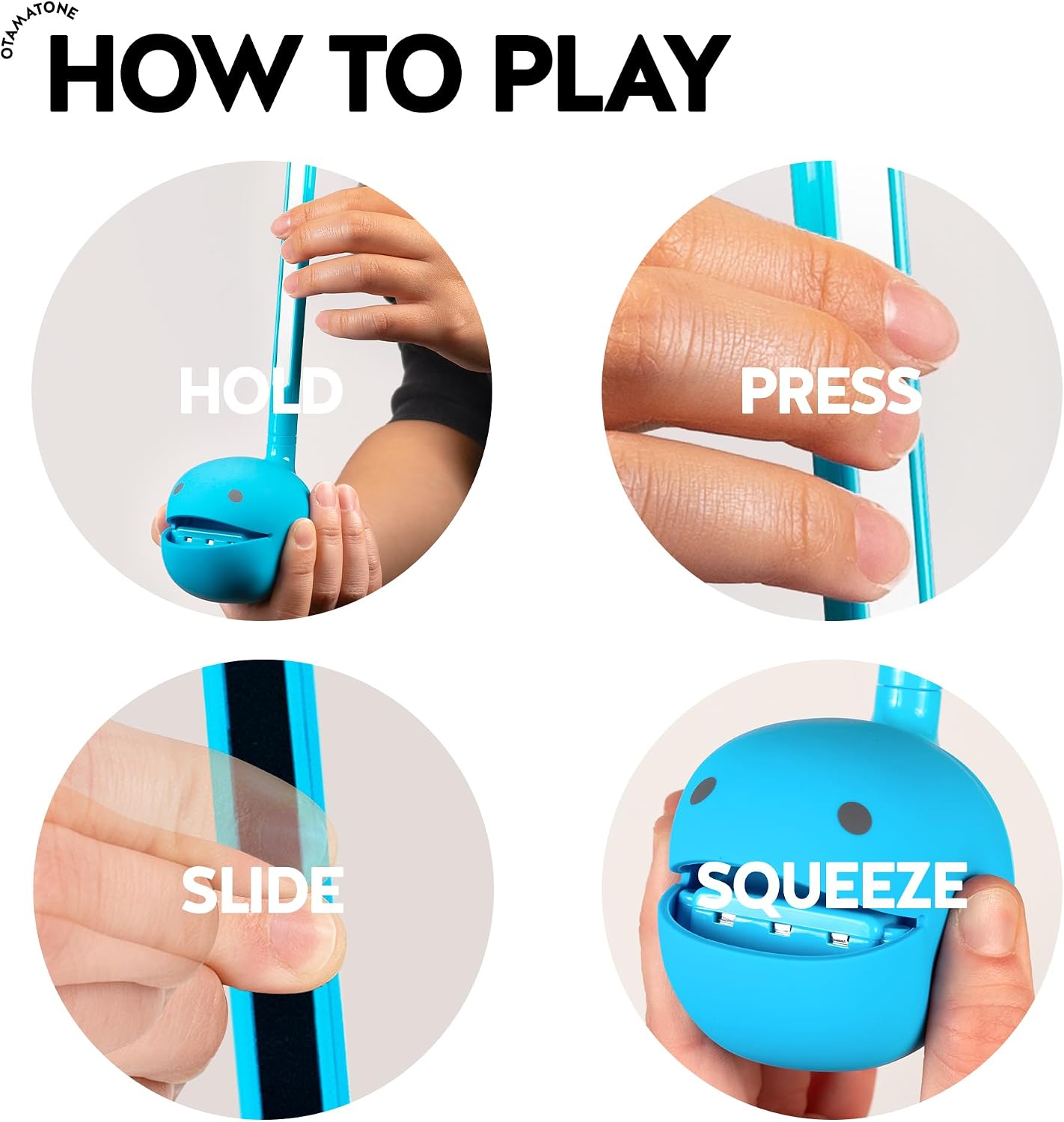
The Otamatone is a small, handheld synthesizer that uses a touch-sensitive neck to change pitch and a squeezable face to alter sound character. It works on three AAA batteries, which makes it ready to play anywhere without needing mains power. The instrument is noted for its whimsical appearance and approachable learning curve, offering an engaging way for kids, teens, and adults to interact with music. 🎵
Technical Specifications
- Name: Otamatone Japanese Electronic Musical Instrument Portable Music Synthesizer
- Brand: Otamatone
- Power: 3 AAA batteries required (not included)
- Sizes available: Deluxe 17.3 in, Regular 11.2 in, Melody 3.8 in
- Color: Blue (this listing)
Benefits


Playing the Otamatone is tactile and immediate, with sliding finger motions producing continuous pitch changes that encourage ear training and melody practice. The expressive squeeze control for volume and timbre adds performative flair and makes simple sound effects easy to create. For those curious about synthesis, it provides a low-pressure introduction to electronic tone shaping and phrasing.
Usage Recommendations
Start by practicing single-note scales along the neck to get used to the touch-sensitive surface, then add gentle squeezes of the face to vary tone and dynamics. For younger players, the Melody size is easier to manage, while the Regular and Deluxe models give more range and feel closer to a miniature instrument. Consider changing batteries before longer sessions and keep the unit in a padded case to protect the body and electronics during transport. 🎶
The Essentials
The Otamatone blends novelty design with real playable features, making it both a conversation piece and a learning tool. It may not replace a traditional instrument when precise intonation is needed, but it creates a playful path into musical experimentation and sound design. 🪄.