

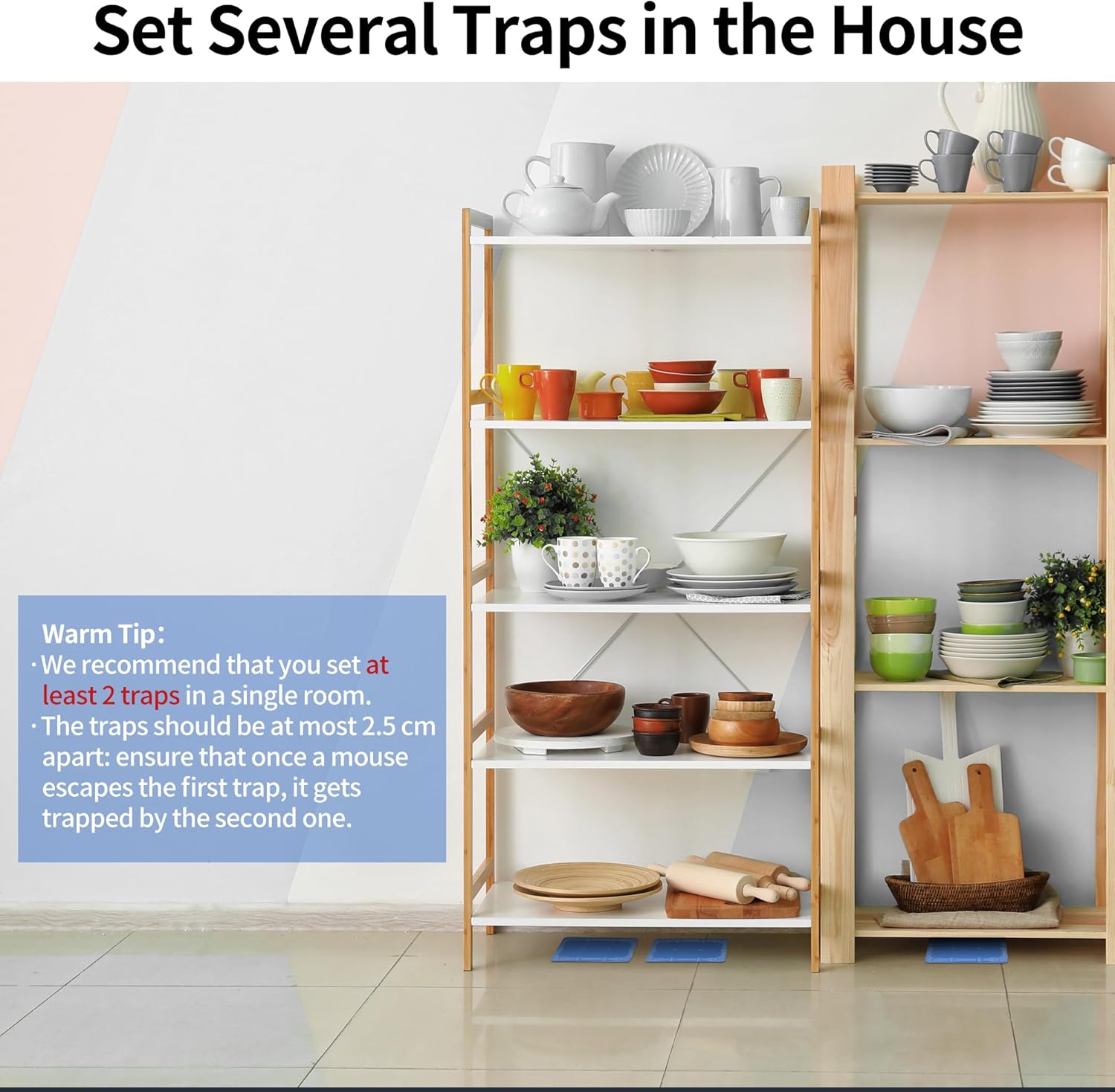
LULUCATCH Mouse & Insect Traps 12-Pack: heavier sticky glue trays for indoor pests
Product description
The essentials
If you’re dealing with small pests indoors—think mice and a range of small insects—sticky glue traps like this LULUCATCH 12-pack are designed for straightforward, no-fuss capture. You place the trays where pests travel, and the trapping surface does the work. It’s the kind of pest-control tool that makes sense when you want to stop activity along walls and hidden routes rather than chase bugs around room-by-room.
One thing to keep in mind: sticky traps aren’t for everyone. They’re effective on the “where they run” strategy, but if you need something for very sensitive areas (or you’re strongly opposed to glue-based capture), you may want to look at alternatives.
Key features that matter in real life
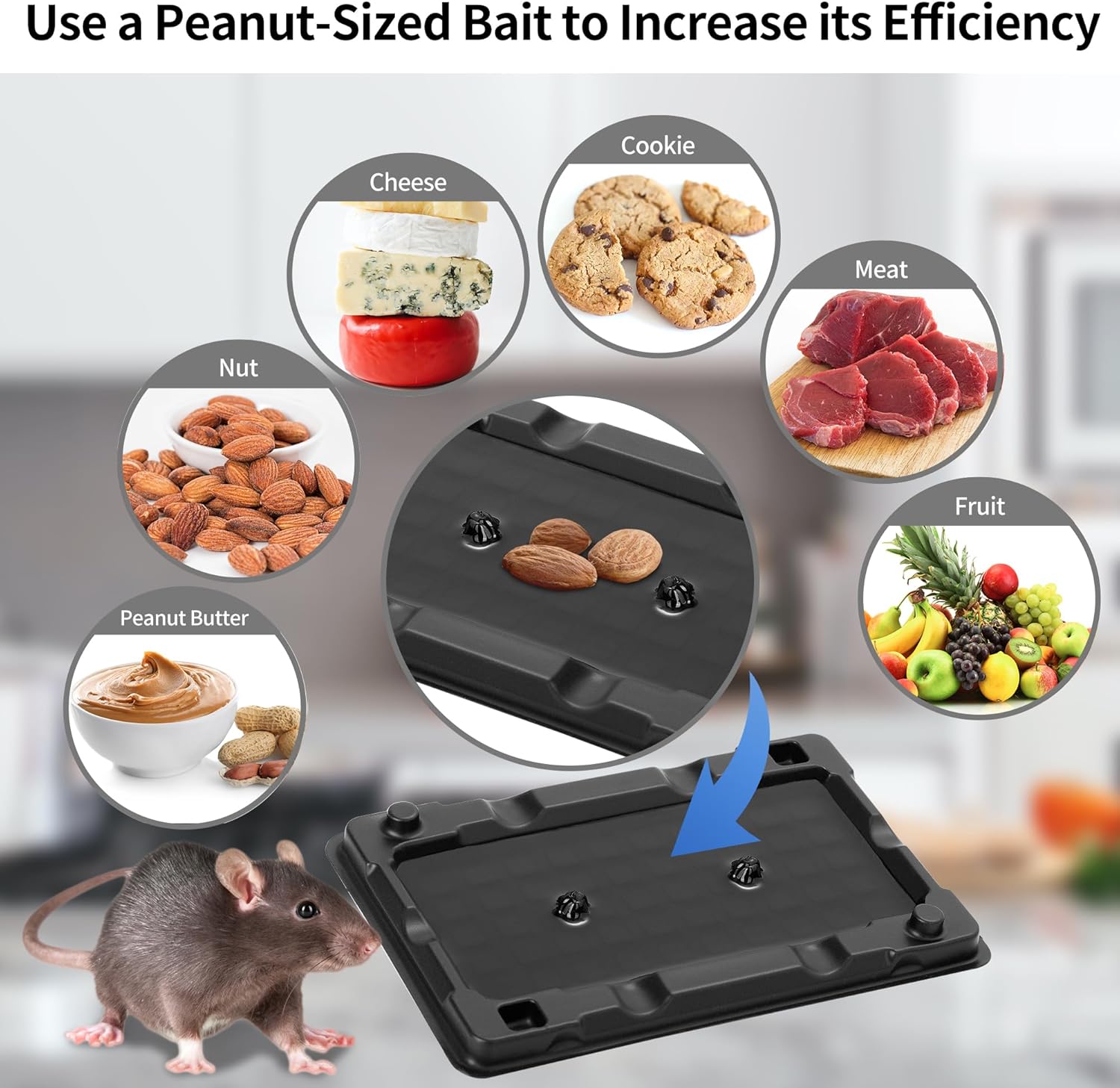
These traps are described as being pre-baited with a peanut butter scent to boost attraction. Over the way home pests behave, that’s an important detail—many pests follow scent trails, so pre-baiting can help the trap get attention faster than a plain, empty tray. In day-to-day use, it’s the difference between “maybe they’ll notice it” and “they’re already drawn in.”
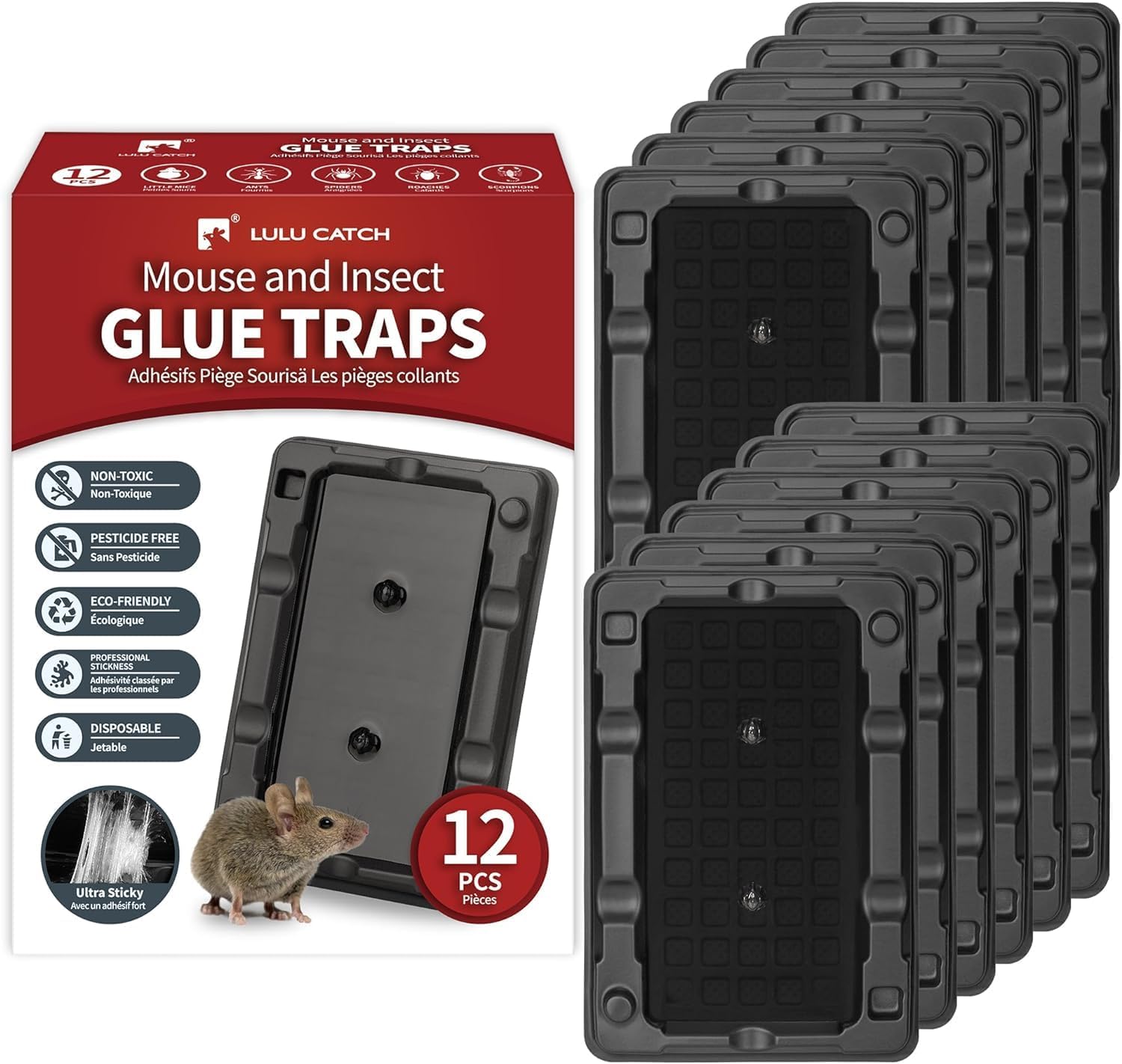
They also use a glue described as non-toxic and intended for indoor use, including around children and pets. The listing frames it as harmless for kids and pets, which is reassuring on paper, though you’ll still want to place traps carefully and out of reach. The glue is described as “super glue” that can withstand cold weather, which may help if you’re using them in basements, garages, attics, or other less temperature-stable spots.
Finally, the traps are positioned as heavier sticky trays. That matters because lighter adhesive boards can feel flimsy, while heavier trays are generally the kind you’d rather lean on when you’re trying to catch something that moves quickly along a wall.
Where to place them (so they actually catch)
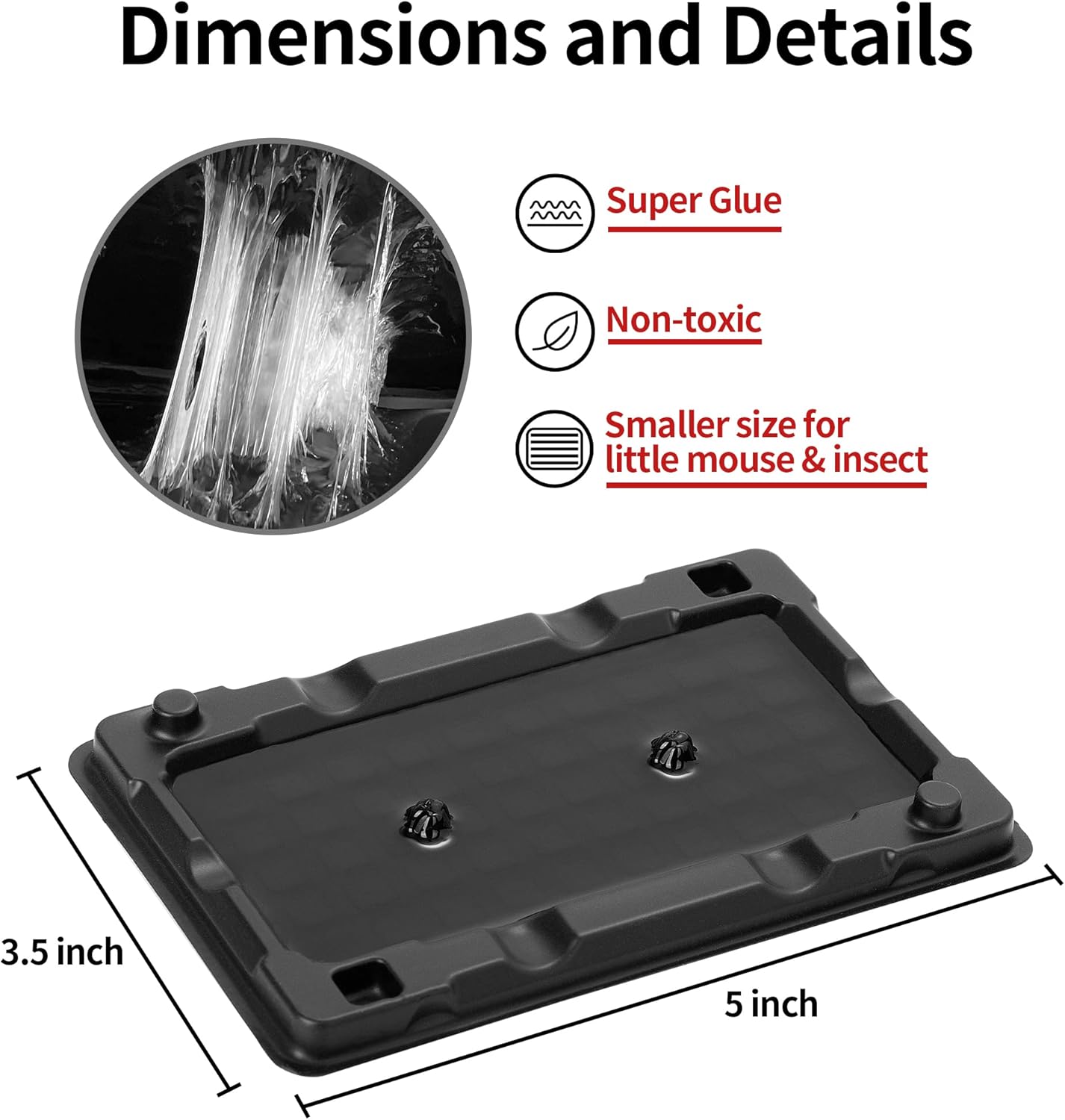
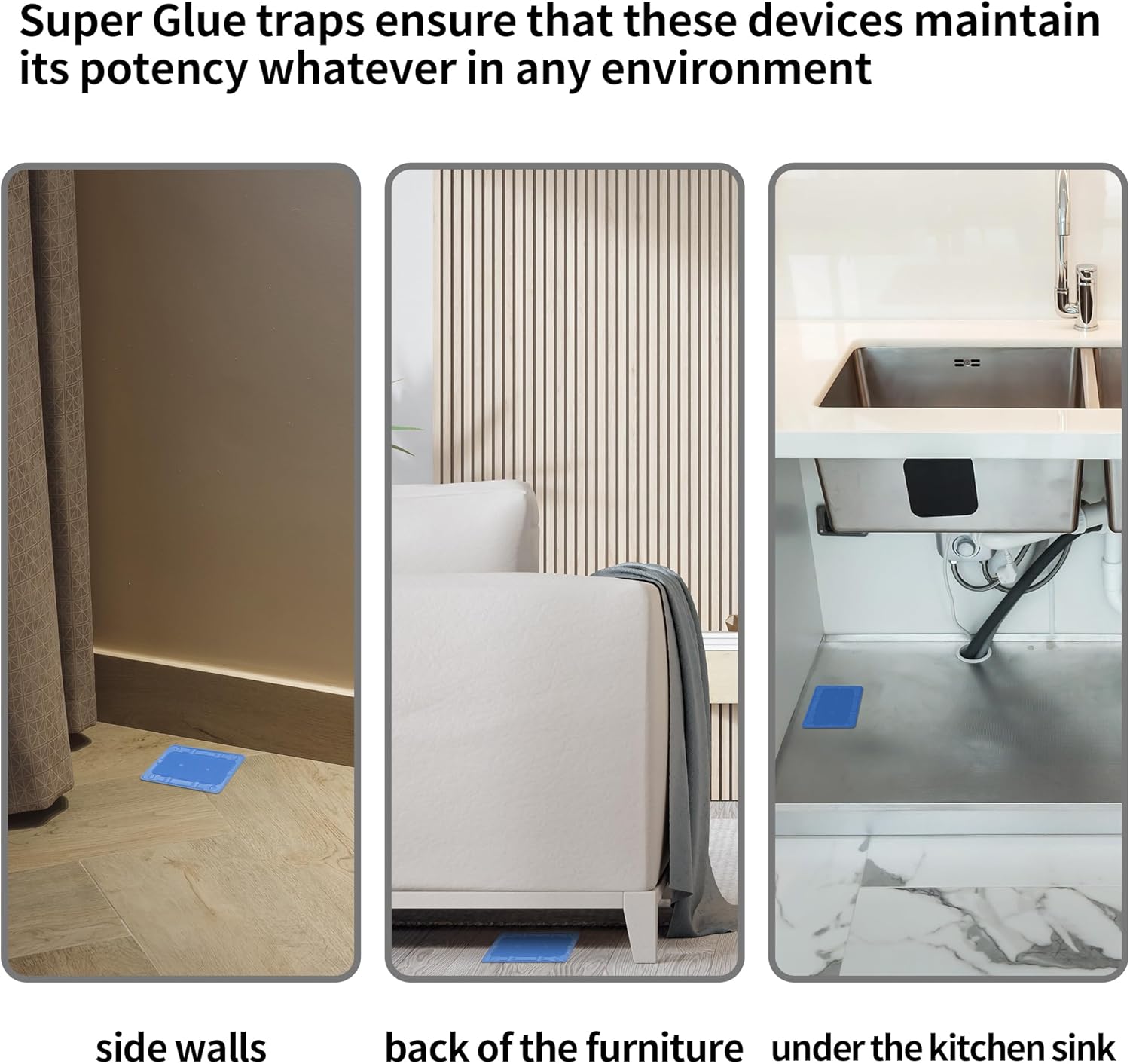
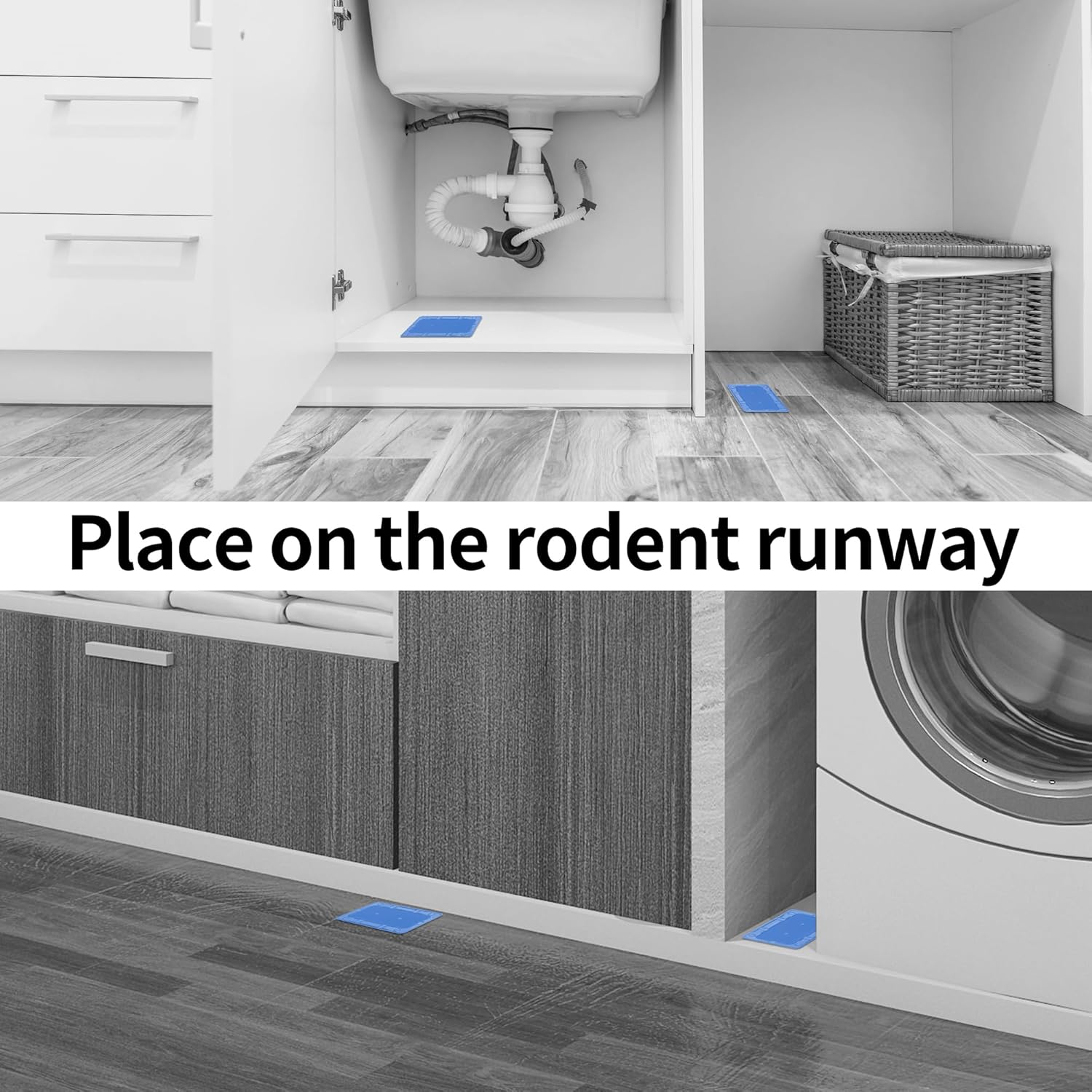
These are glue traps meant to be set along active runways—especially along walls and in places pests travel repeatedly. The guidance given includes positioning them flush against a wall so rodents and insects run over them and stick to the surface. Common placement ideas mentioned are under large kitchen appliances, in cupboards, and other tight routes.
Here’s a practical example: if you’ve noticed tiny insect traffic near a pantry wall or along a skirting board, you can set a tray directly along that line. The goal isn’t to block the whole room, it’s to intercept the predictable path.
For mouse activity, the same logic applies. Put trays along the wall where you’ve seen droppings, rub marks, or repeated sightings—especially near kitchen areas, basements, or storage zones.
What pests they’re intended for (and what to expect)
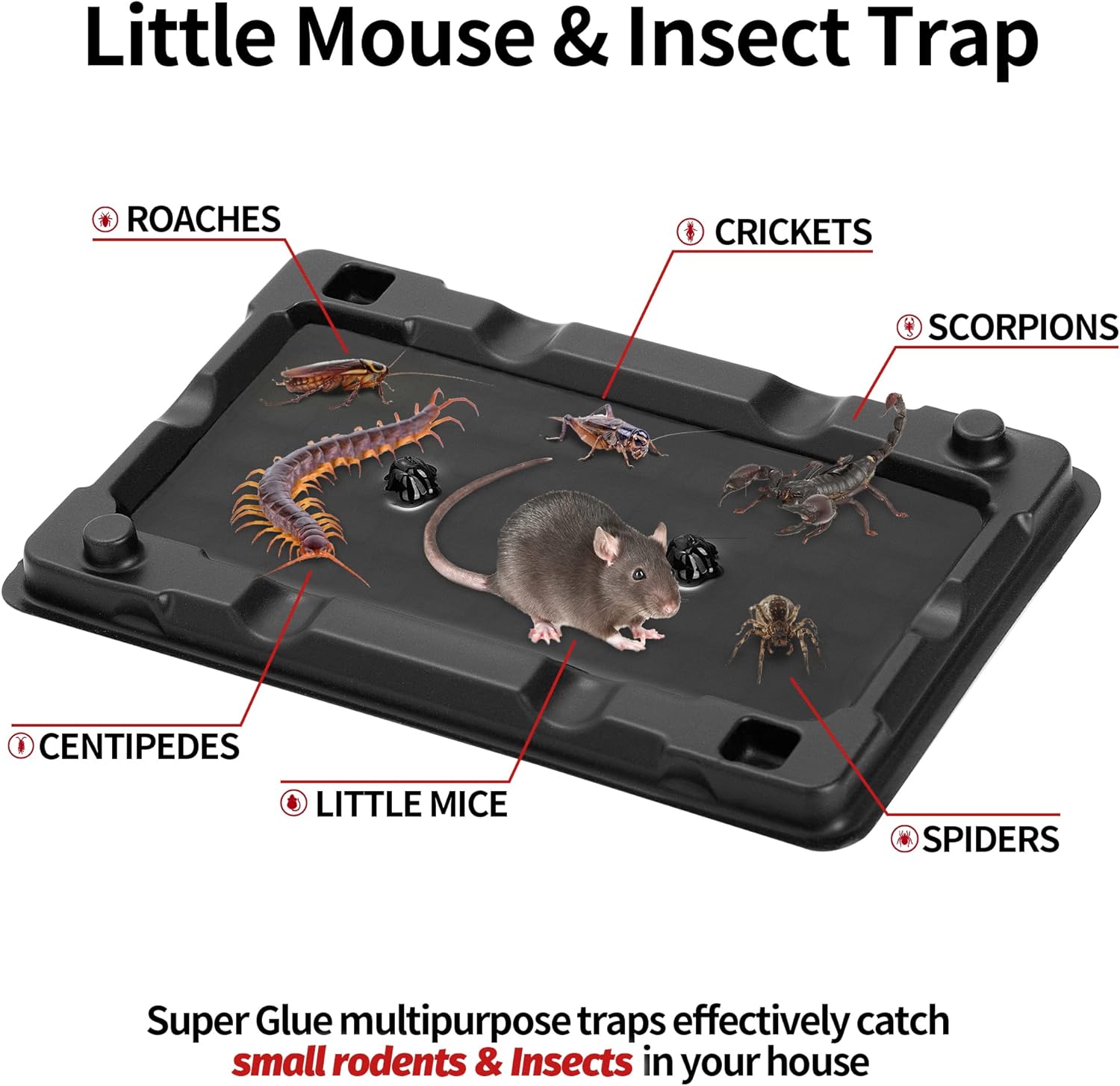
The product description claims a wide application for small mice and insects, including mice, roaches, ants, and other small insects. It also lists examples like crickets, scorpions, spiders, lizards, and rats.
That broad “catch list” is useful when you’re dealing with mixed pest activity. Still, it may be worth tempering expectations: sticky traps work best for small targets that contact the adhesive, and they depend heavily on placement. If the pest activity is sporadic or in open areas, sticky trays can feel less efficient.
Coverage and best-use scenarios
The listing suggests use in basements, residences, warehouses, restaurants, houses, indoor/industrial buildings, and attics. In other words, it’s pitched as an indoor pest-control tool that can be deployed across different environments.
It also notes that the trays come out as pairs, which can make it easier to set multiple stations close to likely runways.
This is also the kind of product that tends to fit “monitor and intercept” situations—when you want to reduce the chance of infestation by catching pests as they move through the home or building, instead of relying solely on deterrents.
Careful notes before you buy
Even with the non-toxic positioning, sticky traps require careful handling. You’ll want to keep them placed exactly where intended and avoid areas where they could be reached easily.
Also, because the effectiveness depends on pests walking over the trap, you may see slower results if you don’t place them along active routes. And if you’re hoping for a cleanup-friendly, hands-off solution, glue-based traps can be more work than mechanical alternatives.
Is it worth it?
Choose this LULUCATCH Mouse & Insect Traps 12-pack if you’re trying to capture small mice and small insects indoors by intercepting the paths they already use—especially along walls, near appliances, and in cupboards or storage areas. The pre-baited peanut butter scent and the “heavy” tray design are the two details that make it feel more than a generic sticky board.
Skip it if you need a method that’s hands-off and kid/pet-proof by placement alone, or if your pest issue doesn’t have clear runways to target. Sticky traps can be a solid, practical tool, but they’re not a substitute for addressing the underlying entry points and attractants. If you prioritize fast, targeted results, placement will make or break this.
Mini FAQ
How do I get the best results from these sticky traps?
Place them flush against walls along the runways you’ve noticed, such as along skirting boards, under large appliances, or in cupboards where pests travel. The listing emphasizes active pathways because that’s where capture is most likely.
Are these traps safe for indoor use around pets and children?
The description states the glue is non-toxic and harmless to children and pets and is safe for use inside your house. Still, you should handle and place them with care and keep them out of easy reach.
What’s the purpose of the peanut butter scent?
They’re pre-baited with a peanut butter scent to increase attraction. If pests respond to food odors in your space, that scent detail can help the trap get noticed sooner.
Where should I place them for mice vs insects?
For mice, focus on wall-adjacent routes and areas where they’re already moving (including basements or kitchen-adjacent spaces). For insects, place along areas where you see recurring movement, like along walls, cupboards, and skirting boards.
Does the glue work in colder areas?
The listing says the super glue can withstand cold weather, which may help if you’re setting traps in basements, attics, or other temperature-variable spaces.