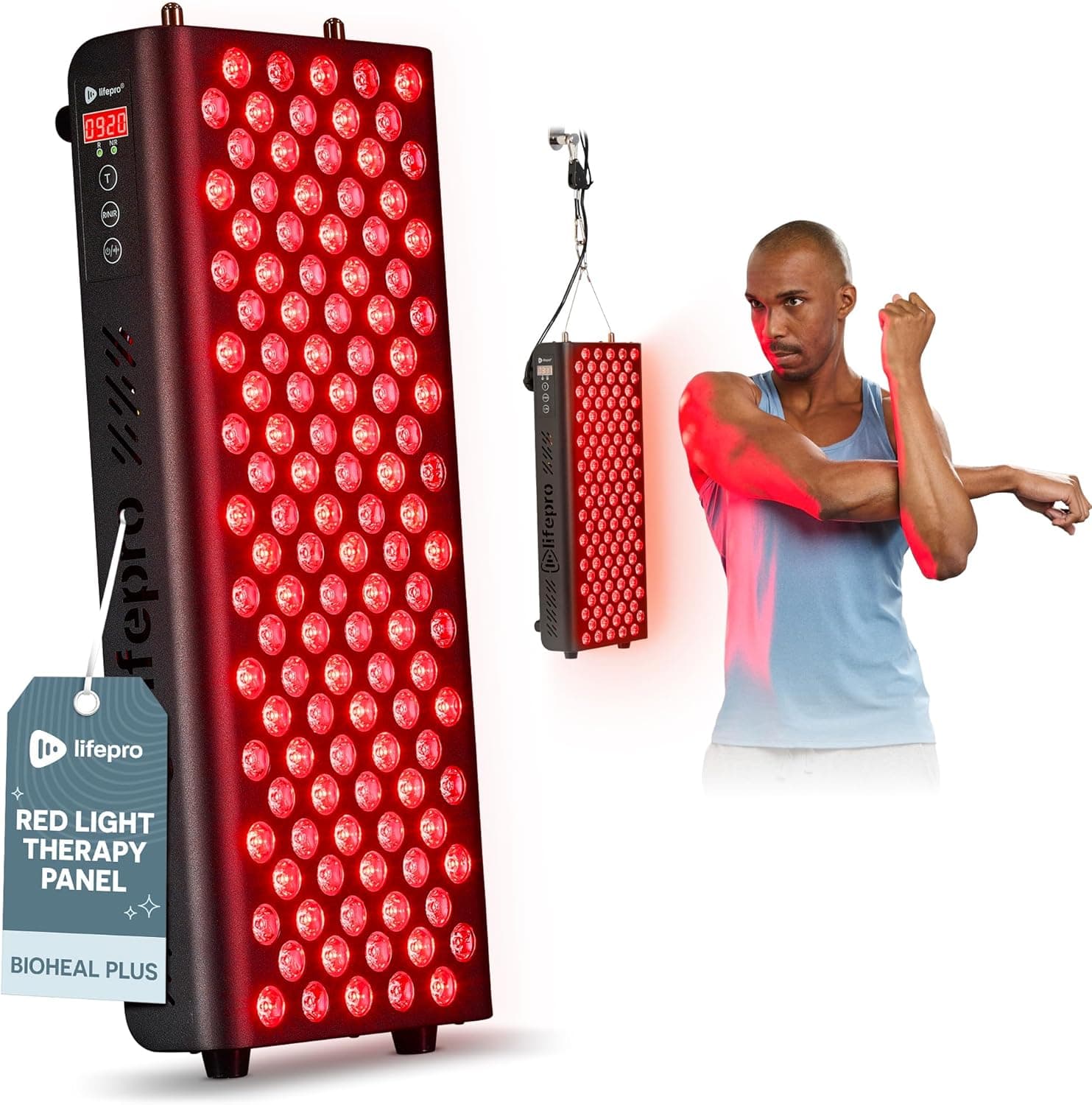
LifePro Red Light Therapy Panel 660nm 📷

Description:
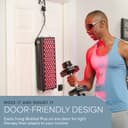
This full-body red light therapy panel combines near-infrared and visible red wavelengths to support daily recovery and skin health, making it suitable for at-home sessions after workouts or during self-care routines. The unit offers both 660 nm red light for skin rejuvenation and 850 nm near-infrared for deeper tissue relief, and it can be used stationary with mounts or transported with the included case and charging cable.
Key Points
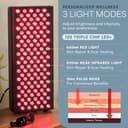
The panel delivers two distinct wavelengths to address different needs. The 660 nm red light targets skin appearance and superficial healing while the 850 nm near-infrared mode penetrates deeper to help relieve muscle and joint discomfort. A 10 Hz pulse option is available to potentially enhance cellular regeneration according to the manufacturer. The package includes a hanging kit and protective eyewear for safer operation, and a hard case for portability.
Technical Specifications
- Name: LifePro Red Light Therapy Body Panel
- LEDs: - 90 & 120 dual-chip LED arrays depending on model
- Wavelengths: - 660 nm (red) and 850 nm (near infrared)
- Modes: - Continuous red, continuous near-infrared, 10 Hz pulsed mode
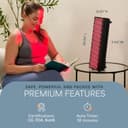
- Accessories: - Hanging kit, hard case, charging cable, eyewear
Benefits
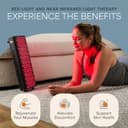
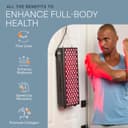
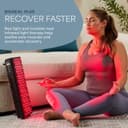
Using the panel may help reduce muscle soreness and support joint comfort when applied consistently after physical activity. The visible red wavelength can also contribute to improved wound healing and a revitalized skin appearance according to the manufacturer. The pulsed 10 Hz setting is intended to boost regenerative effects, which some users seek for longer-term tissue repair and recovery.
Usage Recommendations
Position the panel at the recommended distance for the targeted area and follow the manufacturer’s guidance on session length to balance exposure and comfort. For larger muscle groups or full-body routines, move the panel to cover different zones in successive sessions. Consider starting with shorter sessions to assess tolerance and then adjust duration based on response, remembering that results may vary between people.
Note a couple of practical points. The near-infrared mode is invisible so do not rely on seeing light to confirm operation. Also, while the unit is designed for portability, it may not be as compact as smaller handheld devices, so plan storage and transport accordingly.