

LEADSTAR Fiber Optic HDMI Cable 100 ft — 8K/4K, HDMI 2.1, 48Gbps, eARC, VRR
Product description
What this is
The LEADSTAR Fiber Optic HDMI Cable is a long-distance HDMI 2.1 cable designed to handle ultra-high bandwidth with reduced signal loss over fiber. It’s aimed at home theater and gaming setups that require 8K at 60Hz or 4K at 120Hz, with HDR and modern audio features all the way across a 100 ft run.
What it can do on paper
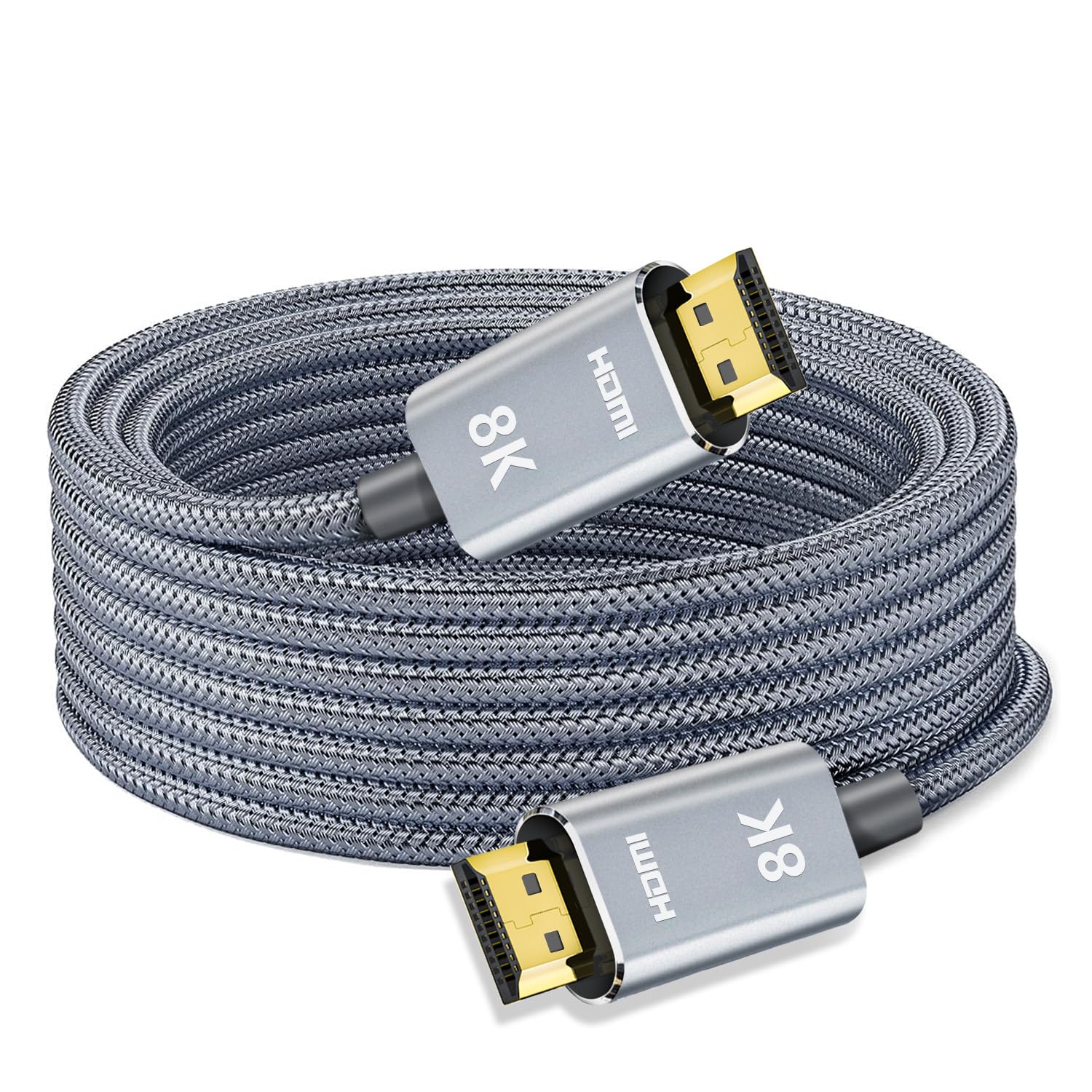
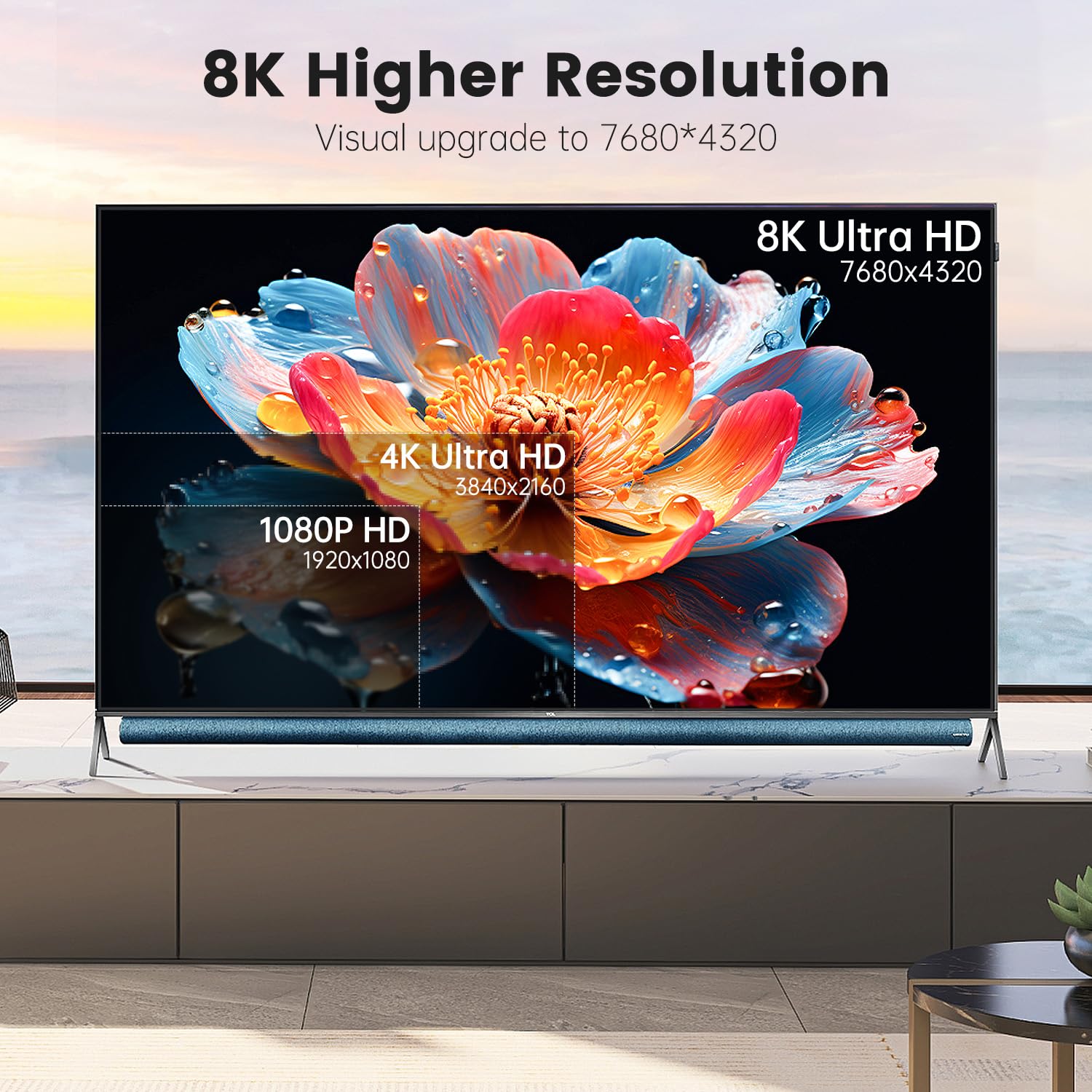
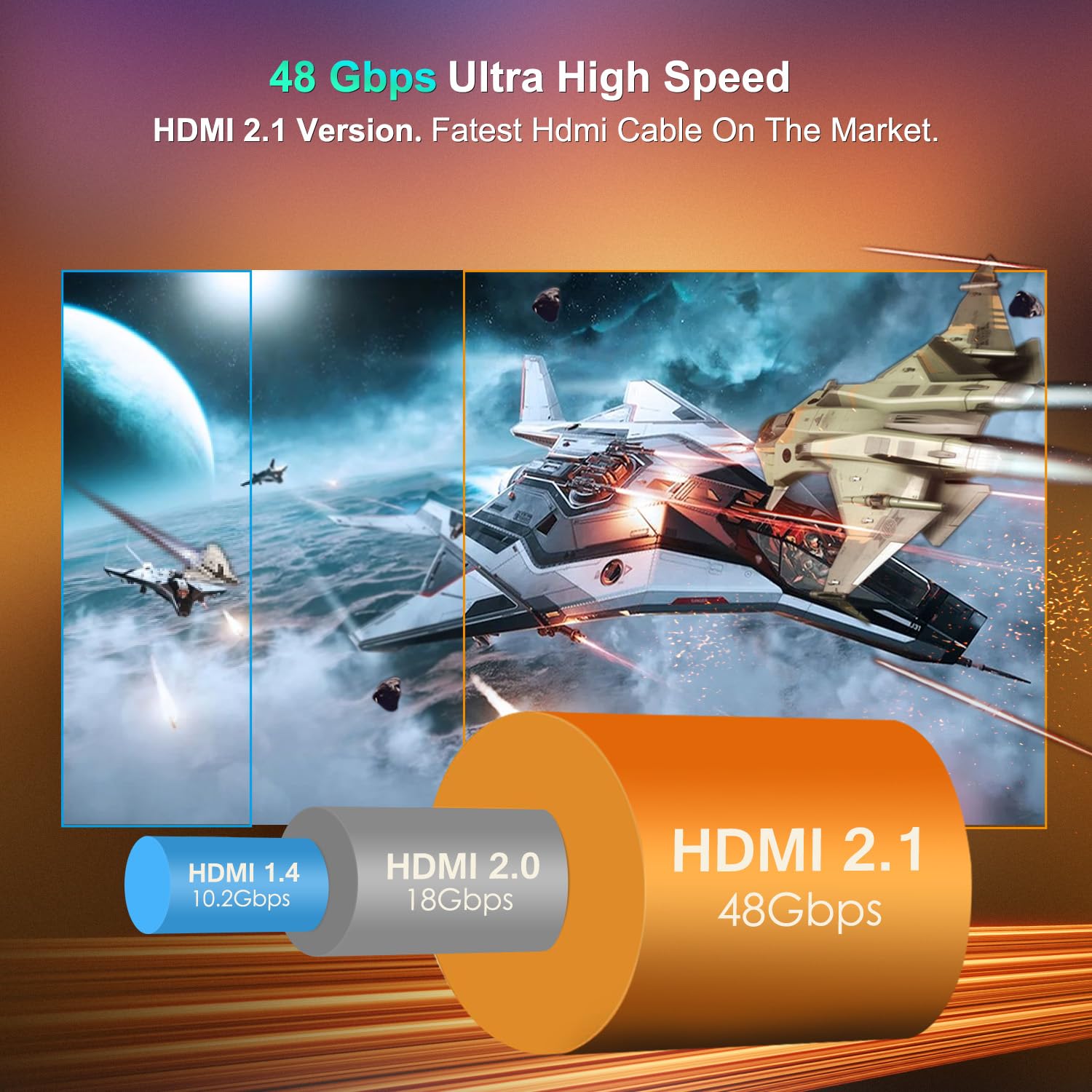
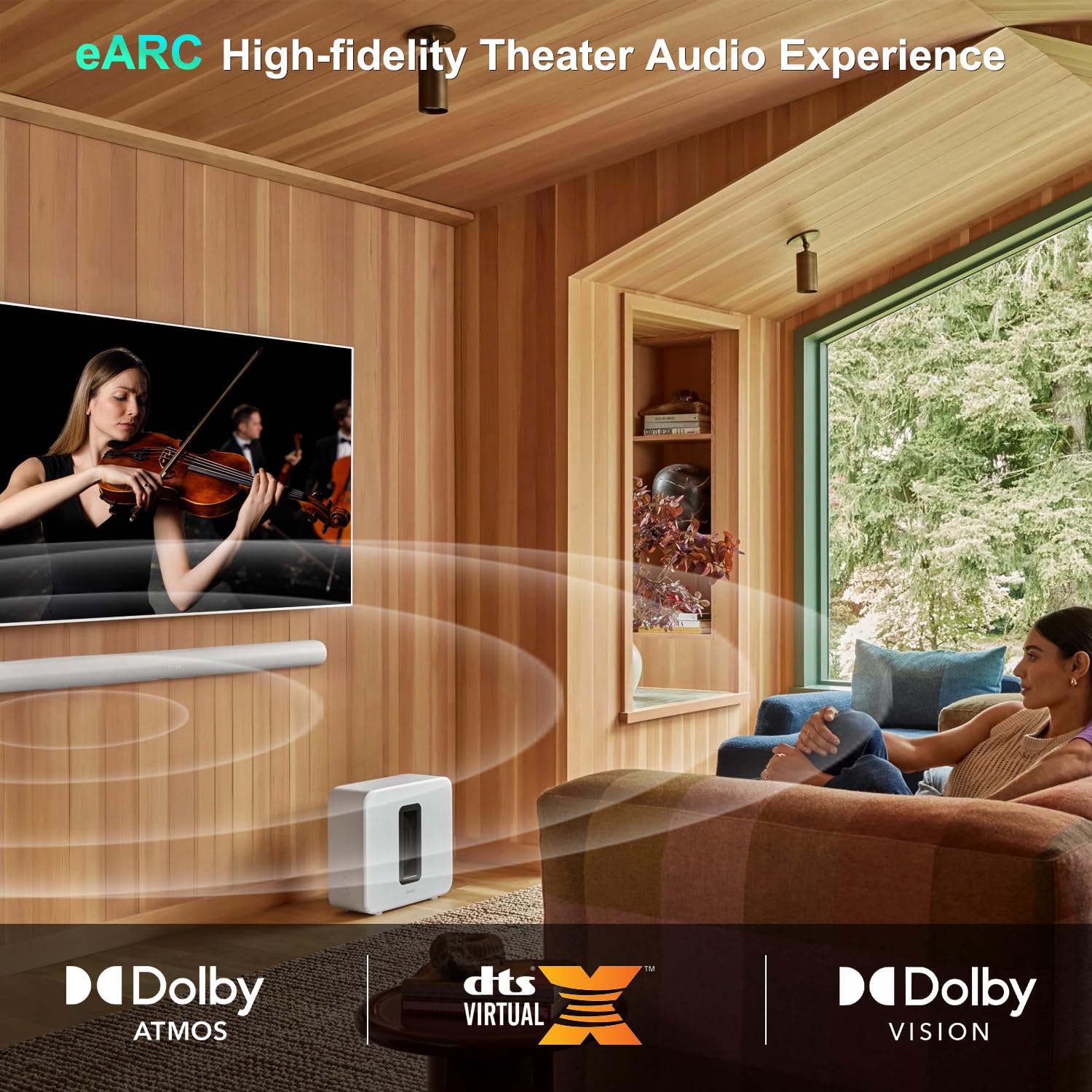
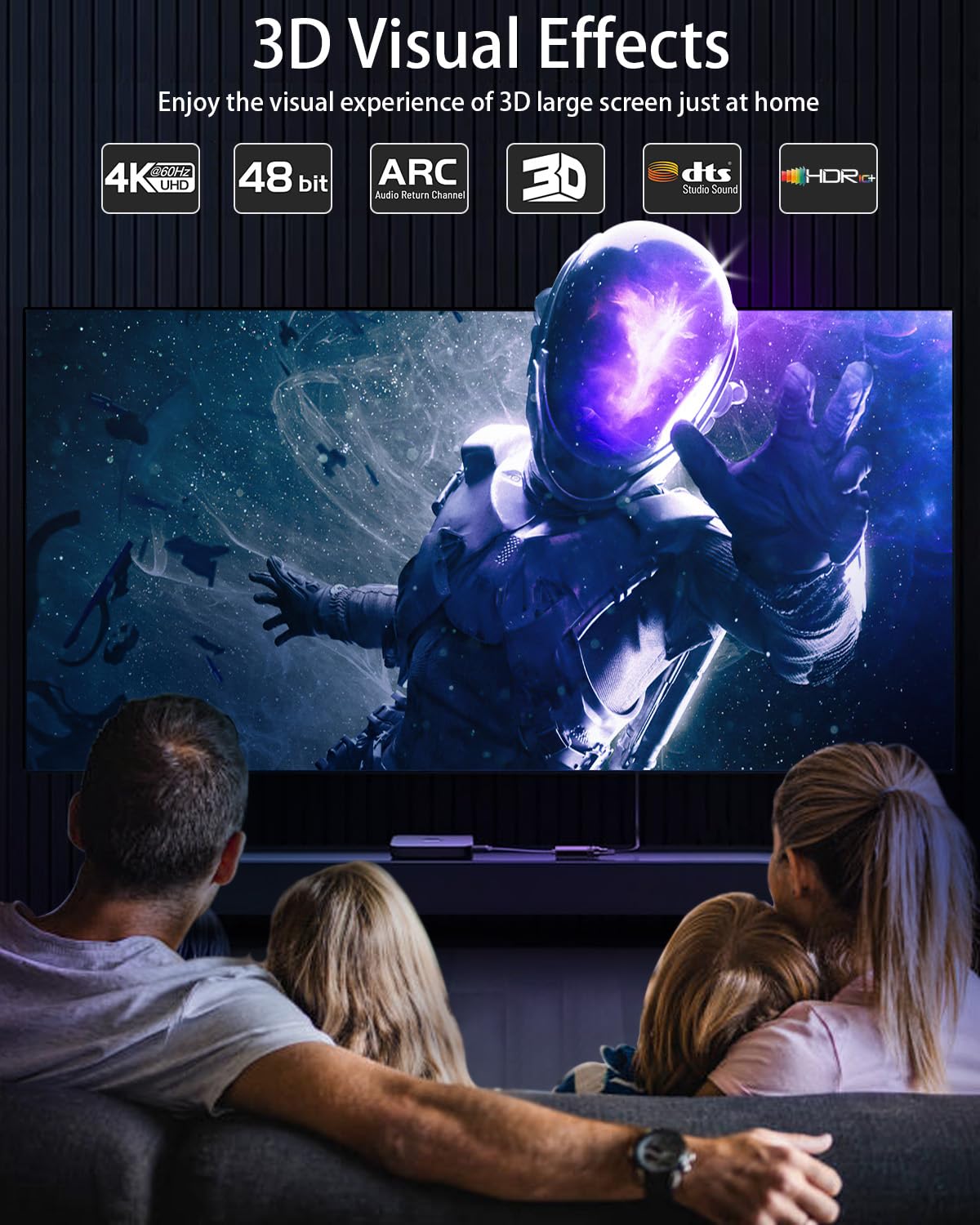
On paper, this cable supports 8K@60Hz and 4K@120Hz, with a 48Gbps bandwidth, Dynamic HDR, 3D, and HDCP 2.2. It’s built for long runs thanks to a braided fiber optic design that should offer lower signal degradation and better interference resistance than copper cables. It also supports VRR for smoother gaming and eARC for enhanced audio formats like Dolby Atmos and DTS:X.
What stands out in use
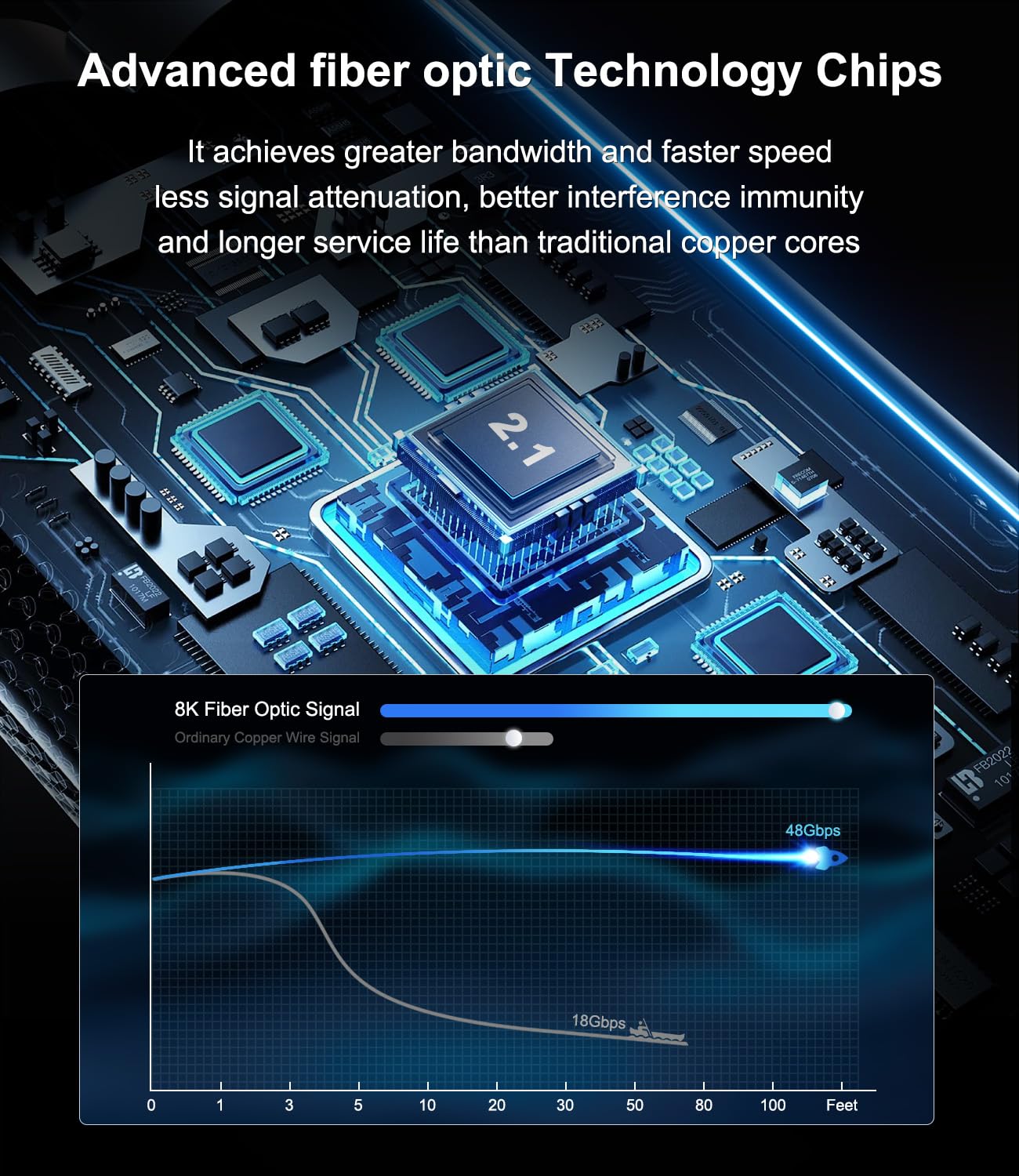
The cable is directional, labeled SOURCE and DISPLAY, so you’ll need to connect devices accordingly. The fiber construction promises higher bandwidth and longer reach without the same attenuation you might see with copper at this length. It’s compatible with HDMI 2.1 devices and backward compatible with 2.0 and earlier standards, which helps if you’re integrating with a mix of consoles, PCs, or media players.
Pros and cons in real-world terms
Pros: high bandwidth for immersive visuals, long 100 ft reach, supports VRR and eARC for gaming and cinema-like audio, fiber design reduces interference, braided and lightweight for easier installation. Cons: it’s a directional cable, so incorrect end labeling can complicate setup, at 100 ft, it’s not a quick grab-and-go cable for a small room, not every use case will need 8K@60Hz or 4K@120Hz depending on your display and content.
Who it’s for
If you’re building a home theater or gaming rig with a long-distance HDMI run and you own next-gen consoles (PS5, Xbox Series X|S) or a gaming PC, this cable could help preserve signal integrity over the distance. It’s particularly relevant when you need frame-rate headroom (VRR) and high-quality audio passthrough via eARC.
Who it isn’t for
If you don’t require 100 ft of HDMI reach, a shorter, copper HDMI 2.1 cable may be simpler and cheaper. If your setup doesn’t demand 8K60 or 4K120, you may not gain the full benefit. And if you’re not comfortable with a directional cable, you’ll want to double-check the labeling before routing it behind furniture.
When it makes sense to buy
Consider this cable when you have a long-distance run from your source devices to a display, want the benefits of HDMI 2.1 (VRR, eARC, high refresh rates), and value the potential reliability of a fiber optic design over copper for that distance.
What to review before buying
Verify your source and display both support HDMI 2.1 features you want (VRR, 4K120 or 8K60), ensure the 100 ft length fits your space, and confirm you’re comfortable with the directional setup. If you’re connecting occasionally or in a short distance, the investment may be harder to justify.
Practical usage example
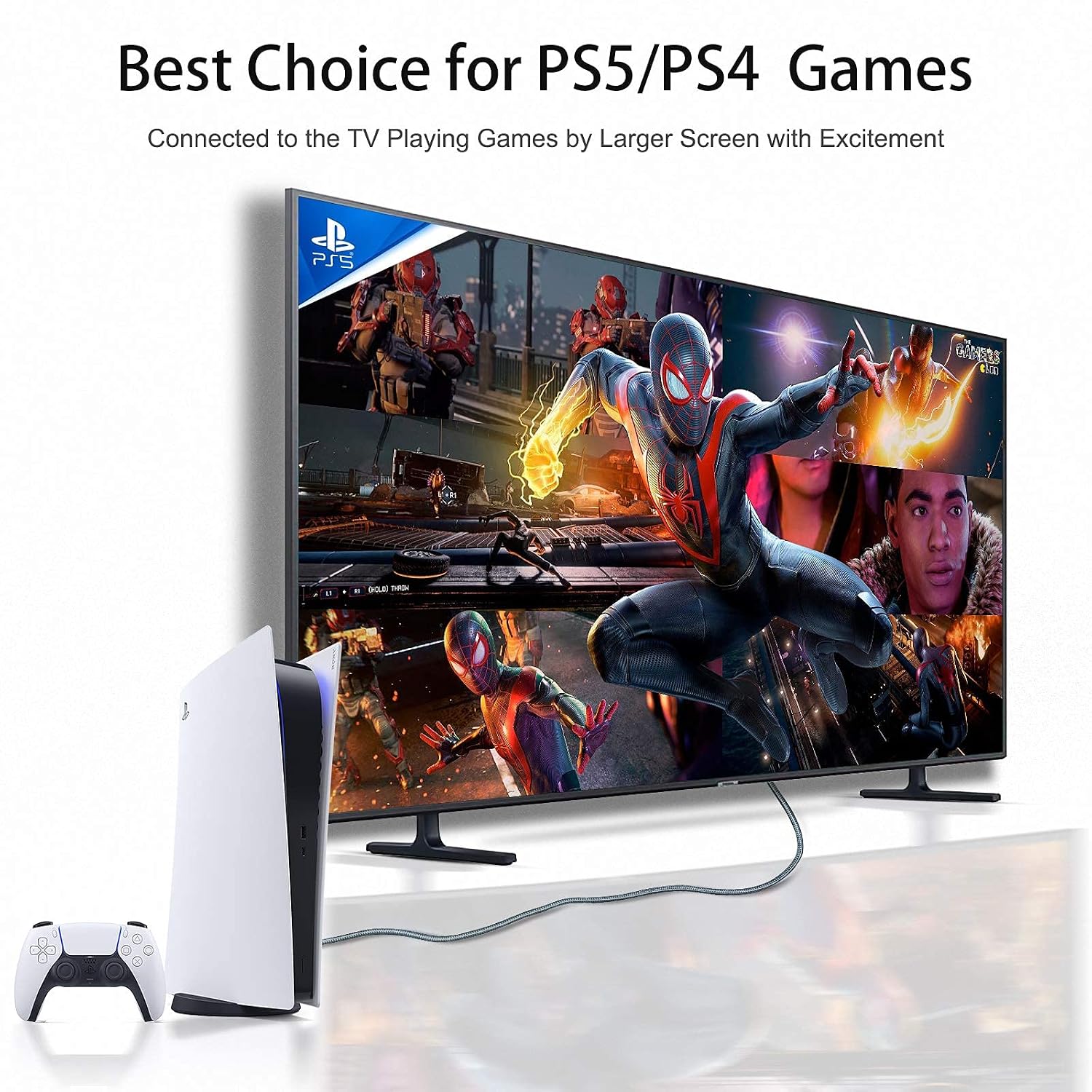
In a living room with a projector or large-screen TV, you can route the signal from a PS5 or gaming PC across a room to a display mount. The fiber optic design should help maintain sharp edges and color detail across the long run, while VRR and eARC reduce tearing and keep audio synchronized with visuals.
FAQ
- Q: Is this cable compatible with my HDMI 2.0 devices? A: It’s HDMI 2.1 compatible and backward compatible with HDMI 2.0 and earlier, so it should work with many legacy devices.
- Q: Does the 100 ft length affect performance? A: The fiber optic construction is chosen to minimize signal loss over long distances, aiming to preserve 8K60/4K120 performance, but real-world results can vary by setup.
- Q: How do I know which end is SOURCE or DISPLAY? A: The ends are labeled SOURCE and DISPLAY, connect your signal devices to SOURCE and your TV/monitor to DISPLAY.
- Q: What if I don’t need 8K? Can I use it for 4K setups? A: Yes, it supports 4K@120Hz and 48Gbps, which covers most high-end 4K gaming and viewing needs.
Final verdict
Is it worth it? Worth considering if you need a long, reliable HDMI connection that preserves high refresh rates and audio quality over 100 ft. It’s a specialized option, best for setups where copper cables would suffer signal degradation. If your space doesn’t require such length or you don’t utilize HDMI 2.1 features, you may want to explore shorter or more budget-friendly cables.