

KAYENQO Mold Test Kit for Home — 12 Simple Detection Tests DIY Mold Detector
Reviews
Price
Product description
What this kit is for (and why it’s different)
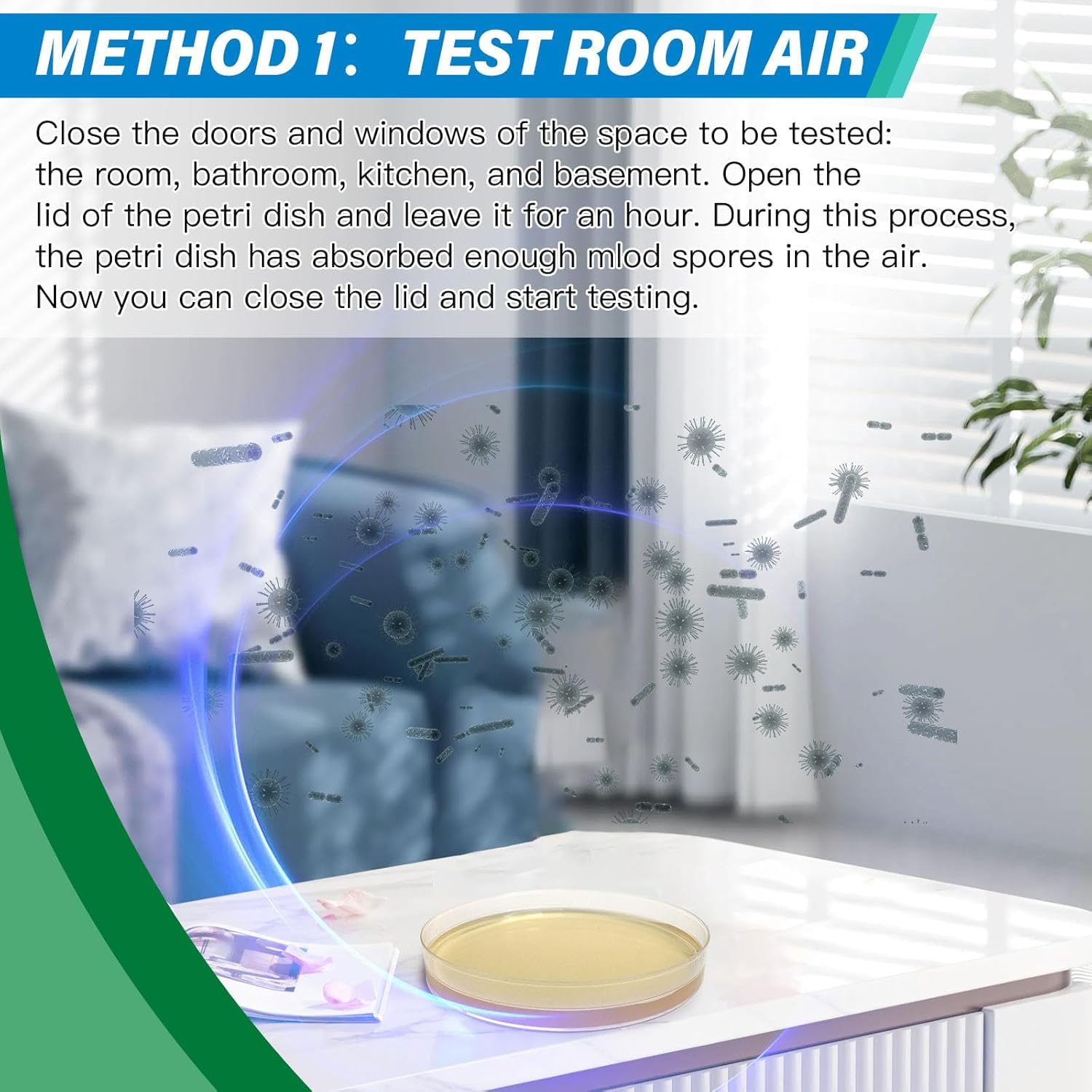
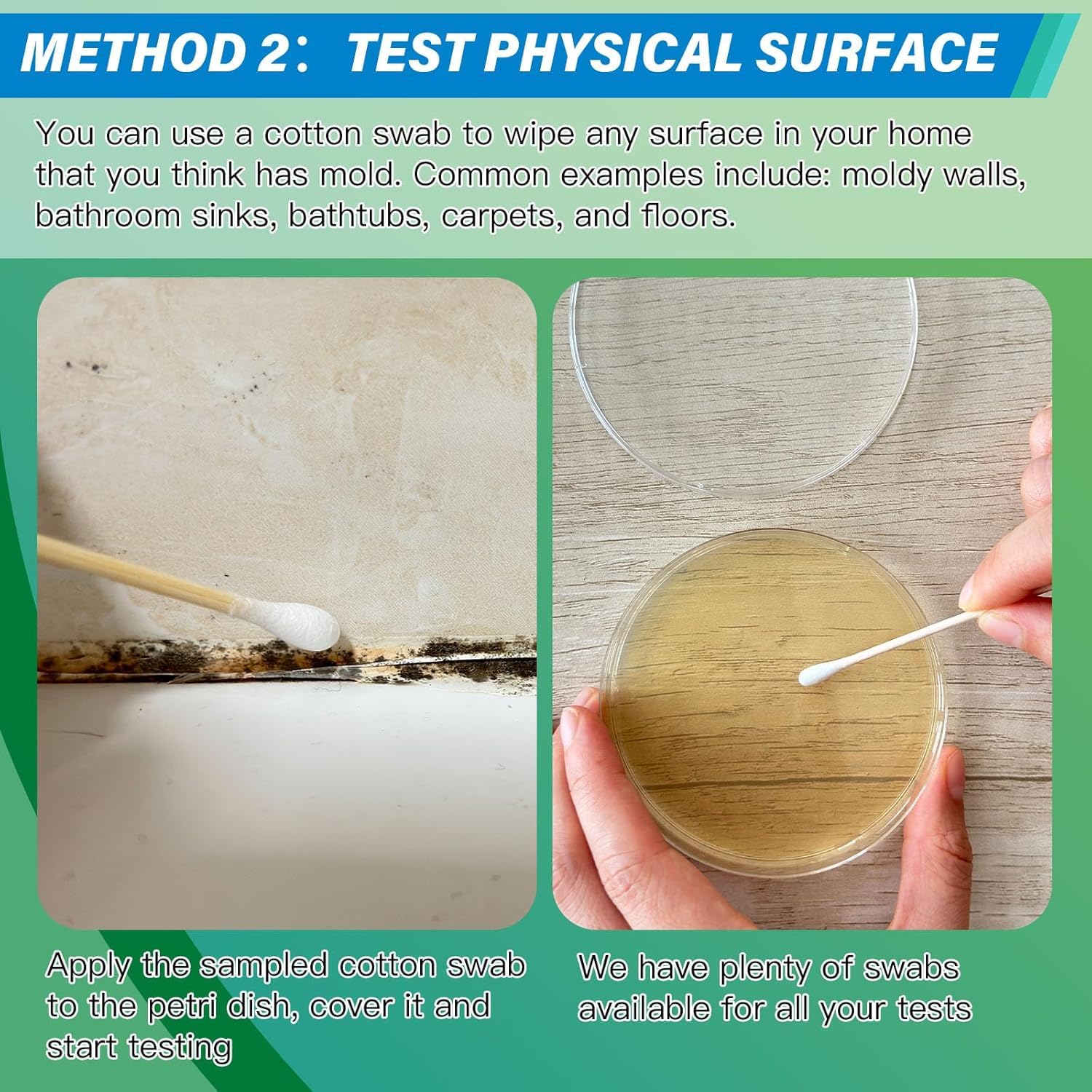
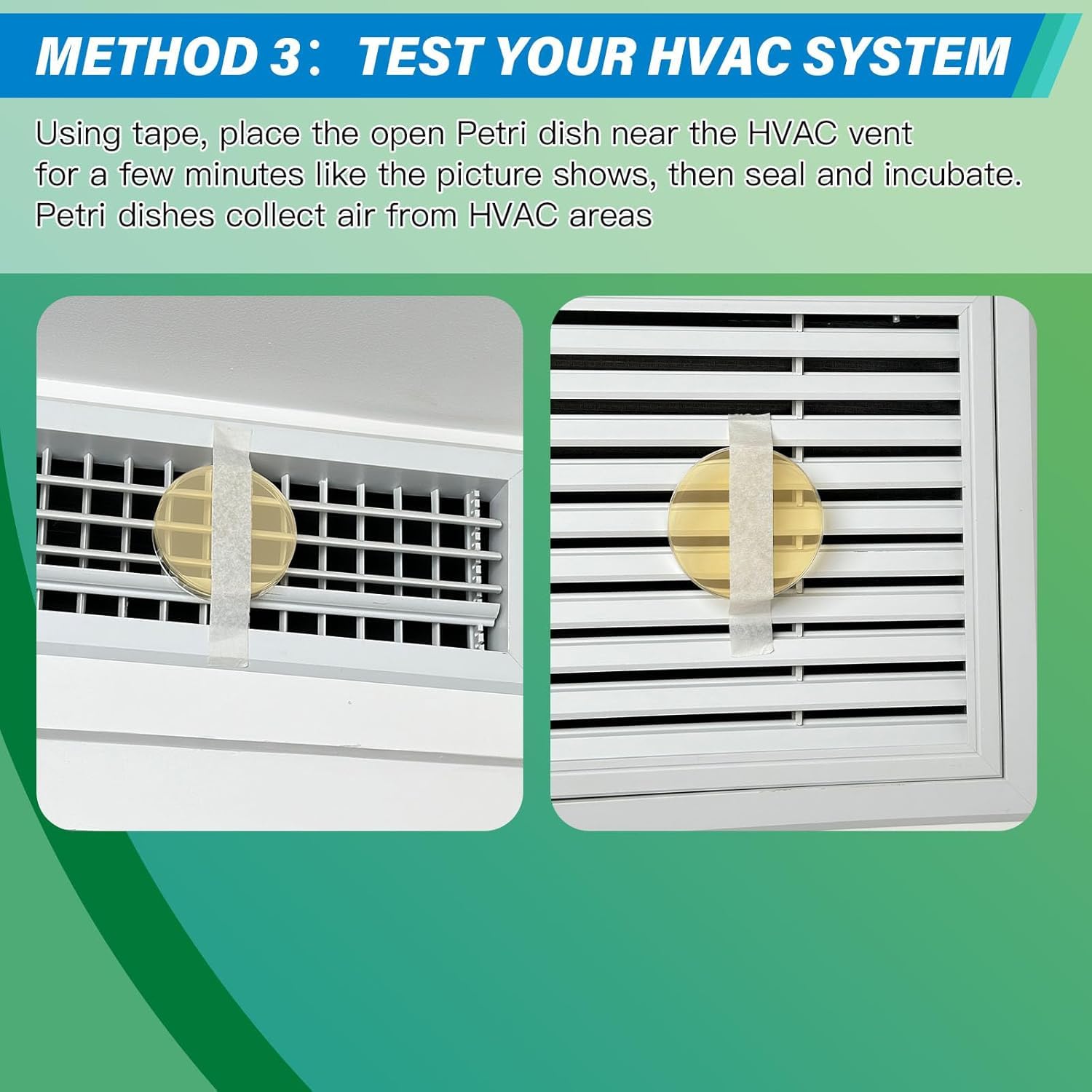
If you suspect mold at home, you usually have two paths: either you rely on visible clues and hope for the best, or you try to confirm what’s actually growing. The KAYENQO Mold Test Kit for Home is built around that second approach. On paper, it’s a DIY mold detection setup designed to check multiple areas of your home or office—things like indoor air, HVAC-related areas, and physical surfaces that can stay damp.
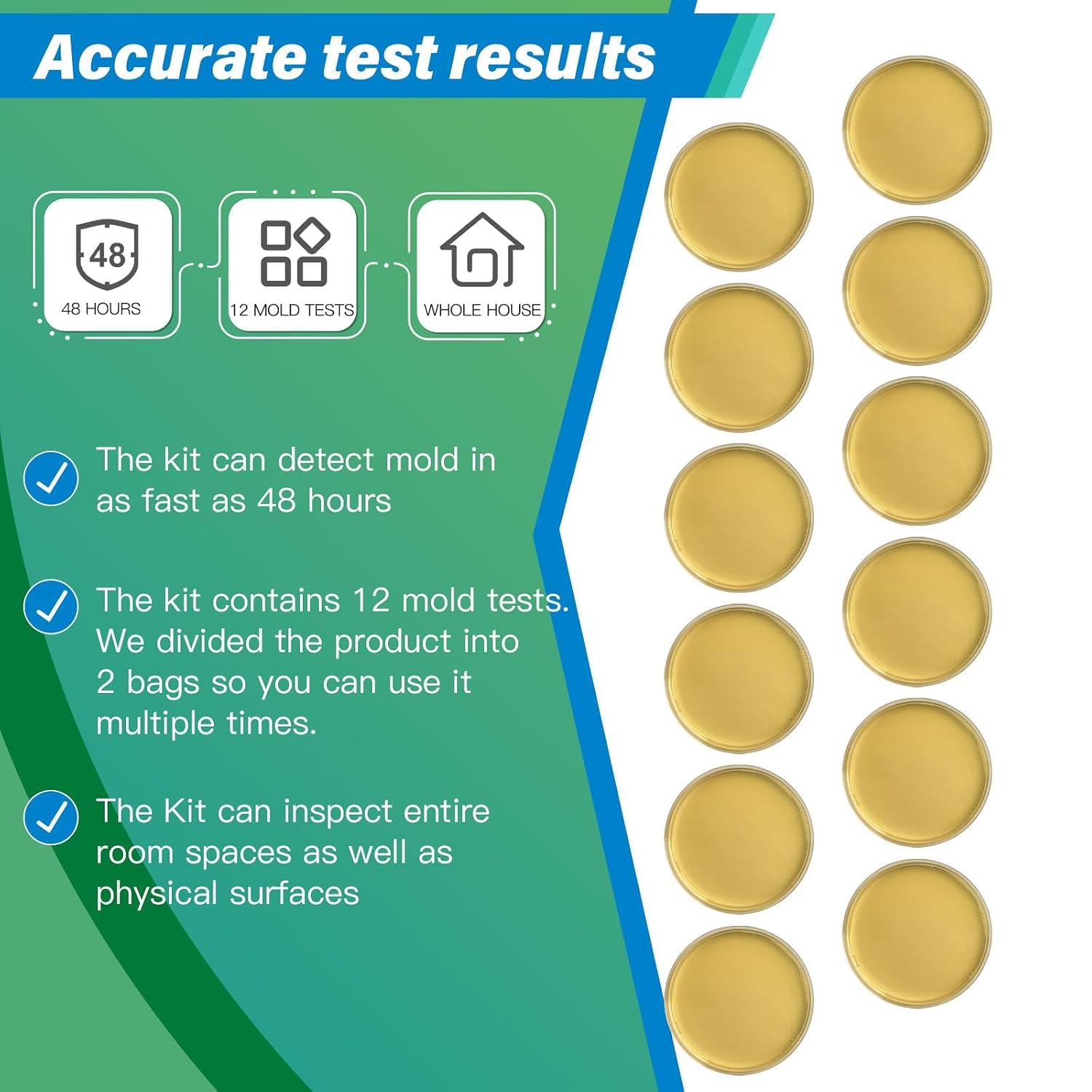
What makes it feel practical is the structure: it includes 12 test plates and lets you test in different spots. You can either treat the kit as one round across multiple locations, or do two rounds by splitting the plates into independent sets. That matters because mold conditions often change with moisture, airflow, and season.
Key takeaways: what you’ll notice in use
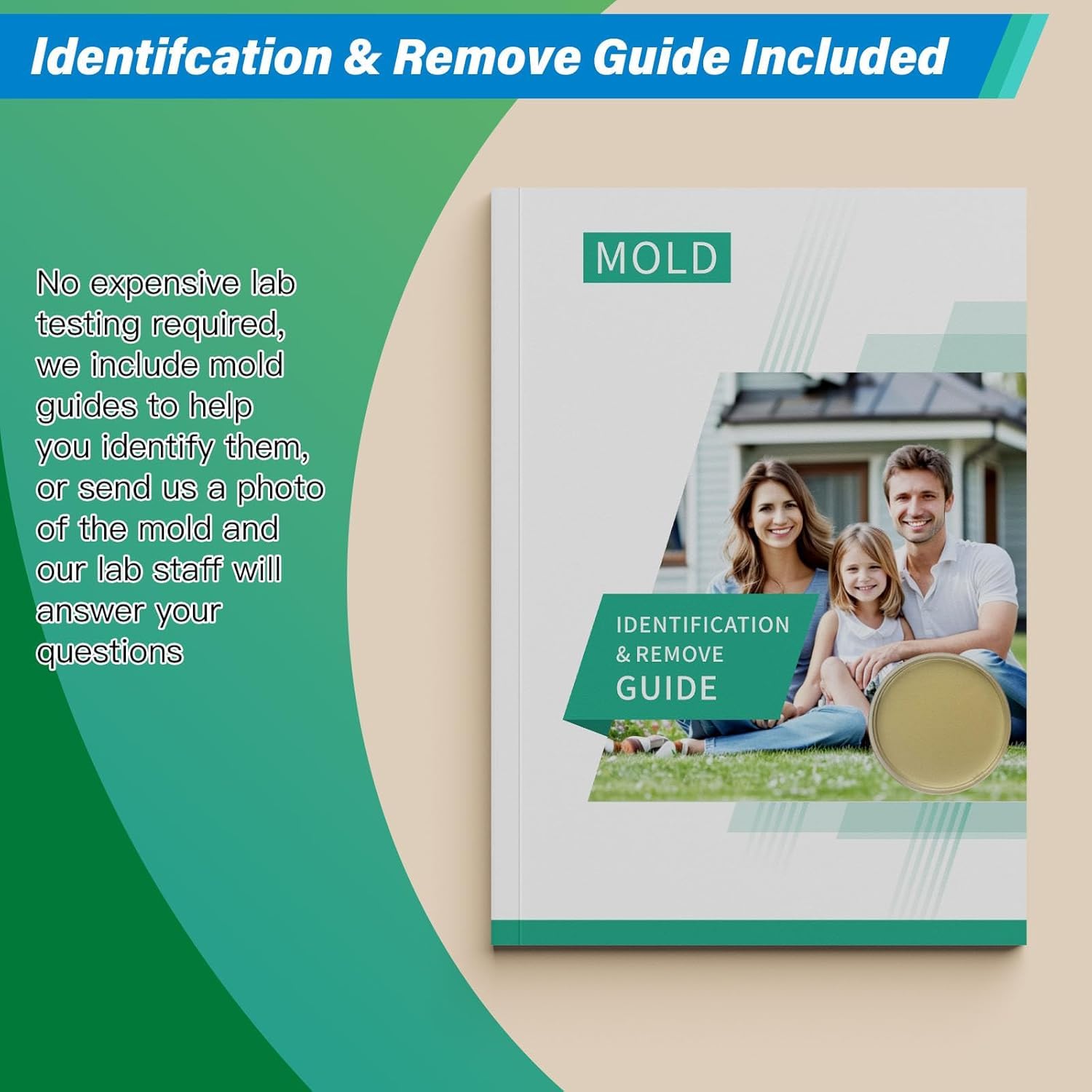
This isn’t just “swab and guess.” The kit includes a detailed mold identification guide, instructions for mold removal, and materials to help you run tests without having to source extra basic supplies. After testing, the idea is to compare your plate results to the guide images to help identify what’s present.
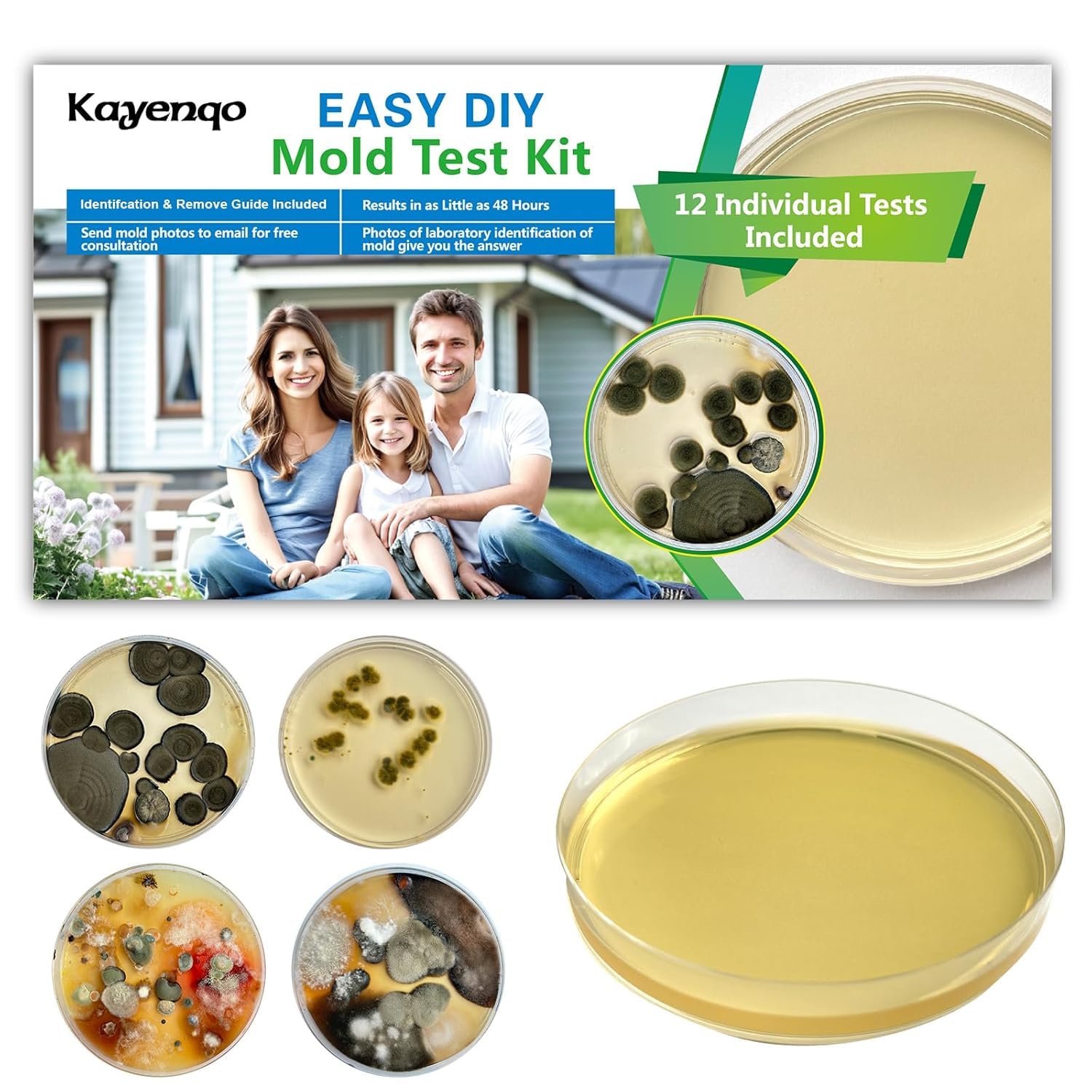
There’s also a safety-minded feedback element included in the concept: if you can’t identify the mold from the images, the kit mentions sending photos for a laboratory response. That’s not the same as a full professional inspection, but it’s a helpful middle step when you want more certainty than a color-match alone.
Here’s a concrete example of how people would use something like this: you notice musty odors near a bathroom wall or around a shower area, and you also suspect dampness near an HVAC return or a sink. You run tests on those targeted locations, compare results using the guide, and if you exceed the provided standard, you follow the provided removal instructions—then test again after cleanup.
Key features that drive the buying decision
The biggest “buy it for this reason” items are the scope and workflow. The kit is designed to help you test multiple locations (it specifically calls out using 12 areas such as walls, showers, vehicles, sinks, HVAC, indoor air, and other damp surfaces). That broad coverage can be useful if your concern isn’t limited to one spot.
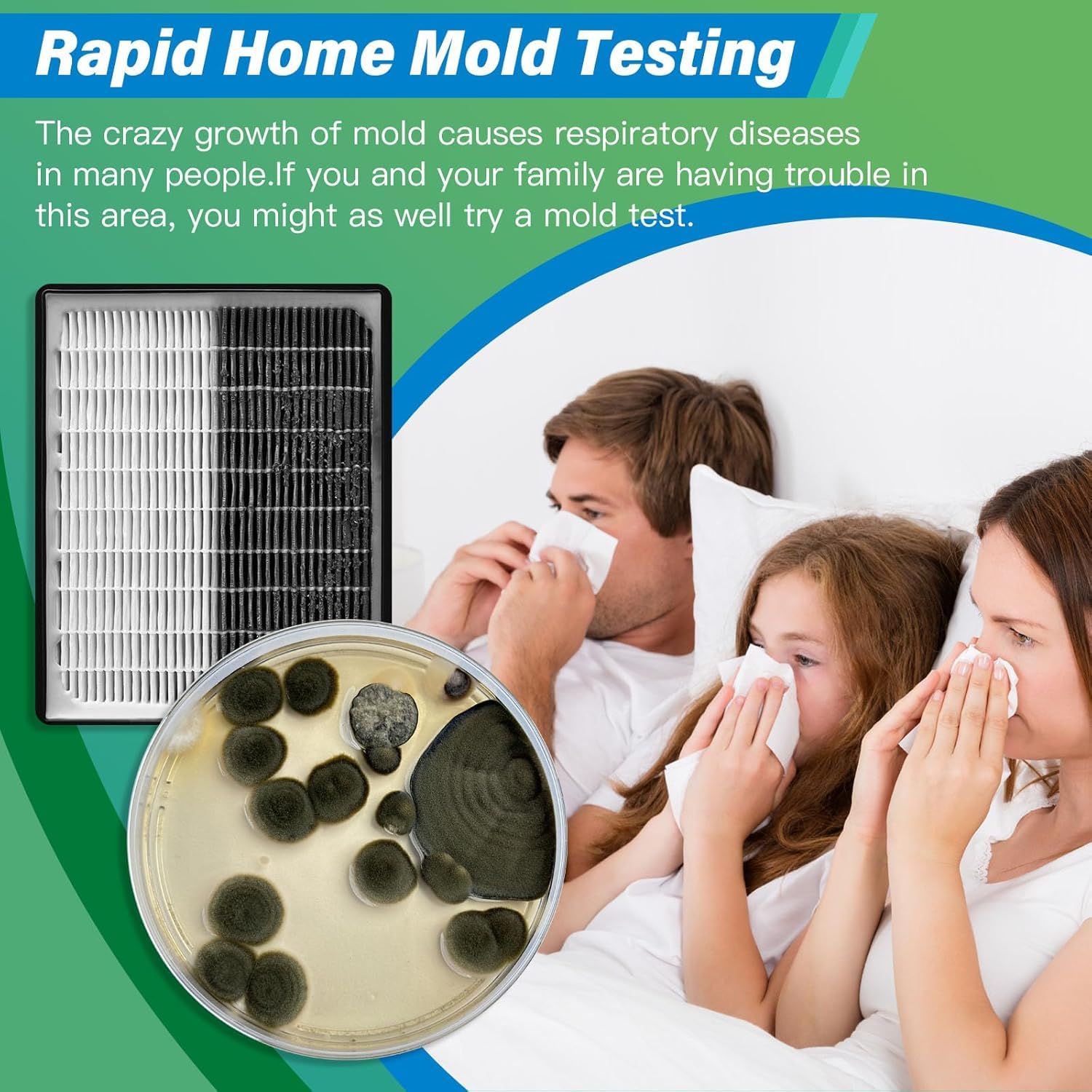
It also positions itself as a DIY kit that doesn’t require extra preparation beyond what’s included. That can appeal if you’re trying to move faster than scheduling an inspection. And if you’re dealing with furniture-related risk—especially wood furniture, where it notes mold risk including black mold—the kit is framed as something you can take along to check cabinets, closets, and beds.
Still, it’s worth keeping one limitation in mind: DIY detection kits can help you screen and compare results, but they may not fully replace a professional assessment—especially if the growth is extensive or persistent.
The less convincing part (what to watch before buying)
The kit’s success depends heavily on two things: correct sampling and matching results to the guide. If the process isn’t followed closely, or if your sample result doesn’t clearly match the guide images, you may end up waiting on identification via photos.
Also, the kit talks about testing indoor air and HVAC-related areas, but it doesn’t spell out the level of “precision” you’d get compared to lab-grade equipment. So if you’re expecting a guarantee-like outcome for complex cases, you might feel it’s more “helpful screening” than full diagnostic certainty.
Another practical consideration: mold removal is only as good as the cleanup and the moisture source control. The kit includes removal guidance and suggests retesting after extraction, but results can come back if the underlying moisture issue remains.
Who it’s for (and who should skip it)
It’s a solid pick if you want a structured DIY approach to check suspected mold across several damp areas, and you value the included guide for identification. It also makes sense if you’re trying to decide what to tackle first—bathroom moisture spots, areas around HVAC, or items like wood furniture that can be high-risk.
It might not suit you if you’re looking for a comprehensive, on-site professional evaluation, or if you already know the problem is severe and urgent. In those situations, DIY screening could delay the response you actually need.
It may also not be the best match if you don’t feel comfortable doing at-home sampling, or if you need highly technical interpretation and instrumentation-level certainty.
Tech summary (what’s included)
Tech specs
- Brand: KAYENQO
- Type: DIY mold test kit for home detection
- Number of tests: 12 simple detection tests
- Test plates: 12 test plates included
- Mold identification support: detailed mold identification guide with images of common household molds
- Removal support: instructions for mold removal if results exceed the provided standard
- Additional materials mentioned: 12 seals, label sheets, and testing gloves
- Testing approach described: test in 12 areas, or run 2 tests across 6 areas (by using independent test sets)
- Retesting: suggests re-testing after mold extraction is completed
- Identification help: if mold can’t be identified from guide photos, it mentions laboratory staff responding after receiving mold photos
Is it worth it?
Final verdict
Buy the KAYENQO Mold Test Kit for Home if you want a DIY way to screen for mold across multiple damp locations—like bathrooms, sinks, HVAC-related areas, indoor air, and other surfaces—and you’ll use the included guide to compare results. It’s especially compelling if you’re trying to decide what you should clean first and you’re willing to retest after following the removal instructions.
Skip it if you’re expecting it to function exactly like a full professional investigation, or if you don’t want to do the at-home sampling and image-based identification step. It can get you useful direction, but it may not be the last word for serious, ongoing, or hard-to-control mold problems.
Mini FAQ
Should I test multiple locations with this kit?
It’s designed for that kind of approach. The kit mentions testing in 12 different parts of a home or office, or doing two tests across 6 areas.
What if I can’t identify the mold from the guide?
The kit states that if you can’t identify it, you can send mold photos for laboratory staff to respond.
Does it include removal instructions?
Yes. It includes instructions for mold removal when results exceed the standard, and it suggests testing again after extraction is completed.
Can it test HVAC and indoor air?
The description says it’s intended to test indoor air and HVAC system areas, along with physical surfaces.
Who is it best suited for?
It’s positioned for homeowners (including checking cabinets, closets, and beds) who want a structured, at-home detection workflow across common damp zones.