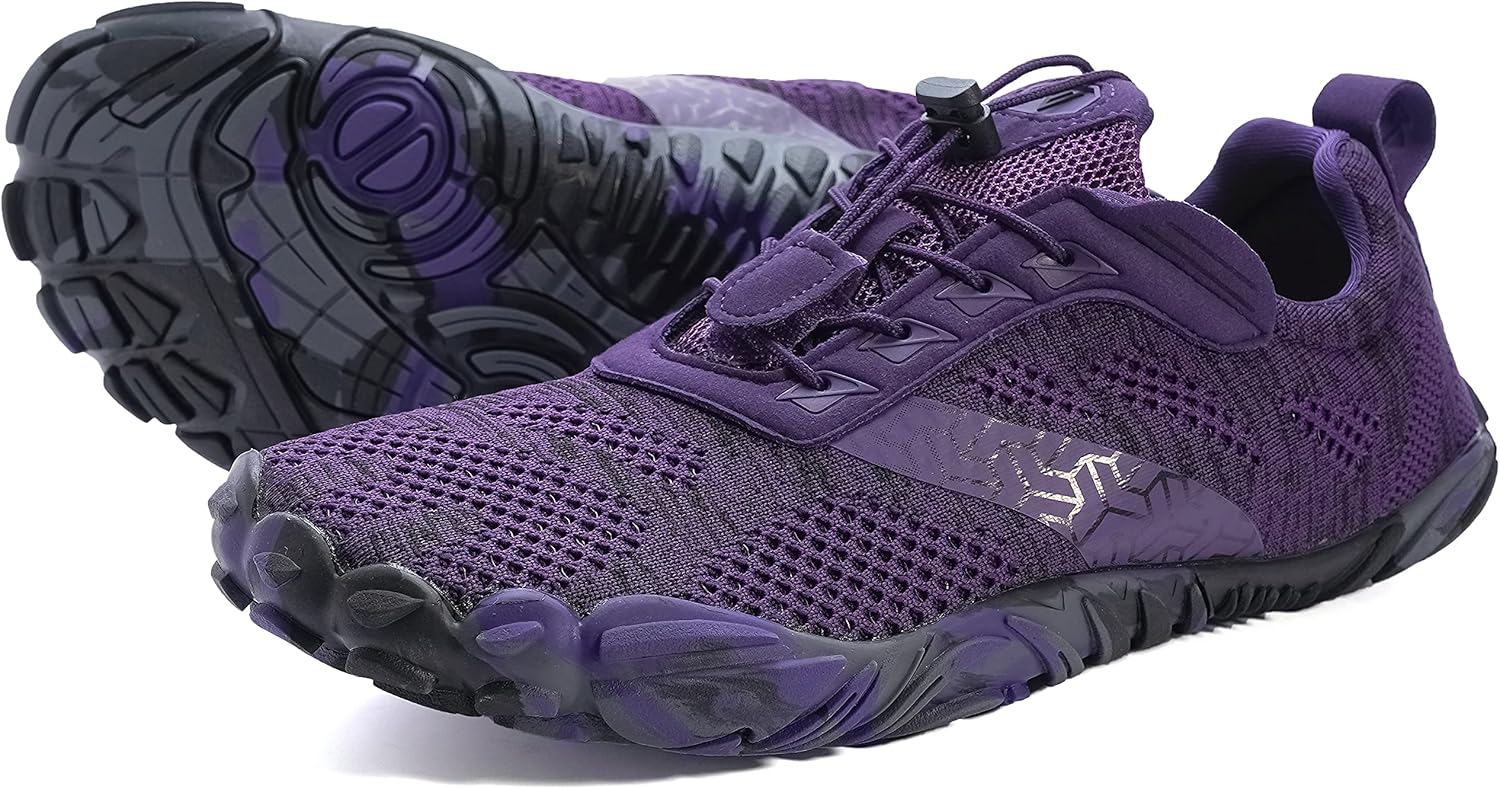
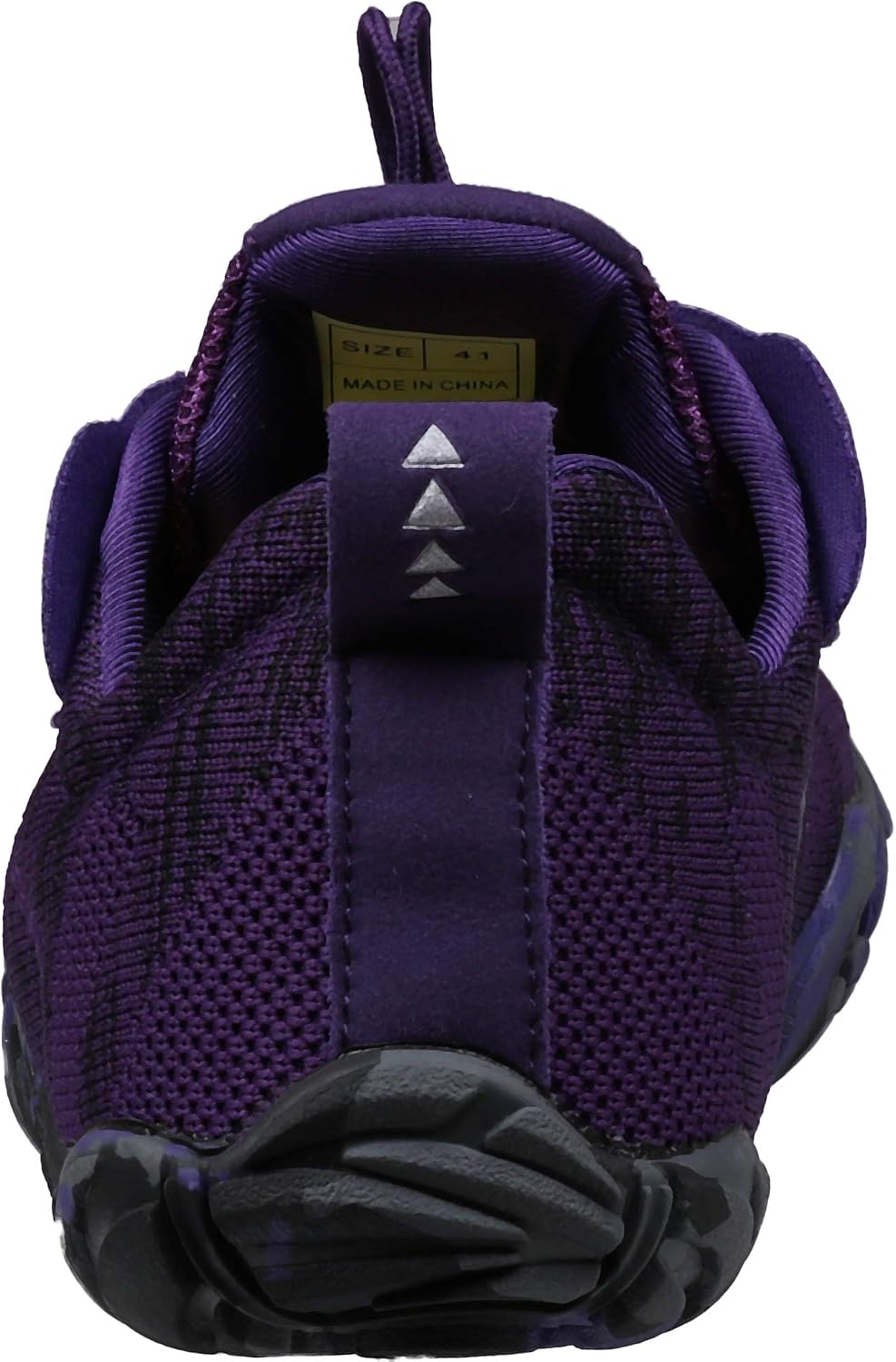
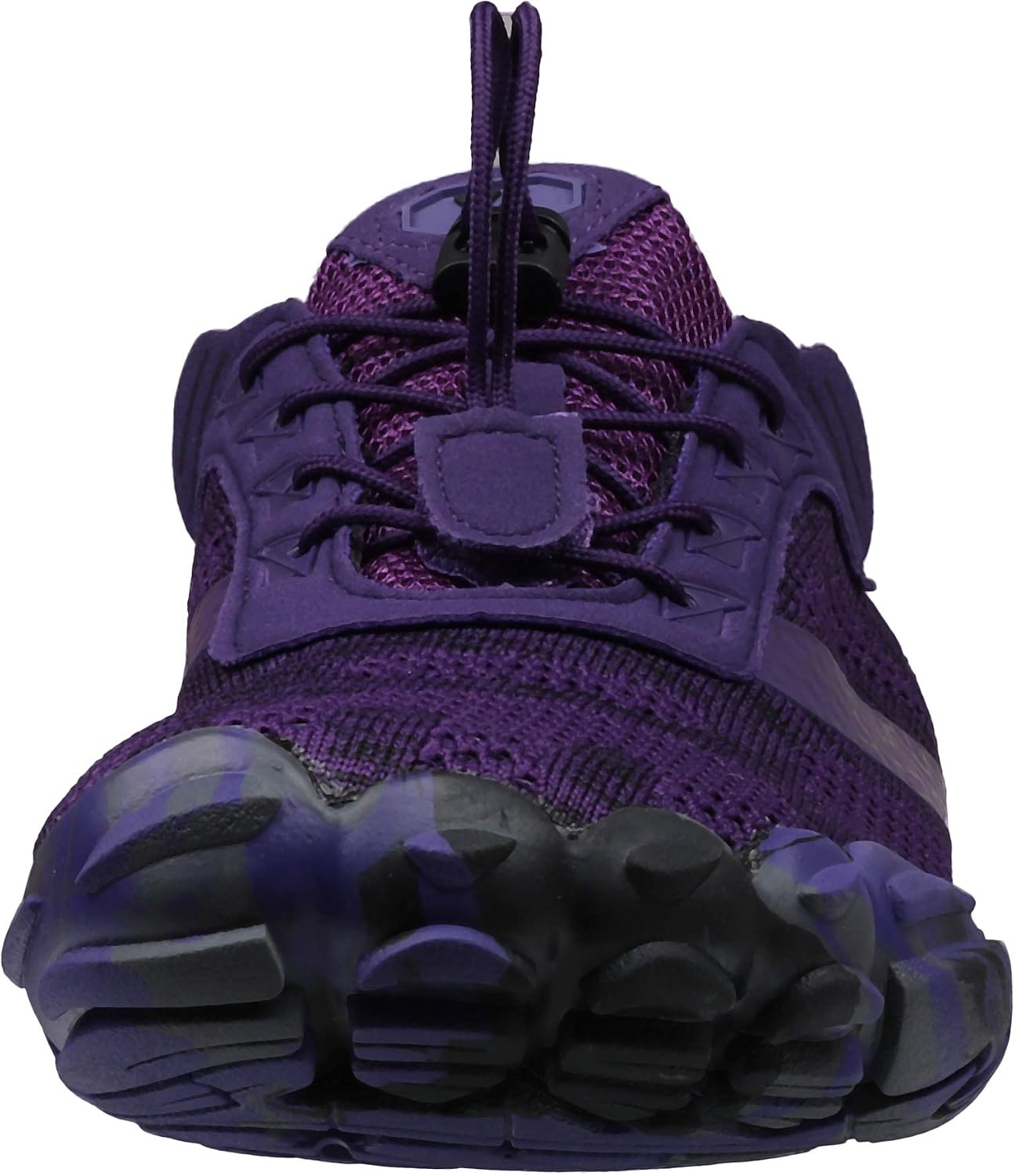
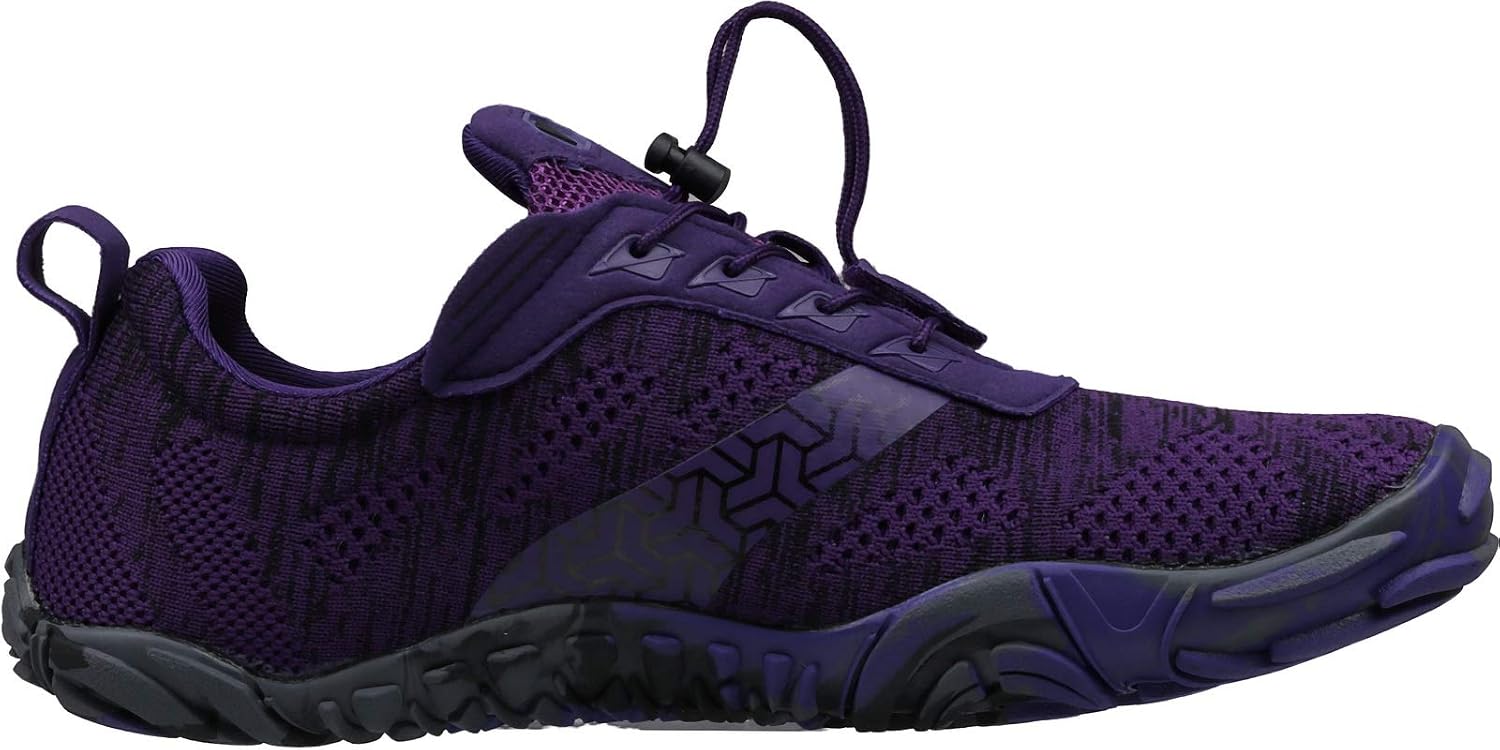
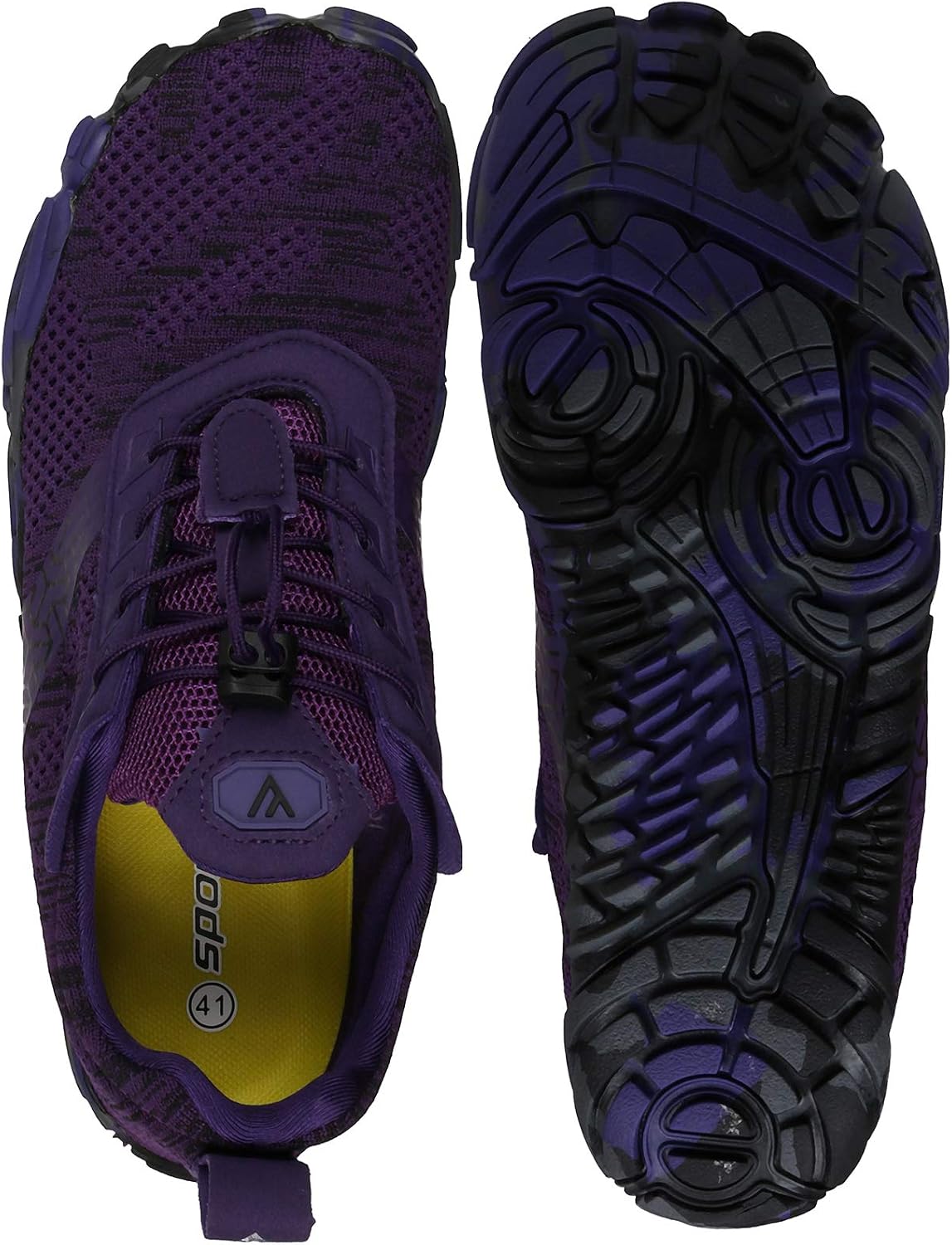
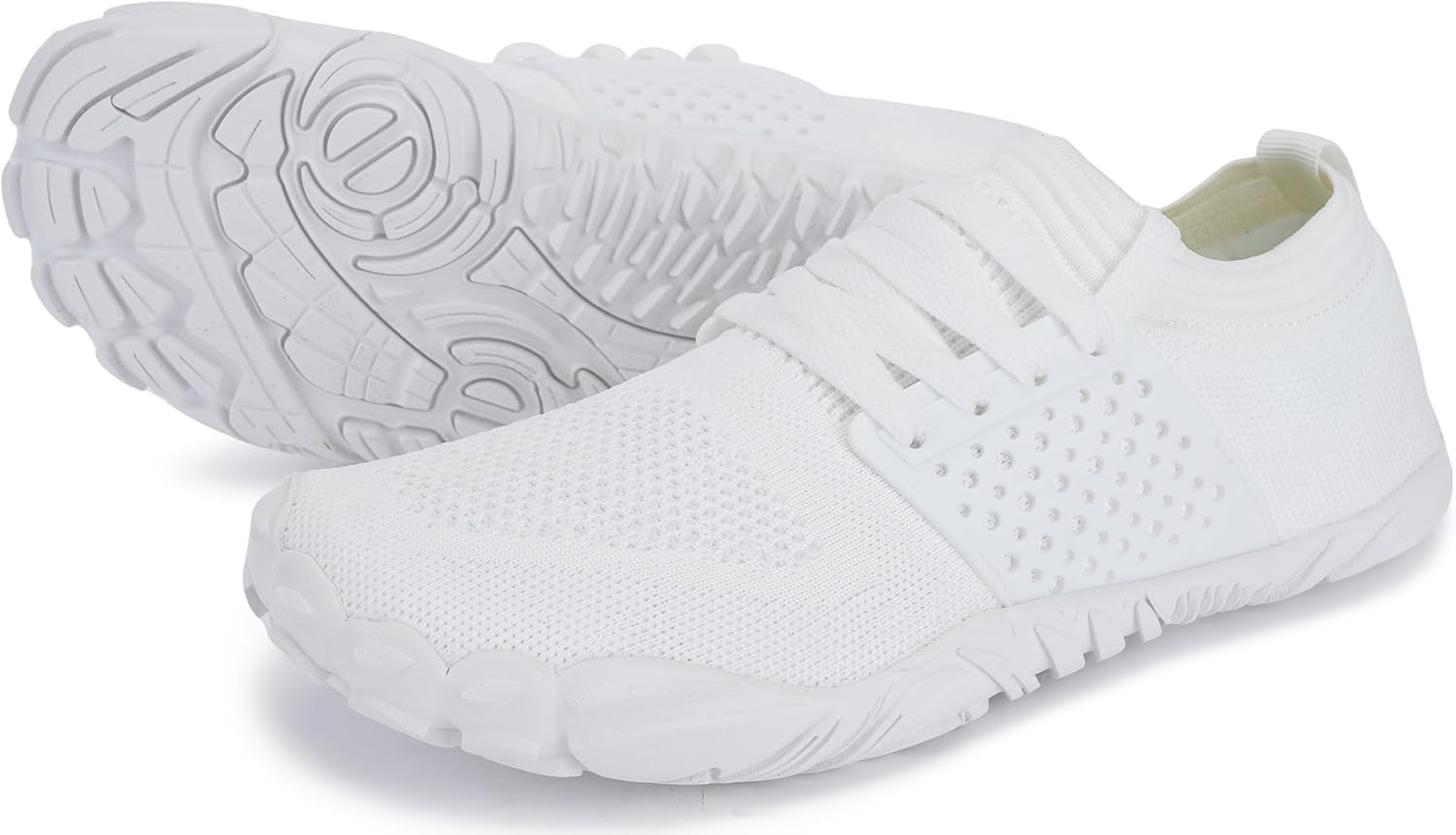
What this product is and the need it serves\nJoomra’s Women’s Trail Running Barefoot Shoes blend a minimalist philosophy with practical trail-ready design. They cater to runners who want freedom of movement and a natural feel, while still needing traction, protection, and a breathable fit on uneven paths. If you prioritize a shoe that lets your foot flex, move, and spread, these barefoot-inspired sneakers aim to deliver that sense of freedom without sacrificing grip on variable terrain.\n\n## How it feels to use them\nOn the trail, the combination of a lightweight knitted upper and a zero-drop platform creates a close-to-ground experience. The upper is designed to wrap around the foot without bulk, so you don’t feel restricted mid-stride. The removable insoles are intended to support the arches and help prevent excess pressure from transferring to the forefoot, which can feel more responsive when you land softly and let your foot roll naturally.\n\n## What stands out in terms of protection and grip\nRubber outsoles are chosen for a balance of traction and durability, with a pattern that emphasizes grip across varied surfaces. This isn’t a heavy hiking boot, but the lug design aims to maintain stability when you encounter loose or rocky sections. If a secure foothold matters on cold mornings or muddy trails, this outsole approach can be reassuring.\n\n## Comfort and fit considerations\nThe thicker topline is noted for wrapping around the foot—helping prevent the shoe from slipping off during harder efforts. The design leans into a minimalist ethos, so it’s about natural movement and lighter coverage rather than ankle support or cushioned isolation. The good news is breathability and a lightweight feel, which can aid in comfort over longer miles, but it may require a period of adaptation if you’re new to barefoot-style footwear.\n\n## Who it’s for and who it’s not\nThese shoes suit runners who want a freer, more flexible feel and who are comfortable with a minimalist footprint on trails. If you’re after substantial arch support, substantial cushioning, or substantial foot protection, this approach may feel limited. They’re probably best for those who already prefer a ground-hugging, flexible ride and a narrow-to-average foot with a wide toe box option.\n\n## Realistic use scenarios and tips\nA practical use case: greeting a long, winding single-track with mixed surface textures. You’ll notice the emphasis on foot flexibility and a responsive response to uneven terrain. Take it slow at first to allow your feet to adapt to the zero-drop setup, a gradual transition helps avoid stiffness or soreness. A quick tip: inspect the outsole for remaining lug depth after several runs to ensure traction stays consistent.\n\n## What to review before buying\nConfirm your foot shape aligns with a wide toe box and a minimalist platform. Consider your usual running surface—loose dirt, roots, and gravel benefit from the grip pattern, but very rocky or ultra-technical trails may demand more protection. Practically, assess how easily you can slip into and out of the shoe during workouts, since the design leans toward a snug yet comfortable wrap.\n\n## Comparison in context\nIf you’re choosing between barefoot-style footwear and traditional trail sneakers, the decision often boils down to movement philosophy and adaptation. For those who value freedom of motion and a lighter feel, this option fits the bill. If you need more cushioning or rugged protection for technical passages, you might lean toward a different setup that offers added underfoot protection and stability features.\n\n## Final decision: Should you buy it?\nIs it worth it? If natural foot movement, a wide toe box, and a lightweight trail option appeal, these shoes give a genuine barefoot-running impression with trail-ready traction. They aren’t a one-size-fits-all answer for everyone, especially if you require pronounced arch support or heavy impact protection. A good fit for casual-to-moderate trail runners who want to test minimalist footwear without giving up grip.\n\n## Quick FAQ\n- Do these shoes require a break-in period? Yes, expect a short adaptation phase as your feet adjust to the minimalist design.\n- Can I wear them for road running? They’re designed for trail use, with features focused on traction and flexibility, road miles may feel different due to the outsole and lack of cushioning.\n- How important is the wide toe box? A wider toe area supports natural toe splay and can improve comfort on uneven terrain, but sizing should still feel snug around the midfoot to prevent slippage.\n- How should I care for the knitted upper? Keep them dry and clean, avoid harsh detergents that could compromise breathability and fit over time.\n