

Hip Thrust Belt for Dumbbells — Slip-Resistant Padding 🏋️♀
Product description
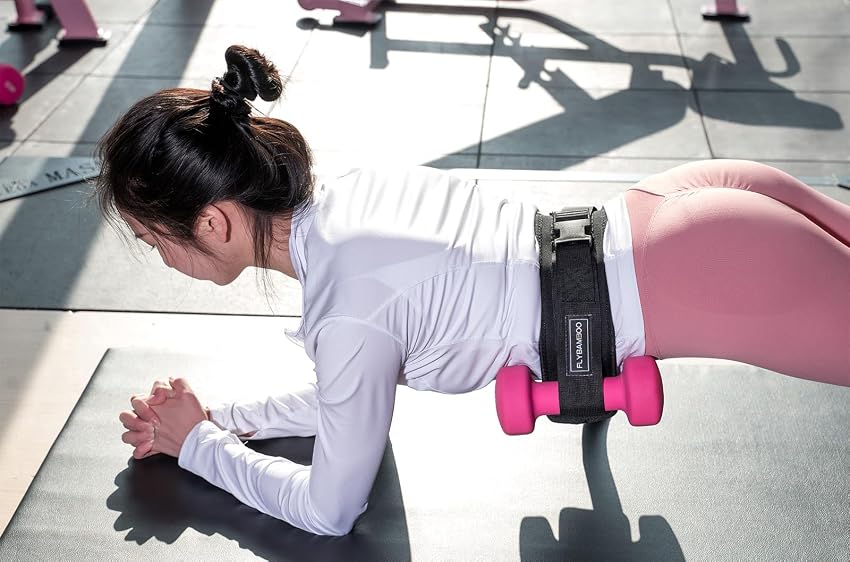
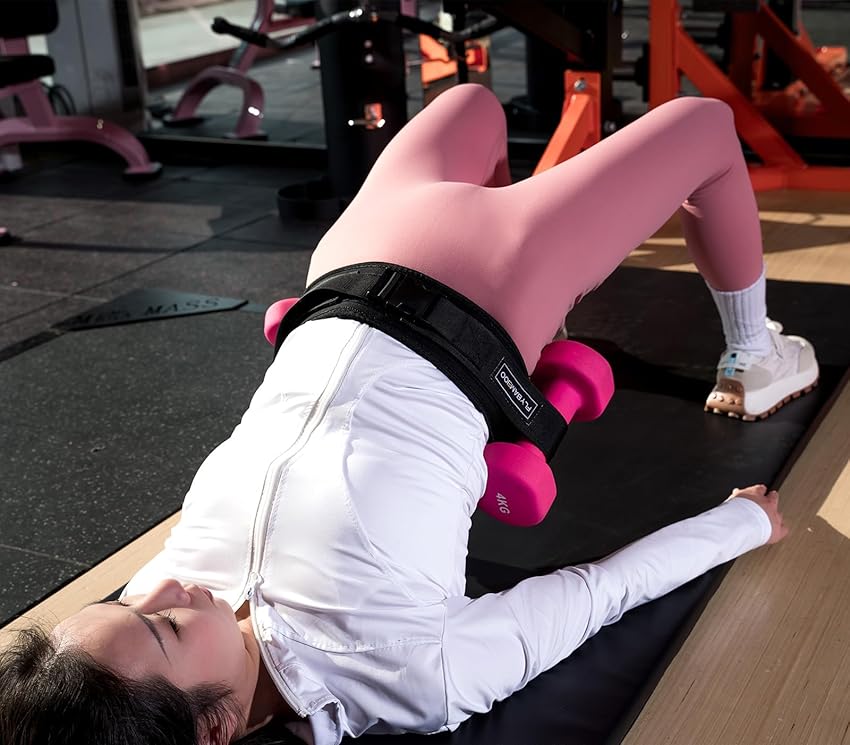
This padded hip thrust belt for dumbbells turns bodyweight glute work into a more comfortable weighted routine, whether you train at the gym, at home, or while traveling. It cushions the hips during dumbbell hip thrusts and glute bridges, helping you load the posterior chain without the soreness that a bare dumbbell press can cause, and it fits a wide range of waist sizes for quick adjustment.
Key Points
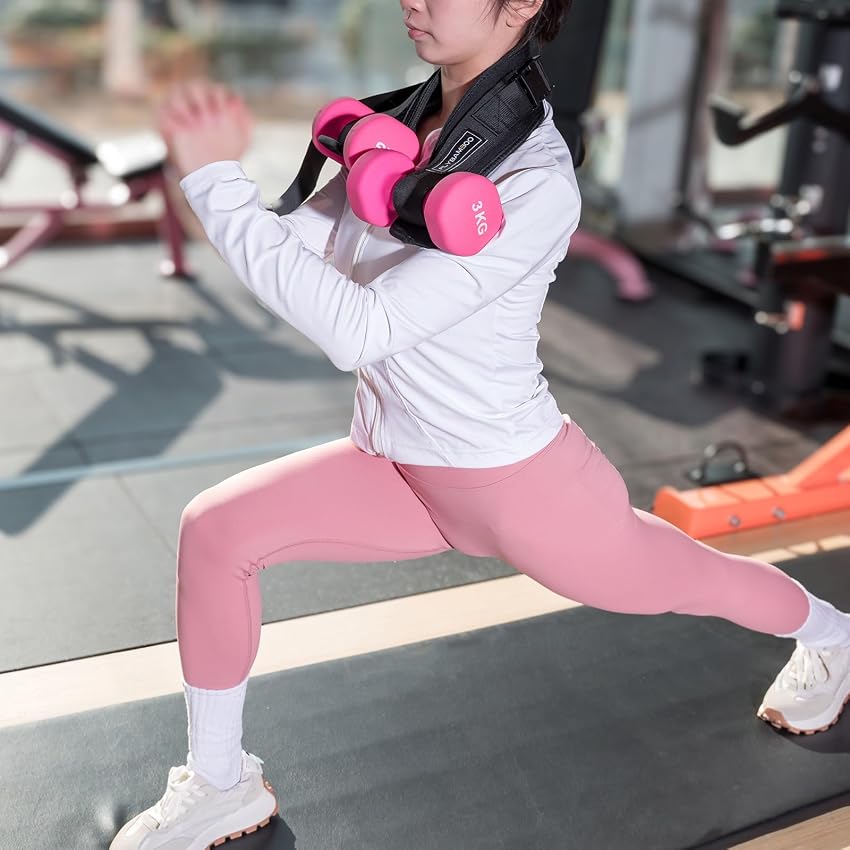
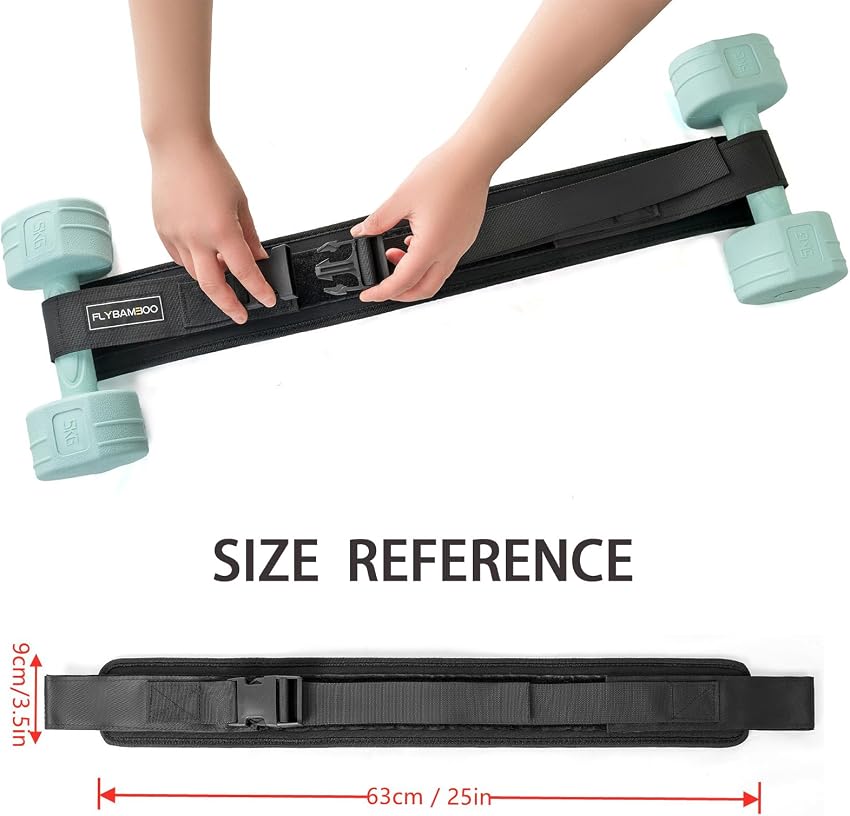
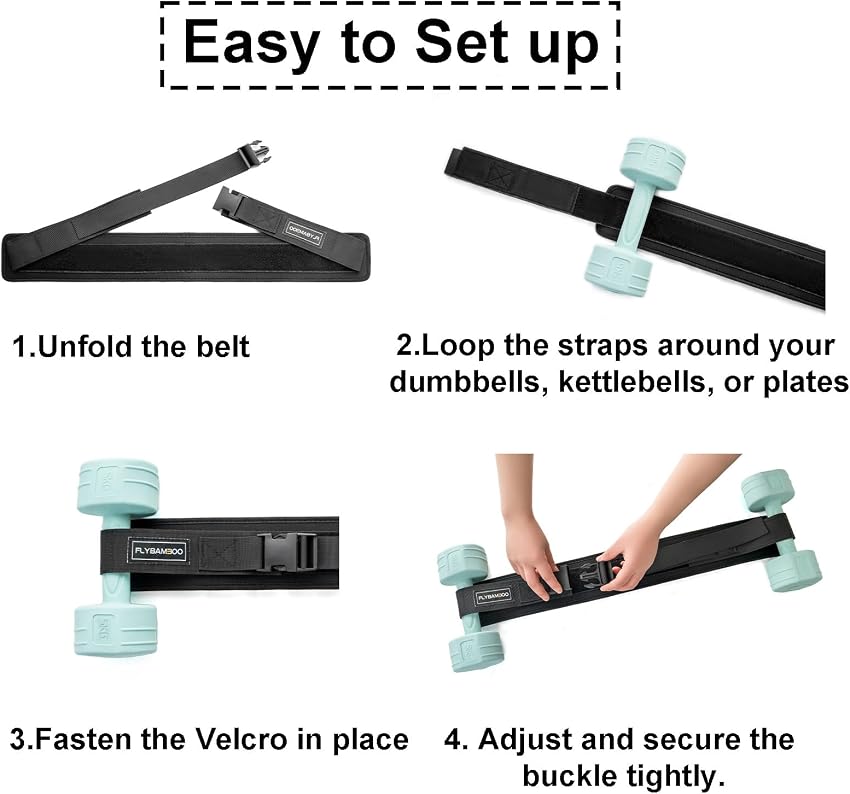
The belt includes a soft, slip-resistant pad that reduces pressure on the hips and keeps weights from shifting during repetitions. An adjustable fixation strap allows waist adjustments from 23.5 to 60 inches according to the manufacturer, so it can fit many body types without complicated setup. It works with dumbbells, kettlebells, and weight plates, offering flexibility for hip thrusts, glute bridges, squats, lunges, and other lower-body moves. Setup is straightforward, with two side straps that loop through the weight, secure with Velcro, and fasten with a snap buckle for a ready-to-use configuration in about 15 seconds.
Technical Specifications
- Name: Hip Thrust Belt for Dumbbells
- Padding: soft, slip-resistant pad
- Adjustable waist range: 23.5 to 60 inches
- Compatibility: dumbbells, kettlebells, plates
- Fastening: Velcro straps plus snap buckle
Benefits
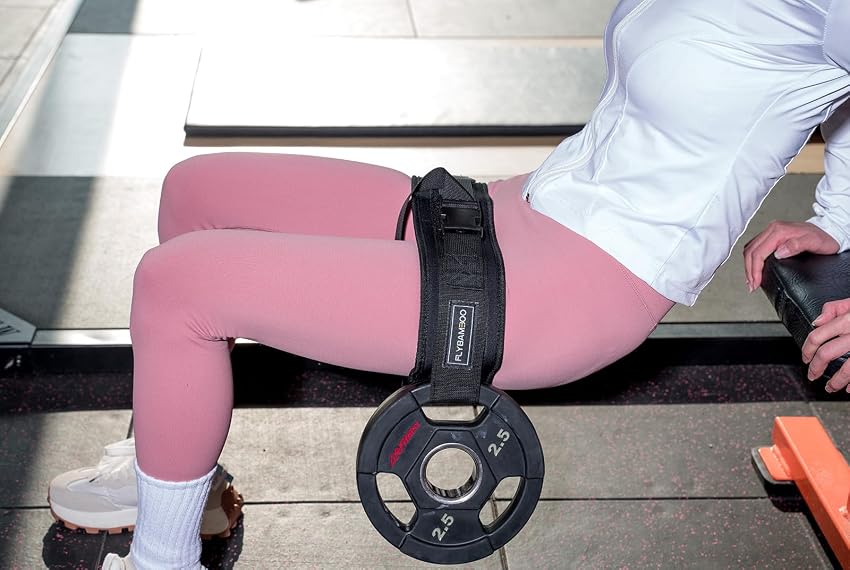
The padded surface protects the pelvic bones and soft tissue from concentrated pressure, allowing longer sets and heavier loading with less discomfort. Balanced contact across the hips promotes a more stable feel than placing a barbell or a single dumbbell directly on the pelvis, which can reduce unwanted lateral movement. Because it accepts different types of weights, the belt supports progressive overload and variety in your glute training, helping you work on strength, hypertrophy, or endurance depending on your program. A practical advantage is its portability; it packs small and is useful for those who need a compact accessory for travel workouts.
Usage Recommendations
For safe use, position the padded section over the pelvis and tighten the strap until the belt sits snugly but not painfully. Loop the straps through the handles or center hole of your chosen weight, secure the Velcro, then close the snap buckle to stabilize the load before initiating a thrust or bridge. Start with lighter loads to confirm the weight remains centered on the pad and to get used to the belt’s balance characteristics. Consider that highly asymmetrical or very small dumbbells may still shift more than a barbell, so heavier compact dumbbells or kettlebells typically provide the most secure contact.