

HangTon HDMI 2.1 Cable for ATOMOS Ninja V / Sony A7SIII / Canon C300/C500 — 8K/4K 120Hz 60fps Braided Coil (Right–Left Angled, 30–60cm)
Product description
What this is and what it solves
HangTon’s HDMI 2.1 cable is built for cameras and on-camera monitors that demand higher frame rates and resolutions. The core idea is simple: a sturdy, shielded connection between camera and monitor or recorder that can handle 8K at 30p, 8K at 60fps, 4K up to 120Hz, and high-end color/EDID signals without noticeable lag. On paper, this kind of cable aims to reduce EMI/RFI interference and preserve a clean signal when you’re pushing beyond standard HD. If you’re working with devices like Atomos Ninja V, Sony A7S III, Canon C300/C500, or a Bravo monitor setup, this cable is positioned as a practical link between your production gear and your display/recorder chain.
Key design and build notes
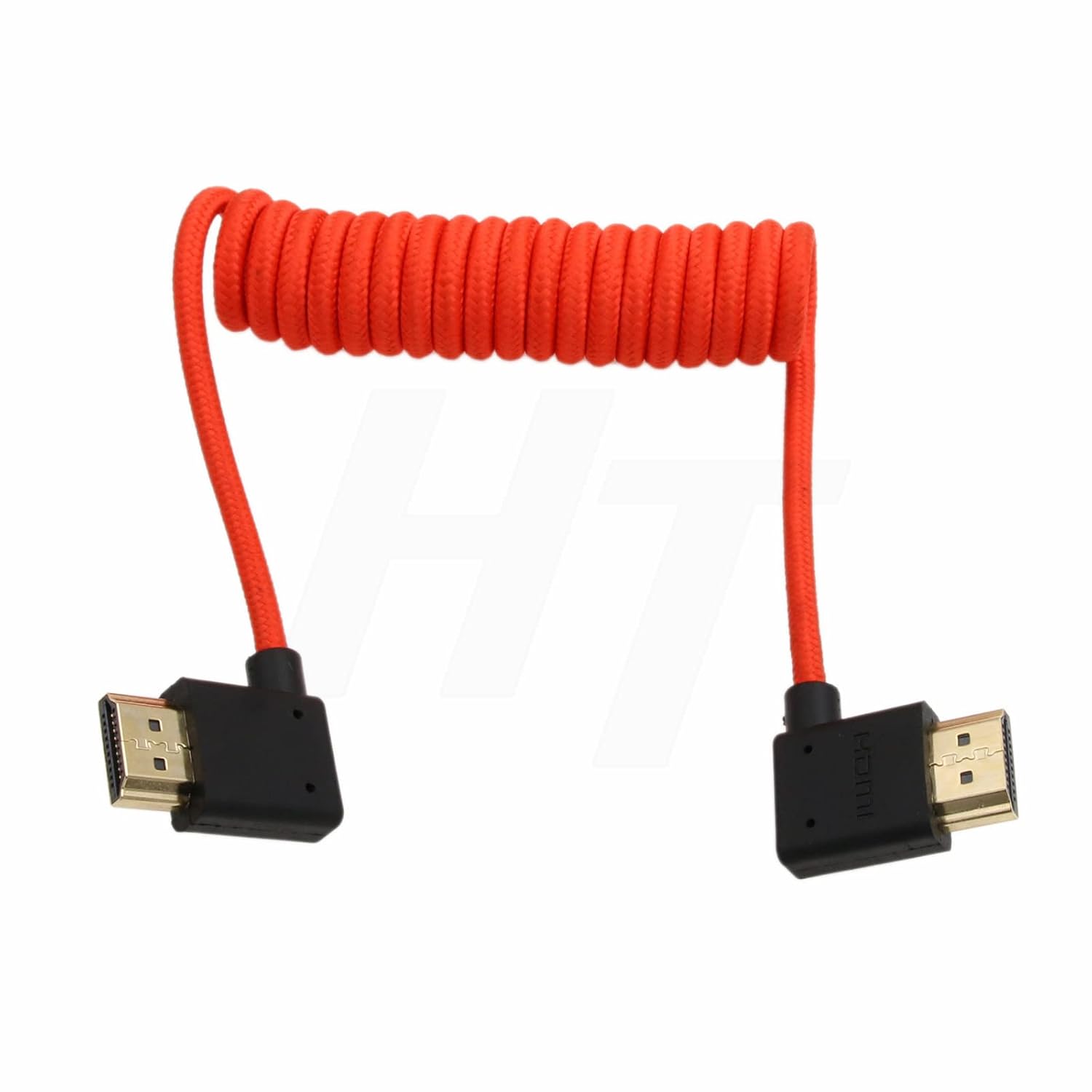
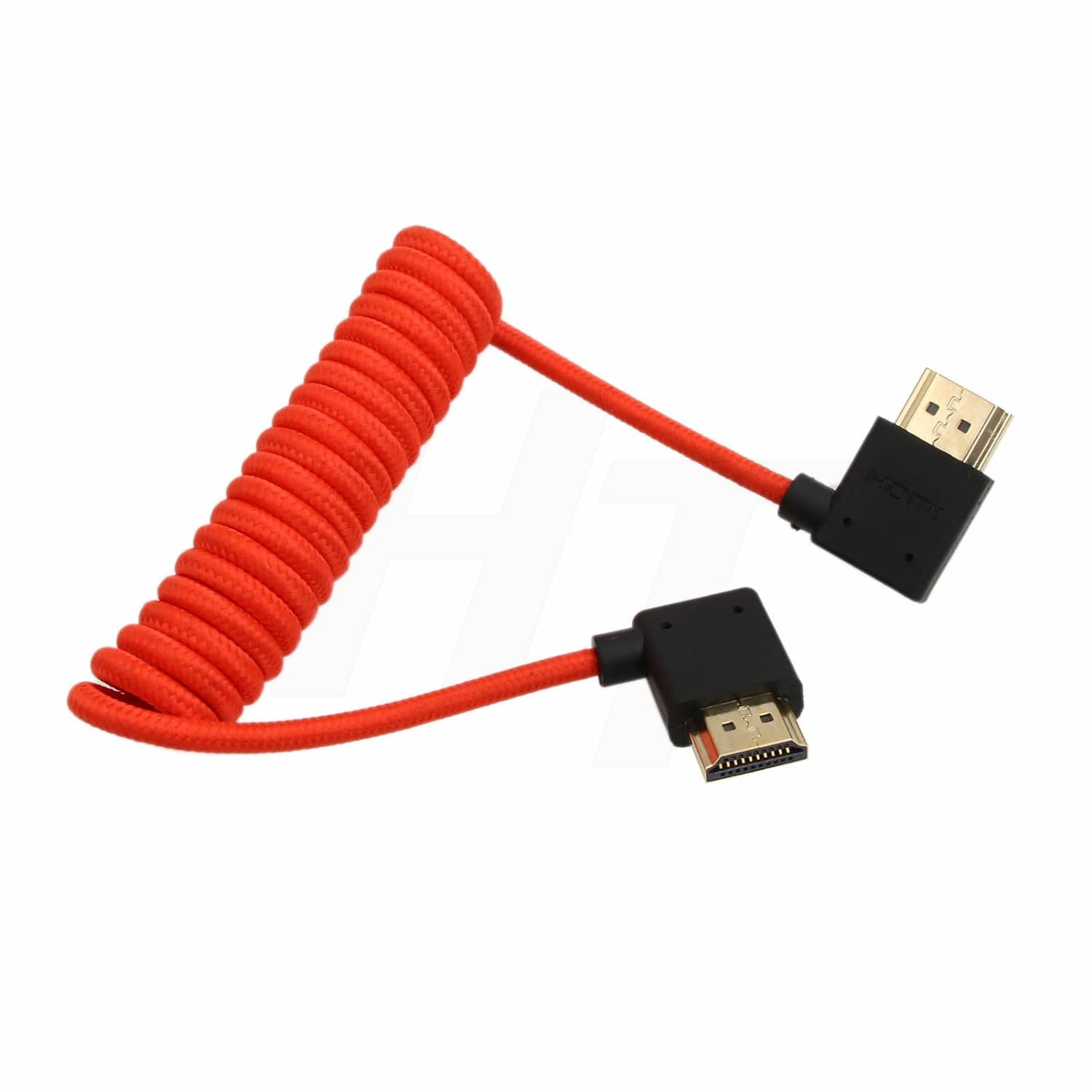
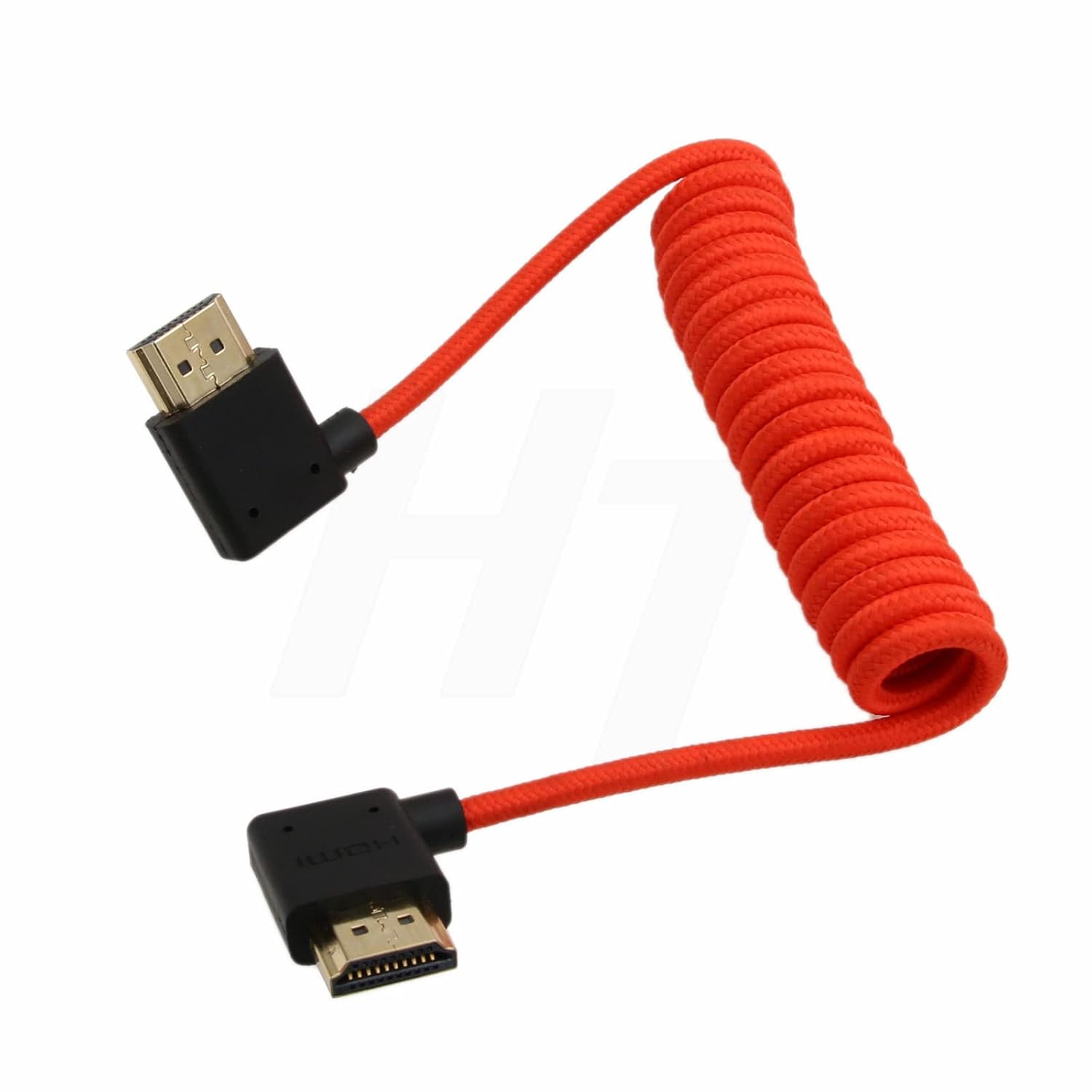
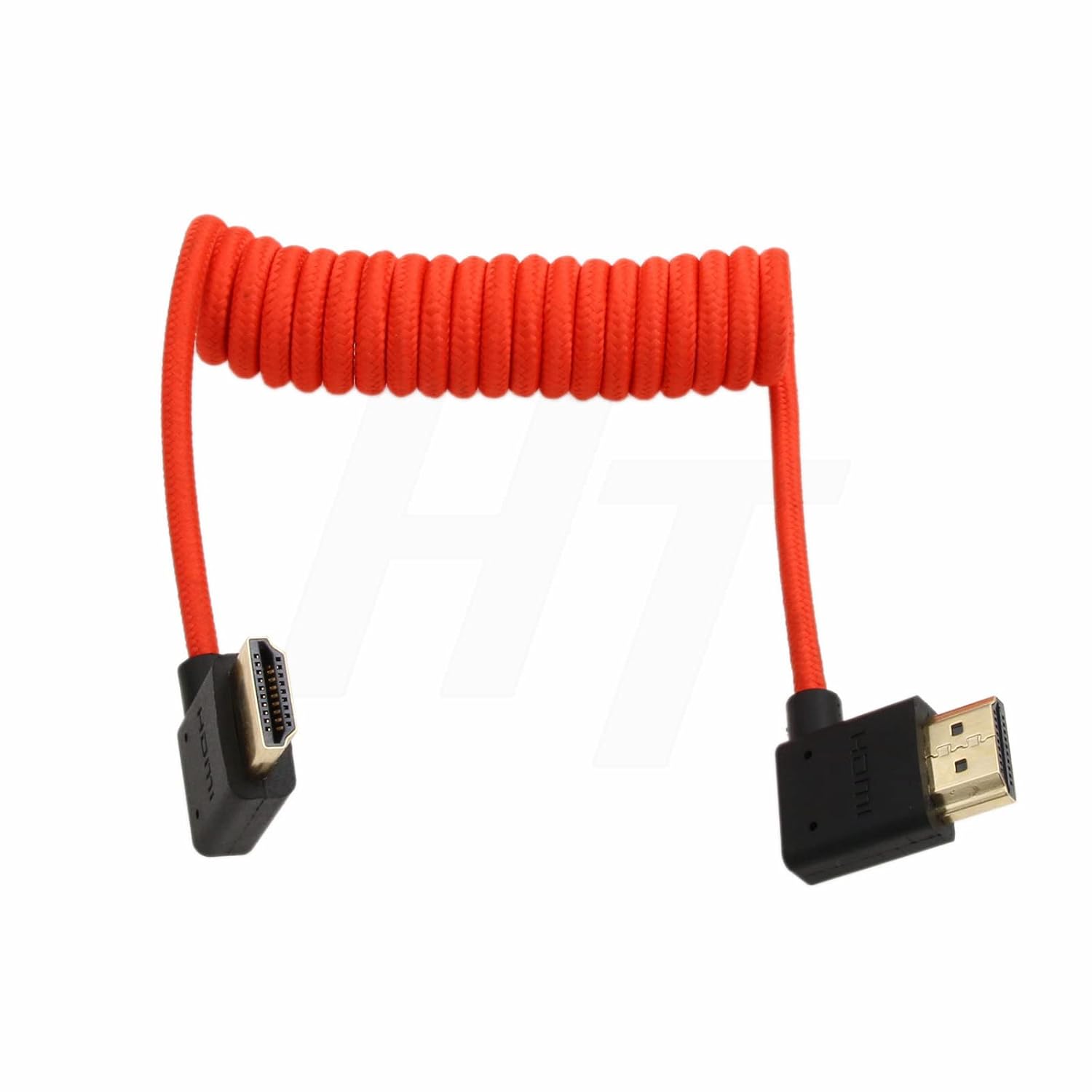
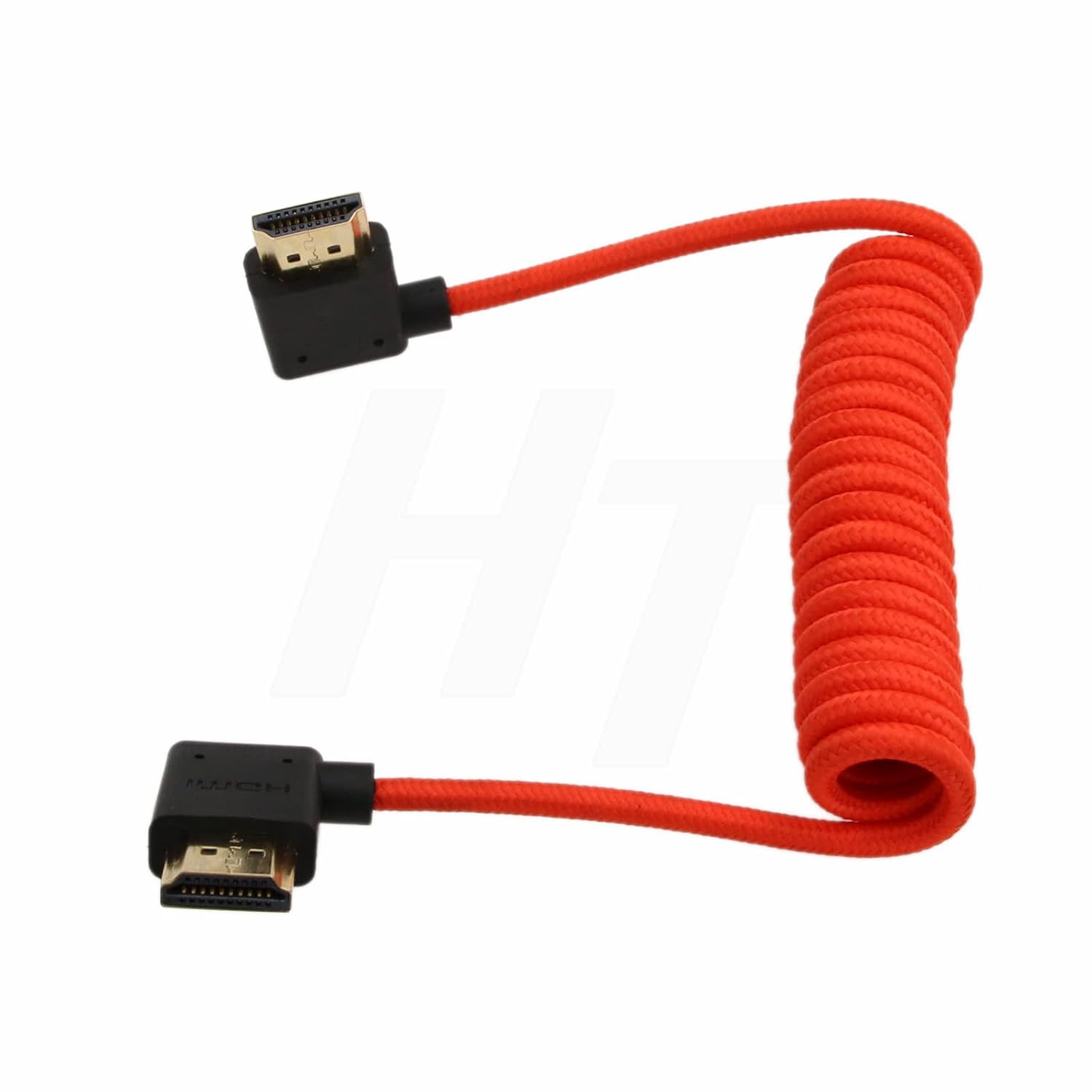
The cable uses a three-layer aluminum foil braid shielding and tinned copper conductors for signal integrity, with gold-plated, corrosion-resistant connectors. The dual right-angle (one end right-angled, the other left-angled) Type A connectors are designed to fit tighter rigs and reduce strain at the plug, which is useful on gimbals or compact rigs where space is at a premium. The braid is described as red and braided, and the exposed coil option ranges from 30 cm (12 inches) extended to 60 cm (24 inches). The result is a flexible, durable option that can live at the edge of a camera rig without getting in the way or kinking during busy shoots.
Practical usefulness and what stands out
If you prioritize HDR, high refresh rates, and reliable data transfer in a mid-range cable, this HangTon model aligns with those needs on the surface. It supports HDR and a wide range of resolutions and frame rates across 4K and 8K workflows, plus compatibility with a variety of monitors and recorders. The emphasis on shielding and stable signal transmission is meaningful for busy shoots where interference can ruin a shot.
Potential limitations and who should think twice
One thing to keep in mind: the description references many compatibility targets and performance specifications “on paper.” Real-world results depend on your exact camera, monitor/recorder, and cable routing. If your setup rarely pushes beyond 4K 60p, you might not notice a meaningful benefit over less feature-rich cables. Also, the braided coil and right-angle design are great for space management, but if your rig requires longer runs or different terminations, you may want to confirm exact length and connector alignment in your kit.
Who this is for
- Filmmakers and videographers using high-end camcorders or mirrorless cameras who also rely on external monitors/recorder panels (Atomos Shinobi/Ninja V, etc.).
- Projects where compact, space-conscious cabling matters and you want a cable that resists kinks and EMI in a tight rig.
- Users who want a durable, shielded option for a busy on-set environment where signal integrity is crucial for HDR workflows.
When it makes sense to buy
- You’re setting up a camera-to-monitor/recorder path that may require 8K or 4K at high frame rates and need reliable data transmission with minimal interference.
- Your rig benefits from a compact, braided, and rated cable with right-angled connectors to reduce stress on the HDMI ports.
- You value a robust build intended to endure frequent rig movements and live shooting conditions.
When this may not be the best fit
- If your workflow never reaches 4K 120Hz or 8K signals, a simpler HDMI cable could be sufficient and more cost-effective.
- If you require a different connector style or longer runs beyond 60 cm, check alternative configurations before purchase.
What to check before buying
- Confirm the exact end connector orientation you need on both the camera and monitor/recorder side (the stated L-shape design should align with your rig).
- Verify compatibility with your primary devices (camera model, monitor/recorder) and ensure the device supports the target HDMI 2.1 modes you plan to use.
- Consider your typical run length and whether you’ll need a longer extension or a permanent short lead in your setup.
- Check shielding quality and connector workmanship if you’re planning to subject the cable to frequent assembly/disassembly on location.
Quick comparison context
Compared to ultra-long or non-shielded options, this cable’s emphasis on shielding, durable connectors, and a protective braided sheath makes it more suitable for fast-paced shoots with potential EMI exposure. If you’re choosing between a basic HDMI 2.1 lead and this model, think about the value of a compact, rugged design in a busy rig and whether the right-angle ends will fit your camera cage and monitor mounts better.
What you’ll notice in use (micro-use example)
Imagine you’re on a windy outdoor shoot with a camera feeding a high-brightness monitor. A typical cable might start picking up noise or feel stiff as you reposition the rig. With a braided, shielded HangTon HDMI 2.1, the signal path remains steadier, and the plug angles stay aligned, reducing tugging at the camera port during quick camera moves.
FAQ highlights
- Will this cable work with standard HDMI 2.0 devices? Yes, it’s described as compatible with HDMI 2.0 and HDMI 1.4, but peak performance targets relate to HDMI 2.1 features.
- Is it suitable for long cable runs? The listed maximum length is 60 cm extended, for longer runs, you’d want a different length or a different architecture.
- Can I expect zero signal loss at 8K/60p? The description emphasizes lossless and stable transmission, but actual results depend on the entire signal chain and device compatibility.
Final decision: Is it worth it?
Is it worth it? Worth considering if you frequently work with high-end cameras and external monitors, value a compact, rugged design, and need reliable HDMI 2.1 performance in a tight rig. It may not be necessary if your workflow stays in 4K 60p or lower and you don’t require the right-angle, braided form factor. If you prioritize durability and EMI resistance in a space-constrained setup, this HangTon cable is a sensible option to test in your next production run.