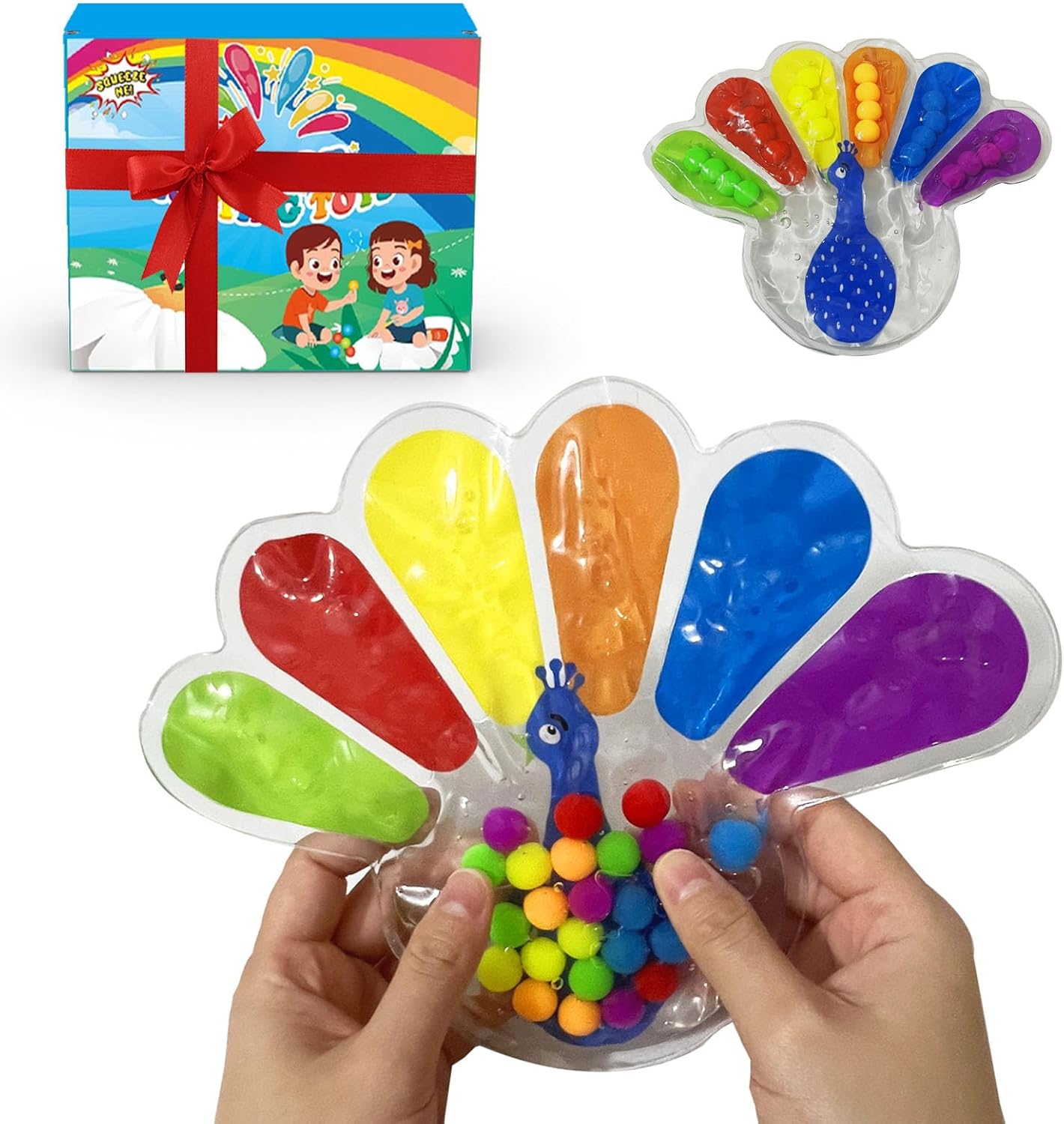
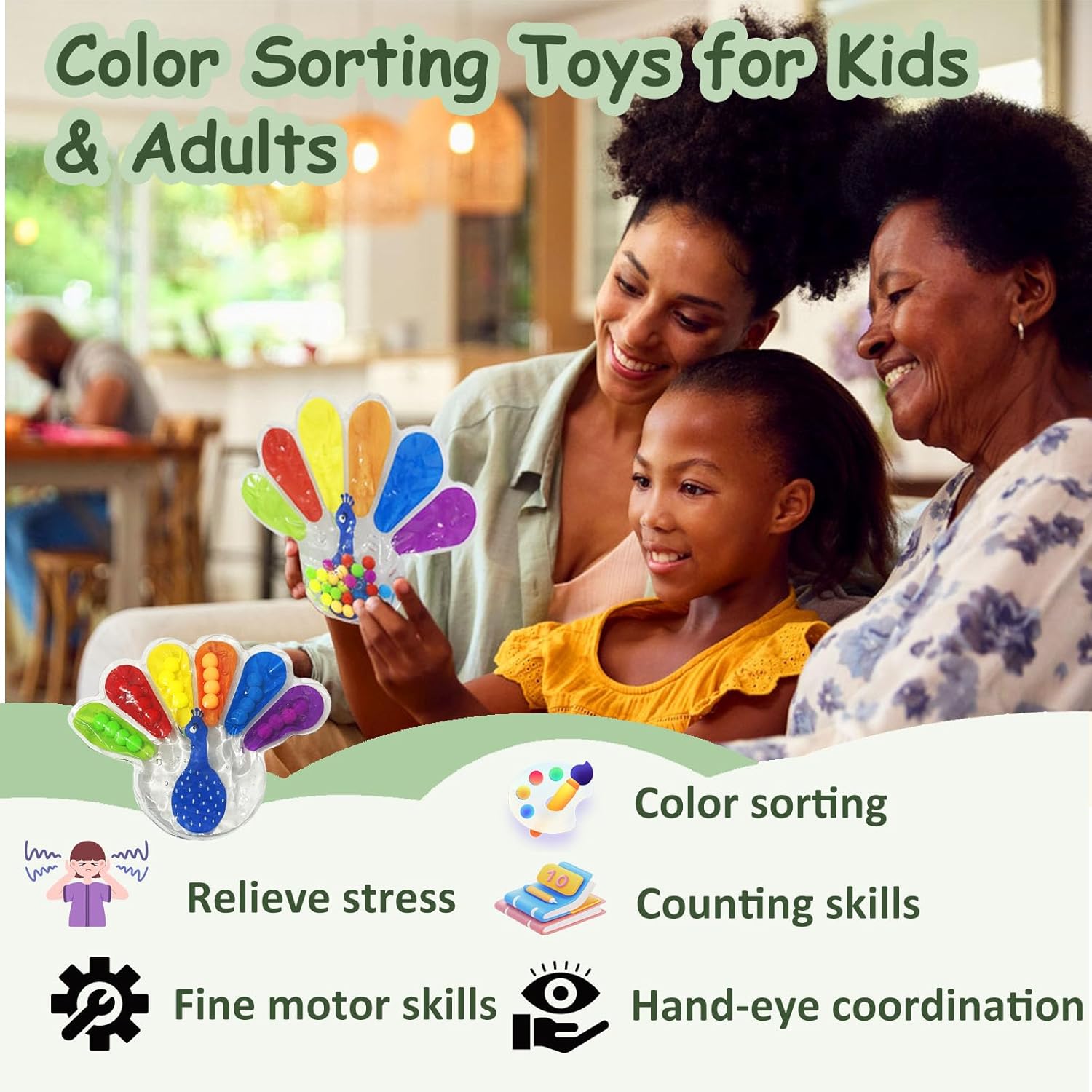
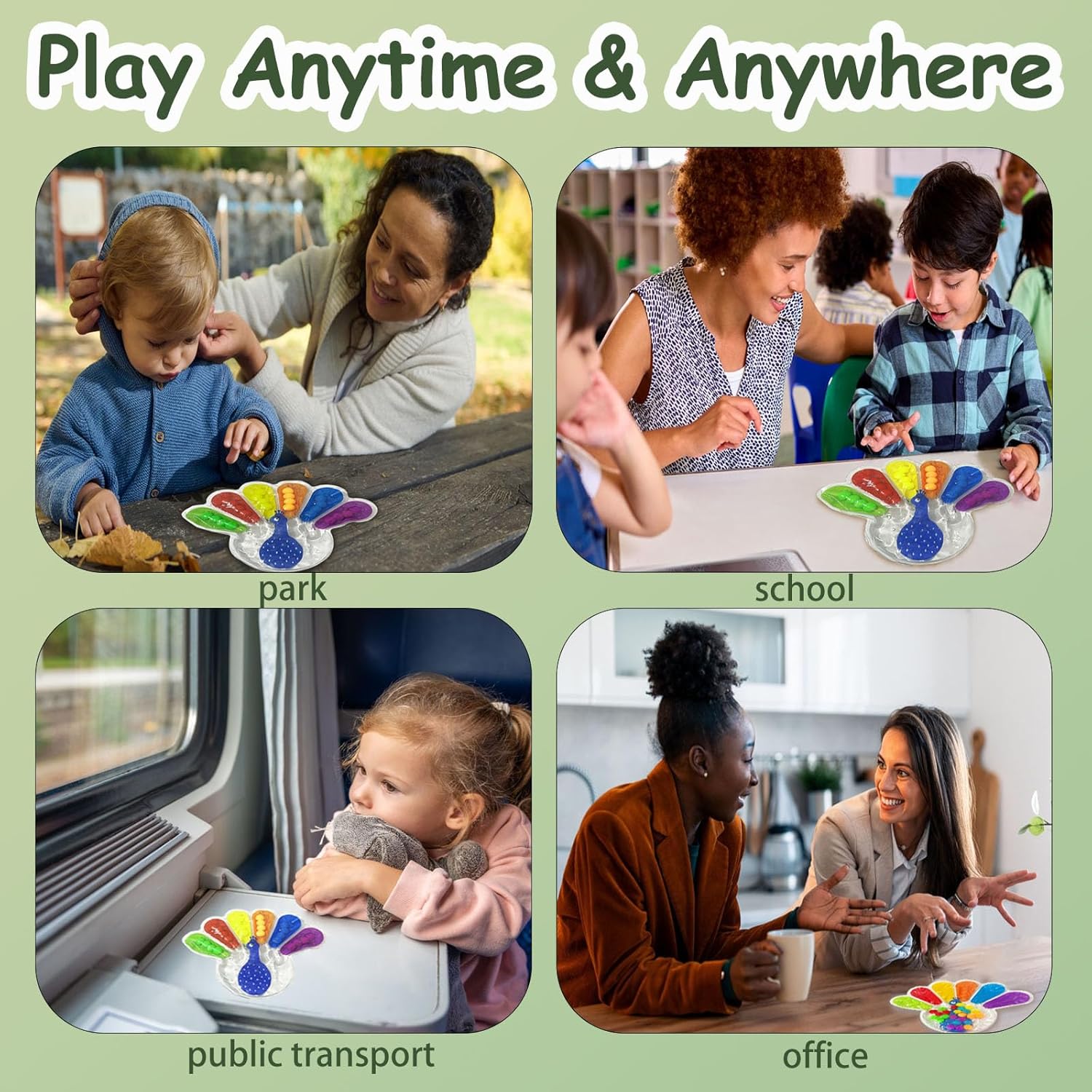
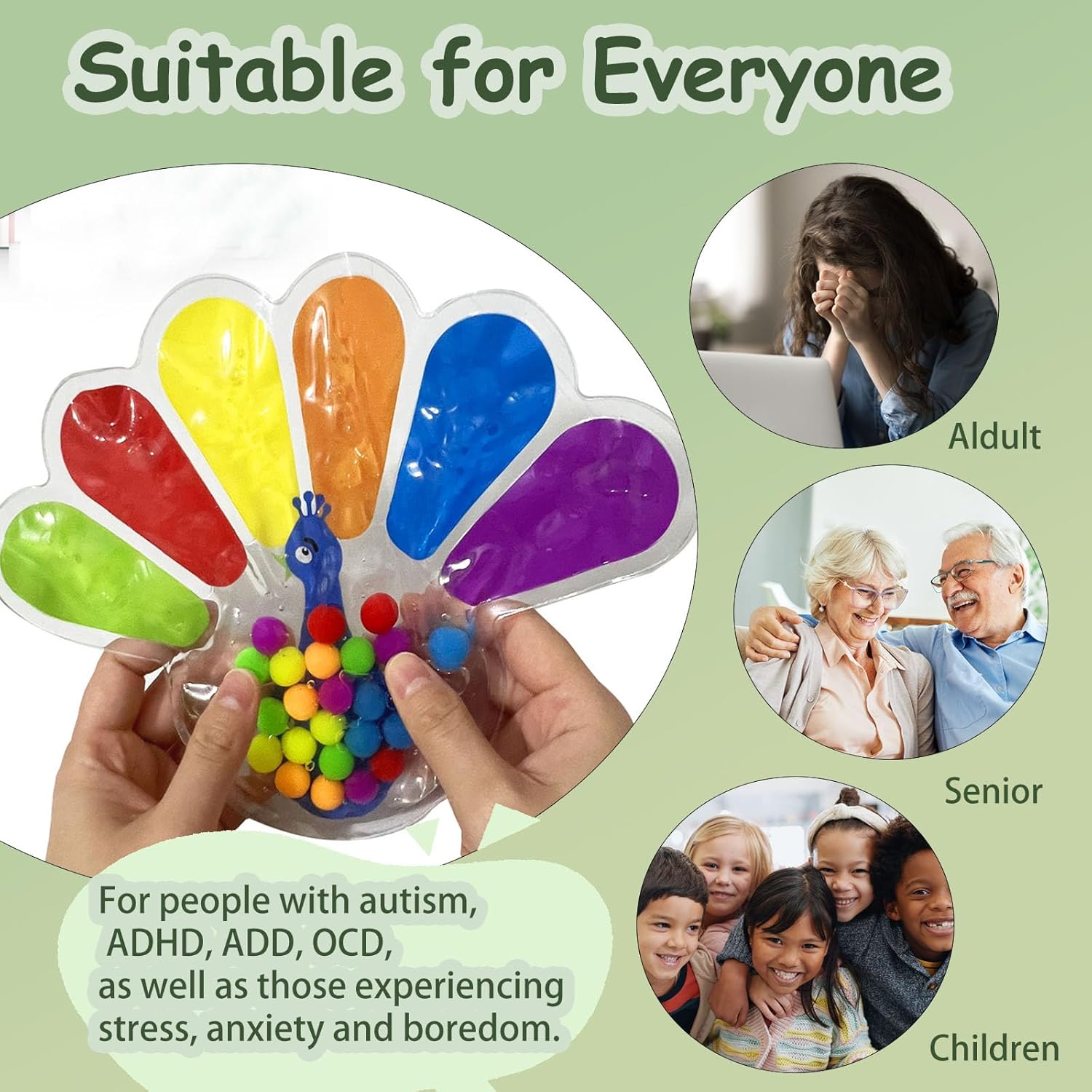
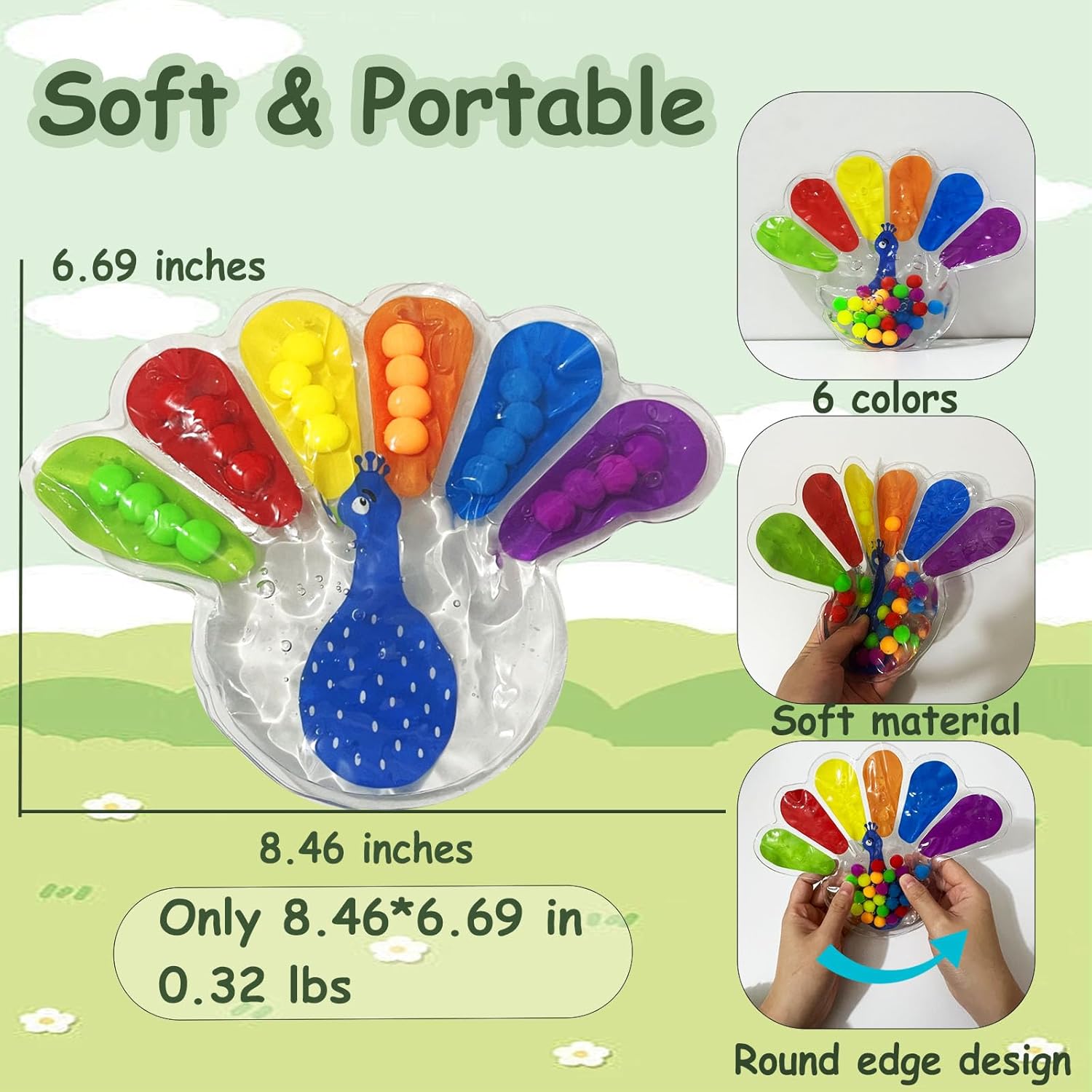
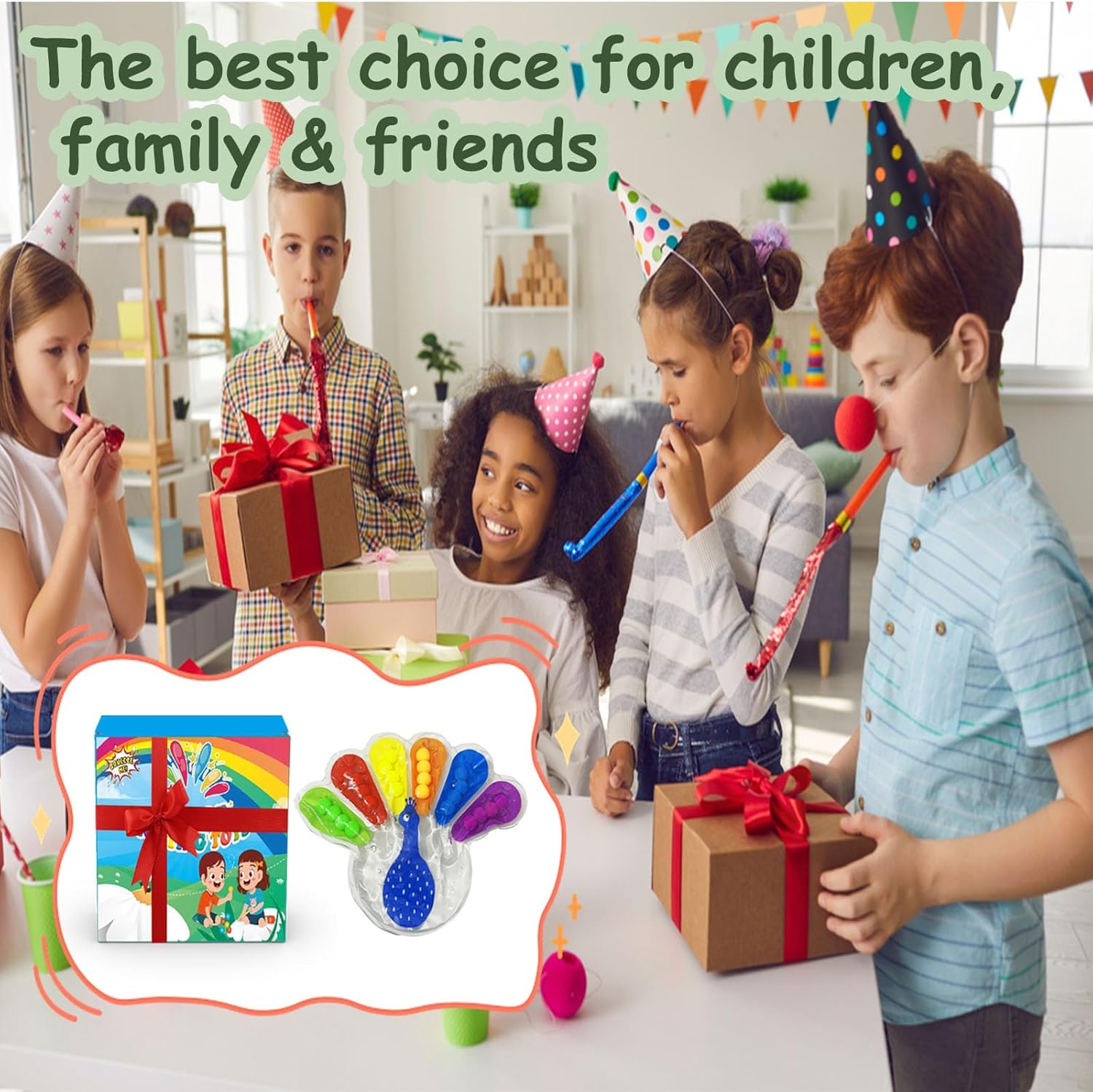
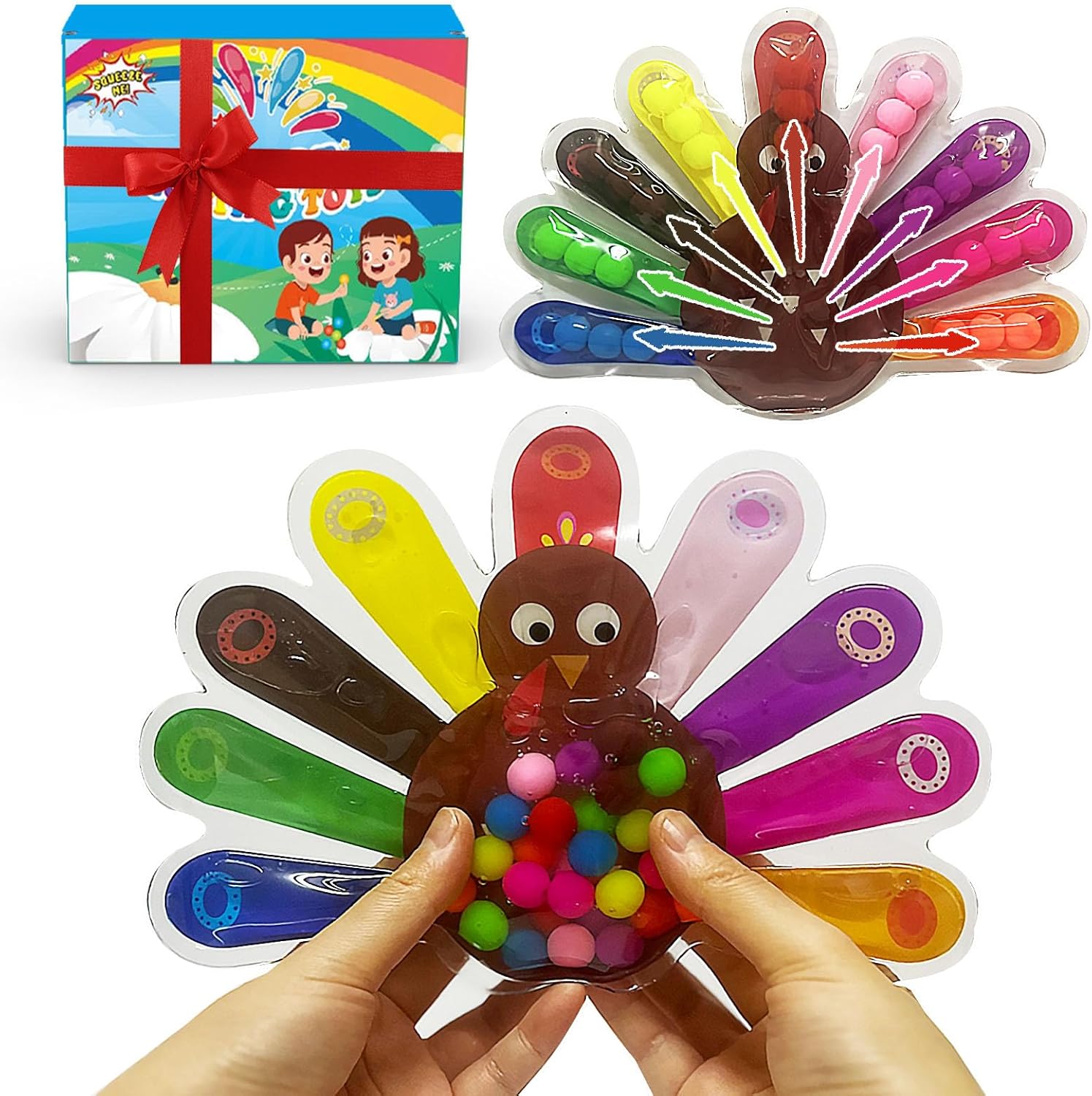
What it is\nGYsomer Color Sorting Sensory Toys are small, portable tools designed to help young children identify and sort colors while engaging their fine motor skills. The toy measures about 8.46 by 6.69 inches and weighs roughly 0.32 pounds, making it easy to carry in a backpack or a car seat pocket. The idea is to provide a hands-on, soothing way to practice color naming, sorting, counting, and sequencing through repetitive, tactile play.\n\n## Why it matters\nColor sorting activities can support early cognitive development by helping kids notice similarities and differences between hues, which lays groundwork for math reasoning later on. The act of squeezing, pressing, and placing beads strengthens finger muscles and hand-eye coordination, important foundations for writing and daily tasks.\nIn addition, the soft materials and repetitive motions can offer a calming sensory experience that may help with focus and emotional regulation during overstimulating moments. The toy’s soothing tactile input can be beneficial not only for toddlers but also for individuals who experience stress, anxiety, or sensory processing challenges.\n\n## What stands out\nOn the surface, the product prioritizes a simple, intuitive activity: color sorting. The combination of color recognition and fine motor practice is delivered through a compact, portable design that supports use at home, in classrooms, or during travel. The inclusion of a calming tactile element means it’s not only a classroom tool but also a sensory outlet that can help with self-regulation when emotions run high.\n\n## Who it’s for\nThis toy seems suited for toddlers starting around age 3, preschoolers, and also adults or older kids who benefit from tactile input or stress relief. It can be a gentle introduction to basic math concepts like counting and sequencing, as well as a practical way to practice concentration in busy environments.\n\n## Limitations & caveats\nOn the downside, the description does not specify the exact color set, materials beyond “soft,” or any safety certifications. For households with very young infants or children with strong chewing needs, you might want to verify bead size and finish. It may not replace more advanced color-matching systems or structured Montessori curricula but can complement them as a portable, low-pressure activity.\n\n## What to check before you buy\n- Confirm the color range included and whether it aligns with your child’s current learning goals.\n- Consider if you want a tactile, calming activity for breaks vs. a more instructor-led sorting exercise.\n- Check for any age recommendations beyond “3+” and verify if there are safety guidelines suitable for your setting.\n- Think about portability: is the 8.46"×6.69" footprint convenient for your usual spaces (car, school bag, etc.)?\n\n## Practical use example\nImagine a quiet afternoon: a child sorts color beads into matching cups, pausing to name each color aloud, while fingers press and release beads to strengthen grip. The repetition of the motion can help maintain focus during a short, structured play session, with the added benefit of a relaxing sensory experience.\n\n## Final verdict\nIs it worth it? If you value a compact, portable option that supports color recognition and fine motor development along with a calming sensory component, this toy offers a straightforward, risk-minimized option for everyday play. It may be especially appealing for parents or educators seeking a low-pressure activity that travels well between home, car trips, and school environments.\n\n## FAQ\n- What ages is it appropriate for? Typically suitable for ages 3 and up, with potential benefits for older kids and adults who enjoy sensory input.\n- Can it help with emotional regulation? Yes, the repetitive, soft-tactile nature of the activity can support focus and calm in moments of tension.\n- What if my child is a strong chewer? Please verify the materials and safety guidelines since the description does not specify certifications.