

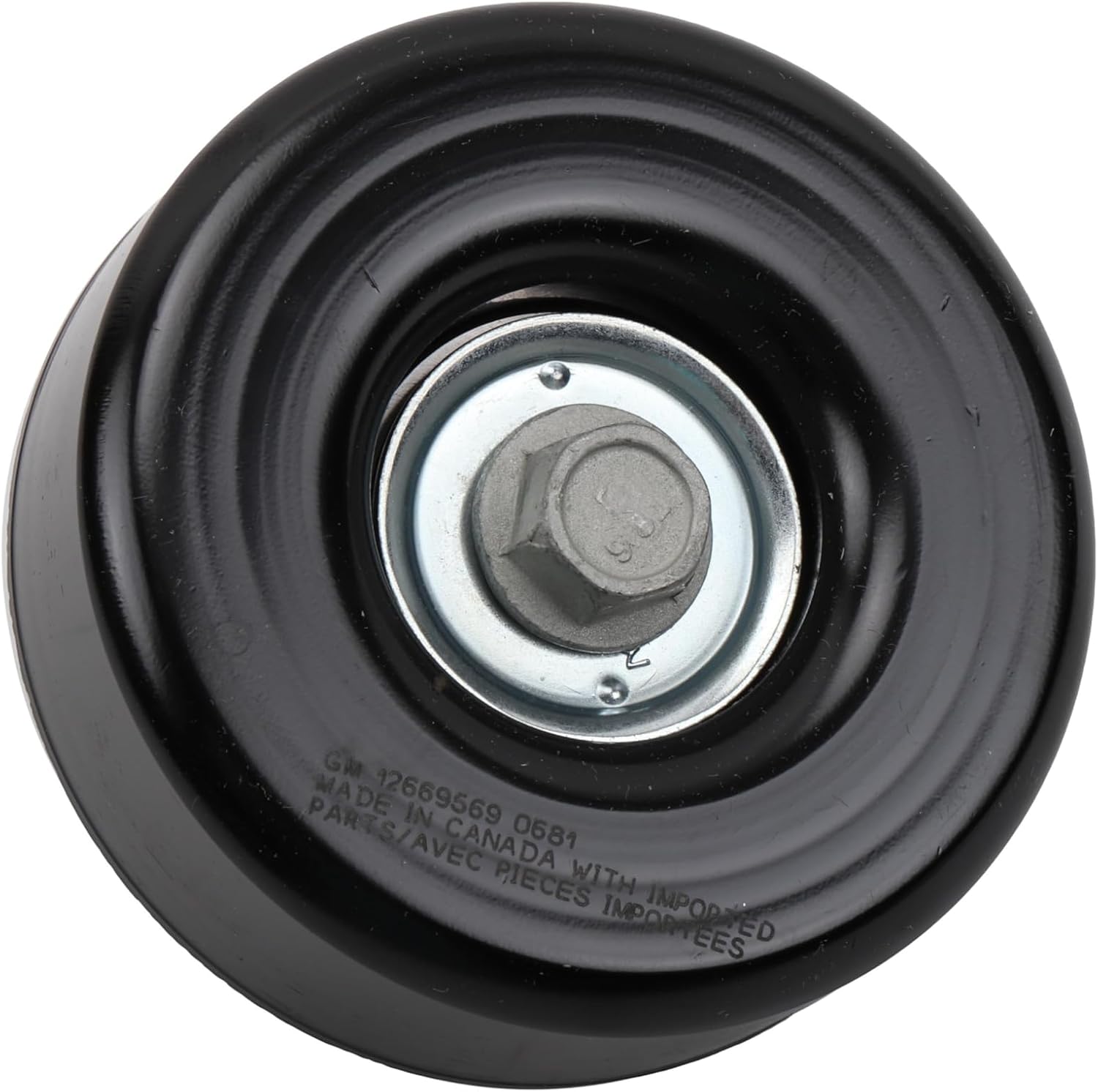
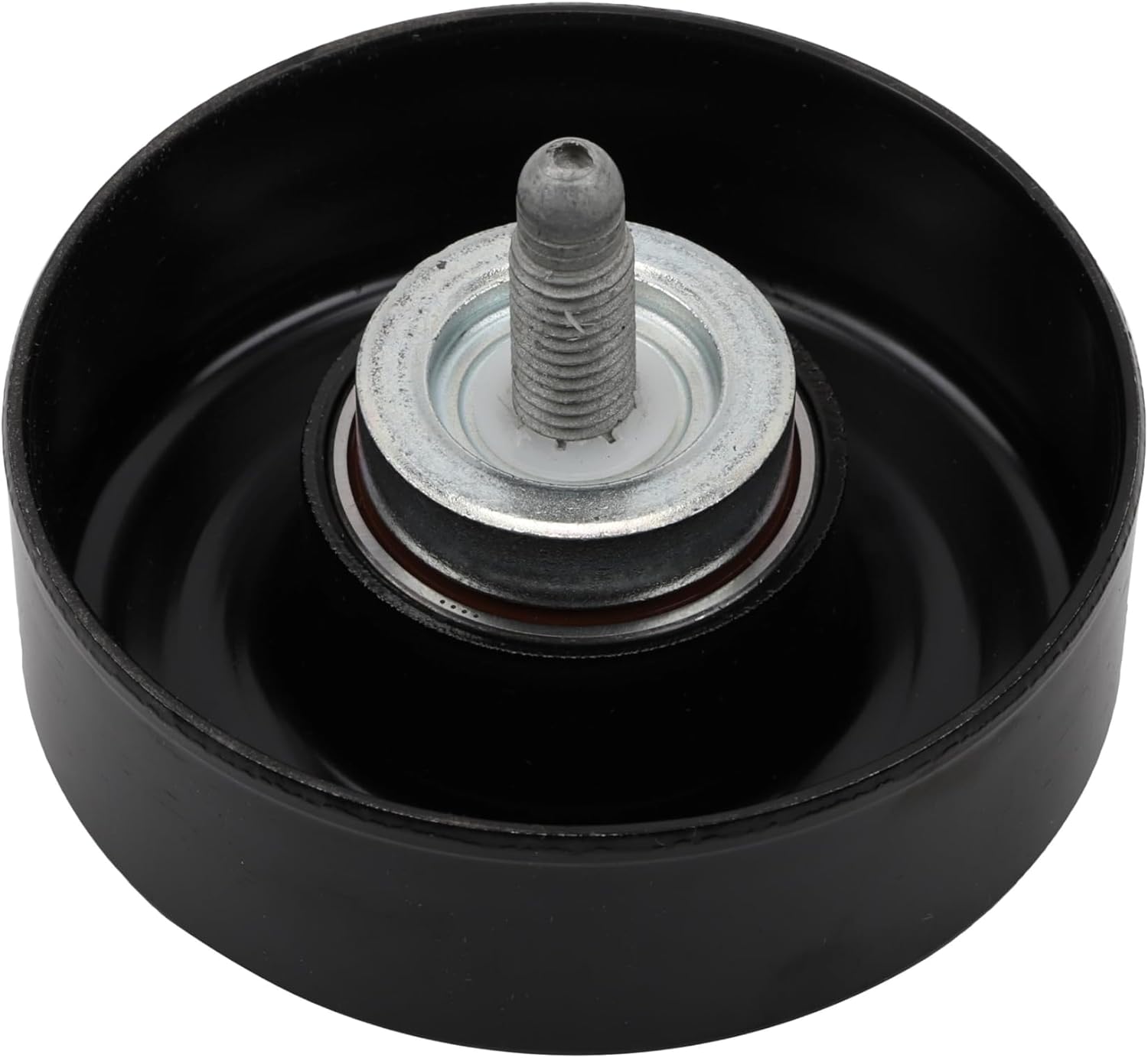
GM Genuine Parts 12669569 LC9 5.3L Drive Belt Idler Pulley (12669569)
Product description
If your vehicle’s drive belt system has started making noise, the GM Genuine Parts 12669569 LC9 5.3L Drive Belt Idler Pulley is one of those repairs that targets the source instead of living with the symptom. The part is described as helping repair a noisy idler pulley bearing, which is exactly the kind of issue that can get annoying fast—especially if the sound changes with engine load.
On paper, this is an original-equipment style replacement meant for specific GM vehicles (the listing notes Chevrolet, Buick, GMC, or Cadillac). That matters, because OE-style parts are typically engineered to fit and function within the vehicle’s design expectations, including how components work alongside the vehicle’s safety systems. Aftermarket can be fine in many cases, but if you want the “as-designed” approach, OE parts are usually the safer bet.
What it’s for and the problem it targets
This idler pulley replacement is positioned to help with a noisy idler pulley bearing. In everyday terms, that usually means the belt-drive area starts to squeal, rattle, or produce a persistent whir that points toward bearing wear. Replacing the idler pulley assembly is often the move when the noise is tied to the accessory belt path, not when the alternator or compressor is clearly the culprit.
What you’ll notice after replacing it
The listing’s main benefit is straightforward: it helps repair noisy behavior tied to the idler pulley bearing. If you’re currently hearing noise from the belt drive region, installing the correct idler pulley can quiet things down—at least according to the intended repair purpose.
That said, it’s worth keeping a realistic expectation: if the underlying issue is misalignment, a worn belt, or another component in the drive system, this part may not fully solve everything on its own. It can absolutely be the right fix, but the belt system is a chain—one weak link can make other parts look guilty.
Why GM Genuine Parts is a different buying approach
The description highlights that GM engineers design and validate OE parts specifically for the vehicle, and that original equipment parts are designed to work with GM safety systems. It also notes that some GM Genuine Parts may have formerly appeared under ACDelco as GM Original Equipment (OE).
So the “why it makes sense” angle here is compatibility and engineering intent. It’s not just a random pulley—it’s meant to match the way the vehicle’s accessory drive system was developed and serviced.
Key things to check before you buy
This is where buyers can save themselves headaches. Since the listing points to specific GM applications, you should confirm that the part number matches your vehicle exactly (12669569) and that the “LC9 5.3L” context aligns with your engine.
Also, if you’re diagnosing noise, take a moment to verify what’s actually failing. A quick reality check often helps:
- If the noise clearly comes from the idler pulley area during belt operation, this is in the right neighborhood.
- If the noise is more intermittent or seems to correlate strongly with another accessory, you may be chasing the wrong component.
Who it suits best (and who might want to think twice)
It suits you if you want an OE-style replacement aimed at correcting a noisy idler pulley bearing, and you’re working on a Chevrolet, Buick, GMC, or Cadillac vehicle where GM Genuine Parts fit the intended design.
It might not be for you if your goal is purely experimental or budget-first without confirming the correct match. If you haven’t pinned down that the idler pulley bearing is the source of the noise, you could end up replacing parts unnecessarily.
The essentials for installation and fit
The product description emphasizes OE design/validation for GM vehicles and positions this part as a repair for noisy idler pulley bearing issues. That’s the core value: the part is engineered to be an OE-type service replacement rather than a generic solution.
If you’re doing this as part of a broader belt-system service, consider reviewing the belt condition too. Bearings don’t always fail in isolation—wear patterns can point to what else should be inspected.
Final verdict
Worth buying if you’re dealing with a noisy idler pulley bearing and you can confirm this GM Genuine Parts 12669569 matches your vehicle’s application context (including the LC9 5.3L reference). It’s a targeted, OE-aligned repair approach aimed at quieting the belt-drive noise.
Better avoided if you can’t verify the fit/application or if the noise source is still unclear. In that situation, troubleshooting first can be the better move than replacing a part just because it’s available.
Mini FAQ
Is this pulley meant to fix a specific noise?
The listing says it helps repair a noisy idler pulley bearing, so it’s most relevant when the noise is coming from the idler pulley area.
Will it work for any GM vehicle?
The description indicates OE design validated for Chevrolet, Buick, GMC, or Cadillac vehicles, but it also references the LC9 5.3L application. You’ll want to match your vehicle and engine context.
Does the listing mention ACDelco compatibility?
It notes that some GM Genuine Parts may have previously appeared as ACDelco GM Original Equipment (OE), which can matter when cross-referencing older listings.
Should I replace just the idler pulley, or check the rest of the belt system?
Based on the nature of belt-drive problems, it’s smart to consider the condition of the rest of the drive system too—especially if the noise doesn’t fully match the idler pulley bearing.