


FOUR UNCLES Oil Extractor Vacuum Fluid Extractor with Pump Tank, Remover & Tubes for Oil Changes and Brake Bleeding
Reviews
Price
Product description
The essentials
If you do your own oil changes, the mess and the crawl-under-the-car part can get old fast. The FOUR UNCLES Oil Extractor is designed to pull fluids through a vacuum setup, so you can extract engine oil without scraping, dripping, and chasing spills afterward. On paper, it’s also positioned as a tool for brake bleeding, with an additional hose for that job.
What makes it stand out is the flexibility of operation: it supports two ways to extract fluid—an air-powered mode and a manual mode. The air-powered mode is described as faster, while the manual mode is meant to work without requiring extra equipment. That combination matters if you work in different conditions (garage vs. driveway vs. wherever a project happens to land).
What you’ll notice in use
The brand’s main promise here is speed and cleanup. The extraction rate is listed as 1.8 l/min, and it claims the oil pump can remove engine oil from a 4-cylinder car in about 5 minutes in pneumatic mode. The actual time you’ll see depends on your setup and how the oil flows, so it may not land exactly the same for every vehicle—but the goal is clear: make draining less of a time sink.
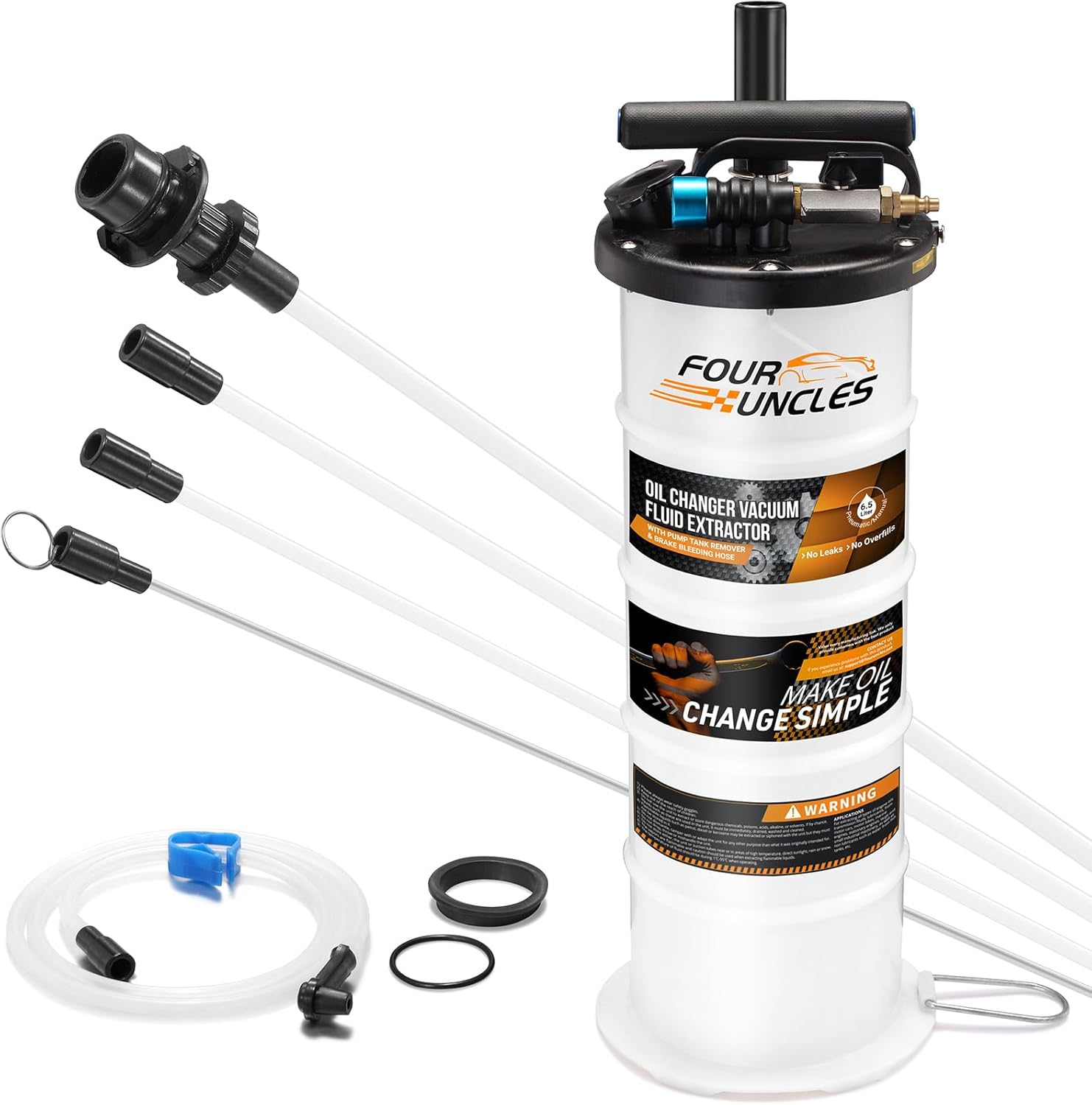
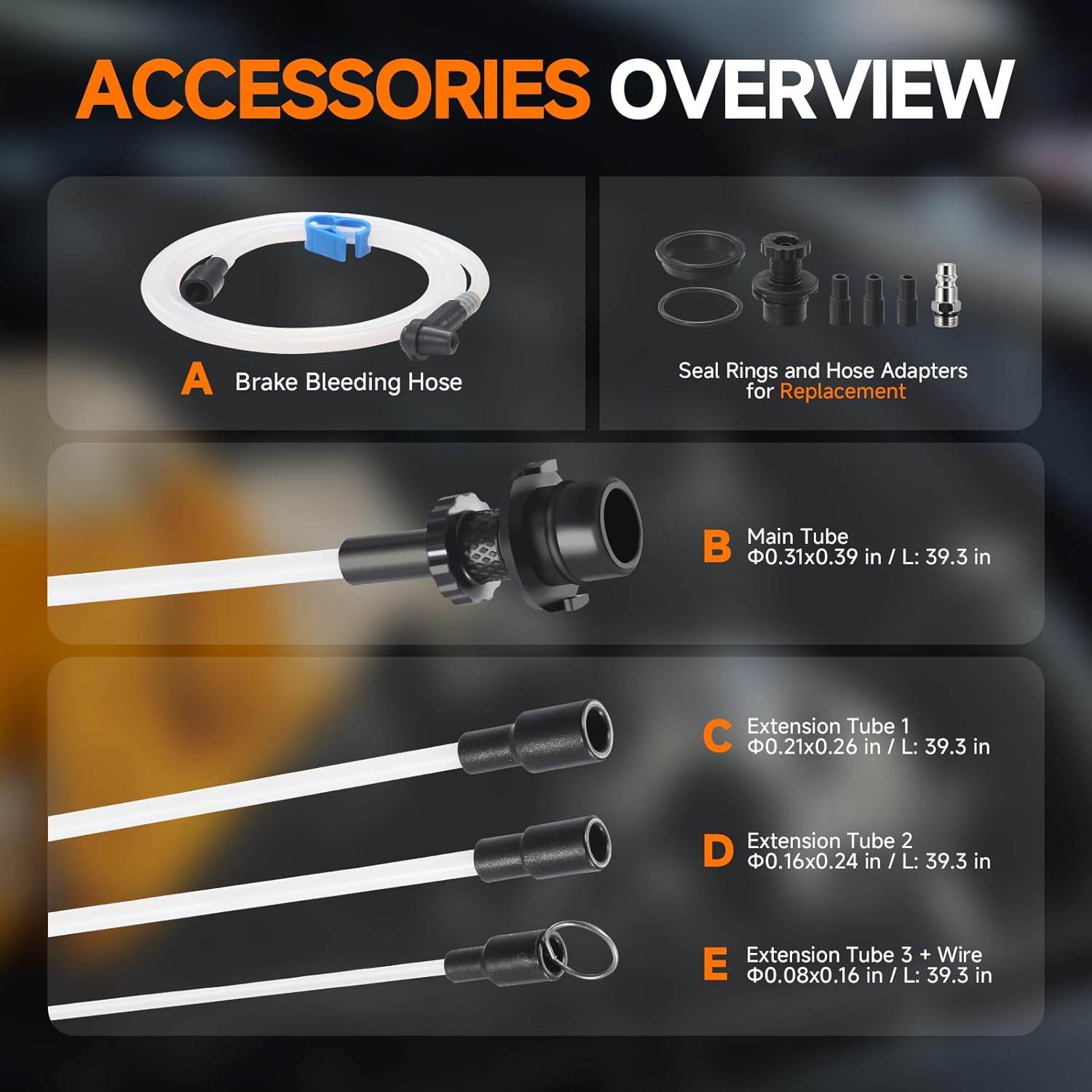
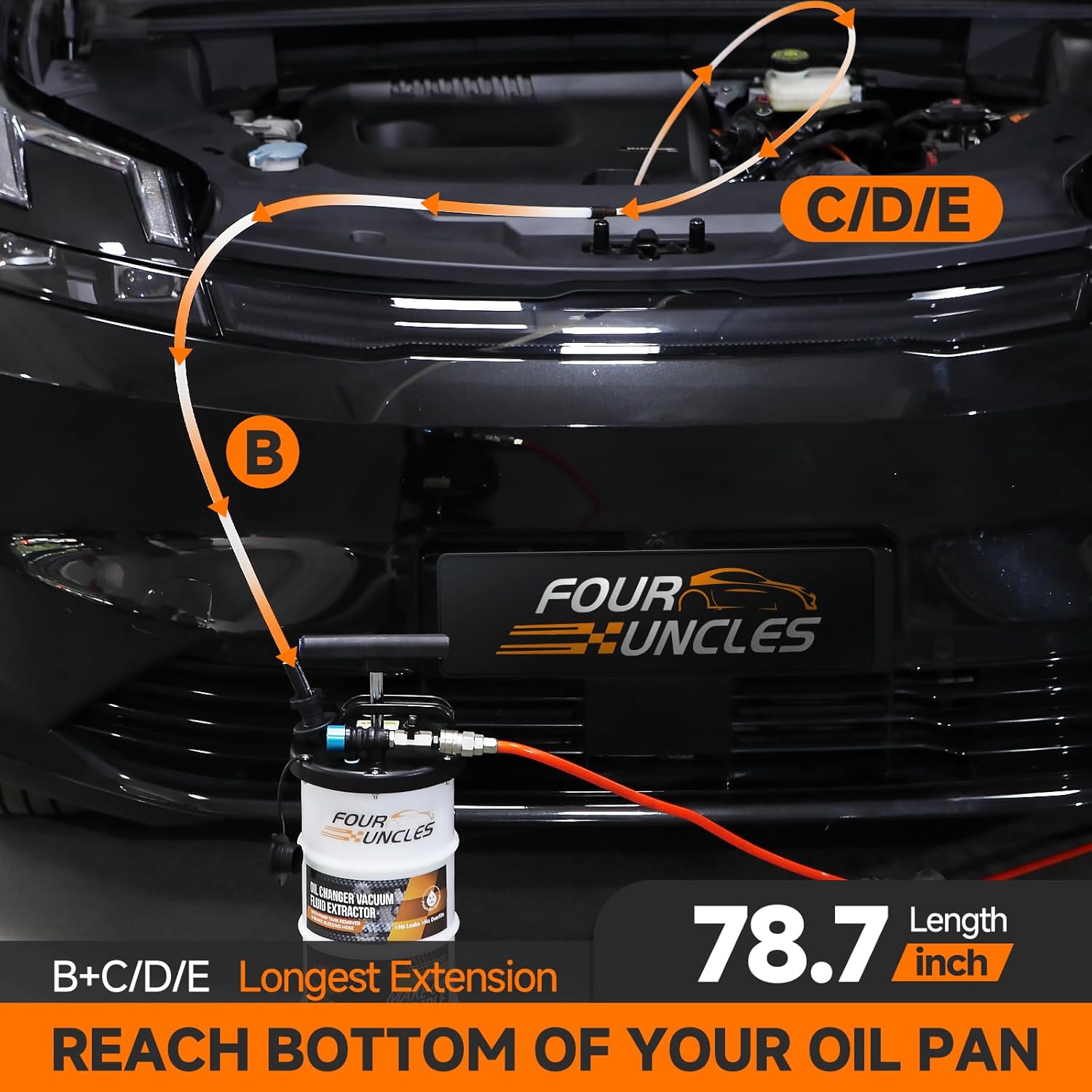
It also includes a main tube plus 3 types of tubes with different diameters. The intent is that the tubes reach into the bottom area of the oil pan tray and pull oil efficiently “each drop,” rather than leaving behind thicker pockets. In a practical sense, that means fewer awkward attempts at repositioning the tube during the job.
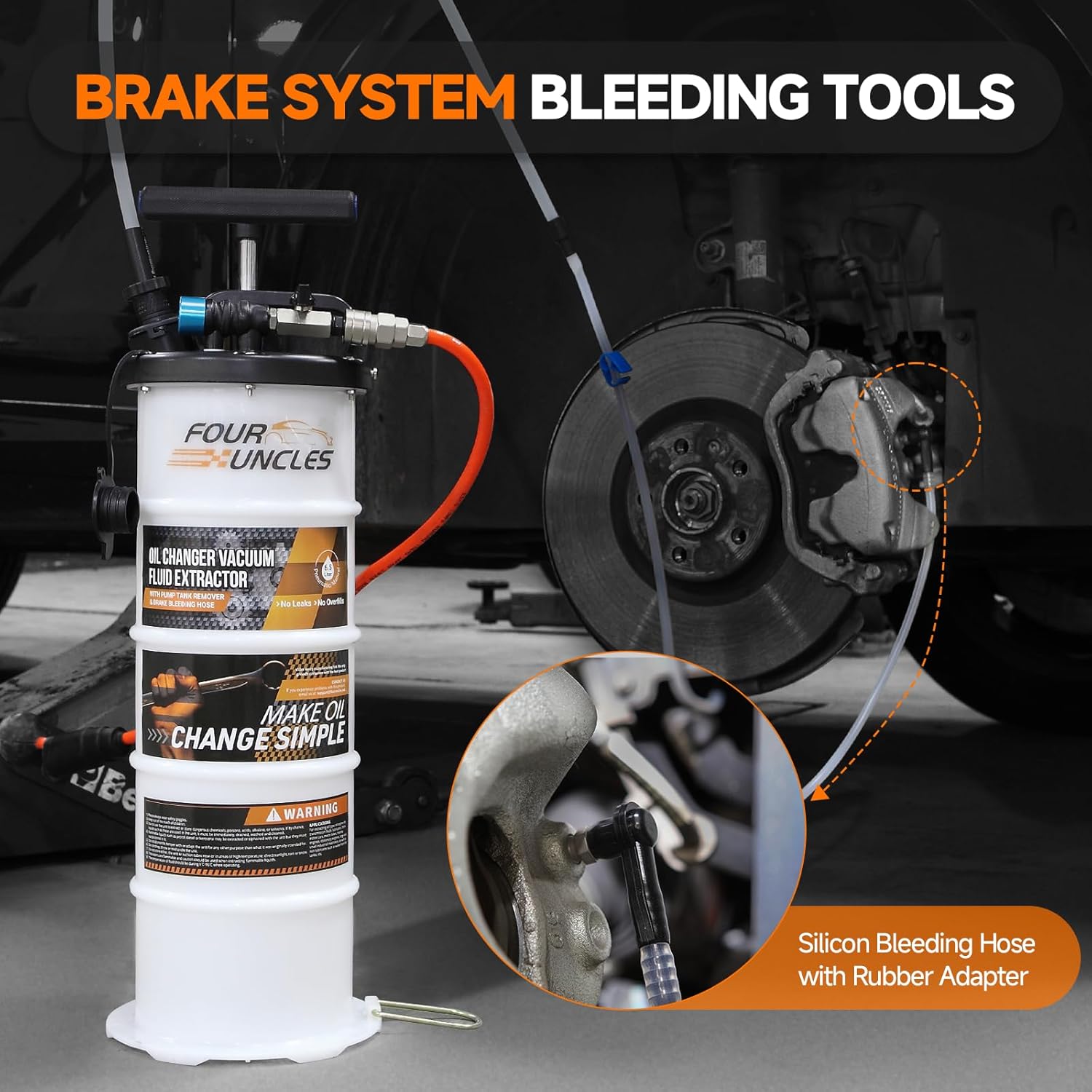
On the brake side, the extractor is described as usable to remove brake fluid using an extra brake bleeder hose. If you’re the kind of DIY person who already owns bleed tools or has a bleed process, this can help you approach brake fluid service with less under-car mess.
Key features that matter (and a realistic limitation)
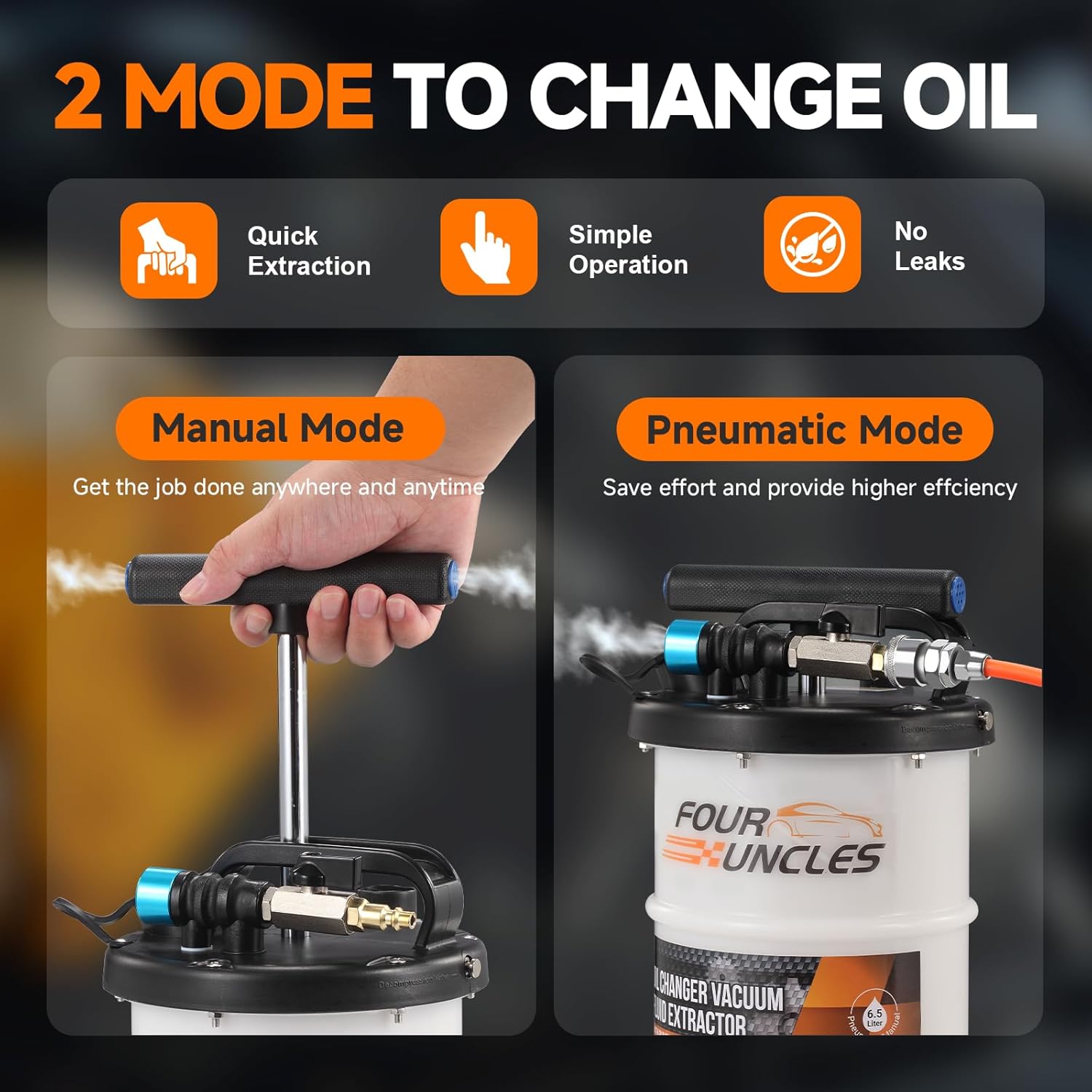
Two operational modes can be a big deal because they change what you need at the moment you start working. Pneumatic mode is described as faster, while manual mode is there for situations where you don’t want to rely on additional equipment.
Where it can feel limiting: the tool is not described as being a universal fit for every vehicle type with no caveats—only the tube sizes and general method are provided. So if you’re buying for a tight engine bay or an unusual oil pan layout, you’ll want to pay close attention to tube diameter selection and how easily the tube reaches the oil pickup area.
Getting the most from it
This is the kind of tool that shines when you treat it like a workflow tool, not a “one-off” device.
- Before starting an oil change, open the hook and insert the correct tube so it can draw from the bottom of the oil pan area.
- If you’re using pneumatic mode, plan to use it where you can run your air supply setup comfortably.
- If you switch to manual mode, you can still extract fluids without needing other equipment—useful when you’re working outside or on a tight schedule.
The product description also makes a point about not having to get under the car. That’s a major convenience factor if you dislike kneeling, lifting your back, or getting oil on clothing. For a micro example: instead of crawling under to loosen a drain plug, you could position the tube, hook everything up, and let vacuum extraction do the heavy lifting—then wipe down what’s left rather than dealing with a full drain mess.
Who it’s for (and who should skip it)
Worth considering if you: - do regular oil changes in a garage or driveway and want a cleaner, faster alternative to draining, - want one extractor that can handle oil changes and also support brake fluid removal (with the included hose), - like having a plan for both indoor and outdoor work, including projects on boats, trucks, or lawn equipment.
It might not be the best match if you expect guaranteed compatibility with every vehicle regardless of oil pan shape, or if you’re not likely to do both oil changes and brake fluid work. In those cases, you may be better off with a simpler approach that matches your specific vehicle and maintenance routine.
Tech specs
- Type: Vacuum fluid extractor (oil extractor) with pump
- Extraction speed: 1.8 l/min
- Included tubes: Main tube + 3 tube types with different diameters
- Intended uses (as described): Engine oil extraction and brake fluid removal (with included brake bleeder hose)
- Operation modes: Pneumatic (air) mode and manual mode
In the box
The listing description specifies a main tube, 3 types of tubes with different diameters, and an additional hose intended for brake bleeding, plus the vacuum fluid extractor/pump tank setup.
Should you buy it?
Buy it if you want a DIY-friendly vacuum oil extractor that’s designed to reduce mess, includes multiple tube diameters for reaching the oil area, and offers both pneumatic (faster) and manual (no extra equipment needed) modes. It’s also a compelling pick if you plan to handle brake bleeding work and want the extractor method instead of relying on only traditional setups.
Skip it if you’re mainly looking for a drain-plug replacement and don’t care about extraction style cleaning, or if you’re worried your vehicle’s oil pan access won’t play nicely with the tube diameters provided. In other words: it’s built for hands-on maintenance, but you still need the right tube fit and reachable placement for the results to feel worth it.
Quick FAQ
Does it require extra equipment?
The product description says pneumatic mode provides faster extraction, while manual mode does not require other equipment to work. So whether you need an air supply depends on which mode you use.
Is it only for engine oil?
No. It’s described as usable to remove brake fluid as well, with an additional brake bleeder hose.
Will it work for both cars and other equipment?
The listing mentions use for garage work and also using it outdoors for boats, trucks, and lawnmowers, as described.
Is the extraction speed guaranteed?
The listing provides an extraction rate and a 4-cylinder example time in pneumatic mode, but real results can vary based on vehicle and setup.
Does it eliminate spills?
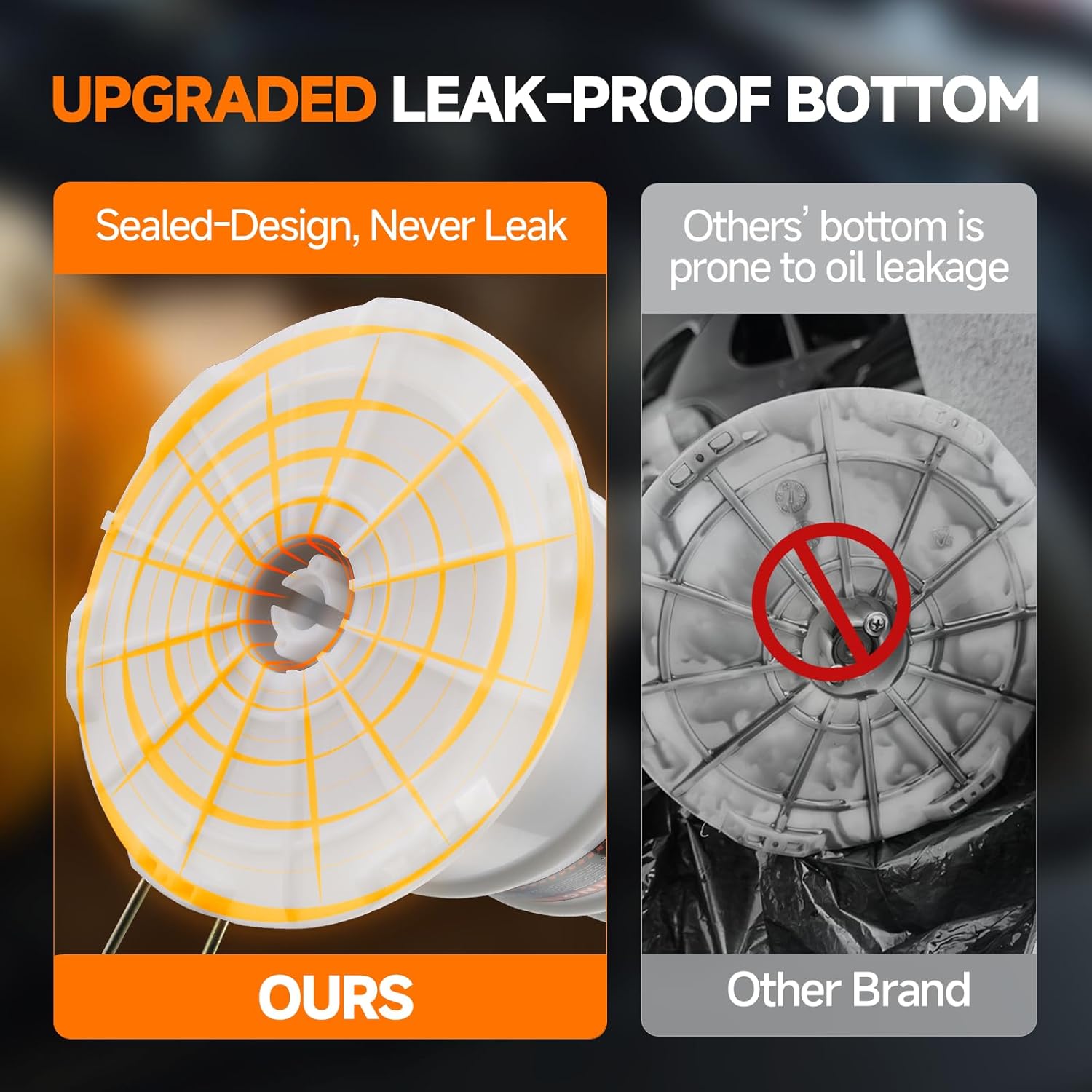
It’s designed to avoid dripping and reduce cleanup compared with crawling under a car, but like any fluid tool, you’ll still want proper placement and basic cleanup afterward.