

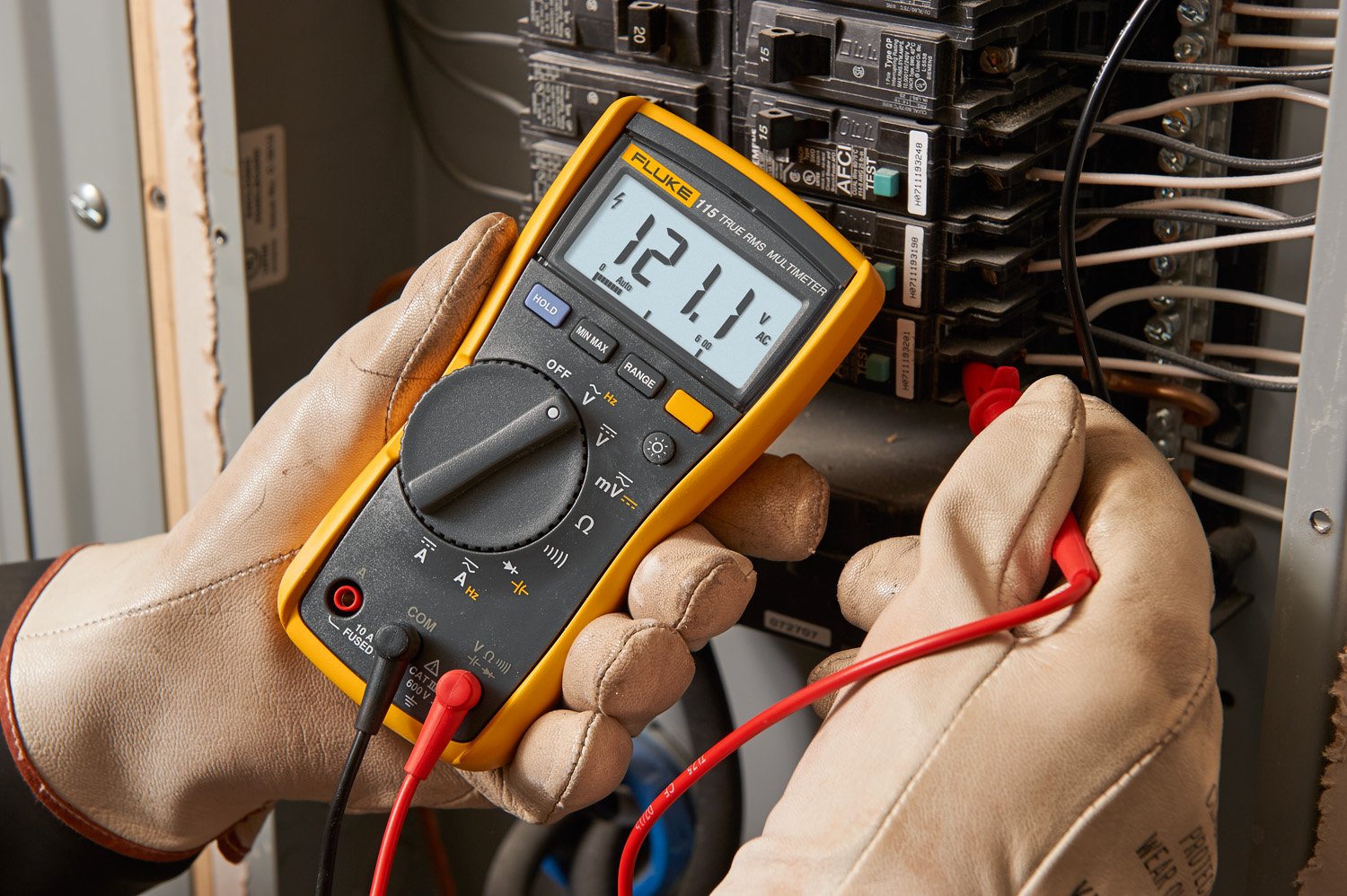
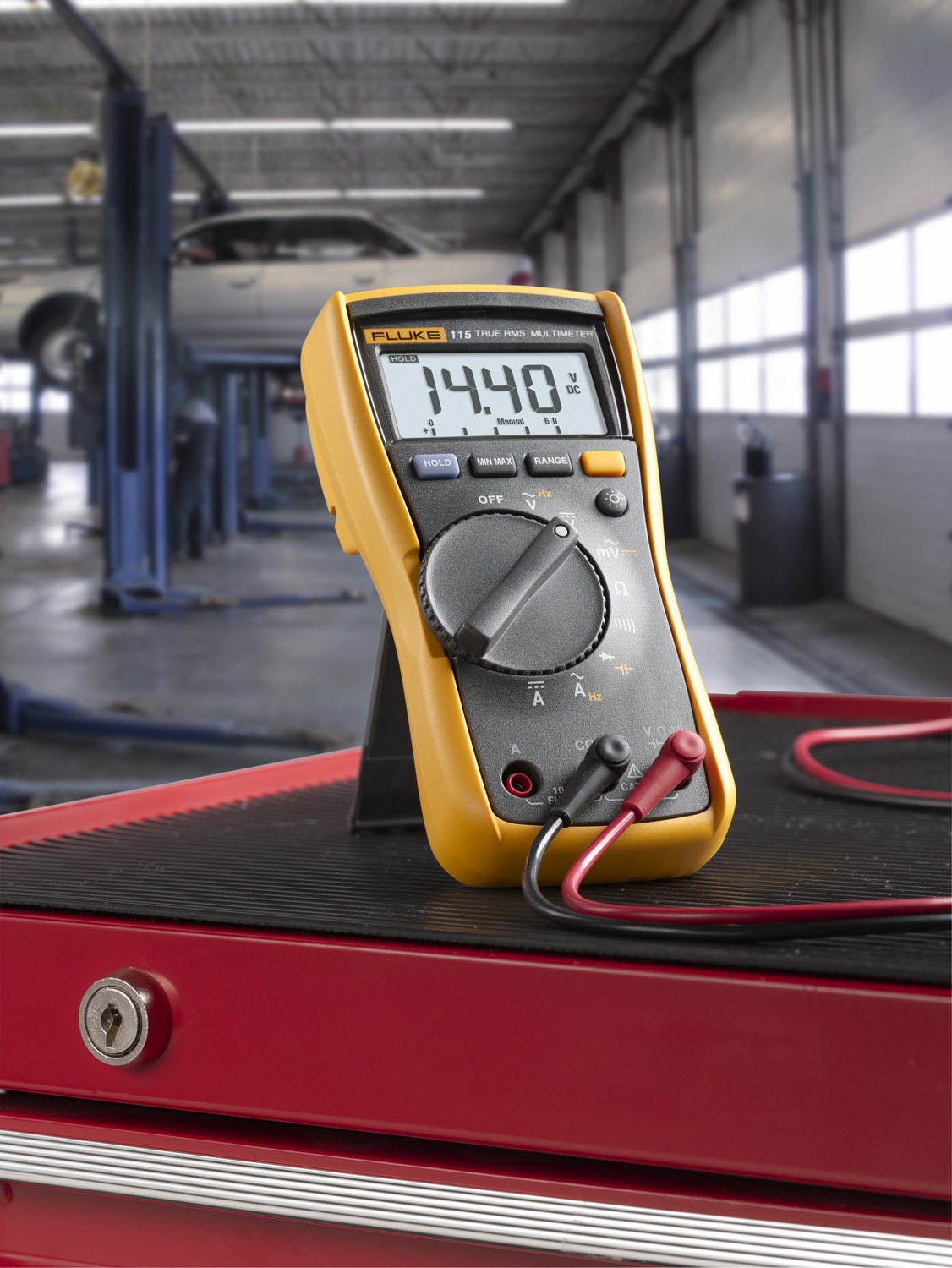
Fluke Digital Multimeter
Reviews
Price
Product description
This handheld multimeter from Fluke brings clear readouts and basic diagnostic functions for electricians and hobbyists working in dim environments. Designed with a large white LED backlight for low-light tasks, it helps check resistance and continuity quickly while maintaining a compact form for field work. It's a straightforward instrument for troubleshooting circuits at the workbench or on site.
Key Points
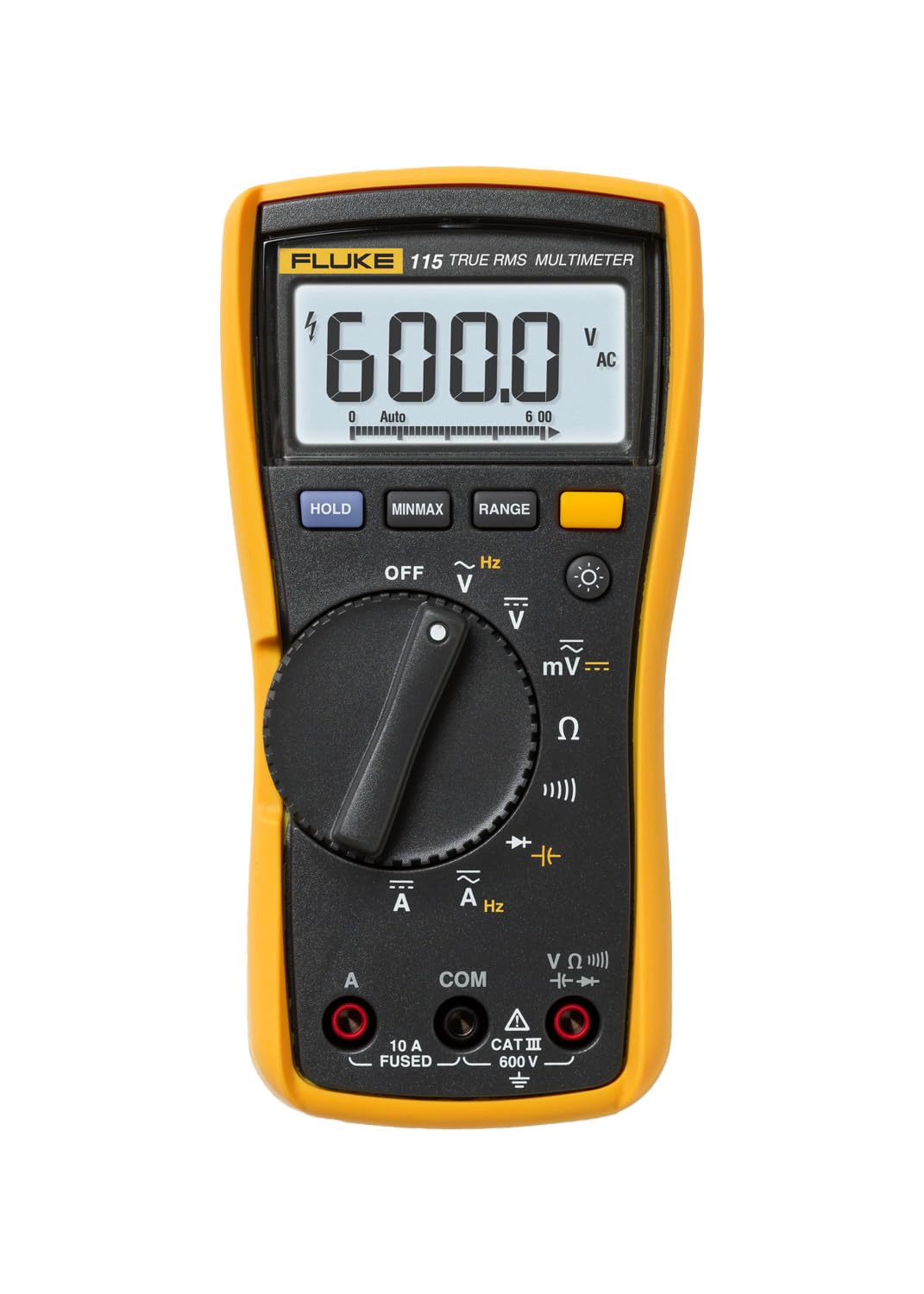
The multimeter emphasizes visibility and simple electrical tests. The sizeable white backlight improves screen legibility when lighting is poor, which is useful in panels, crawl spaces, or during night shifts. A dedicated continuity check with audible indication speeds up wiring checks, and resistance measurement covers common diagnostic needs for electrical connections and components. 🔧
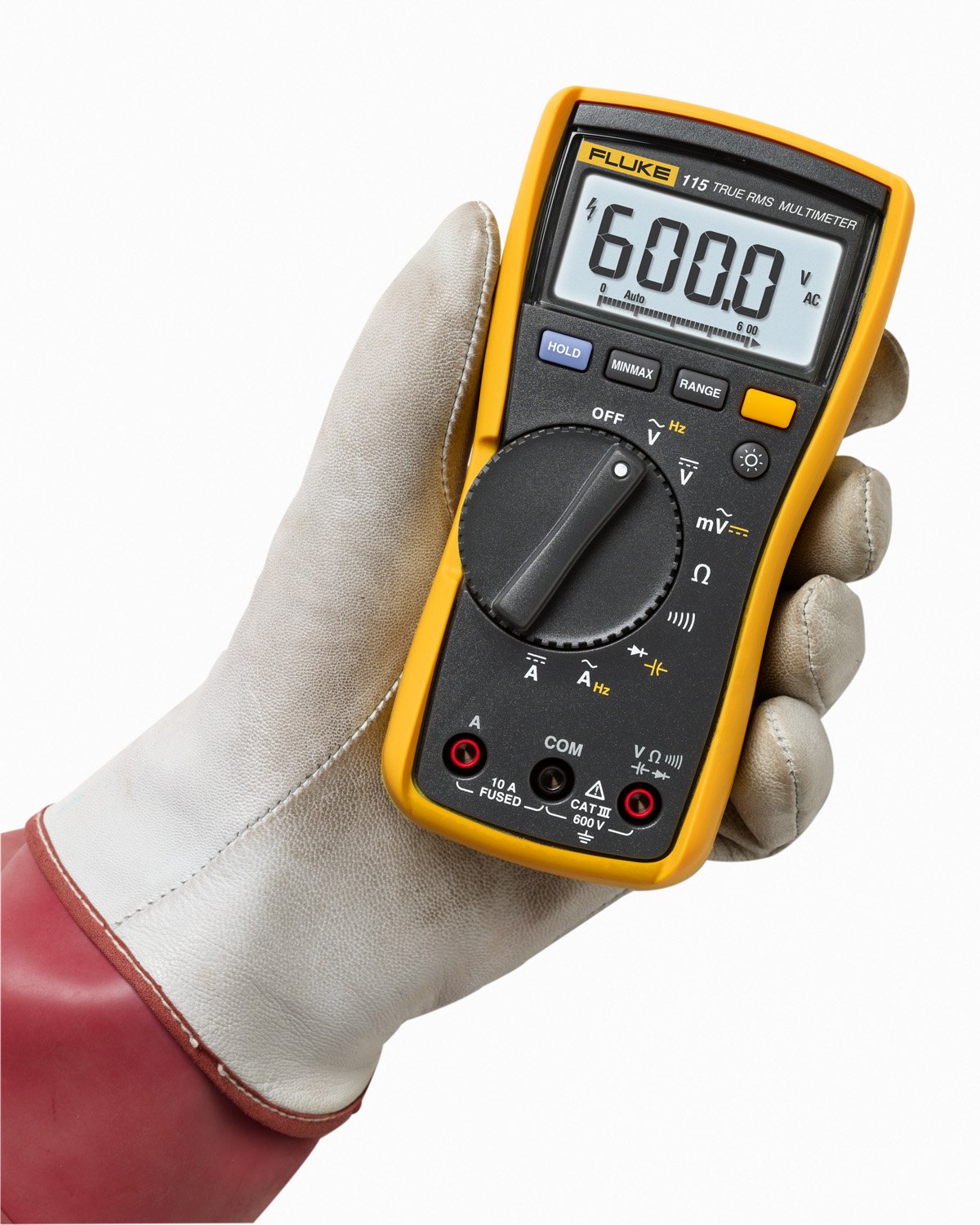
Ergonomics focus on practical handling. The device fits in one hand and places basic controls within thumb reach, allowing faster switching between modes during repetitive tasks. The construction appears aimed at regular use rather than occasional casual checking, offering tactile switches and a display designed for quick interpretation. 🔍
One nuance to consider is that only resistance and continuity are explicitly mentioned in the available information. According to the manufacturer, this model is oriented toward those core functions, and it may not include advanced features like true RMS measurement, capacitance, or temperature sensing that are found on more feature-rich meters. This makes it a good option when primary needs are visibility and simple electrical verification.
Technical Specifications
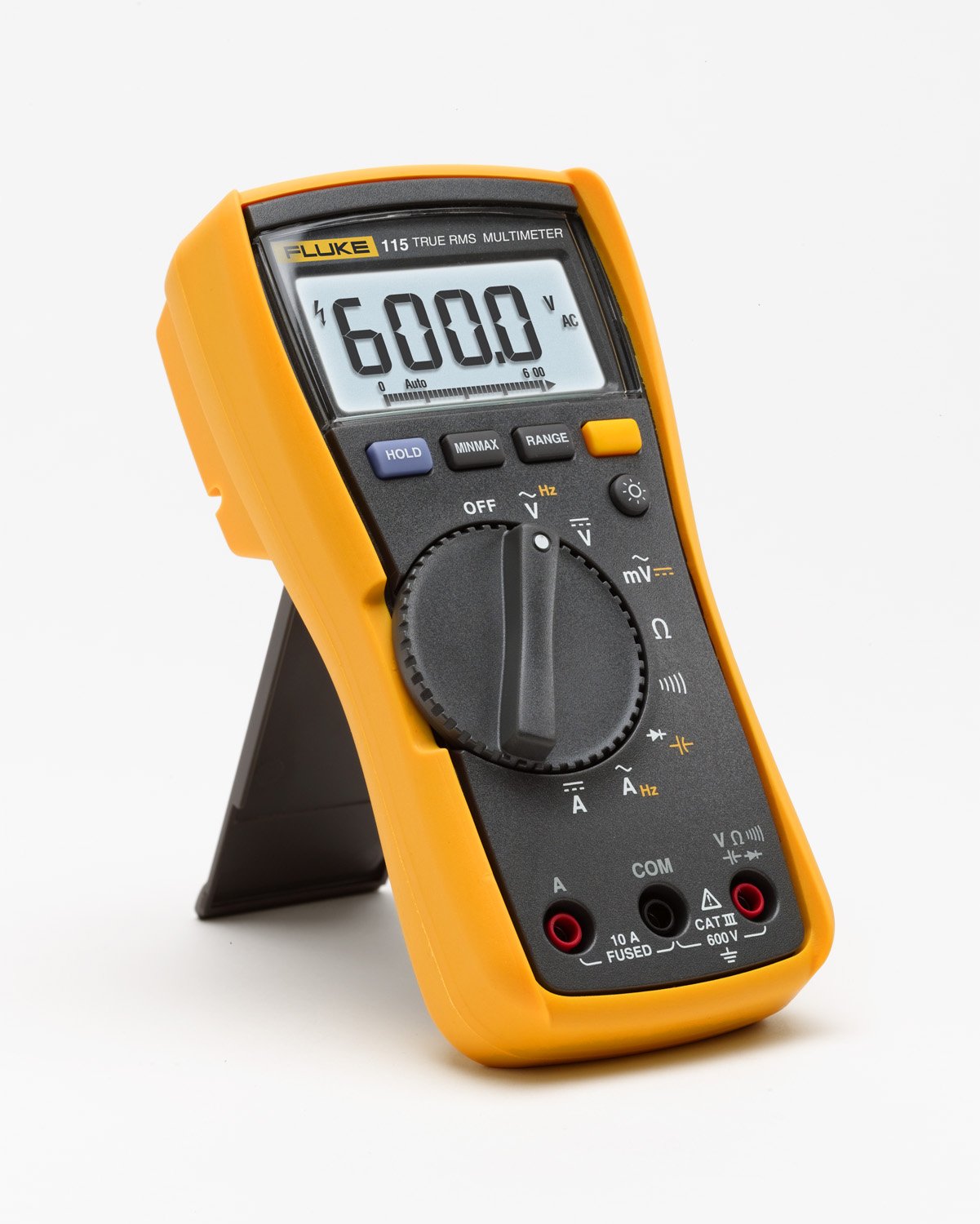
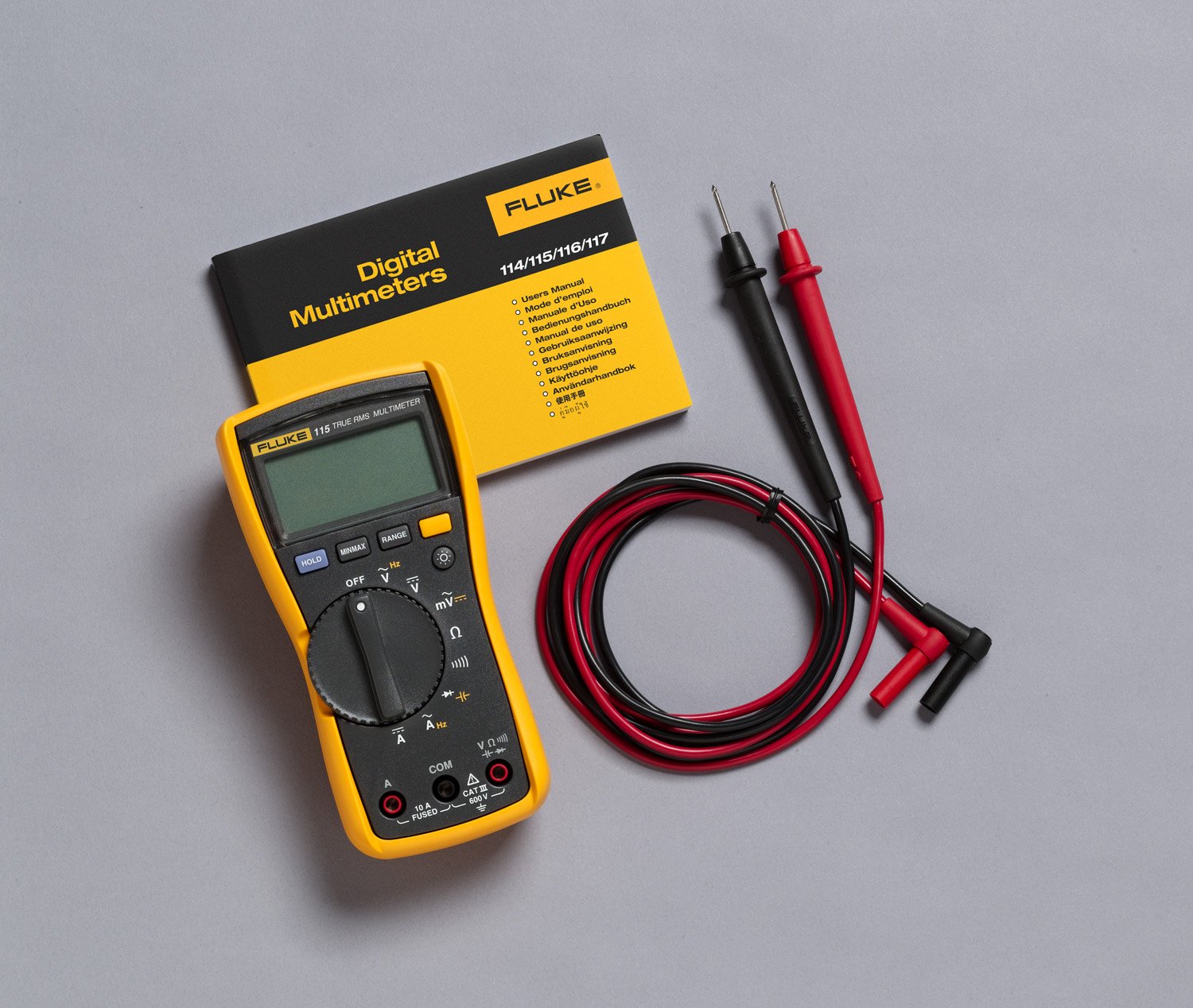
- Name: Fluke multimeter
- Display backlight: Large white LED for low-light visibility
- Measured functions: Resistance, continuity
- Form factor: Handheld
- Manufacturer: Fluke
Usage Recommendations
For routine electrical troubleshooting, use the backlight when working in poorly illuminated cabinets or outdoor conditions at dusk. When measuring continuity, allow the audible tone and visual readout to confirm connections before moving on to component-level tests. In environments with consistent bright lighting, the backlight remains available but can be turned off to conserve battery life.
When precision beyond resistance and continuity is needed, plan to complement this meter with an instrument that lists additional ranges and functions. For example, tasks that require accurate AC voltage waveform analysis or inrush current measurement will need a multimeter specified with those capabilities. Also, keep spare batteries on hand if extended field use is anticipated, since backlighting increases power consumption. ⚡