

Evap Smoke Machine Leak Tester 12V Vacuum
Product description
This EVAP smoke machine leak tester is a 12V DC vacuum smoke diagnostic tool that helps locate leaks in vehicle EVAP, intake and exhaust systems quickly. It generates visible smoke after adding a small amount of baby oil, making leak tracing easier for mechanics and DIY enthusiasts who need a portable, single-unit solution.
Key Points
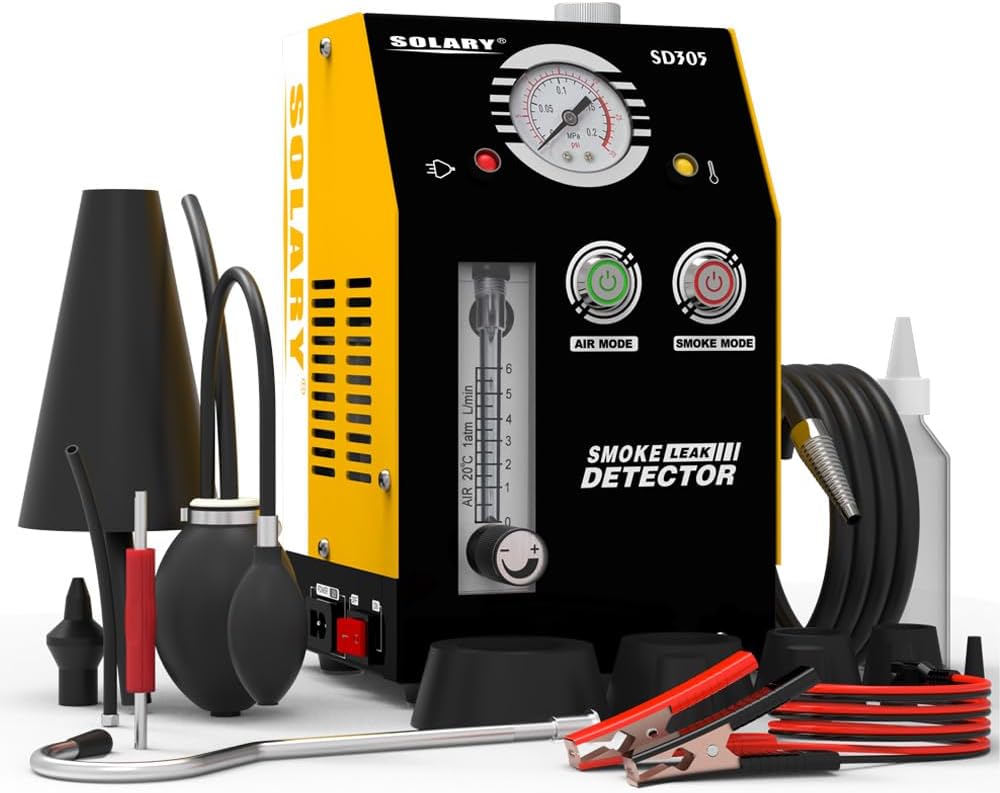
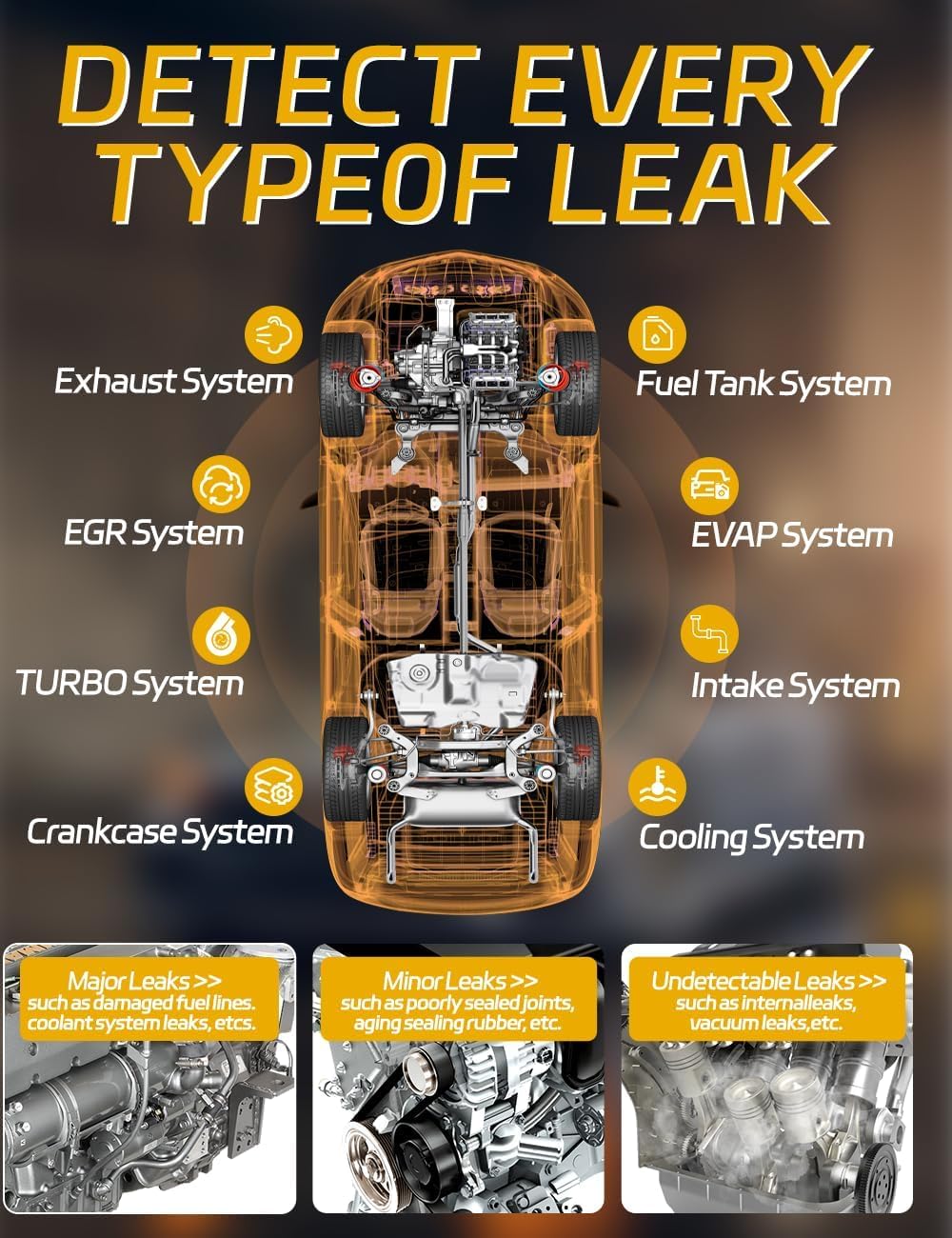
The device combines a pressure gauge and a pressure adjustment gauge to monitor and control internal pressure during testing. It includes thermal protections rated at +75°C for overheating and -20°C for cold conditions, adding a layer of safety when working in varied environments. The unit is ready to operate with only 10 to 20 ml of baby oil to produce smoke, which keeps initial setup simple and fast. It supports multiple applications such as EVAP system tests, fuel tank checks, exhaust and intake inspections, and pipe fitting leak detection, so it can be used on cars, motorcycles, ATVs, light trucks and boats. 🔧
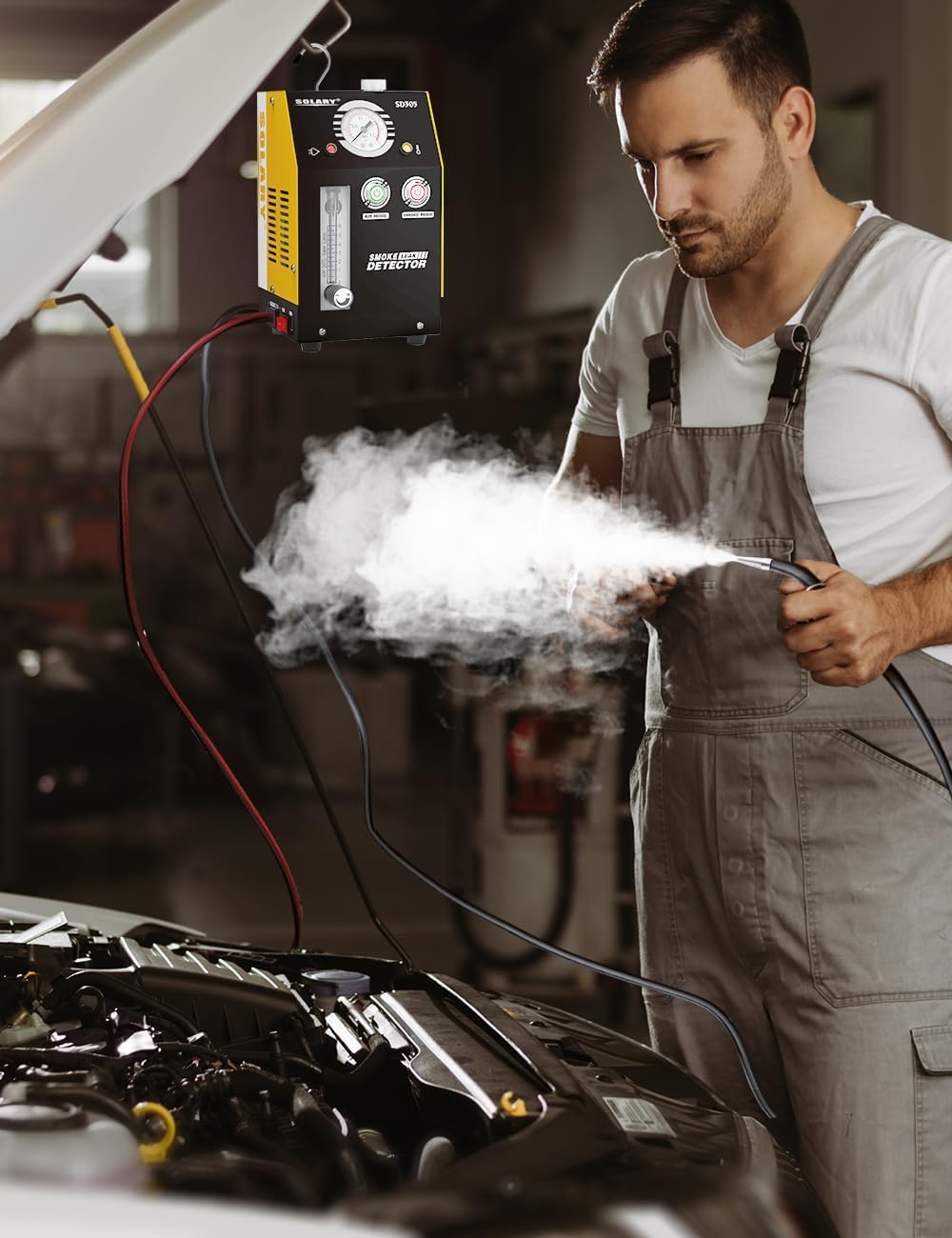
Technical Specifications
- Name: Evap Smoke Machine Leak Tester - 12V DC Vacuum Smoke Diagnostic with Built-in Air Pump
- Power: 12V DC
- Oil required: 10-20 ml baby oil for initial smoke generation
- Temperature protections: Overheat protection at +75°C, cold protection at -20°C
- Modes: Pressure gauge and pressure adjustment gauge
- Applications: EVAP, fuel tank, exhaust, intake, pipe fittings, and general sealing tests
Benefits
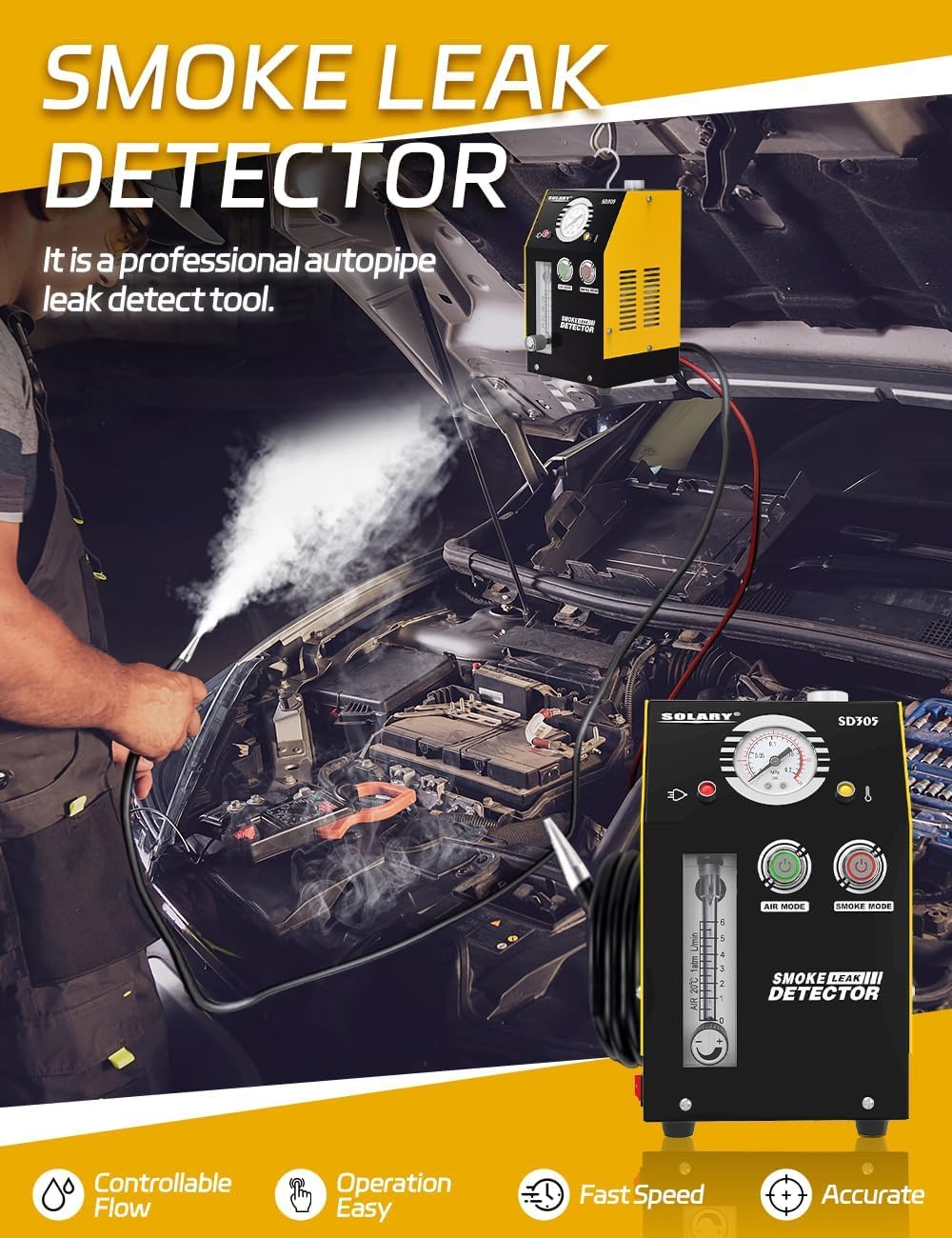
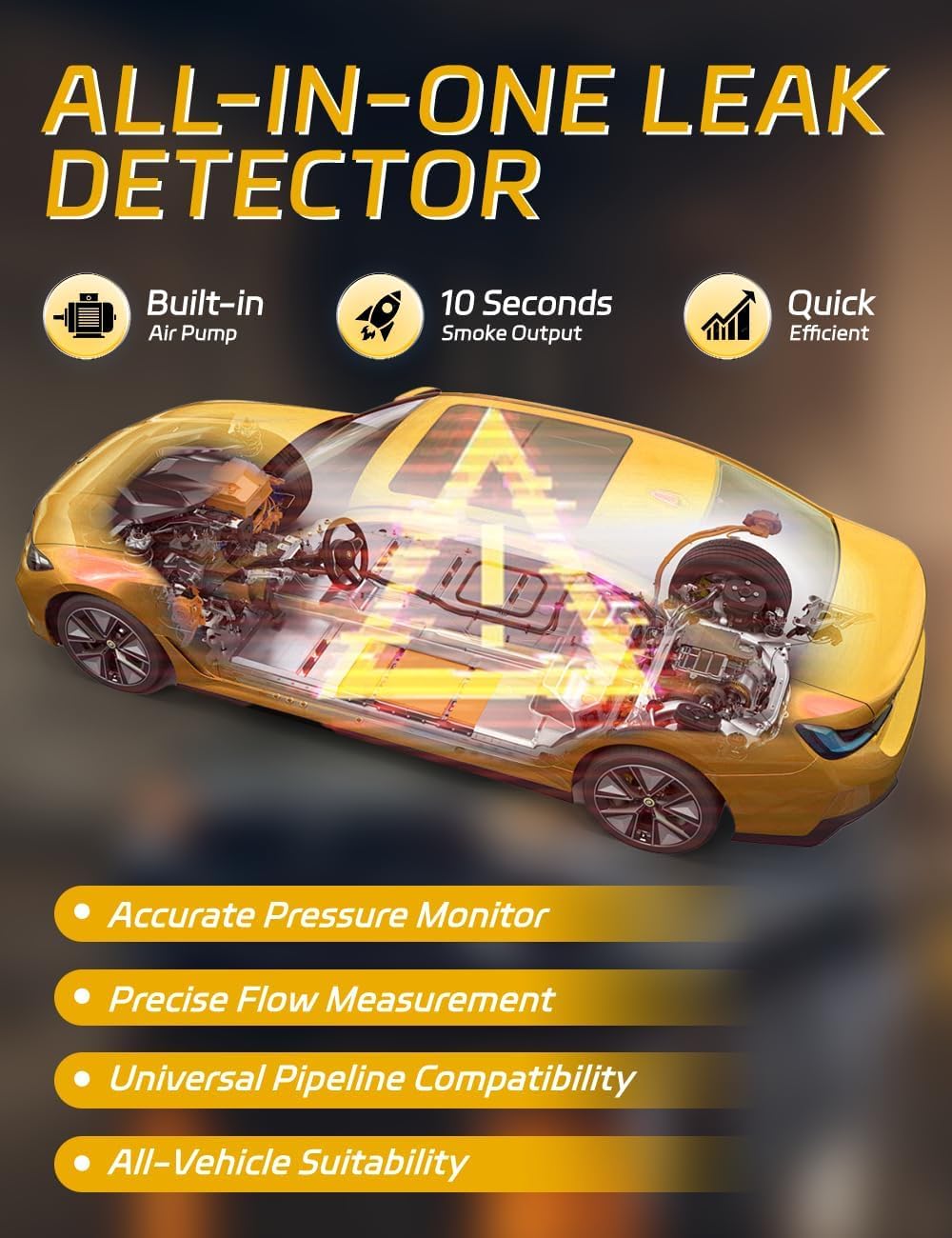
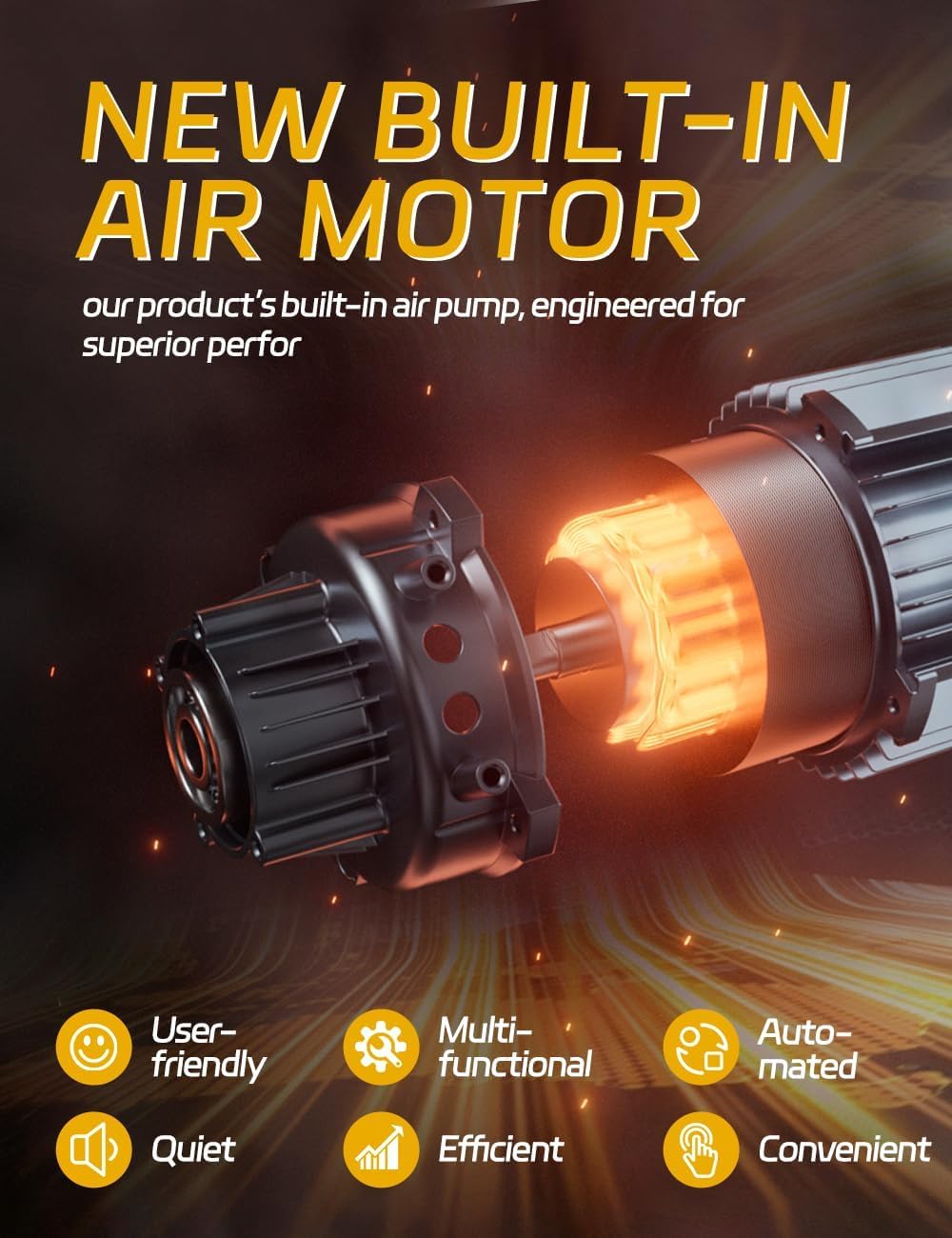
The integrated design removes the need for an external air source by using a built-in air pump, which simplifies setup and reduces the number of accessories to carry. This compact arrangement makes field use straightforward and lowers the time needed to start a diagnostic procedure. The visible smoke output helps pinpoint small leaks that might be missed by pressure-only testing. For technicians who move between shops or perform roadside diagnostics, the portability and all-in-one functionality offer practical advantages. 🚗
Usage Recommendations
Add the recommended amount of baby oil, then follow manufacturer instructions for producing smoke and adjusting pressure. Start with lower pressure readings and increase gradually while observing the pressure gauge to avoid overloading the system. Consider that smoke density and duration depend on oil amount and pressure, according to the manufacturer, so adjustments may be necessary for different vehicle types and leak sizes. Keep ventilation in mind when testing in enclosed spaces and avoid direct inhalation of the generated smoke.