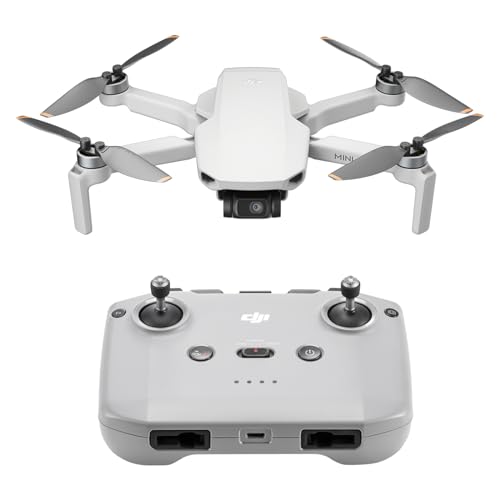
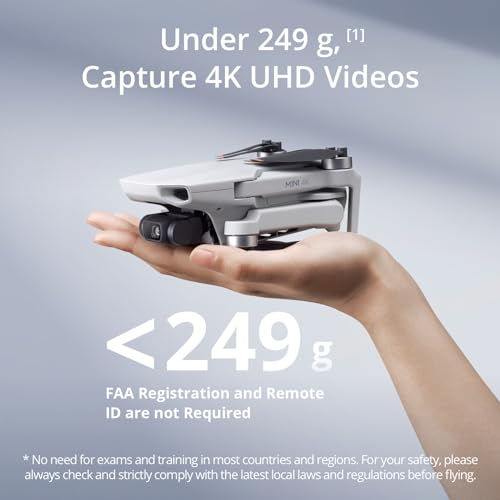
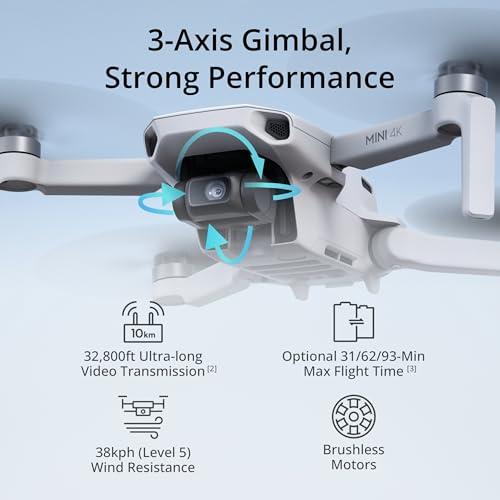
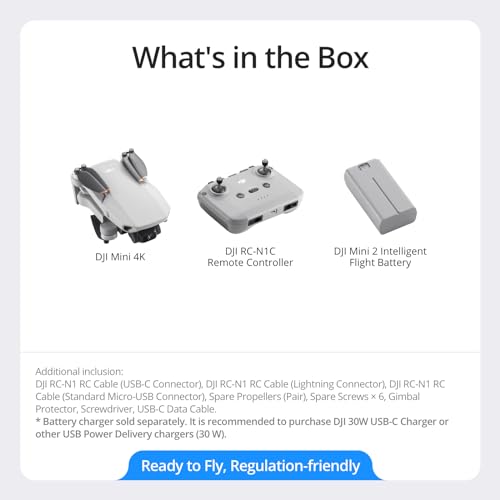
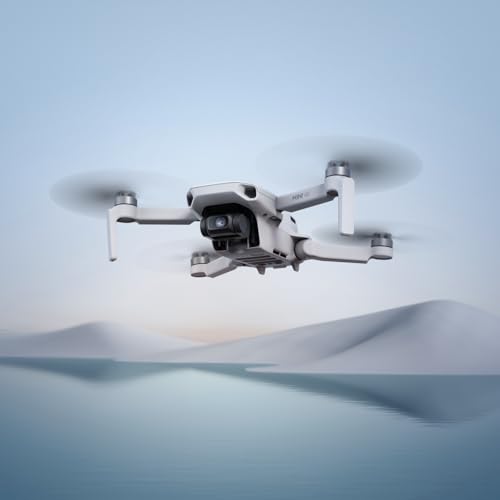
What it is and who it’s for\n\nThe DJI Mini 4K is a lightweight consumer drone designed for adults who want cinematic 4K footage without the complexity of a higher-end rig. Weighing under 249 g, its main appeal is a compact form factor paired with a capable 4K Ultra HD camera mounted on a 3-axis gimbal. If you’re just starting out or want an easy-to-pilot drone for everyday adventures, this model aims to balance simplicity with decent video quality.\n\n## How it shoots in real-world light\n\nYou’re not just buying a drone, you’re buying a tool for capturing moments in varying light. The 4K resolution helps preserve detail in sunrises, sunsets, and dimmer scenes, while the 3-axis gimbal smooths movement for steadier footage. This combination can feel notably cinematic when you’re flying over landscapes or urban scenes, especially if you’re getting the hang of framing and motion.\n\n## Flight performance without getting overwhelmed\n\nOne of the more practical angles here is the beginner-friendly setup: one-tap takeoff/landing, GPS Return to Home (RTH), and stable hovering. If you’re new to flying, these features can reduce anxiety and help you focus on composition rather than piloting glitches. Be mindful that real-world performance can still be influenced by wind and local rules, so it pays to know your limits and fly conservatively in breezier conditions.\n\n## Battery life and planning flights\n\nBattery options vary, with up to multiple batteries available in sets. Longer flight times reduce interruption and bake-in flexibility for keepers shots or repeated attempts to nail a shot. If you’re chasing longer sessions, plan for extra batteries and easy swaps to maximize shooting time.\n\n## What stands out on the creative side\n\nIntelligent QuickShots offer automated, professional-looking angles with just a tap, which can be a boon for creators who want quick, social-ready footage without a steep learning curve. It’s not a substitute for careful framing, but it does help you experiment and capture dynamic ideas with less setup.\n\n## Limitations and what to watch for\n\nThe DJI Fly app has had compatibility changes on some platforms, so you’ll want to ensure you can access the latest app version from official sources. Also, while the drone is beginner-friendly, it’s not a high-end pro rig, if you’re aiming for extreme low-light performance or ultra-creative flexibility, you might outgrow it.\n\n## What to check before buying\n\n- Confirm you’re comfortable flying a small, light drone outdoors and in moderate winds, since Level 5 wind resistance is advertised but real-life gusts vary by location.\n- Consider how many batteries you’d like to pair with the drone to match your typical shooting windows.\n- Review local regulations and ensure you’re prepared to comply with registration or Remote ID requirements where applicable.\n\n## Practical usage example\n\nImagine a sunset shoot over a lake: you start with a calm hover near the water’s edge, glide along the shoreline to frame the horizon, then switch to a QuickShot to get a dramatic arc over the water. The result is a polished clip without needing a large crew or complicated setup.\n\n## Final decision point\n\nIs it worth it? If you prioritize a light, beginner-friendly drone that can deliver solid 4K footage and easy creative shots, this DJI model offers a practical balance of portability and capability for casual creators. It may not satisfy someone chasing studio-grade film quality or advanced pro features, but for entry to mid-level hobbyists, it makes sense to consider.\n\n## FAQ\n- How easy is it to start flying right away? It’s designed for one-tap takeoff/landing and stable hover, which should help new pilots get comfortable quickly.\n- Do I need to register it? Under 249 g, it generally avoids FAA registration for recreational use, but check current rules before flying.\n- What if the app compatibility changes? You may need to download the latest DJI Fly app from the official site to ensure optimal performance.\n- Can I shoot in low light? 4K footage is offered, but performance under challenging lighting depends on conditions and camera capabilities.\n- Are extra batteries worth it? If you want longer sessions and fewer interruptions, yes—plan around multiple batteries.\n