

Celestron NexStar 127SLT 127mm telescope
Reviews
Price
Product description
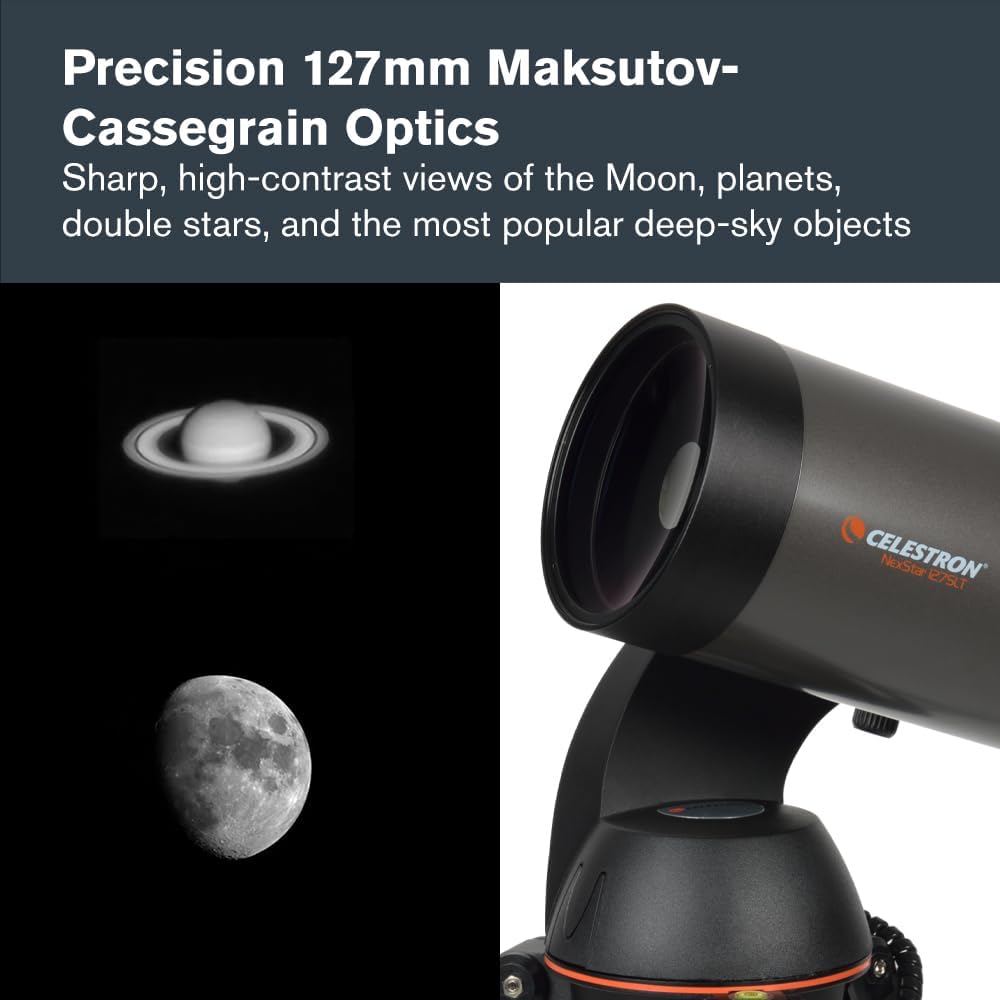
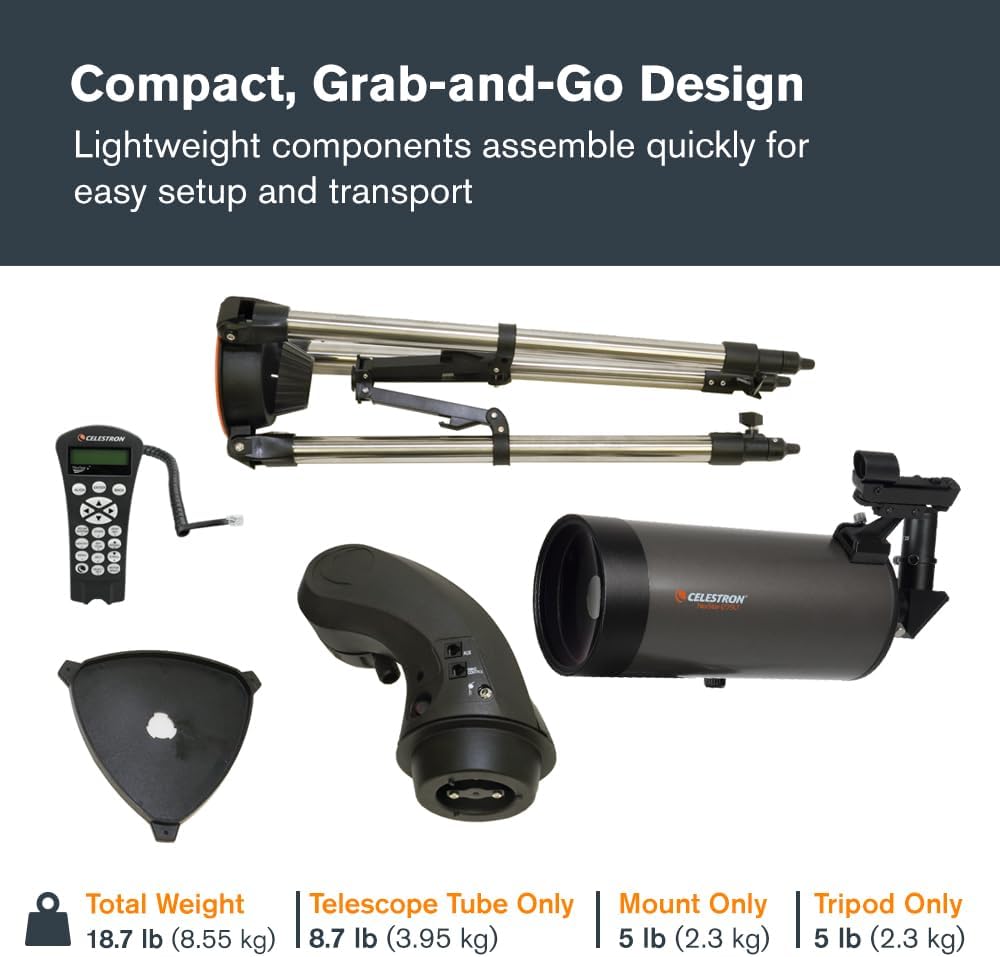
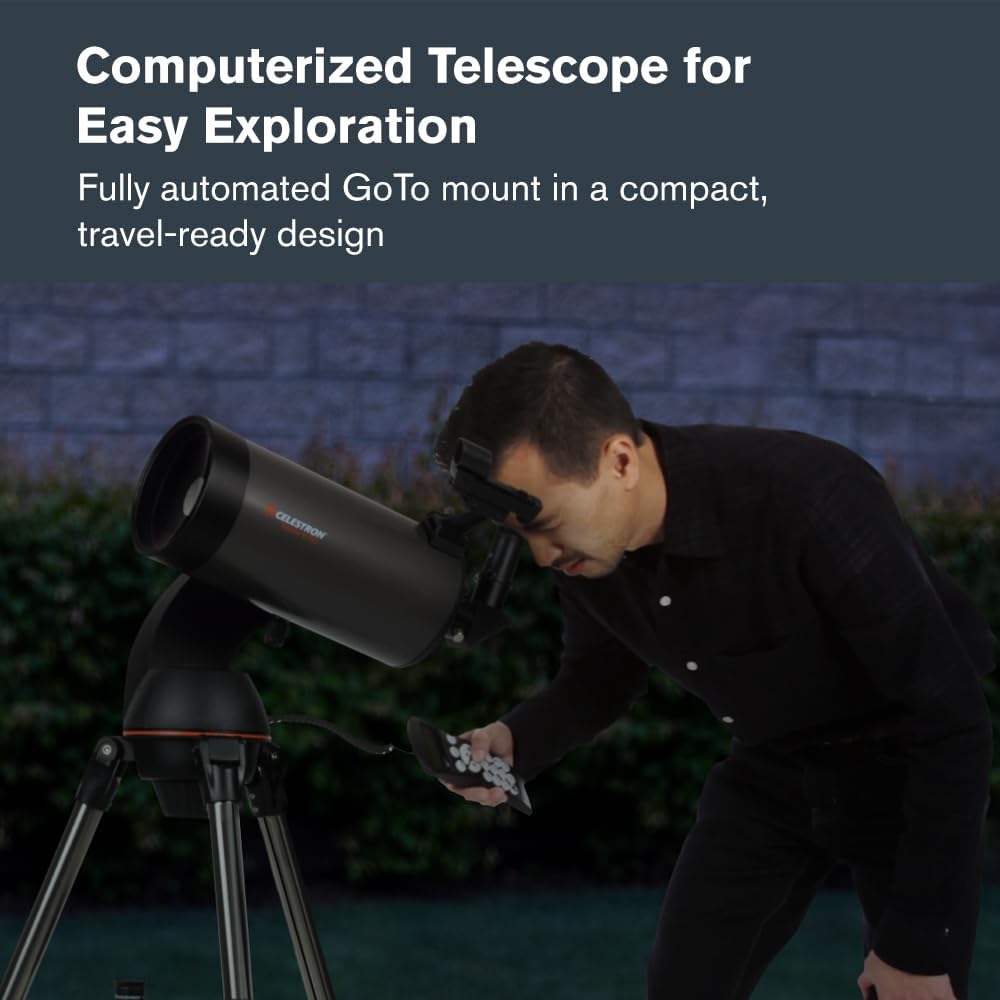
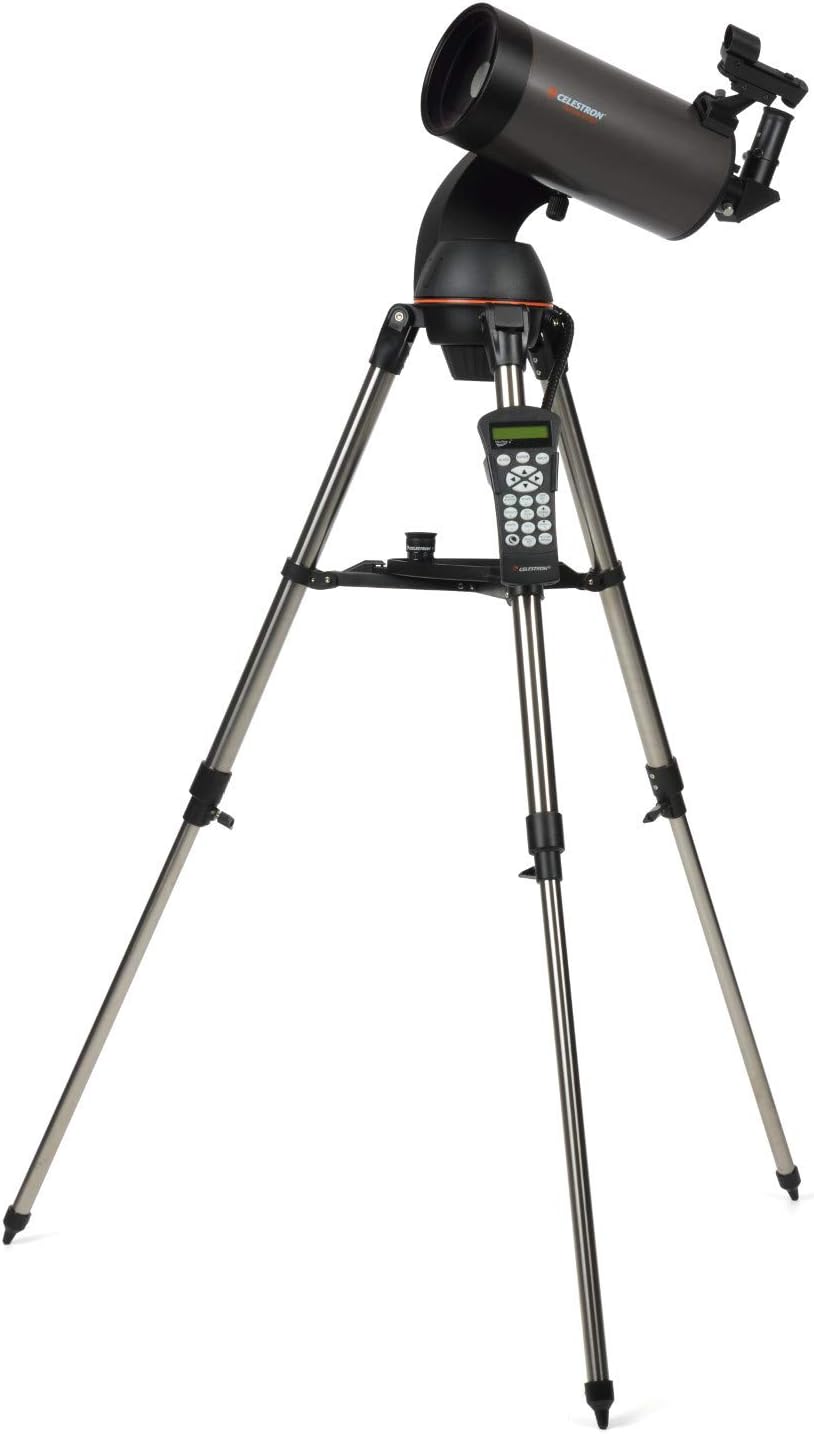
This compact computerized telescope brings accessible stargazing to backyard observers and campers, combining easy setup with reliable tracking to find deep sky objects and planets quickly. The NexStar 127SLT uses a Maksutov-Cassegrain optical layout and a 127 mm aperture to deliver clear views of the Moon, Jupiter’s cloud bands, and Saturn’s rings while remaining portable for short trips and family outings.
Key Points
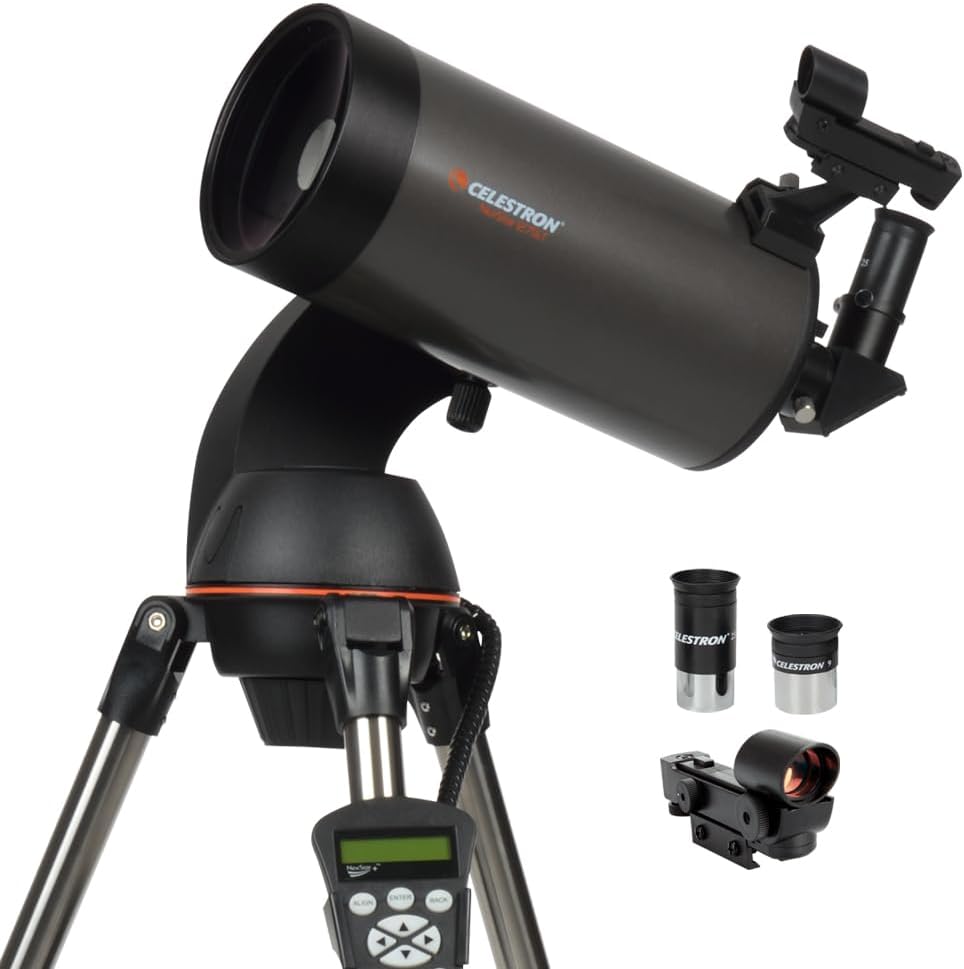
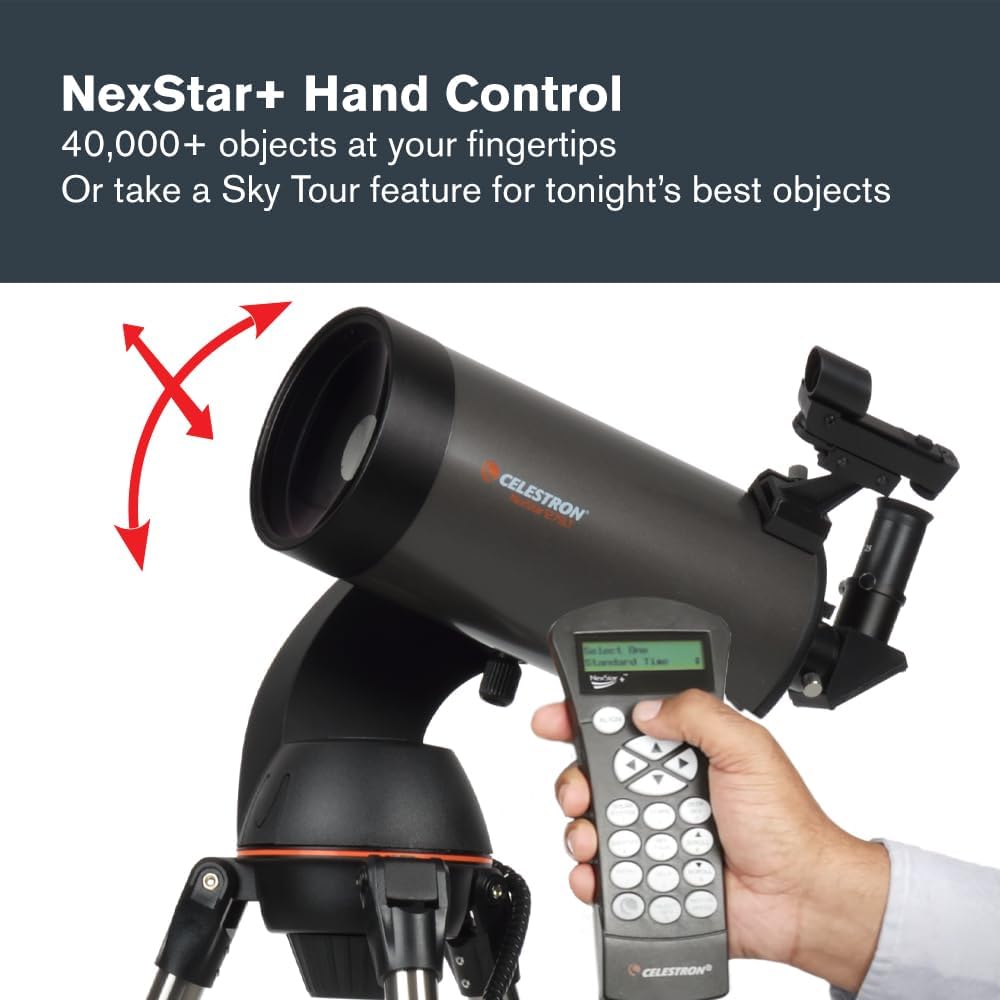
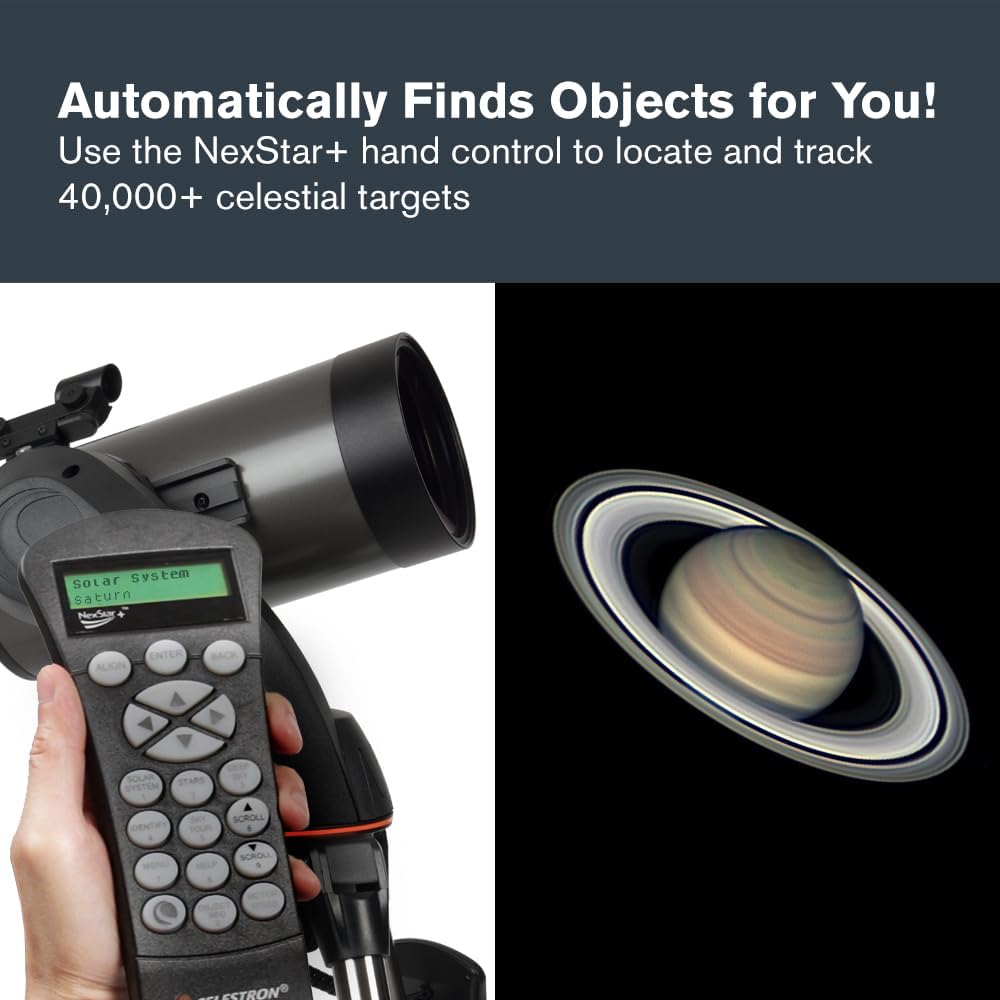
SkyAlign technology simplifies initial setup by aligning the mount using three bright objects, which means you can be observing in a few minutes rather than struggling with polar alignment. The computerized hand control includes a database of more than 40,000 celestial objects, so selecting and centering targets is largely automatic and helpful for both beginners and hobbyists. The optical tube’s compact form factor makes it straightforward to transport and mount on most nights when visibility is good. 🌠
Technical Specifications
- Name: Celestron NexStar 127SLT
- Aperture: 127 mm
- Optical design: Maksutov-Cassegrain
- Database: 40,000+ objects
- Mount type: Computerized single-arm altazimuth with hand control
Usage Recommendations
Plan brief observing sessions focused on brighter targets to get the most from the 127 mm aperture. Start with lunar and planetary viewing to appreciate the instrument’s resolution, then try brighter deep sky objects such as open clusters and some nebulae once the mount is aligned. If you transport the scope for darker skies, allow a short period for thermal equilibrium after setup to reduce image distortion. 🔭
Positive Aspects
The NexStar 127SLT balances portability with useful optical power, offering more light gathering than typical beginner refractors while still being manageable for two people to carry and assemble. The computerized tracking reduces manual adjustments during long viewing sessions and supports learning the night sky by guiding you to catalogued objects. Consider that, according to the manufacturer, the Maksutov-Cassegrain design can produce narrow fields of view compared to wide-angle refractors, so it may not be the best choice if you prefer large, sweeping nebulae imaging. Also note that heavier eyepieces or additional accessories may require careful balancing on the single-arm mount.