

Build Your Own Bluetooth Speaker 10+
Product description
Quick overview
This STEM kit turns basic electronics into a hands-on project that teaches how a speaker works while you build one. It combines simple circuits, wooden parts and clear instructions to make learning approachable for young beginners and hobbyists alike. If you want a classroom-friendly experiment or a weekend project with family, this kit gives a structured, low-friction way to explore sound and circuitry with a practical result.
What you’ll notice day to day
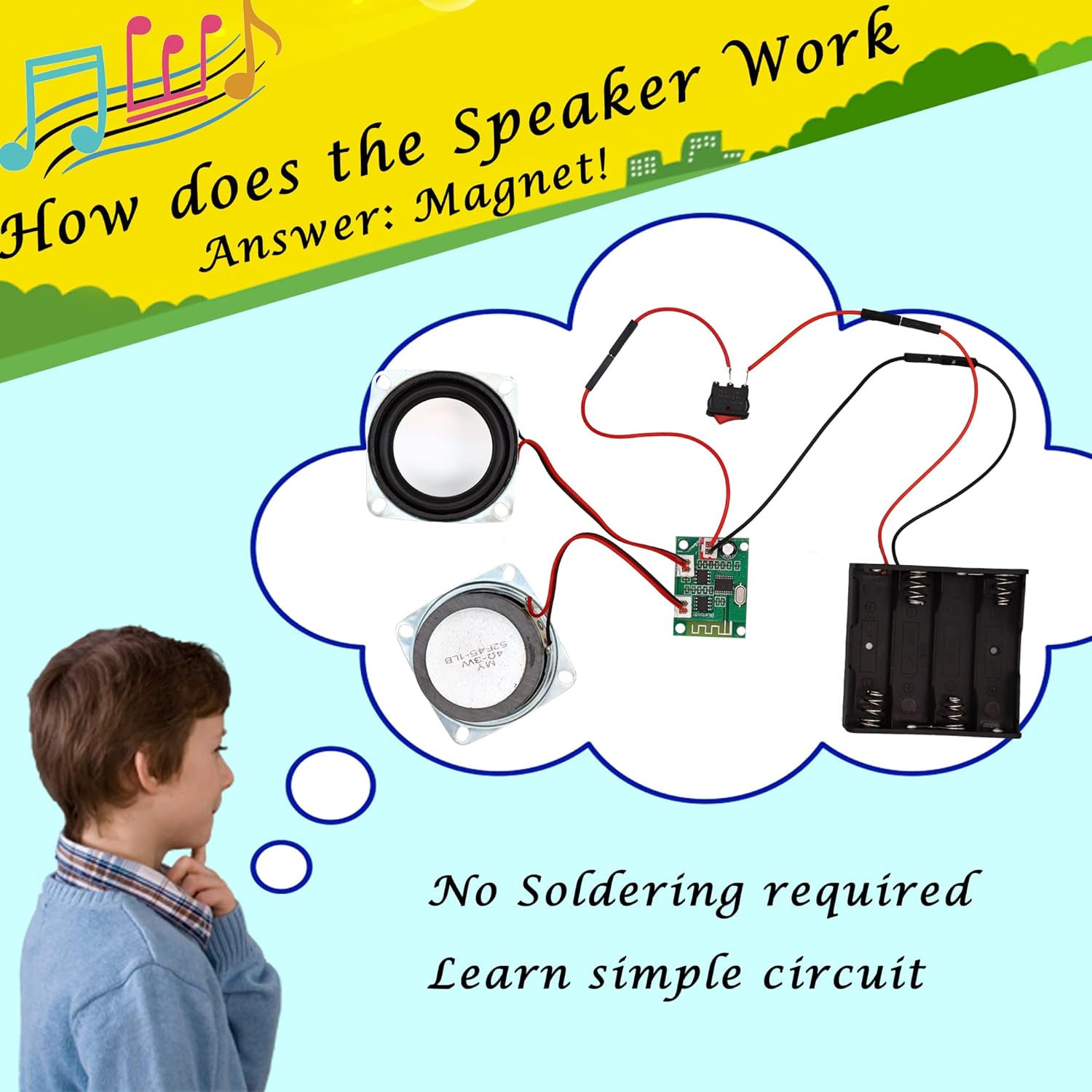
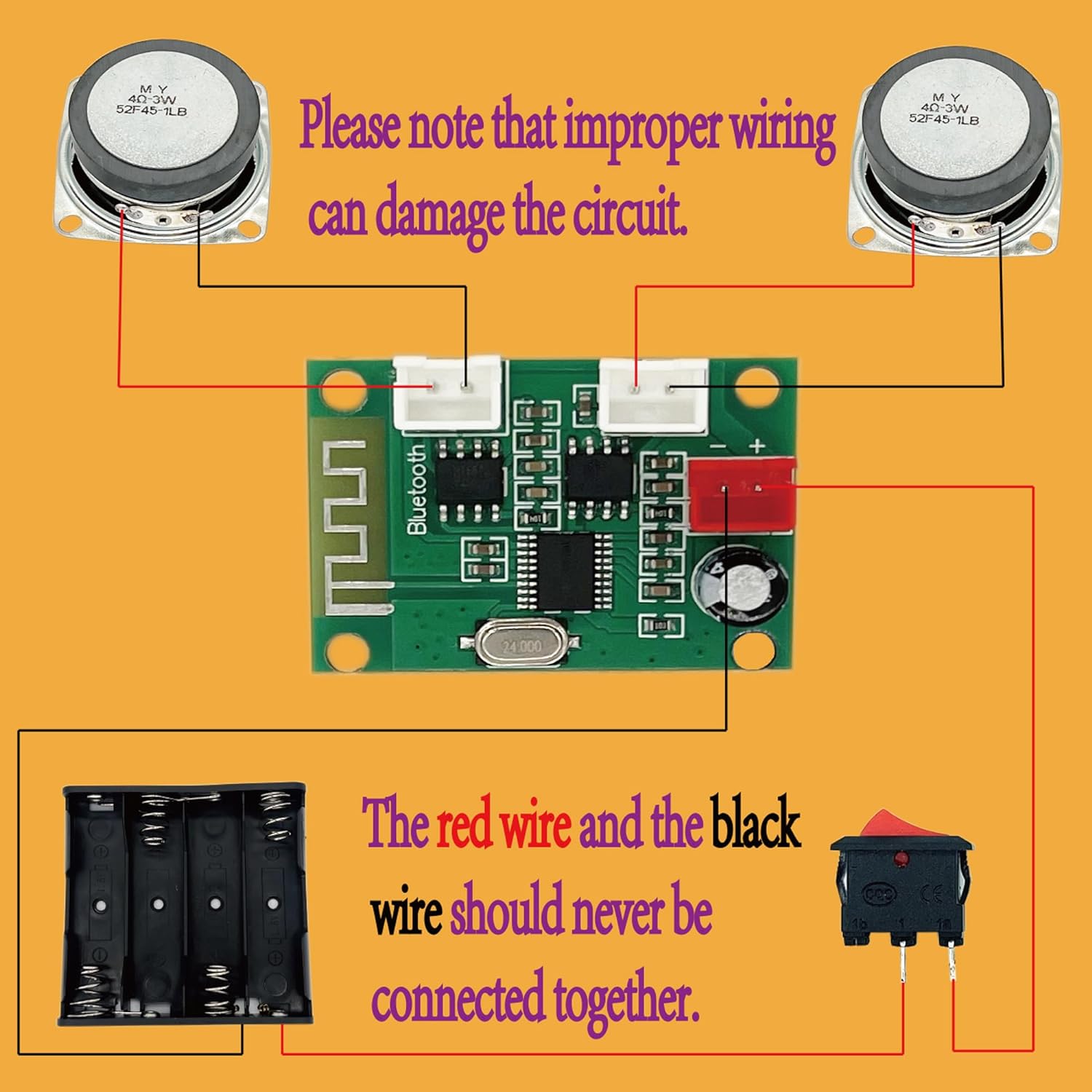
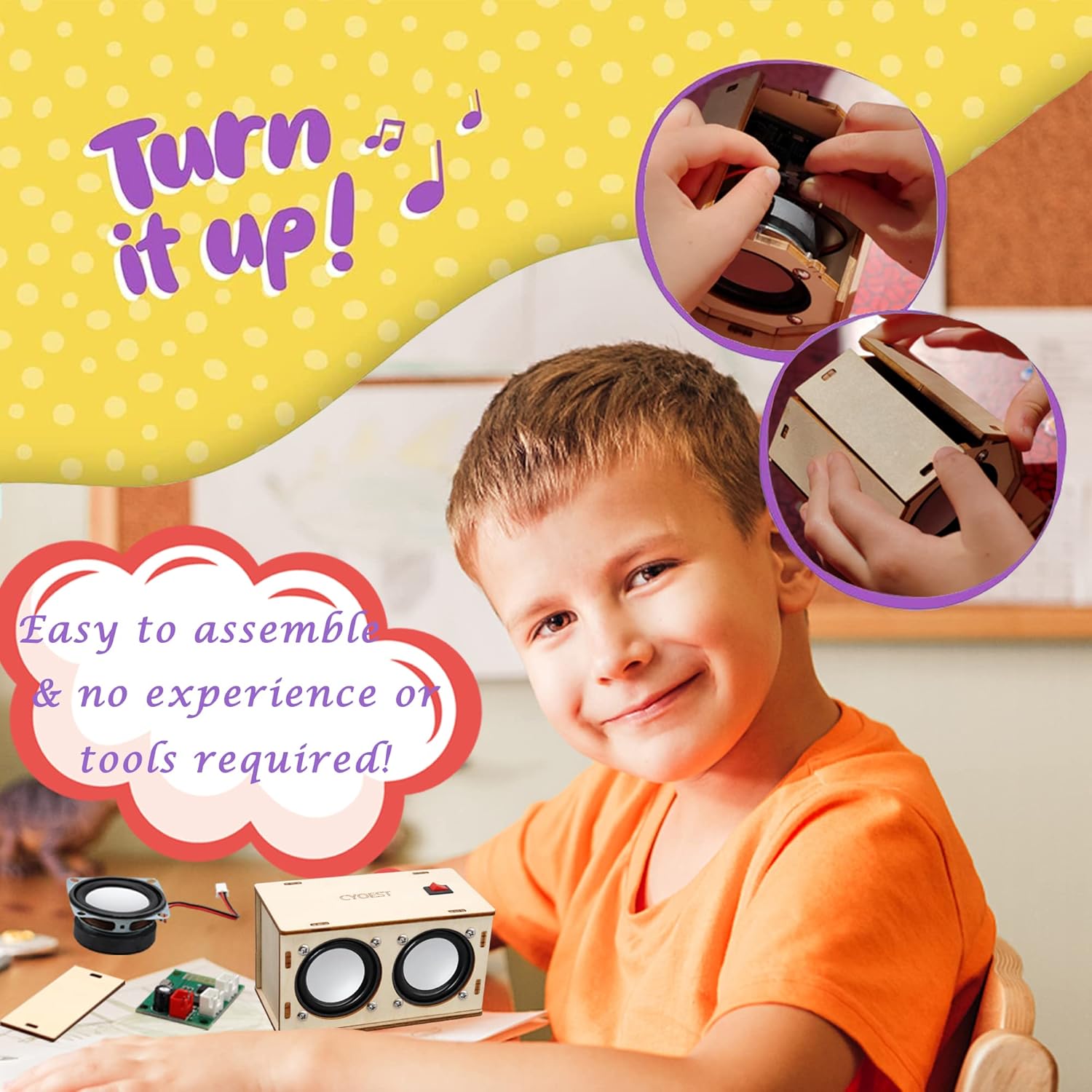
The assembly process is straightforward and requires no soldering, so kids aged 10 and up can join in with minimal supervision. The instructions are step-by-step and include diagrams, which helps reduce trial-and-error and keeps frustration low. Parents often appreciate the balance of fun and education, while teachers can adapt the set into a short lesson on electromagnetic principles and basic electronics. Build Your Own Bluetooth Speaker is presented as a dual-speaker kit, which means students can compare left and right channels and learn about stereo sound in a simple, tangible way. 🎛️
Technical overview
- Name: STEM Projects Build Your Own Bluetooth Speaker
- Type: Electronics kit
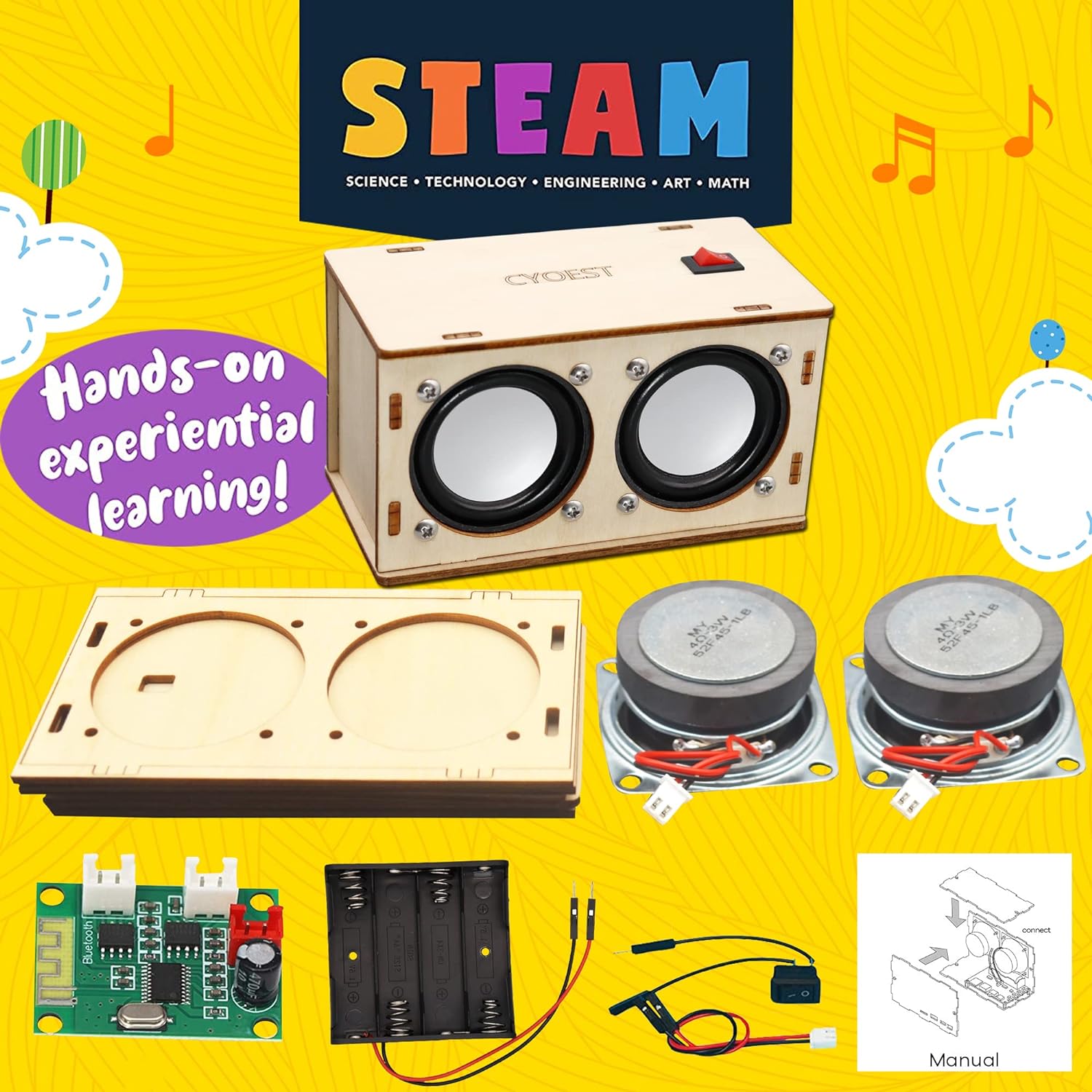
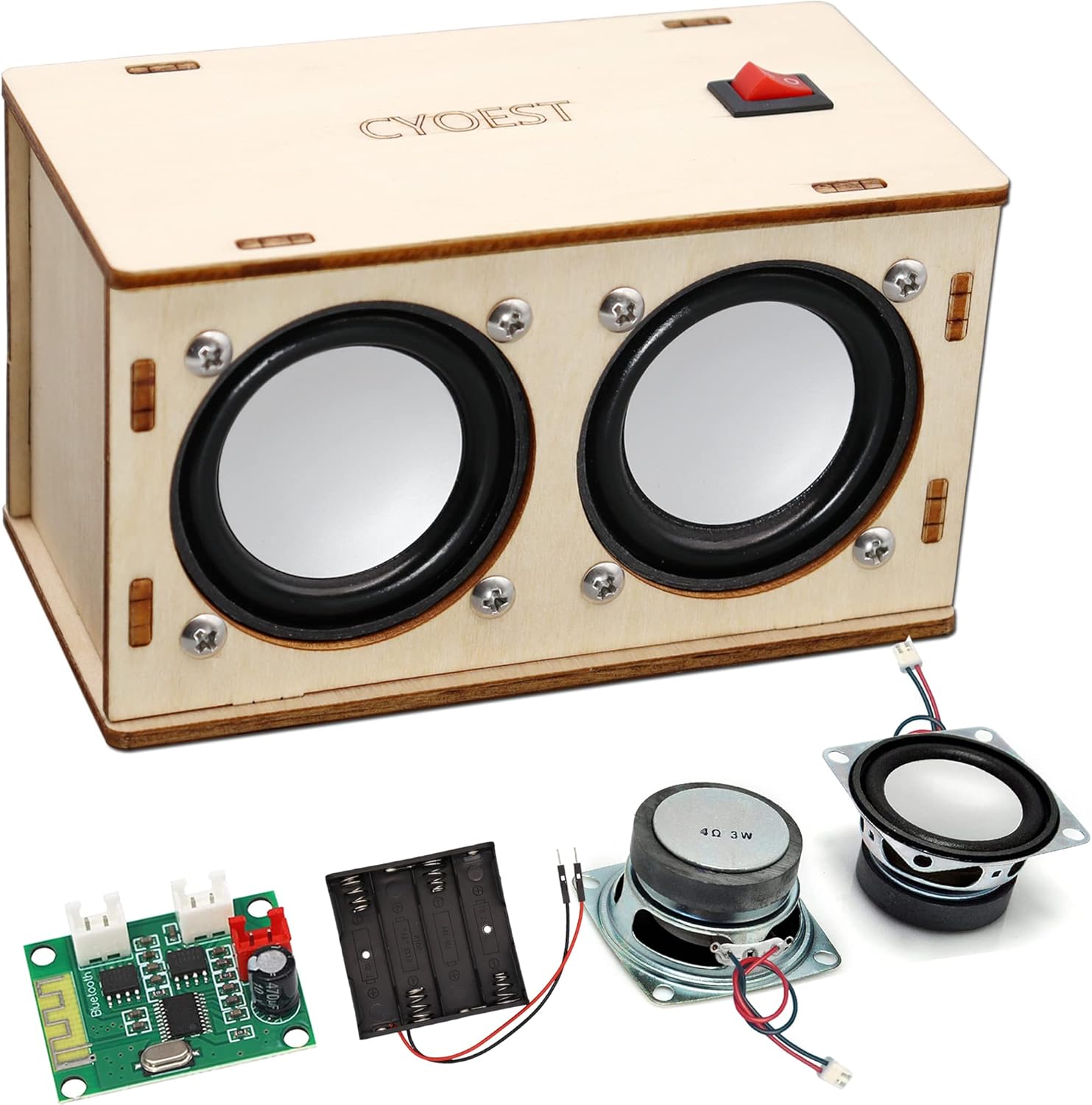
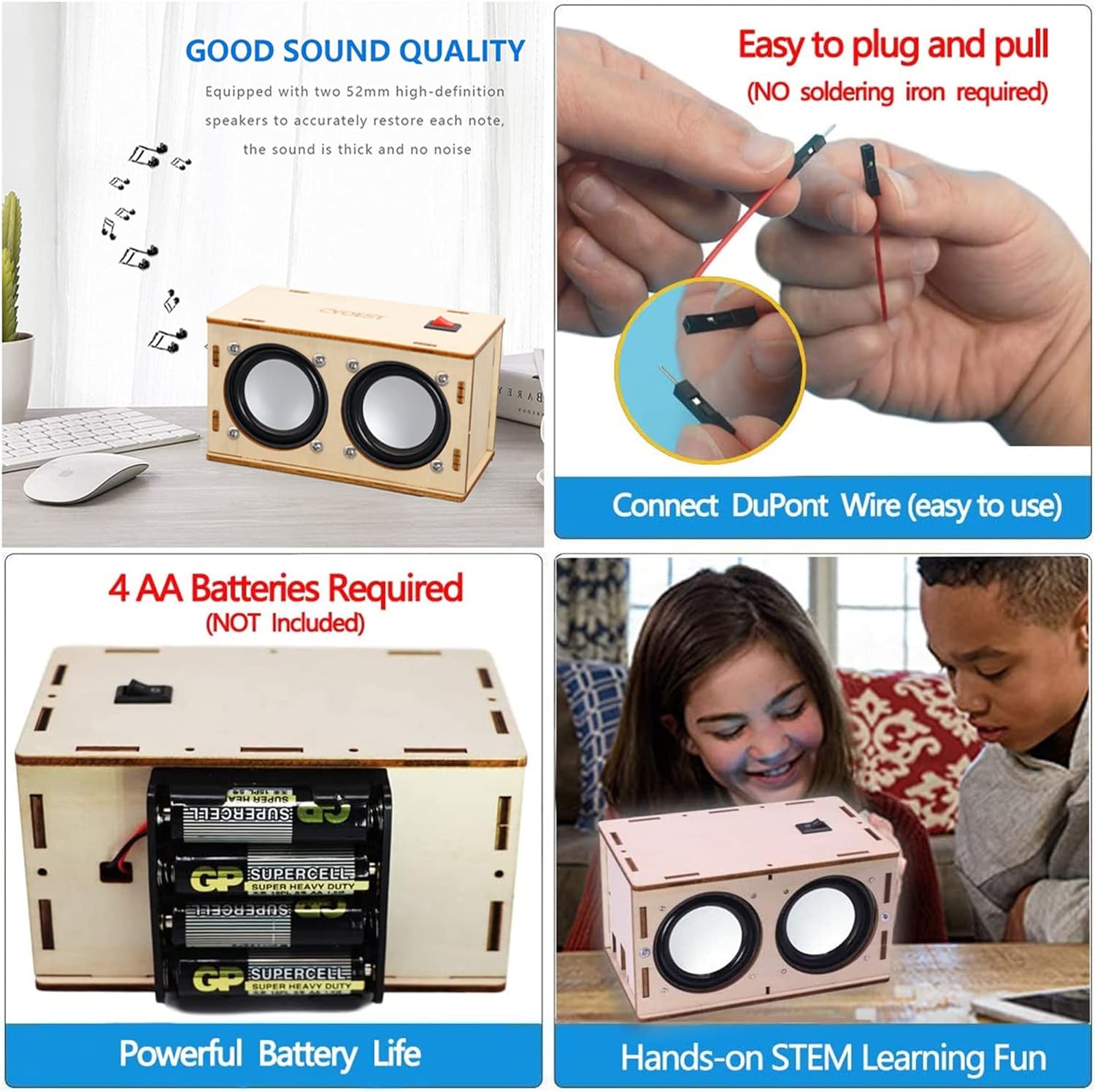
- What’s included: Circuit boards, battery box, wooden boards, speaker parts, assembly instructions
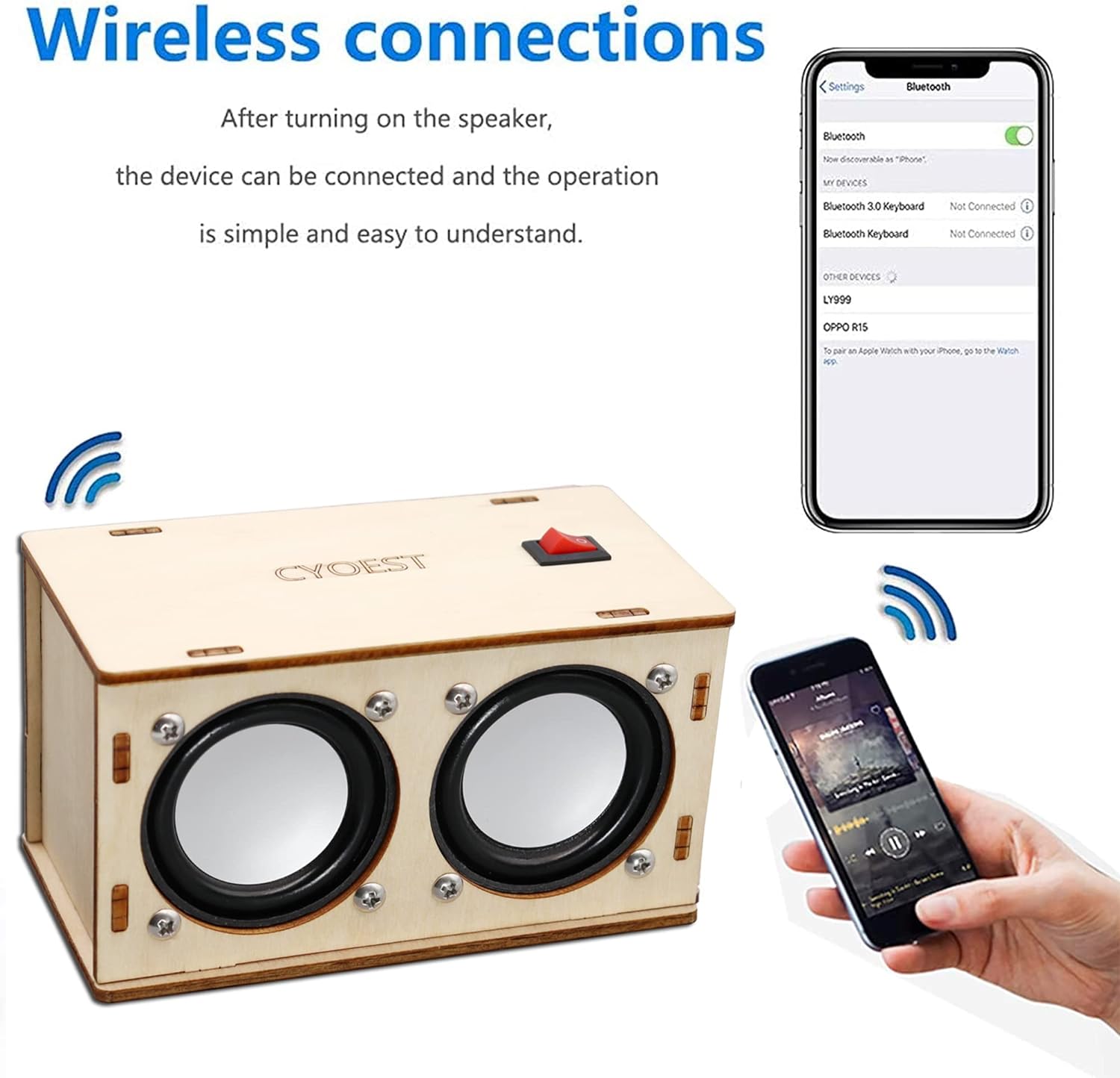
- Compatibility: Bluetooth enabled devices
- Reference: Beginner DIY dual speakers
How to use it
Start by sorting the parts and reading the manual fully to understand the assembly steps and safety notes. Work in short sessions so attention stays high, and test connections before securing components permanently. If you prioritize fast results, follow the quick-start steps first. If you prefer deeper learning, pause to explore how each circuit element contributes to sound production and experiment with placement and enclosure design to hear differences in tone. 🔍
Care & maintenance
Keep dry and avoid exposing the wooden components to prolonged humidity. Replace batteries in the battery box as needed and store small parts in labeled containers between uses. Over time you can reuse the electronics for new projects or to practice soldering once basic concepts are mastered. 🎒