

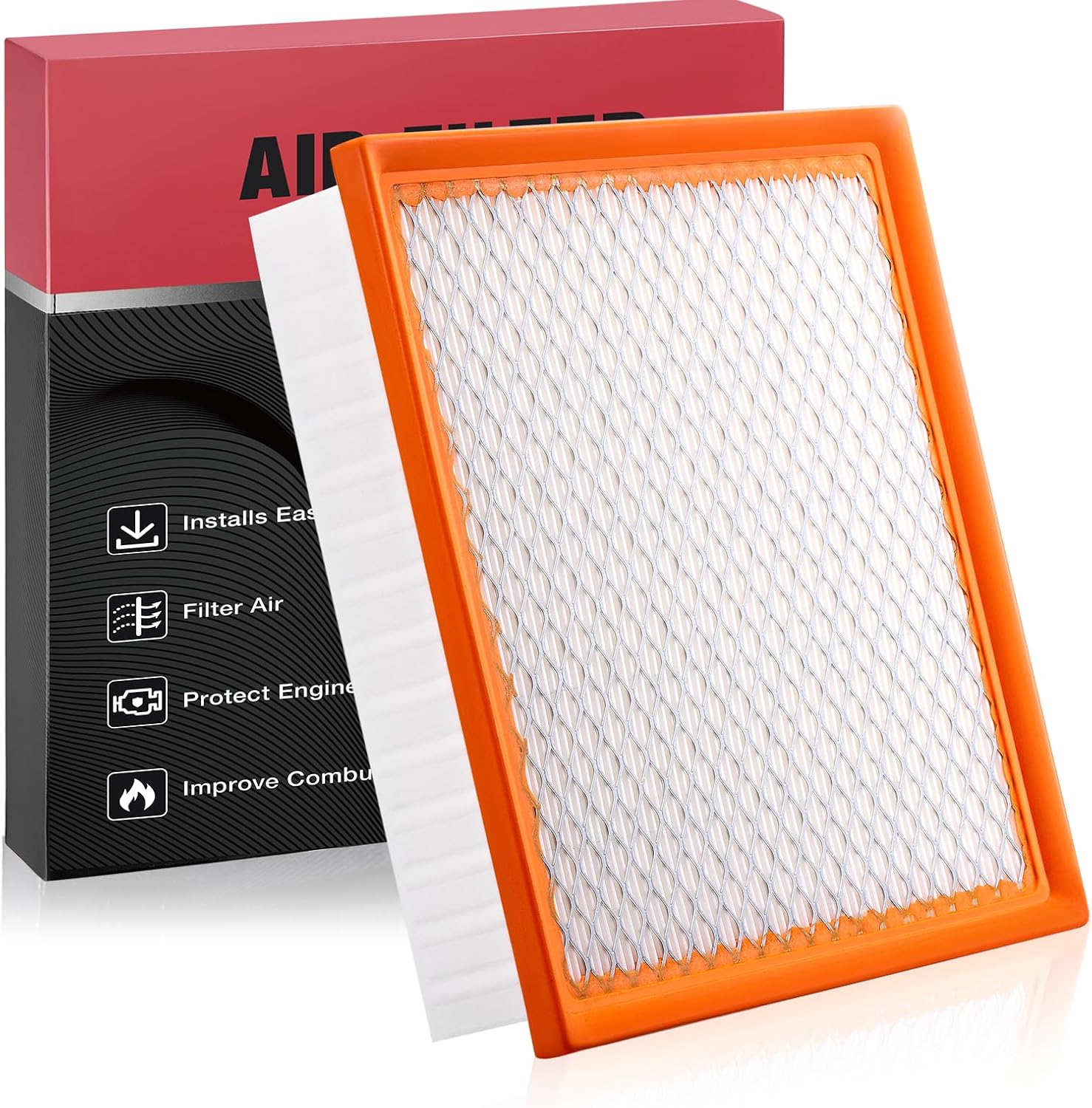
BDFHYK CA10755 Engine Air Filter (replaces 17801-0P050) for select Toyota, Lexus, Jeep, and Dodge vehicles
Product description
What this is and why you’d replace it
An engine air filter is one of those “quiet” maintenance items that still matters. This BDFHYK CA10755 engine air filter is designed to replace specific part numbers listed by the brand (including 17801-0P050 and CA10755). In practical terms, it helps limit what gets pulled into the engine—dust and other contaminants—so the engine can do its job with cleaner airflow.
If you’ve been noticing roughness at start-up, reduced responsiveness, or simply you’re approaching your regular maintenance window, an air filter swap is a straightforward place to start. It’s not perfect—an air filter can’t fix every performance issue—but if your filter is overdue or visibly dirty, replacing it is one of the simplest ways to remove a common bottleneck.
Key points
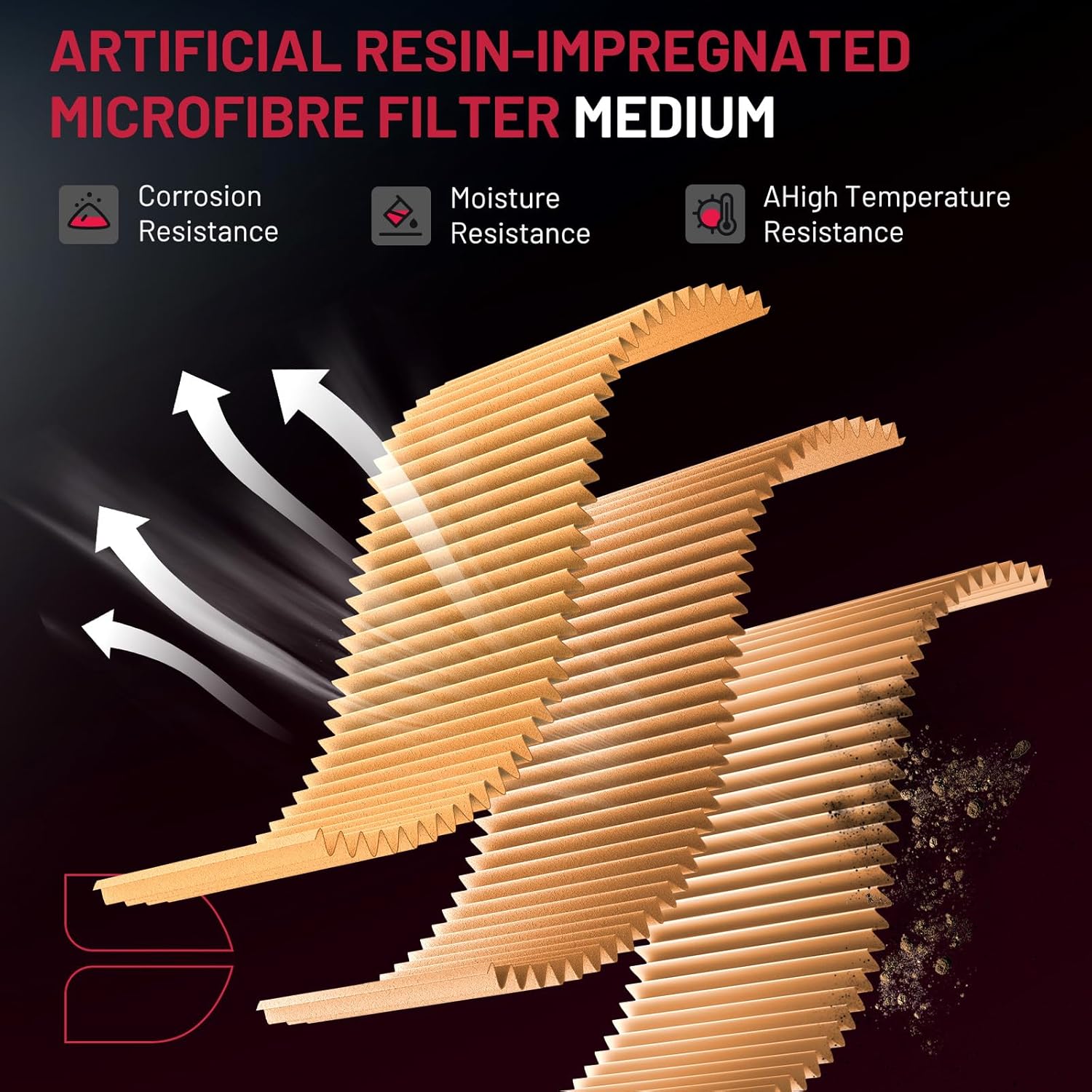
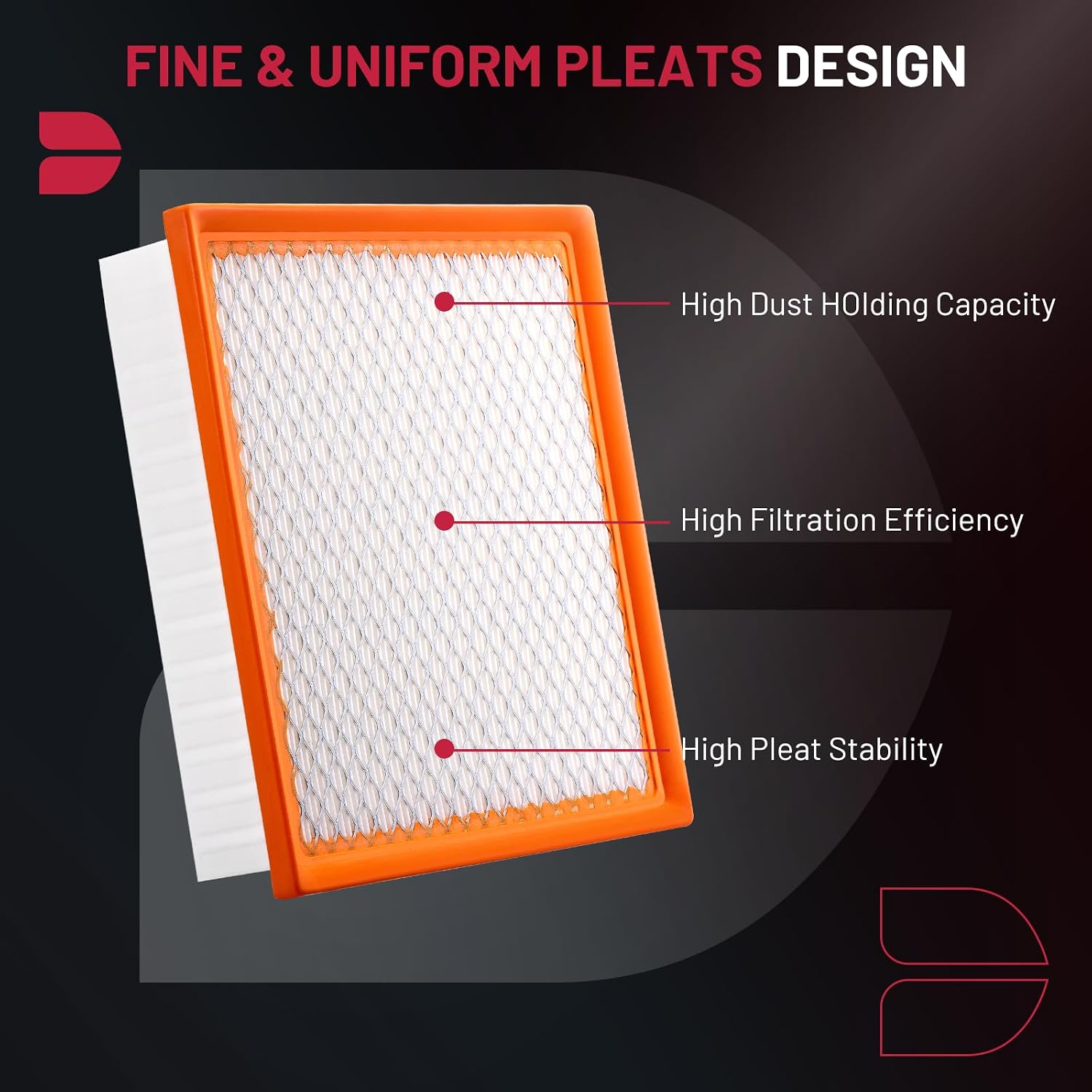
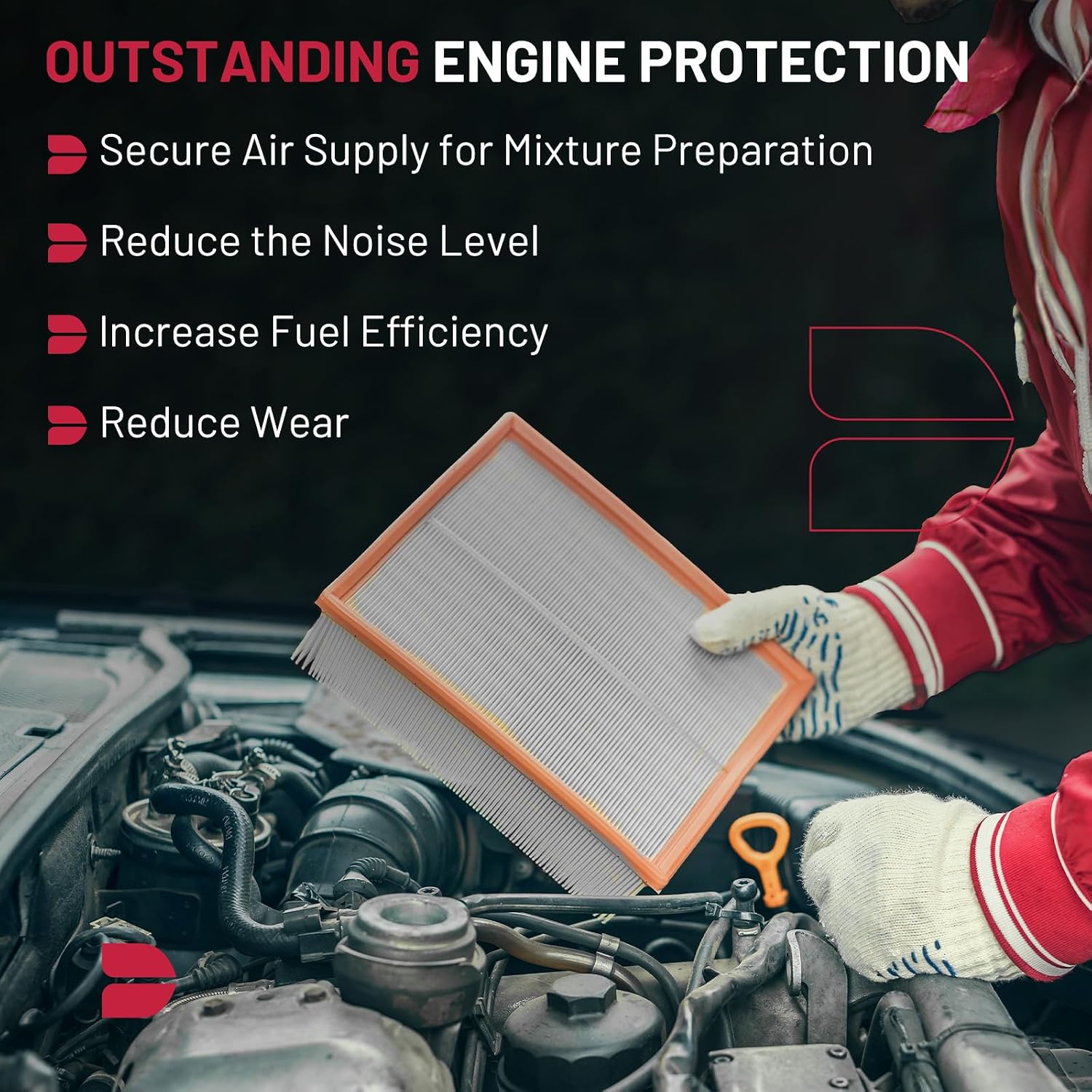
This filter uses a microporous filter media concept, built to trap particles and reduce harmful contaminants reaching the engine. The listing also frames it as a protector of engine longevity, since cleaner intake airflow supports the engine’s overall operating conditions.
On the fit side, the compatibility information points to a range of Toyota, Lexus, Jeep, and Dodge models and engine sizes (for certain years and configurations). That breadth can be convenient, but it also means you need to verify that your vehicle’s setup matches the right part number.
Finally, the suggested replacement cadence is every 12 months or 12,000 miles (or as the vehicle manufacturer specifies). That gives you a clear yardstick rather than guessing.
Where it shines (and what you’ll notice)
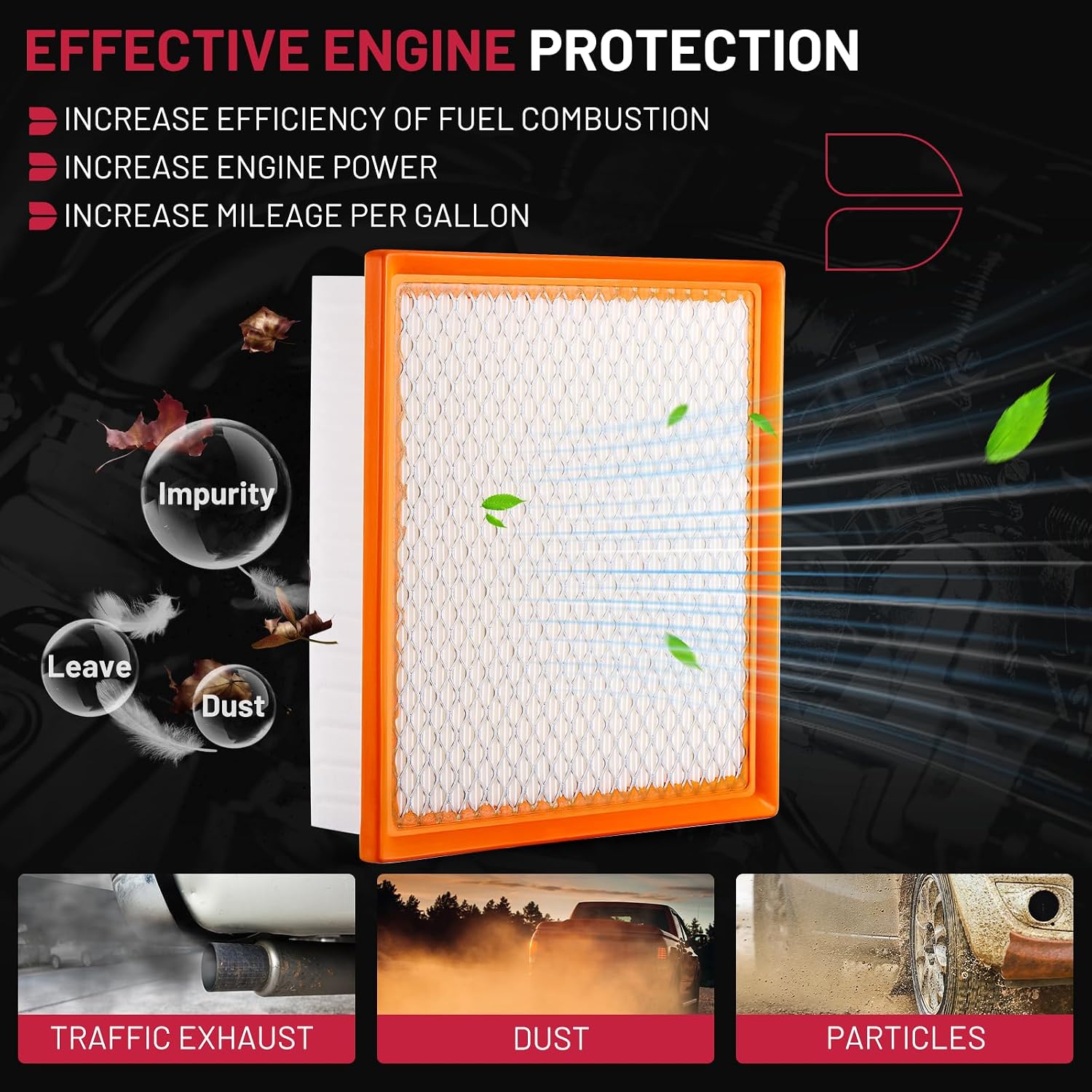
The most “real-world” benefit is airflow quality and basic engine protection. When an air filter is doing its job, intake air is cleaner, and the engine doesn’t have to work with as much grit floating through the system.
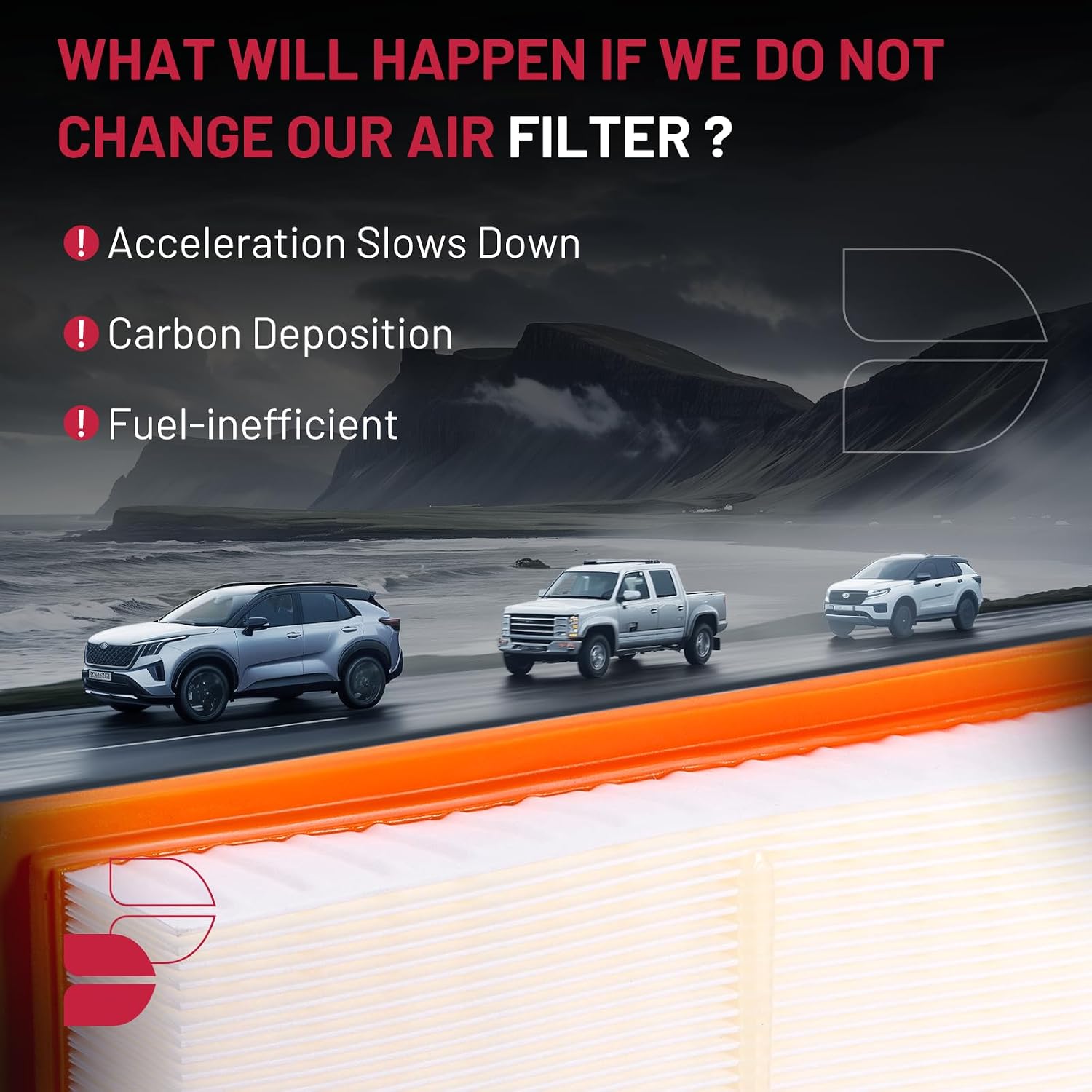
A small example: imagine you drive a lot of city miles and see the filter area gets dusty. If you swap in a cleaner filter before it clogs, you’re more likely to keep consistent throttle response and avoid the gradual “choking” effect that comes when airflow is restricted.
This kind of filter is usually considered a mid-level maintenance part rather than a performance upgrade. So if you’re buying with the goal of “more power,” it may feel like it stays in the background. If you’re buying to restore maintenance baseline, that’s where it tends to make sense.
Compatibility & what to double-check
The listing provides replacement part numbers and vehicle fitment by model, year ranges, and engine displacement (examples include Toyota Camry with 3.5L V6 for 2012–2017, Toyota Sienna configurations, Highlander 2.7L/3.5L across 2014–2019, and several Jeep Grand Cherokee and Dodge Durango configurations, plus Lexus models).
Still, with anything this cross-referenced, the safest approach is to match your exact vehicle detail to the provided replacement numbers. Pay special attention to: - The replacement part numbers listed (so you’re not relying only on model name) - Your engine size/configuration (the listing calls out multiple displacements) - Your vehicle’s year within the stated range
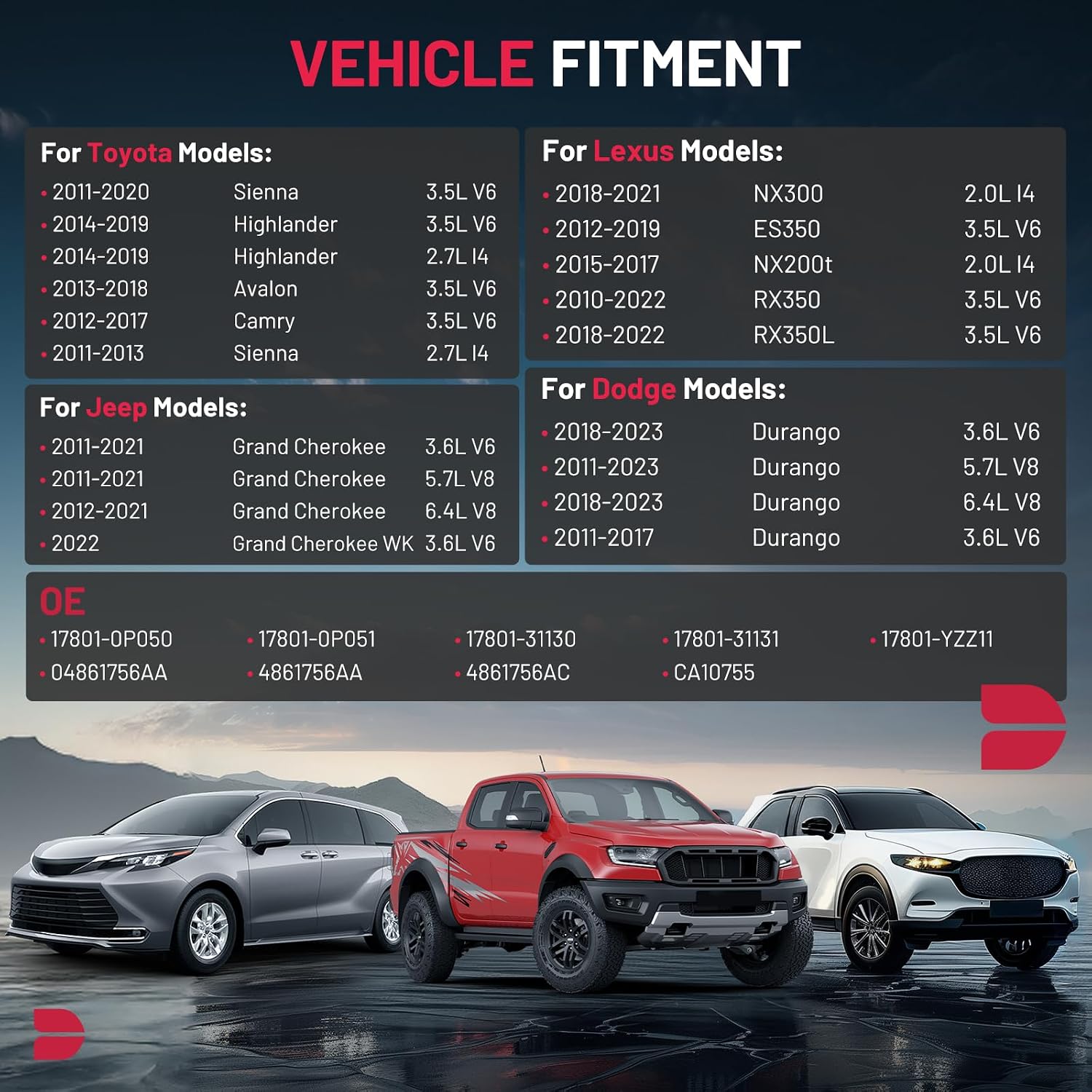
If those don’t align, it could be a bad match even if the model name looks close.
Pros, cons, and the limitation to keep in mind
What’s compelling: - Replaces multiple listed part numbers, including CA10755 and 17801-0P050 - The filter media is described as microporous for trapping particles - Clear replacement guidance (12 months or 12,000 miles, or OEM guidance)
What to watch: - This is meant for the maintenance job, not as a performance mod. If your goal is dramatic improvements, you may not get them from an air filter alone. - The compatibility is broad, so it’s easy to assume fitment without verifying your engine and year.
Should you buy it?
A solid buy if you’re doing routine maintenance and you can confirm the replacement part numbers and engine configuration match your vehicle. It’s especially reasonable when you want a clear, practical way to keep contaminants out of the intake path and follow a predictable replacement schedule.
It may not be the best choice if your primary issue isn’t related to intake airflow (for example, if you’re dealing with problems that point to sensors, fuel delivery, or ignition). It’s also not the one to “guess fitment” on—if you can’t match your part number or engine details to what’s listed, you’ll likely waste time installing something that doesn’t belong.
Quick FAQ
How often should I replace an engine air filter like this?
The listing suggests every 12 months or 12,000 miles, or follow the vehicle manufacturer’s schedule.
What part numbers does this filter replace?
The entry lists replacements including CA10755 and several numbers such as 17801-0P050, 17801-0P051, 17801-31130, 17801-31131, 17801-YZZ11, 04861756AA, 4861756AA, and 4861756AC.
Is this a performance filter?
Based on the description, it’s focused on filtering and engine protection rather than adding performance. Treat it as maintenance that helps the engine run under cleaner airflow conditions.
What should I verify before ordering?
Verify the replacement part number(s) and match your vehicle’s year and engine size/configuration to the compatibility information provided.