

ASUS GeForce GT 1030 2GB GDDR5 Low-Profile Graphics Card (GT1030-2G-CSM)
Product description
What this GPU is for
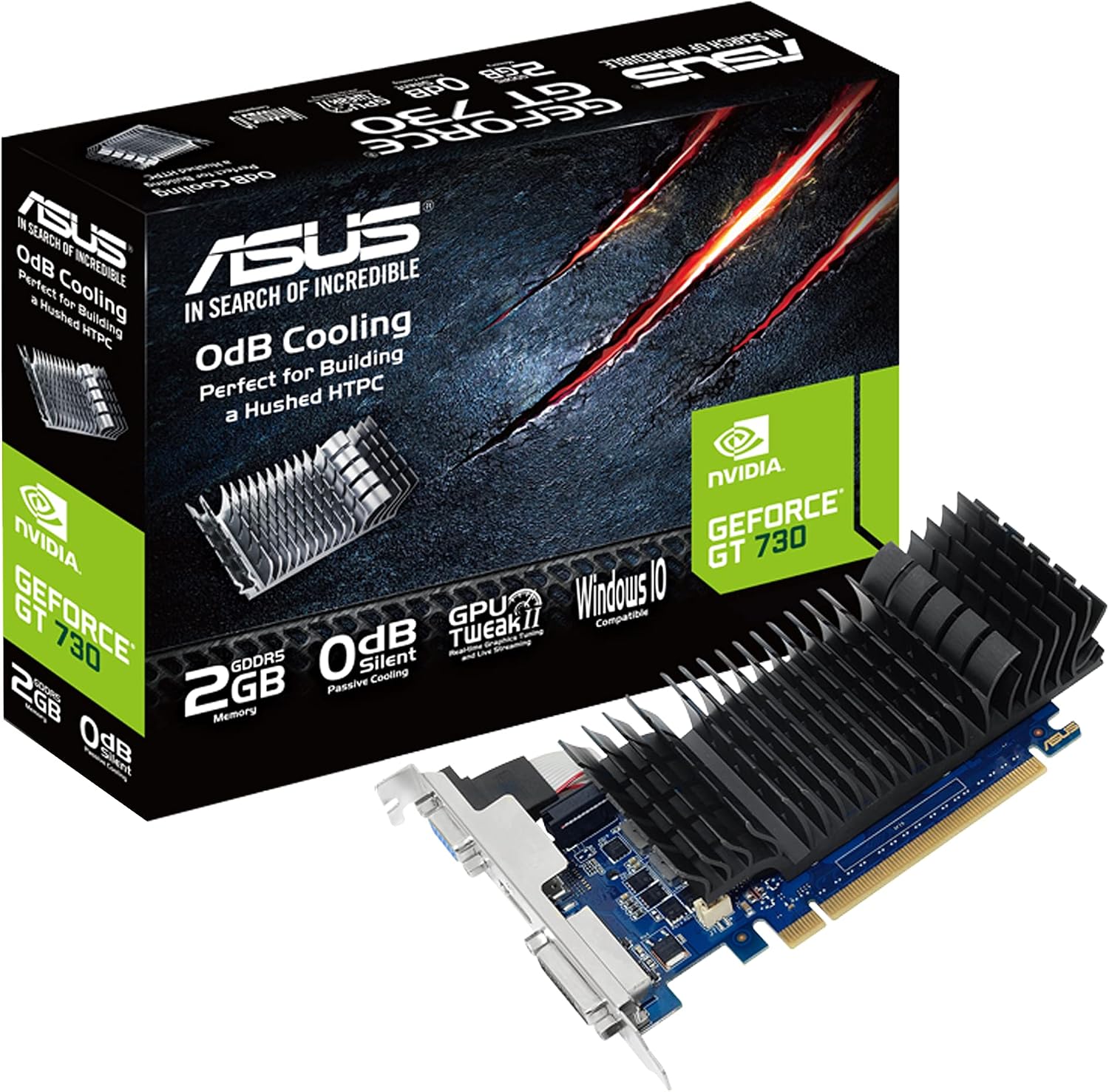
The ASUS GeForce GT 1030 2GB GDDR5 is a low-profile graphics card designed for compact builds and multimedia duty. It uses NVIDIA’s Pascal architecture and 2GB of GDDR5 memory to handle everyday tasks, media playback, and light gaming where a full-size gaming card would be overkill. Its compact form factor and passive cooling mean a quieter HTPC or living-room PC, so you can enjoy streaming, 1080p video, and casual games without fan noise.
What stands out on paper
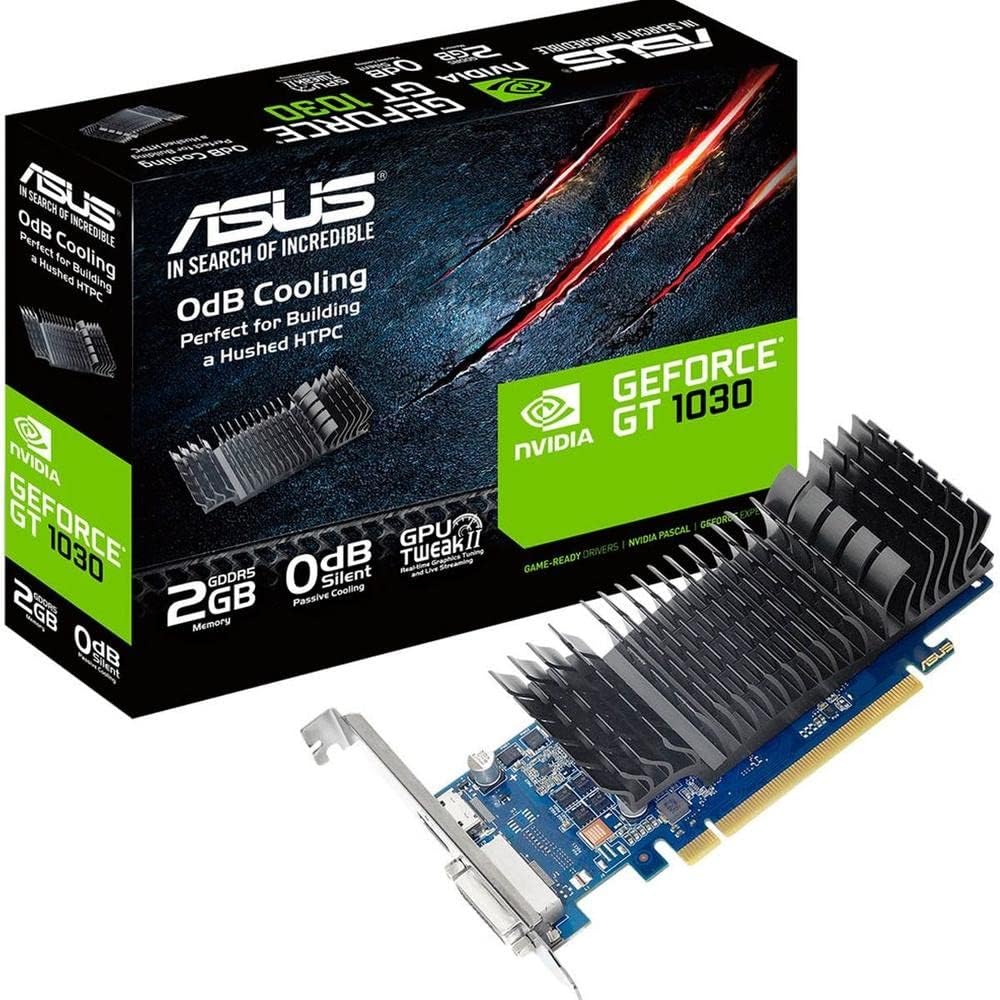
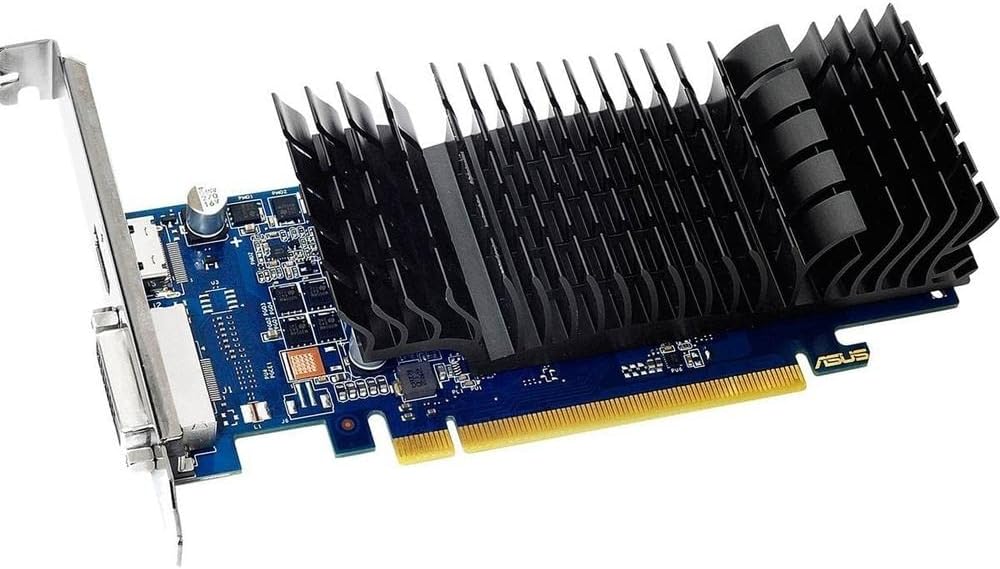
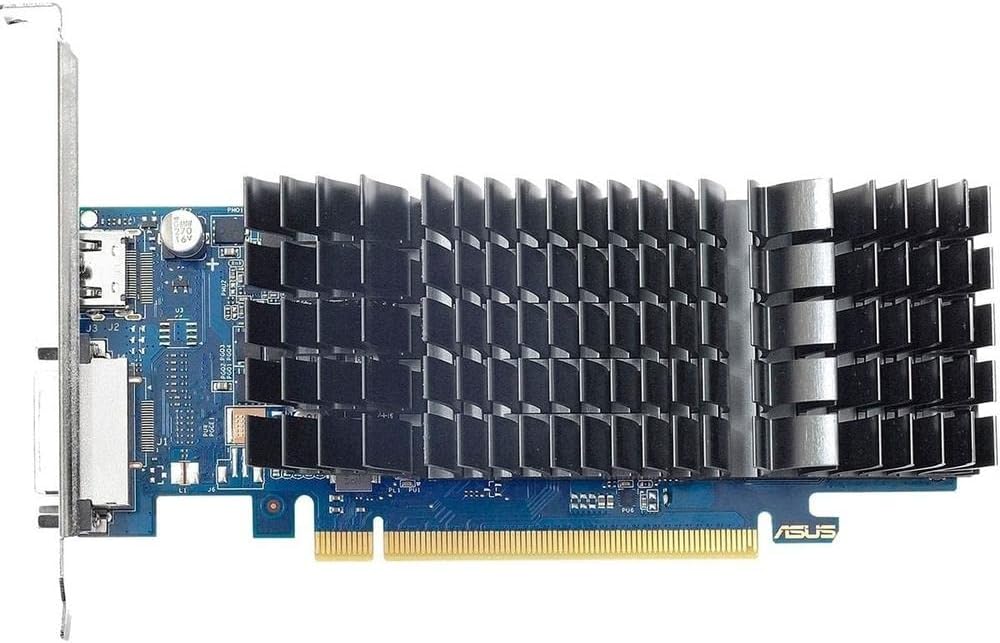
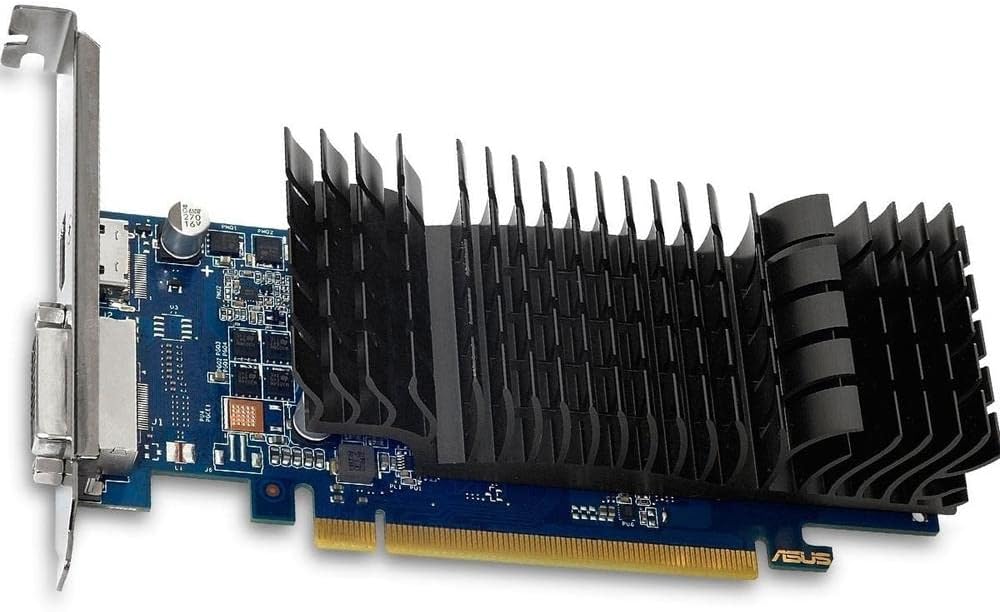
On the spec sheet, you’ll find a Boost Clock around 1506MHz in OC mode, 2GB of fast GDDR5 memory, and native support for DX12 on Windows 10. ASUS adds a heat sink designed for passive cooling, which aims to reduce audible noise in quiet setups. The card is marketed with ASUS’ Auto-extreme manufacturing and Super Alloy Power II components, signaling a focus on reliability and durability in a small form factor.
Real-world use and impressions
If you’re building or upgrading a compact PC, this GT 1030 model can provide a noticeable bump in everyday UI responsiveness, video decoding, and light gaming compared to integrated graphics. It supports office multitasking, light photo/video editing, and streaming services with some headroom for older or less demanding titles at modest settings. The passive cooling makes it appealing for media centers where you want to minimize heat and noise, but it isn’t designed for long sessions of intense 3D gaming.
Pros and what to be mindful of
- Pros: low-profile design fits slim cases, passive cooling keeps noise levels down, DX12 support on Windows 10 opens up newer APIs for compatible titles, modest power draw suits smaller power supplies.
- Considerations: 2GB of memory can be a bottleneck in newer games or titles with higher texture demands, performance is better described as entry-to-mid range for light gaming rather than a primary gaming GPU. If you prioritize high-refresh gaming at 1080p on newer titles, this card may fall short. The OC mode clock is listed, but real-world gains depend on system cooling and power headroom.
Who it’s for
This card is a good fit for budget-conscious builders, media-center PCs, and users who want a silent upgrade over onboard graphics for 1080p video playback, casual games, and Windows 10 DX12 experiences without adding noise.
Who should think twice
If your main goal is gaming at higher settings, or you’re building a system intended for heavy graphical workloads, you’ll likely want a more powerful card. If you expect the absolute latest titles to run smoothly at high resolutions and settings, this GT 1030 may not meet those expectations.
When it makes sense to buy
- You’re upgrading an ultra-compact or HTPC build where space and noise matter.
- You want a simple, no-fuss discrete GPU that improves video playback and basic gaming without a loud cooler.
- You’re aiming for a budget upgrade with DX12 support and a reputable cooling solution from a known brand.
What to check before buying
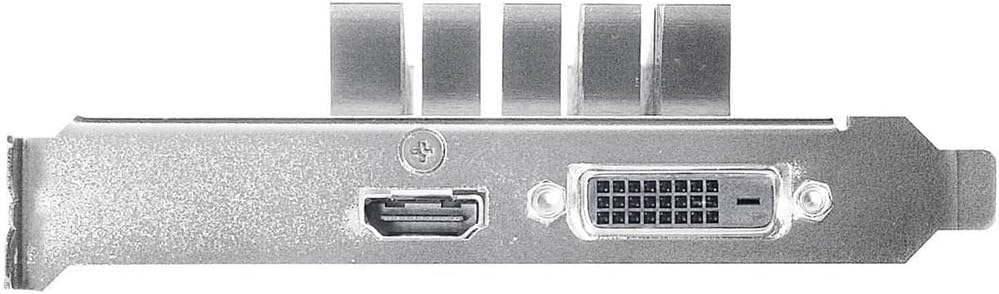
- Verify your case supports a low-profile PCIe card and that there’s adequate clearance for the heatsink.
- Ensure your power supply has enough headroom for a graphics card in this tier.
- Consider your expected workloads: for modern AAA titles at high quality, plan for lower resolutions and settings.
Practical usage example
Imagine setting up a home theater PC where you want smooth 1080p playback, streaming at 4K downscaled, and occasional gaming on lighter titles. The GT1030-2G-CSM can handle those tasks without introducing fan noise, keeping the living room peaceful while your media library plays in the background.
Quick comparison (implicit)
Compared to integrated graphics, this card offers a clearer upgrade path for video acceleration and light gaming. If you need more headroom for modern games at higher settings, you’d typically look at a more capable GPU. In this niche, the GT1030 excels as a sensible, quiet, miniaturized solution rather than a performance juggernaut.
FAQ
- Will this card fit in a compact mini-ITX case? Yes, it’s designed as a low-profile card.
- Is it suitable for gaming beyond casual titles? It handles light gaming but isn’t aimed at modern, demanding games at high settings.
- Does it require extra cables or power connectors? Power needs depend on your overall system, this model is commonly designed to work with standard power setups, but verify your PSU and case clearance.
Is it worth it?
Final verdict: Worth considering if you need a quiet, space-saving GPU that improves media playback and supports basic gaming on a budget. If silence and compactness are priorities, this entry-level option makes sense. If you expect high-end gaming performance or future-proofing, you may want to look at higher-tier GPUs.