




AGSIXZLAN Little Blue Truck 1:32 Alloy Car for Toddlers 🚚
Reviews
Price
Product description
This little blue truck is a compact, driveable toy designed for hands-on play and motor skill development in young children. It works as a simple pull-back toy truck for toddlers, offering battery-free motion and openable doors for imaginative scenarios.
Key Points
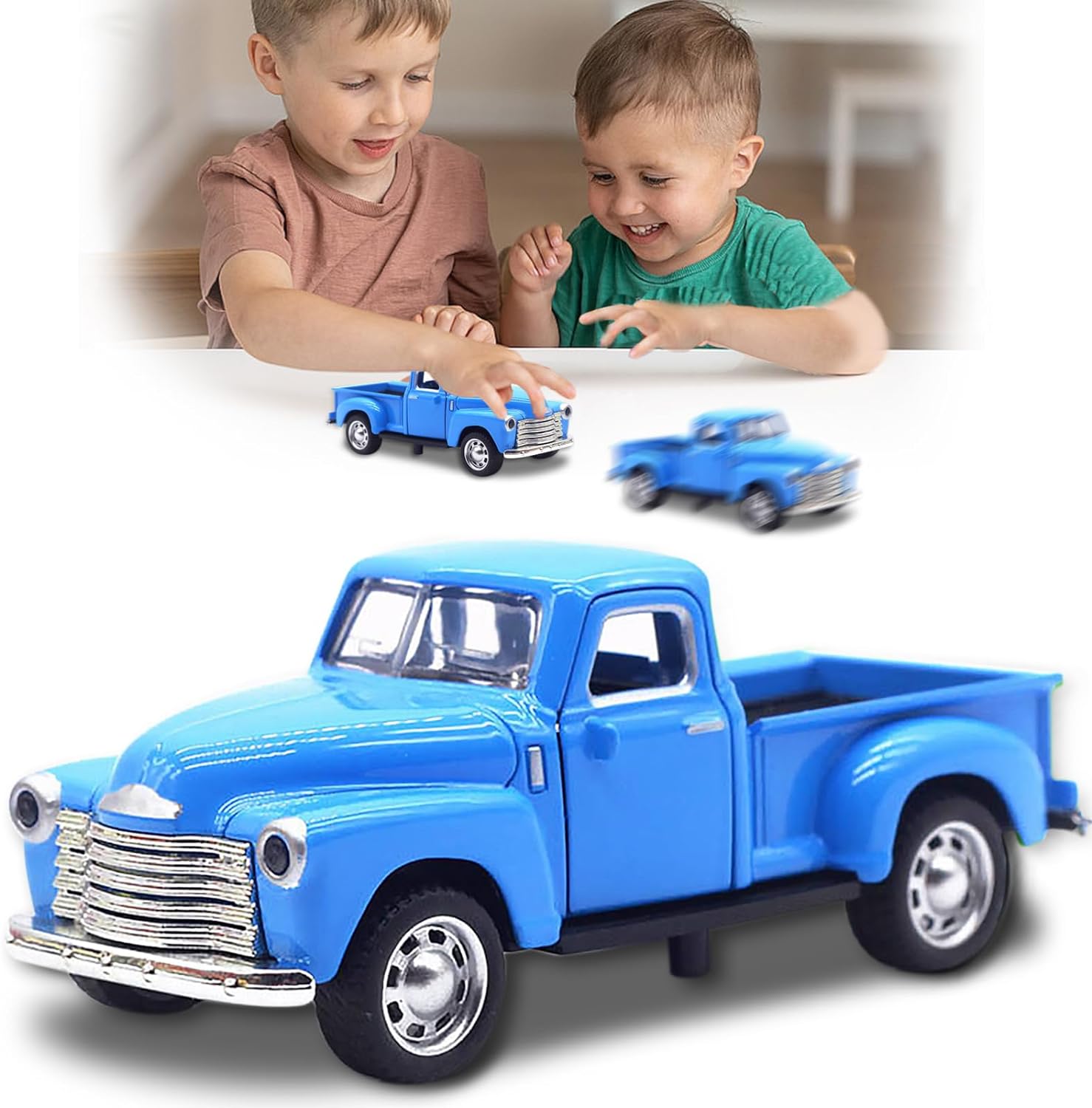
The toy combines a metal alloy body with polyethylene components for improved resistance during everyday play. AGSIXZLAN Little Blue Truck has a pull-back drive system that lets kids propel the vehicle by pulling it back and releasing it, which helps teach cause and effect while avoiding batteries. The doors open and close, so small figures or tiny ornaments can be placed inside for role play and display. 🚚 Play sessions support hand-eye coordination and fine motor control, and the model doubles as a decorative item when not in use.
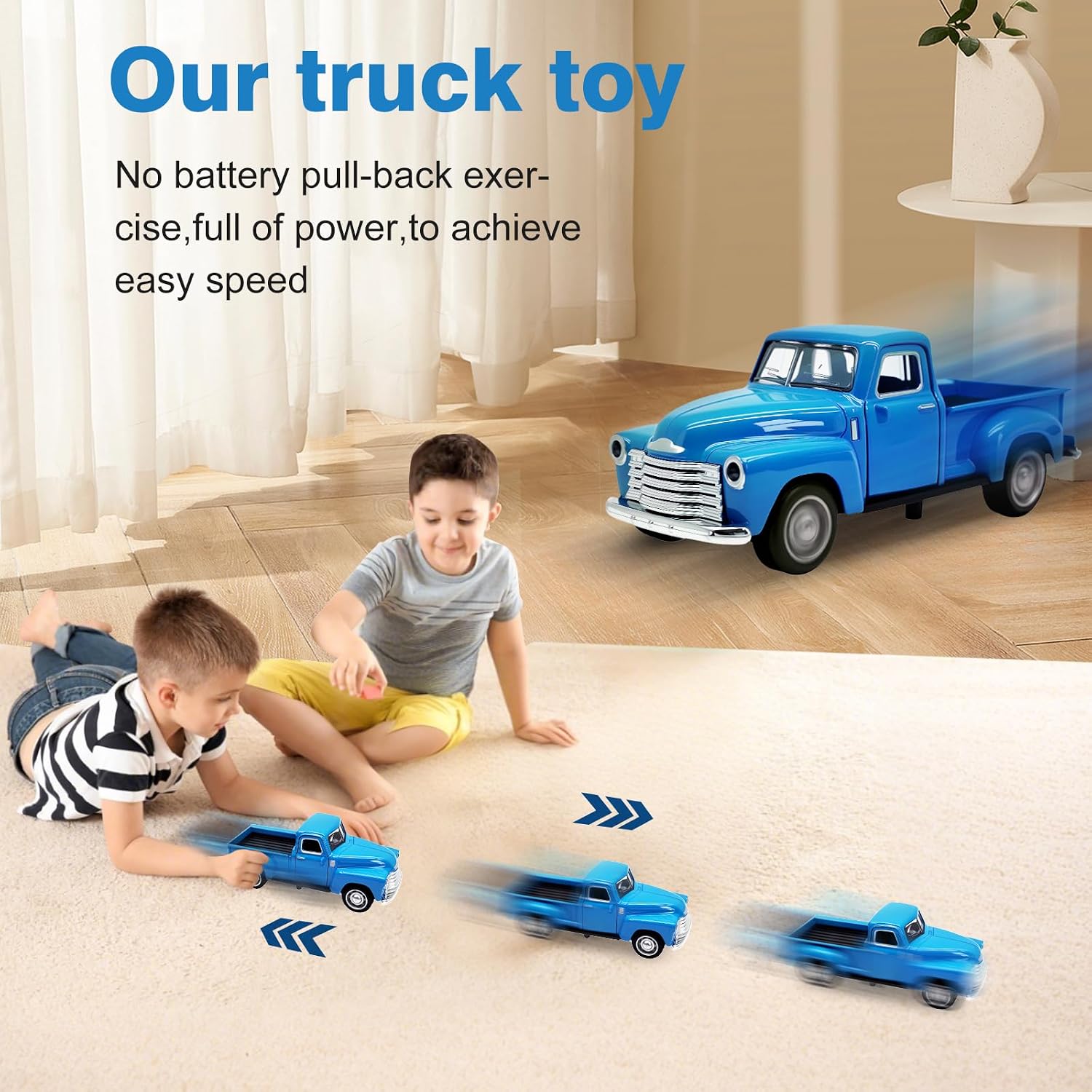
Benefits
Because it uses a mechanical pull-back mechanism, there is no need to manage batteries and charging, which simplifies long playtimes. The alloy construction adds weight and tactile feedback that many children find satisfying during push-and-pull play. The compact size also makes it easy to carry on outings or to include in themed sets for pretend construction or delivery scenarios. For parents looking for small educational toys, this truck encourages imaginative storytelling and simple problem solving. 🔧
Technical Specifications
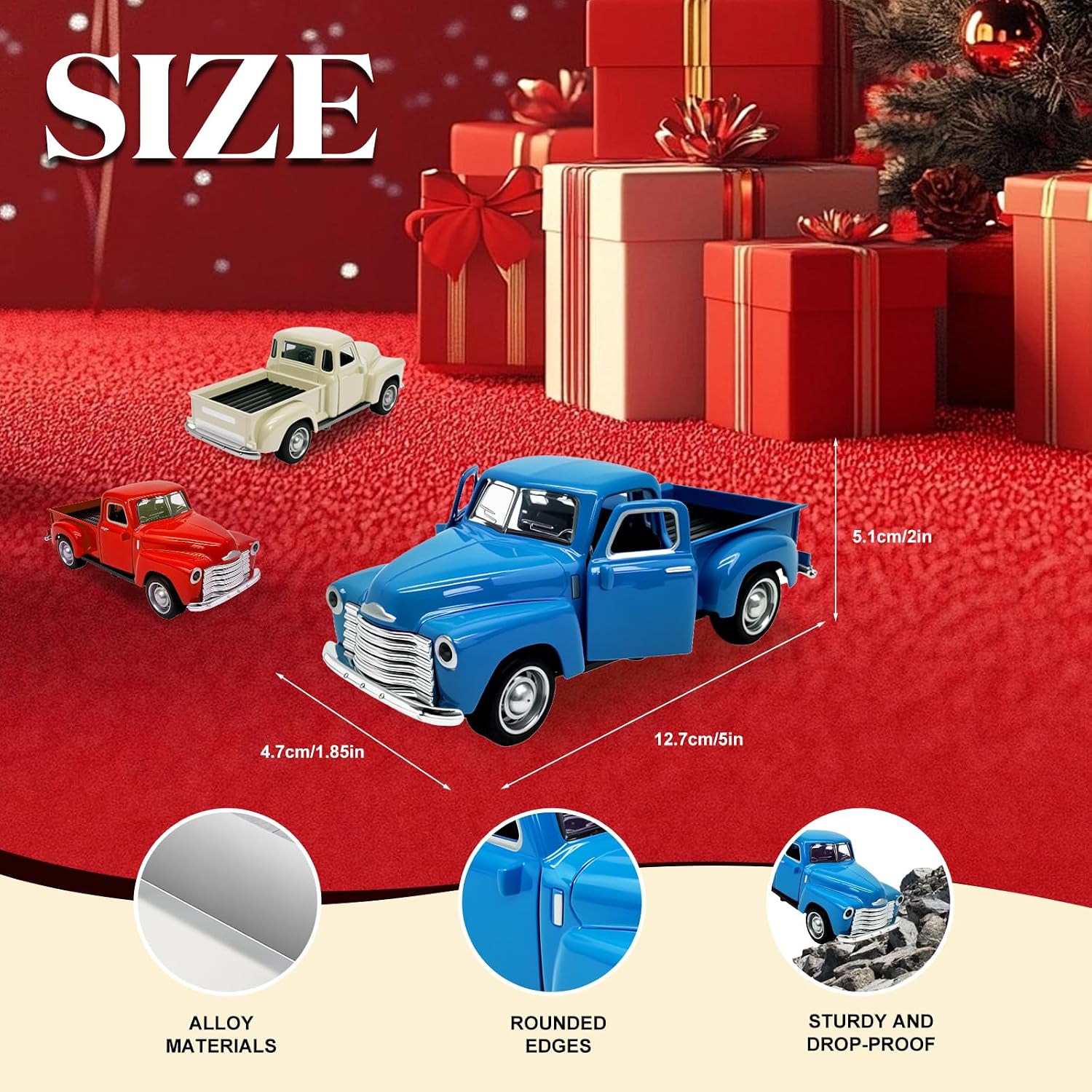
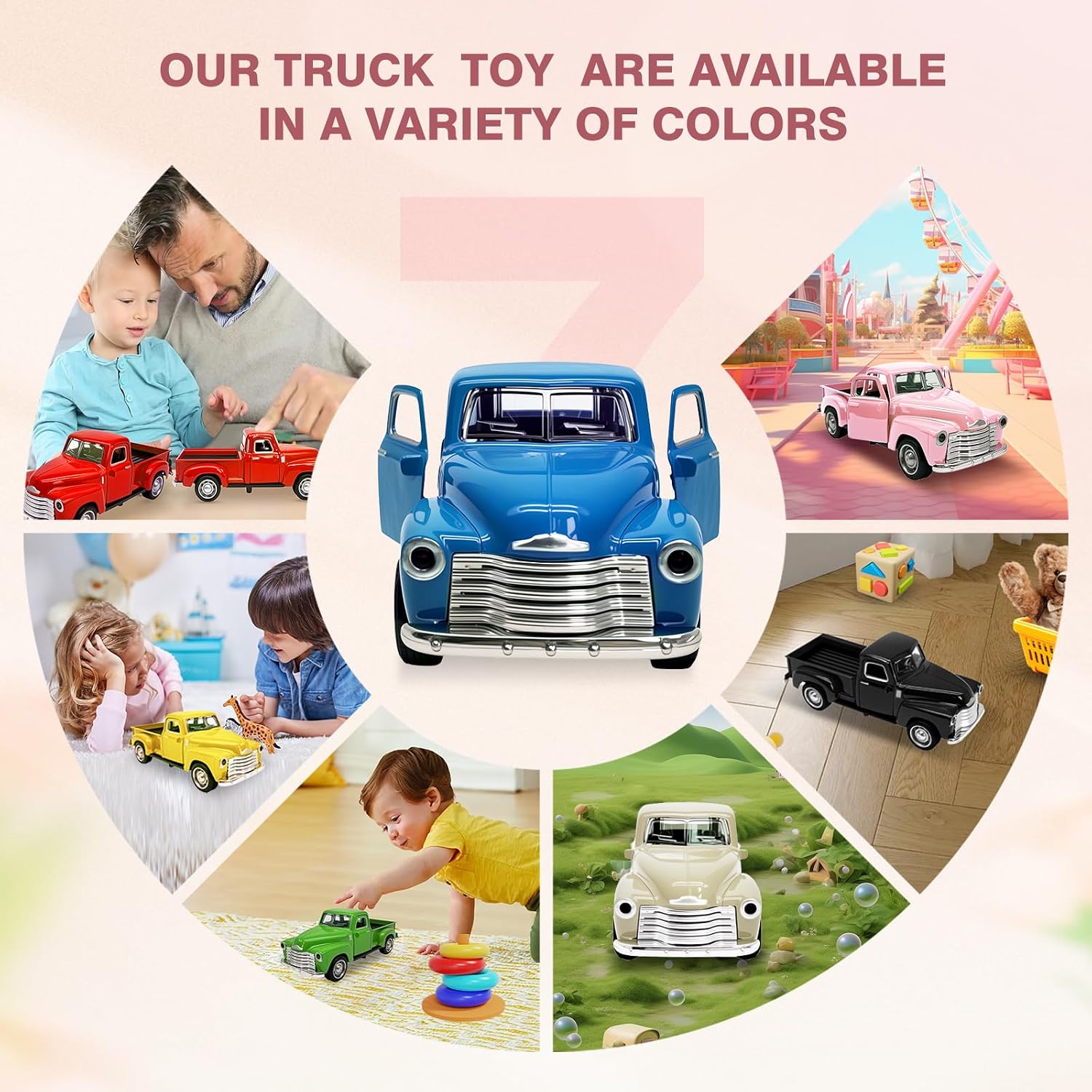
- Name: AGSIXZLAN Little Blue Truck
- Material: alloy and polyethylene
- Drive type: pull-back rear-wheel mechanism
- Dimensions: - 5 x 1.85 x 2 inches
- Recommended ages: 2-8 years (according to the manufacturer's description)
Usage Recommendations
Place the truck on a flat surface to get the cleanest pull-back motion and to reduce wear on the wheels. Use the open doors to introduce small accessories and rotate play themes to maintain interest. Consider supervising play for very young toddlers because of small parts that can be added to the truck bed. Note that the toy's metal and plastic parts may show scratches over time with heavy outdoor use, and the pull-back mechanism may perform differently on very rough surfaces.