


Active Seat Peanut Balance Ball Chair 65 cm
Product description
This peanut-shaped active seat offers a playful alternative to a standard chair that helps children move while they work or play. The peanut shaped balance chair for kids improves posture and circulation and can help increase focus during activities like homework, reading, or remote learning.
Key Points
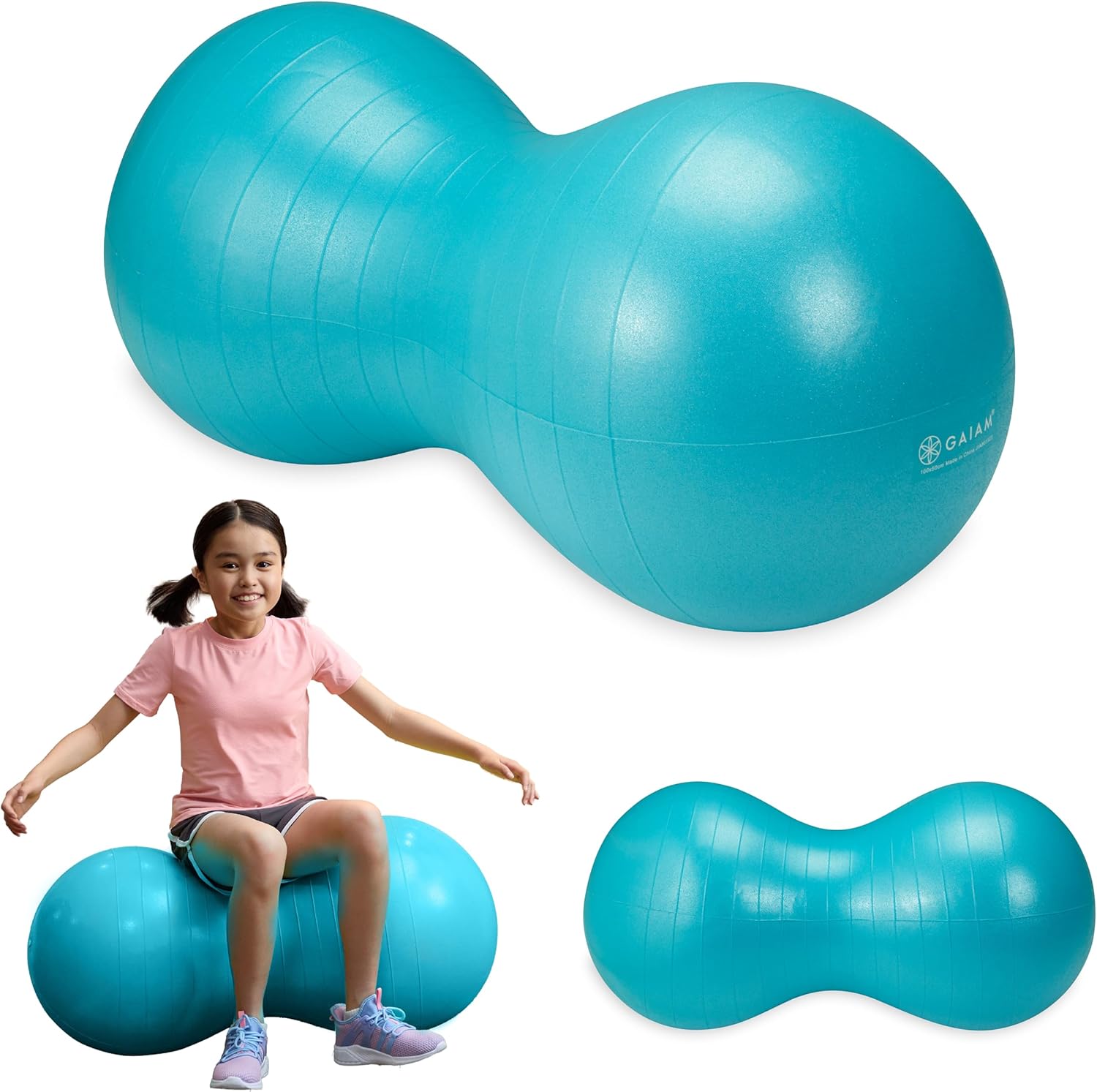
This active seat is designed for energetic or wiggly children who benefit from subtle movement during seated tasks. The unique peanut shape cradles the user and adds stability compared to a round exercise ball, which can reduce slips and make bouncing easier to control. Movement on the seat encourages blood flow to the brain, which according to the manufacturer may help reduce restlessness and improve attentiveness in classroom and home settings. Kids can straddle and bounce to release excess energy while staying engaged with schoolwork or screen time. 🟠
Benefits
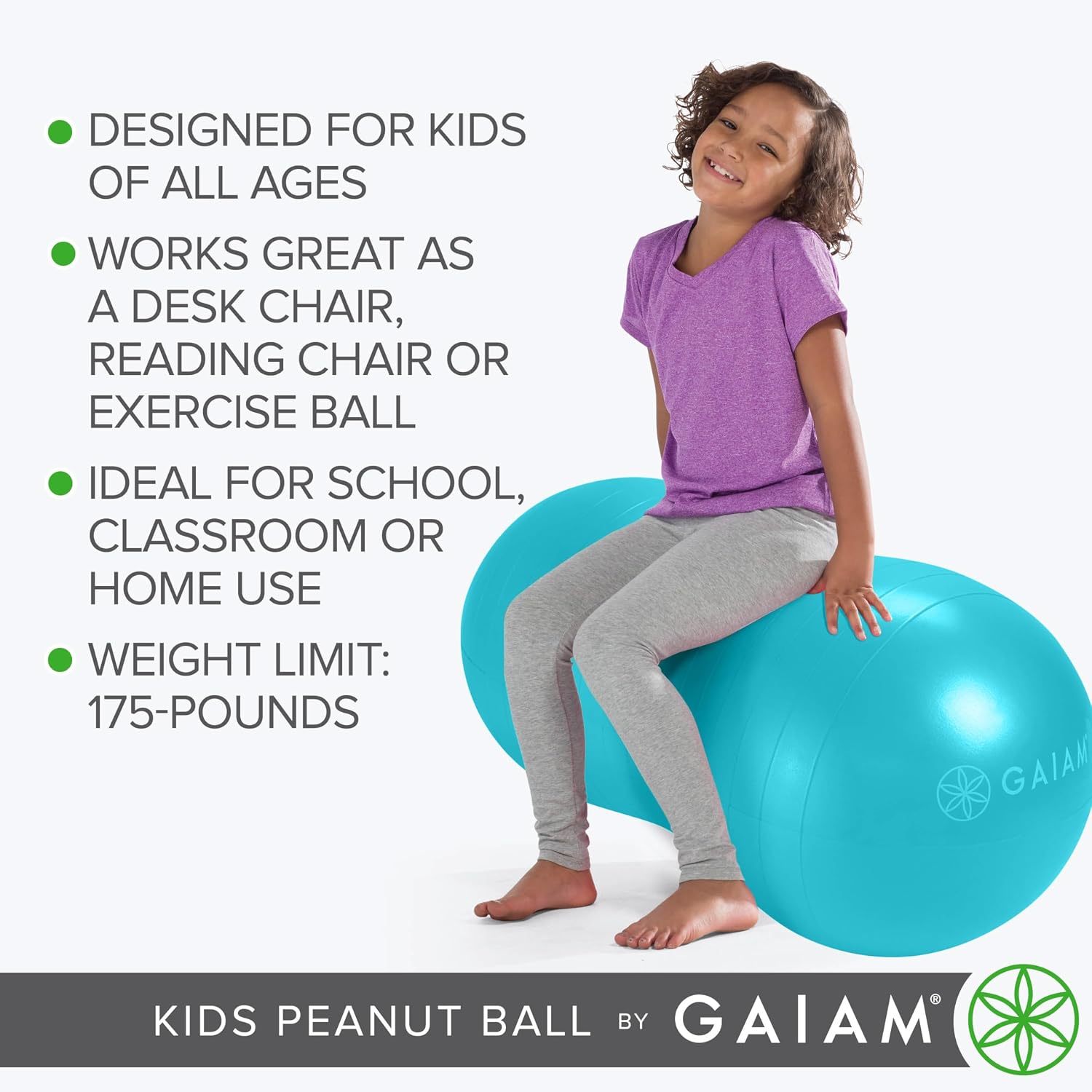
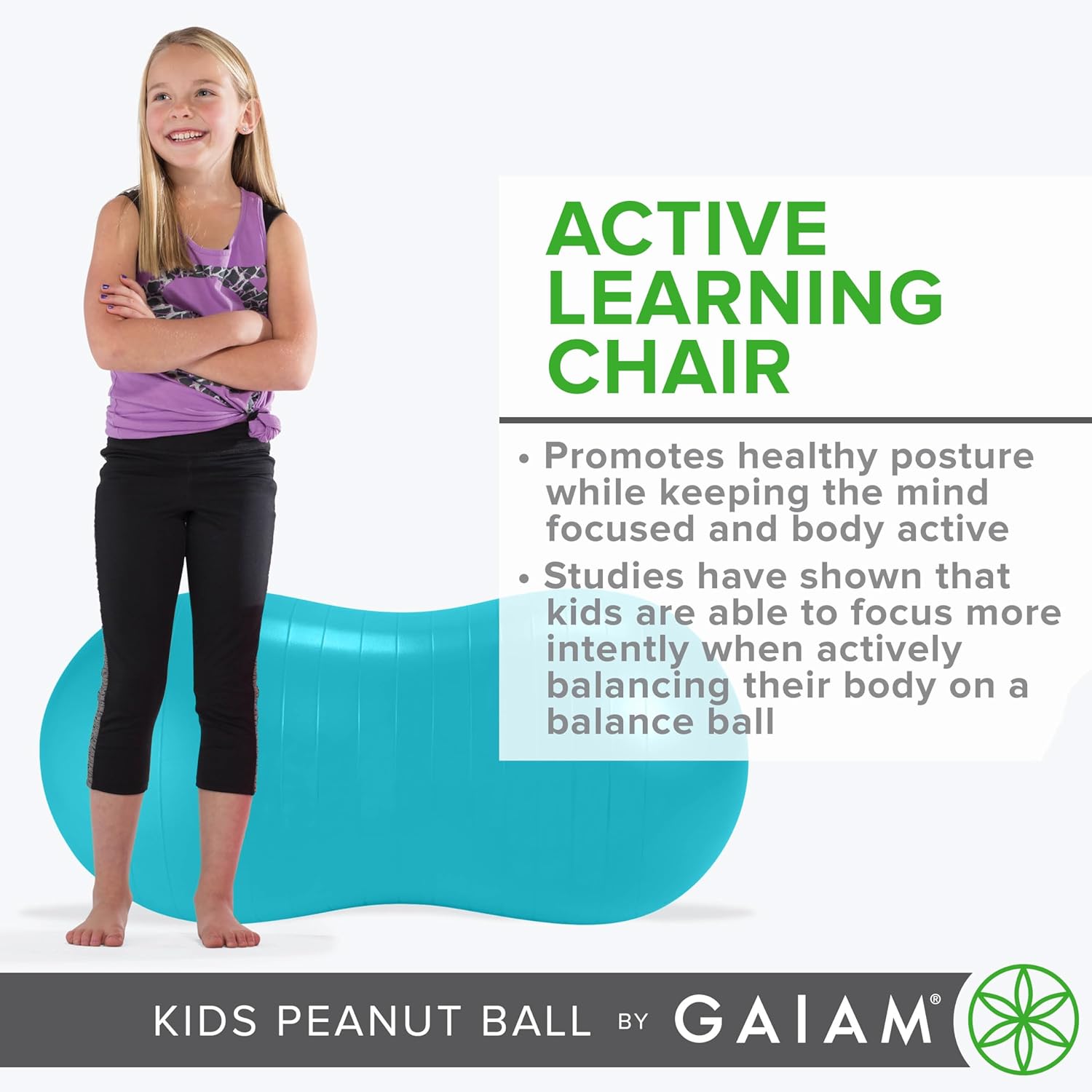
The chair supports an active sitting style that promotes core strength and healthy posture through continuous micro-movements. These small adjustments recruit trunk muscles and can contribute to better balance over time. It doubles as a fidget-friendly option that replaces more disruptive behaviors with controlled physical activity. The multipurpose design allows use as a desk or computer chair, for studying, gaming, watching TV, or participating in remote learning sessions. For variety, it also works as a short-duration exercise or balance aid during play. ⚪️
Technical Specifications
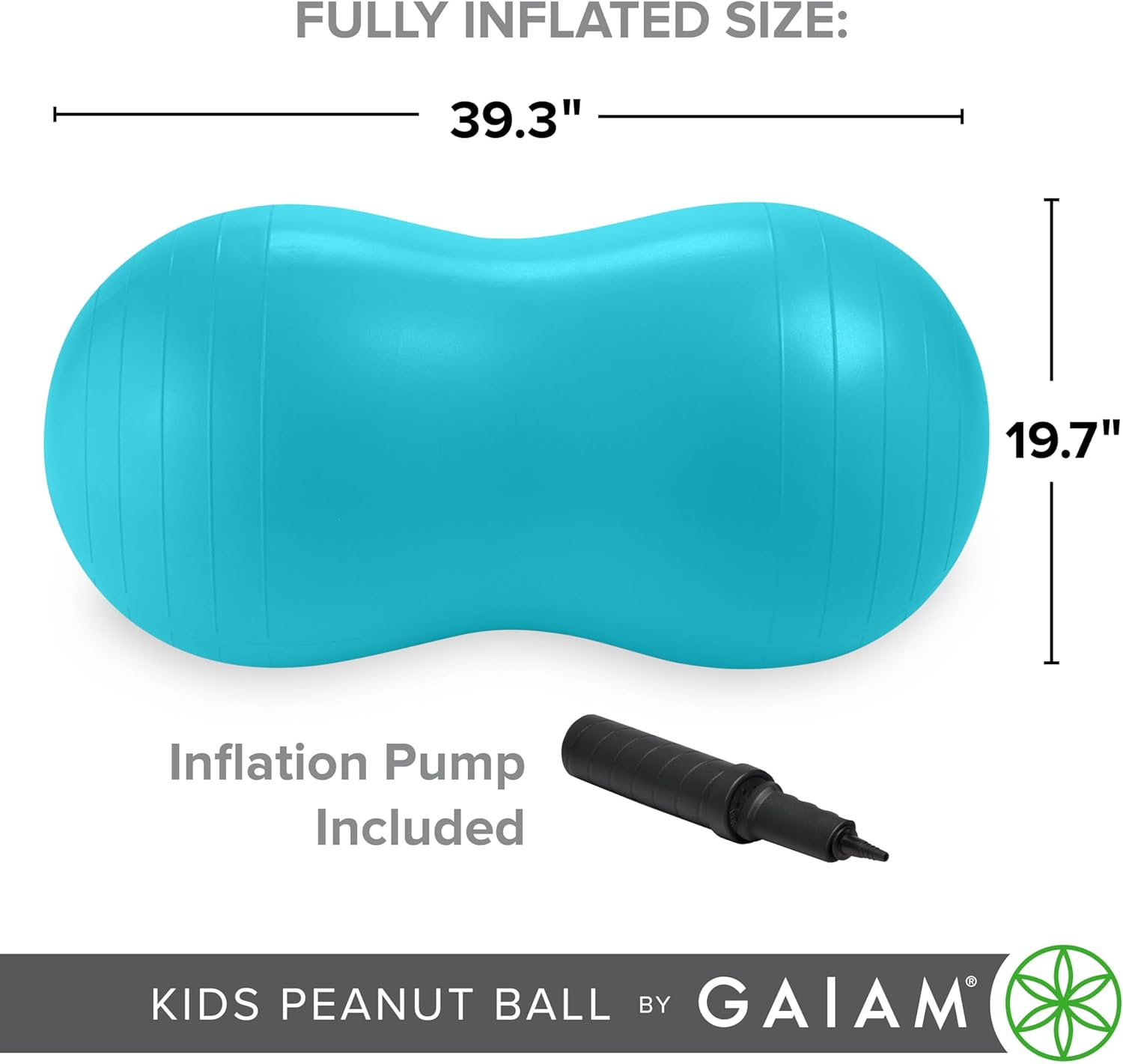
- Name: Active Seat Peanut Shaped Bounce Desk Chair
- Shape: Peanut
- Intended users: Children, boys and girls
- Uses: Desk chair, computer seat, fidget seat, office chair for classroom or home, reading, studying, gaming, watching TV, remote learning
- Stability: More stable than traditional balance balls, due to cradling form (according to the manufacturer)
Usage Recommendations
Place the seat on a flat, non-slip surface to maximize stability and minimize movement of the base. Encourage supervised short sessions at first so the child can adapt to active sitting and build balance gradually. For sustained study blocks combine seated work with periodic standing breaks to vary posture and reduce fatigue. Consider that while the peanut design is more stable than round balls it still requires monitoring with very young children or those with limited motor control. 🎯.