


Your 30-Minute Online Deal System (That Works All Year)
A practical, step-by-step system to catch real online deals in the US—using wishlists, alerts, total-cost checks, and smart timing.
Online deals aren’t about getting lucky—they’re about having a repeatable system. If you’ve ever bought something “on sale” and then watched the price drop again (or gotten hit with shipping and sales tax that ruined the math), this mini-guide is for you.
Below is a simple, step-by-step setup you can do in about 30 minutes. After that, most of your “work” is just letting alerts do their thing and pulling the trigger when the total price actually makes sense.
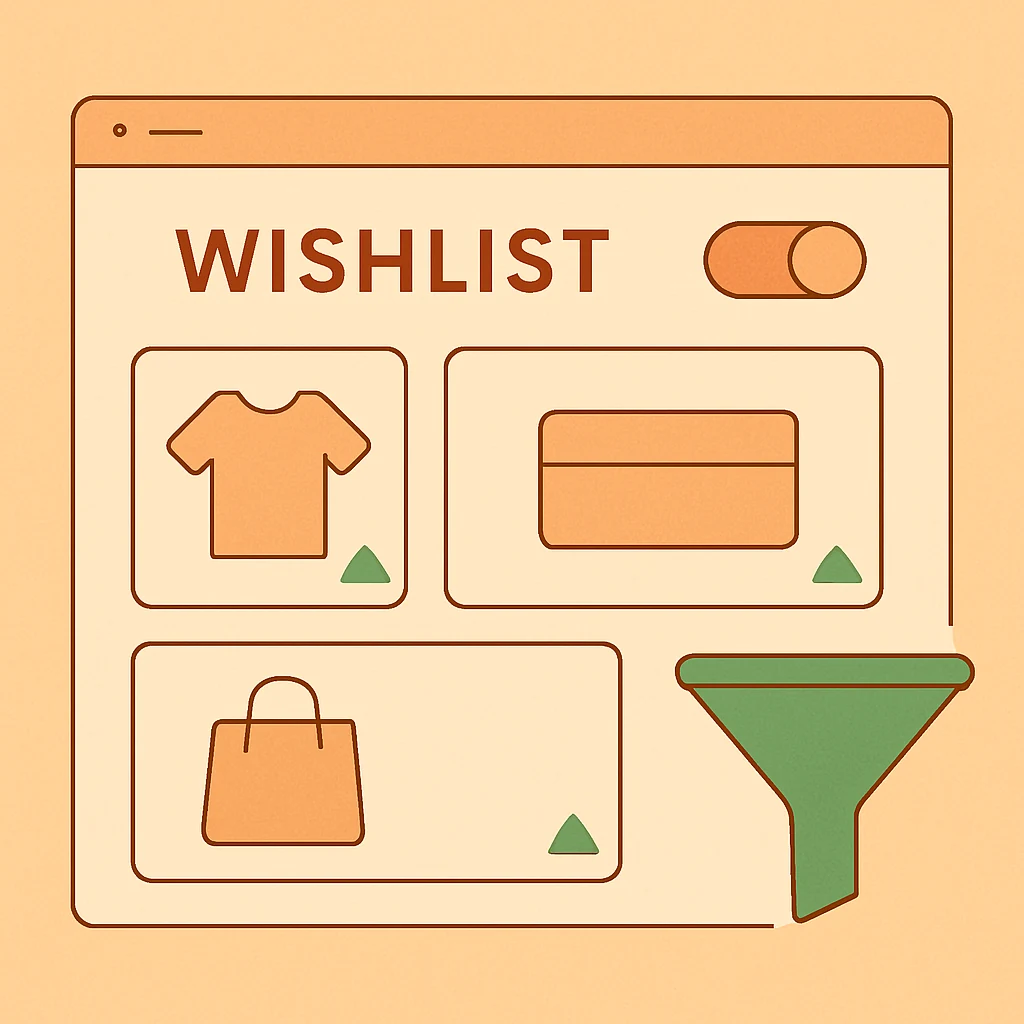
Step 1: Pick the one thing you want (and define “deal”)
The fastest way to overspend online is shopping without a target. Before you open ten tabs, decide:
- The exact model/spec you want (color, storage, size, compatible version)
- Your “buy now” price (the number that makes you stop thinking)
- Your “I’m just watching” price (nice-to-have, not urgent)
This isn’t about perfection. It’s about removing emotion when a flashy banner says “Limited time.”
A practical way to set your price without guessing: check the current prices across a few major retailers, then decide what you’d feel good paying after sales tax and shipping.
Step 2: Build a clean watchlist (one place to check)
Your system needs a home base. Use whatever you’ll actually open regularly:
- A retailer wishlist (Amazon, Target, Walmart, Best Buy)
- A simple notes app list
- A spreadsheet if you’re tracking multiple items for a household
For each item, save:
- The product link
- The normal price you’re seeing today
- Your “buy now” price
- Any deal constraints (must be sold by the retailer vs. marketplace seller, certain warranty, etc.)
This step is boring—but it’s where the savings come from. When a sale hits, you won’t waste time re-researching what you meant to buy.

Step 3: Turn on the right alerts (without getting spammed)
Most people either don’t use alerts—or they use too many and start ignoring them. The sweet spot is two layers:
Layer A: Retailer alerts
These are best for restocks and fast promos.
Examples:
- “Back in stock” notifications for popular items
- Price drop alerts (where available)
- App notifications for a specific store you trust
Tip: keep notifications limited to your top 5–10 items. If your phone becomes a slot machine, you’ll make impulse buys.
Layer B: Independent price tracking
Price trackers are best for seeing whether a “sale” is actually good compared to recent pricing.
Use them to answer two questions quickly:
- Is this price genuinely low for the last few weeks/months?
- Does it usually drop again during big US sale moments like Black Friday/Cyber Monday, Prime Day-style events, or back-to-school?
You don’t need to track everything—just the items where a $20–$100 swing is realistic (electronics, small appliances, headphones, vacuums, monitors, etc.).
Step 4: Check the real total before you get excited
A deal is only a deal if it’s cheap at checkout.
Before you celebrate, do a 20-second “all-in” check:
- Sales tax: varies by state (and sometimes city/county). The same cart price can land differently depending on where you ship.
- Shipping: free shipping thresholds can quietly force you to add stuff you don’t need.
- Delivery speed: paying for faster shipping can erase your savings.
- Returns: a “final sale” item can become expensive if it doesn’t fit or arrives damaged.
If you’re comparing two stores, compare the final number on the last checkout screen before you place the order.

Step 5: Time your purchase using “deal windows” (not random browsing)
You don’t have to memorize a full deal calendar to benefit from timing. Use a simple rule:
Buy immediately when you need it. Wait when you don’t.
Then use seasonal windows as tiebreakers.
In the US, the most common deal windows that affect online pricing are:
- Black Friday/Cyber Monday: broad discounts, especially tech, home, and gifting categories
- Back-to-school: laptops, tablets, monitors, backpacks, dorm basics
- Memorial Day Ofertas Labor Day: home goods, mattresses, appliances (often), outdoor gear
- Prime Day-style summer events: strong on online-first categories and brands
You’re not trying to predict the absolute bottom. You’re trying to avoid buying one week before the obvious promo wave.
A practical move: if your tracker shows the price is “good but not great,” set an alert at your buy-now price and walk away.
Step 6: Choose one “savings stack” you can repeat
This is where people overcomplicate things. You don’t need five browser extensions fighting each other. Pick a simple stack you’ll actually use every time.
A clean, repeatable approach:
- One coupon method: retailer promo code, email signup offer, or targeted offer in your account
- One cashback method: a cashback portal or a single cashback card you default to
- One comparison check: quick search to confirm it’s competitive (same model, same condition)
If a coupon doesn’t apply, don’t panic-buy. Often the best “coupon” is simply waiting for the next price drop.
Also: watch out for exclusions. Many promo codes don’t work on big-name electronics, gift cards, or certain brands.
Step 7: Sanity-check the seller, condition, and return window
This step prevents “cheap” orders that turn into headaches.
Before you click Place Order, confirm:
- Who’s selling it: big retailers often have marketplace listings mixed in. Marketplace can be fine, but it changes return handling and reliability.
- Condition: new vs. open-box vs. refurbished (not bad—just different expectations)
- Return window and return shipping: “free returns” is not universal, and restocking fees can exist.
If you’re buying a gift, the return window matters even more. A great price isn’t great if it can’t be returned after the holiday.
Step 8: After you buy, protect the deal (2 minutes)
Most shoppers stop at checkout. Don’t.
Right after you order:
- Save the order confirmation email (or screenshot the final checkout total)
- Track the package and delivery photo when it arrives
- Keep packaging until you’re sure you’re keeping the item
Then do one optional check: some retailers offer price adjustments or will match a lower price under certain conditions. Policies vary and change, so check the current terms before relying on it.
If you see a lower price right after your purchase, act quickly—windows can be short.

Step 9: Make it a weekly routine (so you don’t impulse buy)
Here’s the habit that makes the whole system work: one weekly deal check.
Pick a day (Sunday night, Monday morning—whatever sticks) and spend 10 minutes:
- Scan alerts for your watchlist
- Buy only if the price hits your buy-now number
- Remove items you no longer want (this is how you avoid “deal clutter”)
This keeps you in control. You’re shopping your plan, not the internet’s agenda.
If you want more practical saving guides, start at the homepage and browse what fits your next purchase: /
Quick FAQs (US online shopping edition)
Is free shipping always the best option?
Not automatically. Free shipping can be slower, and sometimes a paid shipping option is worth it if you need the item by a certain date. Compare the total cost either way—especially if “free shipping” requires hitting a minimum.
Should I wait for Black Friday for everything?
No. If you need the item now, buying during a regular promotion (or when your target price hits) is usually better than waiting months. Black Friday/Cyber Monday is great for many categories, but not every product hits its best price then.
Do coupon codes usually work on the best deals?
Sometimes, but often there are exclusions—especially on high-demand electronics and big brands. Treat coupons as a bonus, not the foundation of your savings plan.
What’s the fastest way to avoid fake “doorbuster” hype?
Ignore the percentage-off banner and verify the final checkout total, the seller, and the recent price history. If it’s a real deal, it’ll still look good after those checks.
How do I compare prices fairly between retailers?
Match the exact model and condition, then compare the final total with sales tax and shipping included. Also factor in return ease—an extra few dollars can be worth it for simpler returns.
One simple action to do today
Pick one item you plan to buy in the next 30 days. Add it to a watchlist, set a buy-now price, and enable two alerts (one retailer alert + one independent price tracker). That’s it.
Once you do this for a few purchases, you’ll stop chasing “random deals” and start buying at prices you actually chose.
You may also be interested

Cash Back or Coupon? Keep Your Online Savings From Disappearing
Learn when to use coupons, cash-back portals, or card offers—and how to avoid tracking mistakes before Black Friday and Cyber Monday.

Open-Box and Refurbished Deals: A Smarter Way to Shop Holiday Sales
Learn how to vet open-box and refurbished deals before Black Friday, from condition and warranties to battery health, seller quality, and gift readiness.

Discounted Gift Cards: 6 Mistakes That Can Erase Your Savings
Buying discounted gift cards for holiday shopping? Avoid balance problems, refund traps, and bonus-card restrictions before locking up your money.