

The US Online Deal Calendar: When to Buy (and When to Wait)
A practical US shopping calendar for online deals—what to buy in each season, how to prep, and how to avoid “sale” traps at checkout.
Online deals aren’t random. Most of the best discounts show up in predictable waves—holiday weekends, seasonal category resets, and end-of-quarter clear-outs. If you shop with a loose “deal calendar” (and a few checkout guardrails), you’ll stop panic-buying during noisy sales and start buying when the odds are actually in your favor.
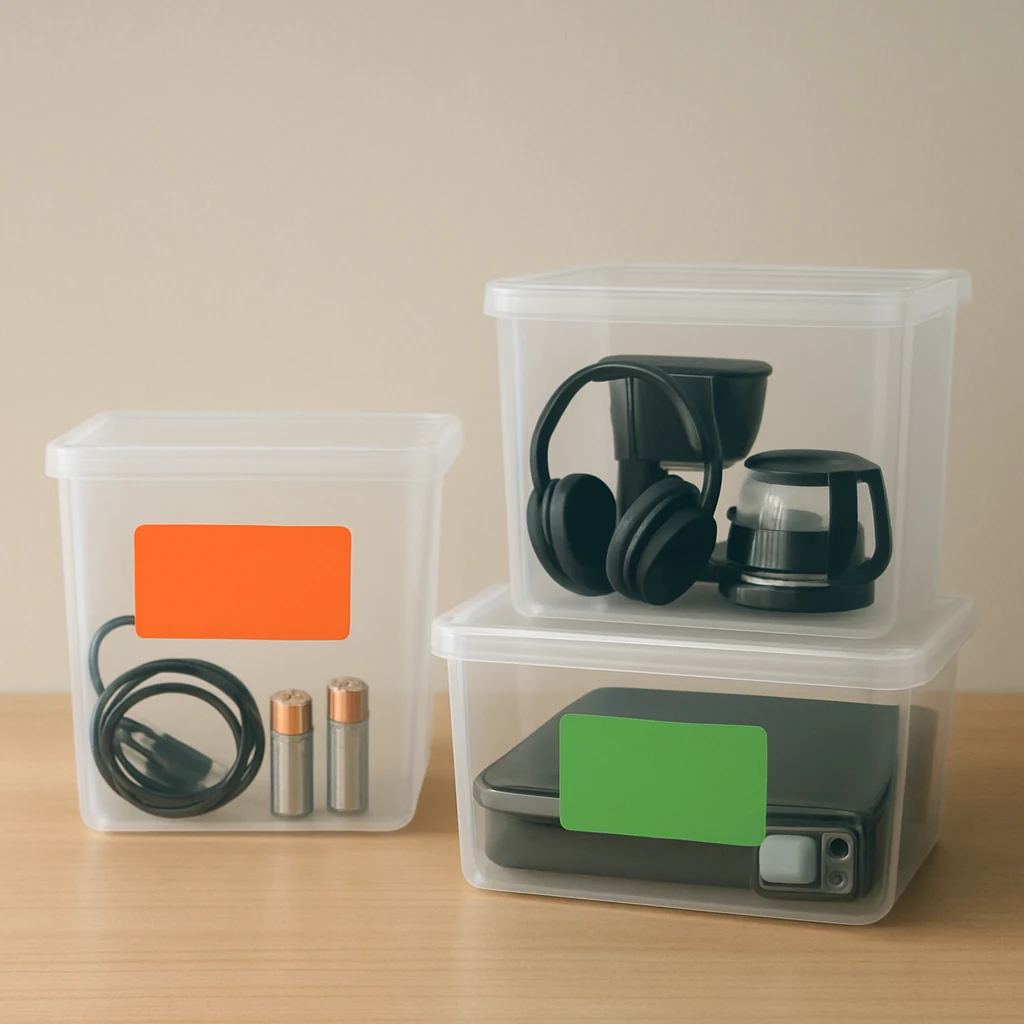
Step 1: Sort your shopping list into three “timing buckets”
Before you look for a promo code, decide what can wait. This one step saves more money than chasing coupons all year.
Bucket A: Need-it-now (buy this week) Think replacement phone charger, a printer for tomorrow, a gift you’re already late on. For these, your goal isn’t “lowest price ever”—it’s avoid overpaying while getting reliable shipping and an easy return.
Bucket B: Flexible (can wait 2–8 weeks) This is where the calendar pays off: headphones, small appliances, running shoes, office chair, cookware, smart home gear. You’re waiting for the next predictable sale wave.
Bucket C: Big-ticket or seasonal (can wait 2–6+ months) TVs, laptops, mattresses, grills, patio furniture, winter coats, air conditioners. These categories often follow seasonality and clearance cycles more than random promos.
Once your list is sorted, you’ll know when “10% off today” is worth taking—and when it’s just noise.
Step 2: Use the US retail calendar (without treating it like gospel)
You don’t need to memorize every sale. You just need to know what tends to go on sale when in the US.
January: Clearance energy + “new year” promos
Right after the holidays, retailers clear space. You’ll often see strong markdowns on leftover seasonal items and some categories tied to resolutions.
Good targets:
- home organization basics, fitness-adjacent items, winter leftovers (if you can store them)
Watch-outs:
- final-sale items with strict return rules
February: Presidents’ Day weekend (big for home)
Presidents’ Day is a classic US sale moment, especially for home-related categories.
Good targets:
- mattresses, bedding, furniture, home improvement items
Spring: “refresh” season
Retailers cycle in new models and colors. That creates opportunities on last-season inventory.
Good targets:
- vacuums, kitchen appliances, some apparel and outdoor basics
Memorial Day (late May): Summer kickoff
Memorial Day weekend is one of the big US sales weekends. You’ll see broad promos and lots of “sitewide” messaging.
Good targets:
- grills, patio/outdoor, tools, home goods
July: mid-summer sale events
Mid-summer is known for major online sales events and aggressive price competition. Even if you don’t have a membership somewhere, competitors often run parallel promos.
Good targets:
- headphones, smart home, tablets, accessories, basics you can stock up on
Back-to-school (late summer): tech and essentials
Whether you’re shopping for a student or not, back-to-school season pushes deals on practical items.
Good targets:
- laptops (especially midrange), backpacks, printers, office supplies, dorm-friendly appliances
Labor Day (early September): home + end-of-summer
Labor Day often echoes Memorial Day patterns, with an added layer of end-of-summer clearance.
Good targets:
- patio clearance, bedding, furniture, appliances
Black Friday/Cyber Monday (late November): loud, competitive, uneven
This is the biggest promo season, but not automatically the lowest price on everything. Some deals are truly great; others are “sale theater.”
Good targets:
- TVs, headphones, streaming devices, gaming accessories, small appliances
Watch-outs:
- product bundles that hide cheaper components, and items with confusing versions
Post-holiday (late December): gift-card season + cleanout
Right after Christmas, inventory shifts again. Also, many people are spending gift cards—retailers know it.
Good targets:
- winter clearance, leftover gift sets, and “last chance” colorways/styles
The point of this calendar isn’t to delay every purchase forever. It’s to give you a default plan so you’re not buying big-ticket items at the worst possible moment.
Step 3: Prep your cart before the sale starts
If you wait until the sale email hits your inbox, you’re shopping under a countdown timer—and that’s how people end up paying more (or buying the wrong version).
Here’s a calmer approach:
-
Pick your exact item now. Color, size, storage, and any must-have features.
-
Create a “ready-to-buy” cart and a “maybe later” cart. Most major retailers make it easy to save items for later.
-
Write one line next to each item:
- “Buy if it hits $___ shipped” (in USD)
- or “Buy if it’s the best price before [event/season]”
- Decide what matters more: price, delivery speed, or return flexibility.

This prep is what turns a sale from stress into a simple yes/no decision.
Step 4: Don’t let sales tax, shipping, and returns erase your “deal”
A price drop can look great until checkout. In the US, three practical factors change the real cost fast.
Sales tax: compare the out-the-door total
Sales tax varies by location and can make two “same price” items meaningfully different at checkout. If you’re comparing retailers, compare the final total after tax—not just the list price.
Shipping: watch for thresholds and delivery promises
Free shipping minimums can push you into adding stuff you didn’t plan to buy. Sometimes that’s fine (if you were going to buy those items anyway). But if you’re adding random extras just to “unlock” free shipping, you’re usually losing.
Also, during peak season, pay attention to:
- promised delivery windows (especially for gifts)
- whether the shipper is reliable for your address

Returns: check the window and the condition rules
Return policies can tighten during big sales or on certain categories (electronics, mattresses, personal care). Look for:
- return deadline (some retailers extend holiday returns; others don’t)
- restocking fees (if any)
- “final sale” flags
- whether you must keep original packaging
This matters most when you’re buying early for a future need (like a gift or a seasonal item).

Step 5: When the sale hits, run a 60-second “deal reality check”
You don’t need a spreadsheet. You need a quick routine that keeps you from buying a “discounted” item that isn’t actually a good buy.
Do this right before you click Place Order:
- Confirm it’s the same exact item you pre-selected (size, storage, generation, bundle contents).
- Check who’s selling it (retailer directly vs. third-party marketplace seller) and what that means for returns.
- Look for sneaky add-ons (warranties, subscriptions, accessories) that get pre-checked.
- Compare the shipped total (item price + shipping + sales tax), not the banner discount.
If all of that checks out—and it matches your “buy at $___ shipped” note—go for it.
Quick tips (keep these in your back pocket)
- If you’re shopping a major sale weekend, buy earlier in the day when stock is better and shipping estimates are clearer.
- For gifts, prioritize retailers with easy returns over saving a few dollars—especially if sizes/styles are uncertain.
- If an item is frequently out of stock, your best “deal” may be buying at a fair price when it’s available, instead of waiting for a discount that never comes.
- When you’re close to a free-shipping threshold, add planned essentials (paper goods, toiletries, pantry staples) rather than impulse items.
Step 6: Build your personal “next best window” plan
This is the part most people skip—and it’s why they end up shopping randomly.
For each Bucket B or C item on your list, pick the next realistic window:
- If you need it soon: aim for the next holiday weekend or weekend promo.
- If it’s seasonal: aim for end-of-season clearance (buy winter gear as winter ends, buy summer outdoor items as summer winds down).
- If it’s a big-ticket tech item: aim for major promo seasons, but be ready to buy when the exact model you want hits a good total price.
If you want a simple place to keep it all, maintain one running “Deal Calendar” note on your phone. You can also pair it with the guides on the homepage at Ofertas when you’re planning a larger purchase.
FAQs
Is Black Friday always the best time to buy online?
No. Black Friday and Cyber Monday are often great for certain categories, but it’s not universal. Some items see better pricing at other points in the year, and some “Black Friday deals” are more about urgency than value. Use the calendar to choose your best window, then judge the specific deal on its shipped total and return policy.
How early should I buy holiday gifts to still get deals?
Early enough that you’re not forced into paying for expedited shipping—and early enough that you can still return or exchange easily if needed. A good rule of thumb is to start building your gift list and “ready-to-buy” carts well before peak shipping season, then purchase when your target price hits.
What’s the best way to avoid buying the wrong version during big sales?
Decide on the exact item before the sale starts (model, size, color, storage, bundle contents), save it, and then double-check those details right before checkout. Most mistakes happen when shoppers jump between similar-looking listings under time pressure.
Do free-shipping deals actually save money?
Sometimes. Free shipping is great when it applies to something you already planned to buy. It’s not a savings win if it pushes you to add random items just to hit a threshold. Compare the final total either way.
Should I wait for a coupon code, or just buy during a seasonal sale?
If you’re buying in a strong seasonal window, the sale price is often better than a generic coupon. If you’re outside a big sale period, a coupon can help—but only if the item’s base price isn’t inflated. When in doubt, compare the shipped total and stick to your pre-set target price.
If you start with timing (your buckets + the calendar) and finish with checkout guardrails (tax, shipping, returns), you’ll save more consistently—without living in your inbox hunting for codes.
You may also be interested

Cash Back or Coupon? Keep Your Online Savings From Disappearing
Learn when to use coupons, cash-back portals, or card offers—and how to avoid tracking mistakes before Black Friday and Cyber Monday.

Open-Box and Refurbished Deals: A Smarter Way to Shop Holiday Sales
Learn how to vet open-box and refurbished deals before Black Friday, from condition and warranties to battery health, seller quality, and gift readiness.

Discounted Gift Cards: 6 Mistakes That Can Erase Your Savings
Buying discounted gift cards for holiday shopping? Avoid balance problems, refund traps, and bonus-card restrictions before locking up your money.