


The Shipping Math That Turns “Deals” Into Real Savings Online
A practical guide to comparing online deals with shipping, sales tax, returns, and delivery speed—so you save money, not just feel like you did.
You can “save” 20% and still pay more than you needed to. The reason is usually simple: shipping, sales tax, and return costs change the real total—especially during big US sales like Prime Day, Labor Day promos, Black Friday, and Cyber Monday.
This guide is about doing the quick math that makes a deal real. Not complicated spreadsheets—just the handful of checks that stop shipping and returns from quietly eating your savings.
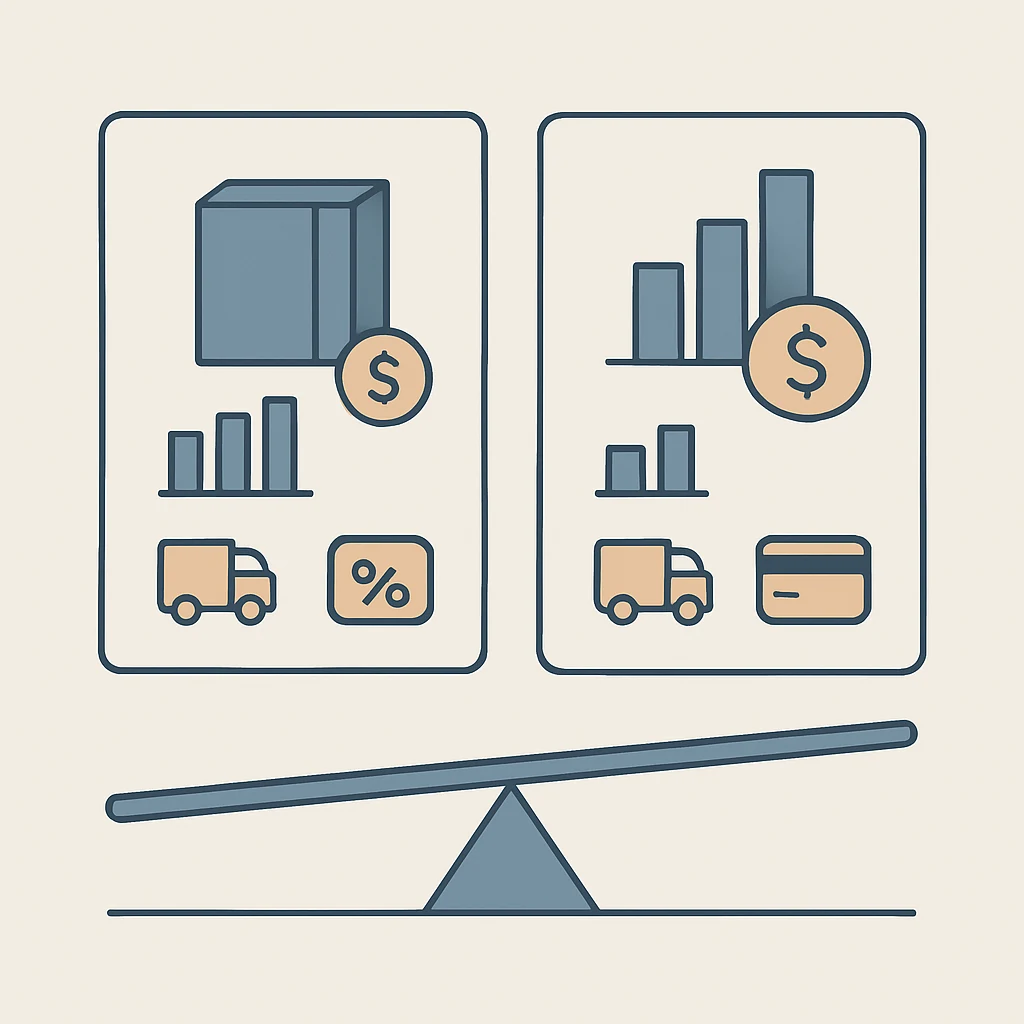
What’s the fastest way to compare two online deals (without overthinking it)?
Use an all-in total mindset: item price + shipping + estimated sales tax – any guaranteed credits. Then compare that number across stores.
If you want a simple rule: compare totals at the payment screen (right before placing the order). Product pages are where “almost deals” live.
“Do I need to calculate sales tax every time?”
Not manually. Most carts estimate it early. The key is to not ignore it when you’re comparing:
- A slightly higher item price with free shipping may beat a lower price with a shipping fee.
- Different sellers on the same marketplace can have different shipping costs and delivery speeds.
When does “free shipping” actually cost you more?
Free shipping is great—until it nudges you into spending extra to hit a threshold.
Here’s the practical question to ask:
“Am I adding things I wouldn’t buy just to unlock free shipping?”
If yes, you’re not saving—you’re subsidizing shipping with extra stuff.
A better move is to try one of these options instead:
- Split the order: buy the must-have item now, and wait to add the nice-to-have items later when you actually need them.
- Switch retailers: another store may have a slightly higher price but includes shipping with no threshold.
- Choose store pickup/curbside: many big-box retailers offer it, and it can dodge shipping fees (and sometimes reduce return hassles).
How do you price-check “fast shipping” without getting tricked?
Delivery speed is part of the price, even if it’s not listed that way.
“Should I pay for faster shipping during holiday season?”
Sometimes, yes—but make it a conscious trade.
During peak periods (think late November through December), shipping networks get busy and carrier cutoffs matter. Two practical checks:
-
Is this a gift with a real deadline? If yes, paying for faster shipping can be cheaper than a last-minute replacement.
-
Will the retailer refund shipping if it arrives late? Some do, some don’t, and policies vary. It’s worth scanning the shipping policy before upgrading.
Also watch for “fast” shipping that’s fast only on paper: a site can show a quick delivery window but take days to process the order. Look for “ships in…” language.

What’s the return policy detail that affects savings the most?
Not the number of days. It’s who pays for return shipping and whether you’ll get a full refund or store credit.
“Free returns” — what should you verify?
Three quick things:
- Return method: Is it a prepaid label, drop-off code, or you pay upfront and get reimbursed?
- Condition rules: Some categories (electronics, beauty, mattresses) can have stricter rules.
- Restocking fees: Not common everywhere, but they exist—especially for certain high-ticket items.
If you’re buying a “deal” item you might return (like clothing in multiple sizes), the best price is often the store with the easiest return flow—not the lowest sticker price.
Are bundles and “extra 10% off” promos always better?
Not always. Bundles are where retailers can hide margin because it’s harder to compare.
“How do I sanity-check a bundle quickly?”
Ask: Would I buy every item in the bundle at full price?
If not, treat the bundle like you’re buying the main item plus paid clutter. A bundle can still be worth it if it includes things you genuinely need (filters, batteries, cases, refills). But if half the bundle is filler, the per-item “discount” doesn’t matter.
If the bundle includes subscriptions or auto-ship add-ons, double-check you can cancel easily and that you’re not locked into minimum shipments.
What’s a practical way to compare across marketplaces vs brand sites?
Instead of debating “which is cheaper,” compare three totals:
- Marketplace seller total (item + shipping + tax)
- Marketplace “sold by platform” total (if available)
- Brand site total (including any welcome offers and shipping)
“Is buying direct from the brand ever cheaper?”
It can be, especially during brand-run events (end-of-season clearance, anniversary sales, back-to-school promos). Brand sites sometimes offer:
- Better warranties or support
- Easier returns
- First-time shopper discounts
But don’t assume. Many brand sites charge shipping unless you hit a threshold, and some marketplace listings ship faster.
If you want more deal strategy guides like this, start at / and pick the topic that matches what you’re shopping for.

How do coupons change the shipping math (and when do they backfire)?
Coupons are great until they:
- Exclude the item you actually want
- Only apply before tax and shipping (common)
- Require a minimum spend that forces you to overbuy
“What should I check before I chase a coupon code?”
Two things:
-
Does the coupon apply in the cart? If it doesn’t show up there, it doesn’t exist for your order.
-
Does it change shipping eligibility? Sometimes a coupon drops your subtotal below the free-shipping threshold.
A coupon that “saves” you money but triggers a shipping fee can end up being a wash.
What about subscriptions, memberships, and “free trial” shipping perks?
These can absolutely save money if you use them intentionally.
“When is a shipping membership worth it?”
If you consistently place multiple orders and the membership reduces shipping fees and improves returns convenience, it may be worth considering. But avoid signing up mid-checkout just to remove one shipping fee unless you’re confident you’ll use it.
A simple tactic: set a calendar reminder a few days before a trial ends, and keep an eye on whether the membership actually changes your shipping costs over time.
Can you reduce shipping costs without sacrificing reliability?
Yes, and it’s often about delivery strategy more than hunting codes.
“What’s the best ‘no-drama’ approach for everyday items?”
Consolidate orders when it’s natural (weekly restock items together), use store pickup when convenient, and avoid paying for speed unless there’s a deadline.
If you’re ordering something expensive, consider delivery reliability too—especially if porch theft is a concern where you live. A slightly higher total might be worth it if you can route it to a pickup location or schedule delivery.
How do big US sales seasons change what you should prioritize?
During major events (Prime Day, Black Friday/Cyber Monday, and the run-up to the holidays), the main shift is that inventory and delivery windows move faster than prices.
“Should I wait for Black Friday for everything?”
Not for everything. Waiting makes sense for items that historically get promo attention (tech accessories, small appliances, seasonal goods). But if you need something now—or you want to lock in a return window for gifting—buying earlier can be smarter.
A practical holiday move: check whether the retailer has an extended return window for the season, because that can turn a slightly higher price into a better overall deal if you’re gifting.

Quick FAQ: the little questions that save real money
“Is it ever worth paying shipping to buy from a smaller retailer?”
If the item is unique, quality is better, or customer service/returns are clearly stronger, yes. Just compare all-in totals and read the return policy first.
“Do I need to worry about package protection add-ons?”
Treat them like optional insurance. If it’s automatically selected, decide intentionally—don’t just accept it because it’s there.
“What’s the easiest way to avoid surprise costs at checkout?”
Get to the cart early, enter your ZIP code, and look for shipping options and return terms before you invest time comparing.
One actionable move to do today
Pick one item you plan to buy soon and run a two-tab checkout test: open two retailers, add the item, and compare the final totals (price + shipping + estimated sales tax) plus the return terms. Do that once, and you’ll start spotting “real deals” instantly—without needing to chase every promo.
You may also be interested

Cash Back or Coupon? Keep Your Online Savings From Disappearing
Learn when to use coupons, cash-back portals, or card offers—and how to avoid tracking mistakes before Black Friday and Cyber Monday.

Open-Box and Refurbished Deals: A Smarter Way to Shop Holiday Sales
Learn how to vet open-box and refurbished deals before Black Friday, from condition and warranties to battery health, seller quality, and gift readiness.

Discounted Gift Cards: 6 Mistakes That Can Erase Your Savings
Buying discounted gift cards for holiday shopping? Avoid balance problems, refund traps, and bonus-card restrictions before locking up your money.