


The Checkout Stack: How to Combine Coupons, Cashback & Rewards
A practical US guide to stacking promo codes, cashback portals, card offers, and shipping perks—without breaking your discount at checkout.
Online shopping discounts often fail for one simple reason: you try to use everything at once, and the checkout quietly cancels your best perk. The fix is a “checkout stack”—a repeatable order for combining savings so you keep the discount that matters most.

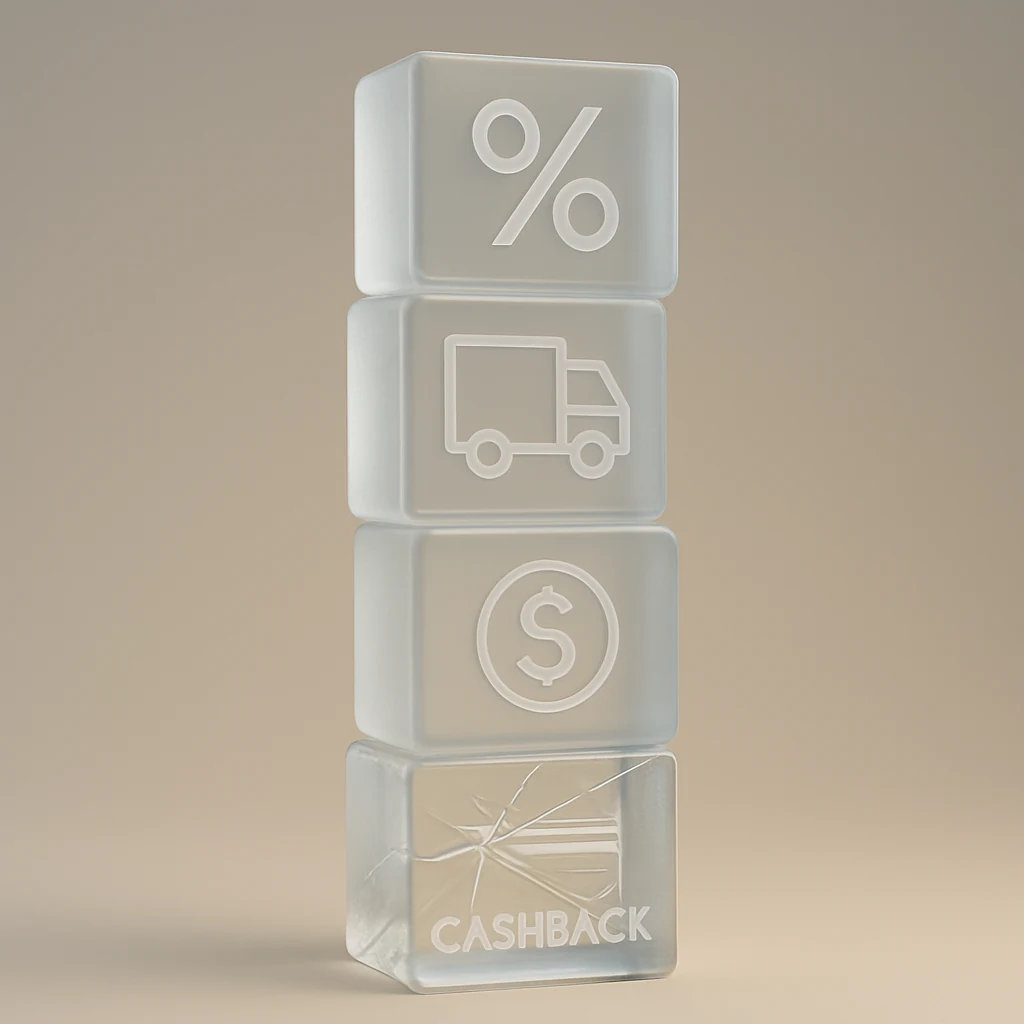
The Checkout Stack (in the order that usually works best)
1) Start with the right base price (because everything stacks on top of it)
Before you chase promo codes, make sure the item itself is the best version of the deal. In the US, the same product can show up under multiple listings with different prices, sellers, shipping costs, and return terms.
Why it matters: cashback and rewards typically apply to your final eligible subtotal. If you start from an inflated price, you’ll do a lot of work for a so-so result.
When to use: always—especially during major events like Black Friday/Cyber Monday, Presidents’ Day sales, Memorial Day sales, and back-to-school promos when retailers flood search results with near-duplicates.
Practical move: check the exact item (size, color, bundle contents), then confirm who fulfills it and what the return window looks like.
2) Choose your “anchor discount” (promo code vs. instant deal vs. card offer)
At checkout, you usually get one dominant discount category that determines the biggest drop:
- A promo code (percentage off, fixed dollars off, or category discount)
- An automatic price drop (sitewide sale, lightning deal, member price)
- A targeted offer (credit card merchant offer, emailed code, app-only deal)
Why it matters: many retailers treat these as mutually exclusive. If you apply a code, you might lose a card-linked offer. If you click through a cashback portal, you might invalidate certain coupons.
When to use: when there’s more than one “headline” deal available. Pick the one most likely to survive the full checkout.
Rule of thumb: if the promo code is strong and clearly intended for your category, build the rest of your stack around it. If the price is already deeply discounted, prioritize options that don’t interfere (like free shipping perks or a card offer that triggers automatically).

3) Add shipping savings before you optimize anything else
Shipping is one of the easiest places to lose money because it doesn’t feel like “price,” but it’s still out-of-pocket. In the US, shipping can also change return behavior (paid return shipping, restocking fees, or only store credit).
Why it matters: free shipping thresholds can be manipulated (sometimes in your favor, sometimes not). Also, if you add filler items to hit free shipping, you may increase sales tax or complicate returns.
When to use: especially on low-to-mid priced items where shipping is a big percentage of the cart.
What to do:
- Compare delivery options (standard vs. expedited) and watch for “free with minimum” thresholds.
- Consider store pickup or curbside pickup if offered—often a clean way to avoid shipping fees.
- Check if a membership benefit (like a retailer’s loyalty program) unlocks free shipping without forcing a bigger cart.
4) Decide on cashback last—and treat it as “fragile”
Cashback portals and browser extensions are popular because they feel effortless. But they’re also the easiest perk to accidentally break.
Why it matters: cashback usually tracks via cookies and referral links. If you open too many tabs, apply an excluded coupon, switch devices, or pay with certain methods, tracking can fail.
When to use: when your anchor discount is already locked in and you can keep the checkout clean.
A clean approach: build your cart first, then start a fresh session—click through your chosen cashback portal, add the item(s) to cart again if needed, and complete checkout without extra detours.
One thing many shoppers miss: using “non-approved” coupon codes (even if they work) can cause cashback to be declined later. If cashback is meaningful to you, favor retailer-advertised codes or portal-listed codes.
5) Use credit card offers and rewards strategically (not automatically)
Credit card savings come in a few flavors: points/miles, rotating bonus categories, and merchant-specific offers you must activate. These can be powerful, but they can also conflict with other discounts.
Why it matters: paying with a digital wallet, buy now pay later service, or store financing can change how the transaction codes—sometimes affecting whether an offer triggers.
When to use: when you have a known offer tied to that retailer or when the purchase is large enough that rewards meaningfully beat a small promo code.
Practical checks:
- Make sure the offer is activated (if required) before you buy.
- Confirm the payment method won’t reroute the transaction through a third party (which can break merchant offers and even cashback tracking).
6) Be careful with “stack breakers” (gift cards, BNPL, and some coupons)
These are common ways a great cart turns into a mediocre one.
Why it matters: gift cards can reduce the amount charged to your credit card (shrinking rewards and sometimes affecting offer thresholds). Buy now pay later may appear as a different merchant on your statement, which can break card-linked offers and cashback.
When to use: when the gift card was already discounted (so you’re effectively pre-saving) or when cash flow matters more than maximizing rewards.
If you’re trying to stack aggressively, consider using the discounted gift card approach as your anchor discount and don’t expect everything else to layer on top.
A simple “safe stack” you can repeat
If you want one reliable pattern that avoids most headaches, use this order:
- Lock the best base price and confirm shipping/returns
- Apply your strongest eligible promo code (or stick with the automatic sale price)
- Only then click through a cashback portal and check out in a clean session
- Pay with the card that has an activated offer or the best rewards for that purchase
That’s it. It’s not every possible trick—it’s the repeatable version that works often enough to be worth your time.
Quick tips (small moves that prevent big checkout disappointments)
Treat these as “guardrails” when you’re stacking deals:
- Screenshot the final checkout page showing subtotal, shipping, and the applied promo code.
- Watch for fine print like “excludes sale items” or “new customers only.”
- Don’t add impulse add-ons just to hit free shipping unless you’d buy them anyway.
- If a coupon extension tries multiple codes, it can interfere with cashback tracking—use it before you commit to a portal.
- If you care about easy returns, prioritize retailers with painless return labels and clear windows—even if the discount is slightly smaller.
Where sales tax fits in (and why it changes the “best deal”)
In most states, sales tax is calculated on the taxable subtotal after certain discounts, but the rules can vary. The practical takeaway: two “same price” deals can land differently at checkout depending on whether the discount is applied as a promo code, a store credit, or a rebate-style cashback.
Don’t try to game the tax math—just make sure you compare final totals (item price + shipping + estimated sales tax) when you’re choosing between retailers.
Don’t forget the boring parts: returns, warranties, and price adjustments
A stacked deal isn’t a deal if you’re stuck with a hassle later.
- Returns: check whether returns are free, whether you’ll get a refund or store credit, and if there are restocking fees.
- Warranties: for electronics and appliances, compare the manufacturer warranty versus any third-party plan. Sometimes the cheapest listing is cheap because support is weaker.
- Price adjustments: some retailers will match their own price drops within a window; others won’t. If price drops are common in your category, it can be worth choosing a retailer with a clear policy.
If you want more shopping strategies beyond stacking, you can browse the latest guides and deal tools at the site home page: /.

FAQs about stacking coupons, cashback, and rewards (US)
Can I use a promo code and cashback at the same time?
Sometimes, yes—but it depends on the retailer and the specific code. Retailer-issued codes are more likely to play nicely with cashback. Random codes from coupon sites may work at checkout yet still cause cashback to be denied later.
Why did my cashback show as “$0” or never track?
Common causes include ad blockers, blocked cookies, switching devices, opening other coupon links mid-checkout, using certain payment methods, or applying an excluded promo code. A clean checkout session improves your odds.
Is it better to pay with a discounted gift card or a rewards credit card?
It depends on which gives you the bigger guaranteed savings. A discounted gift card is usually a sure discount upfront, while rewards depend on how your card categories and offers apply. Also remember gift cards can reduce the amount eligible for points and card offers.
Do free shipping thresholds ever cost you money?
Yes. If you add items you don’t truly want to hit “free shipping,” you can pay more overall and complicate returns. Compare the total with paid shipping versus a larger cart.
Should I use buy now pay later during big sales like Black Friday?
Only if it’s the priority. BNPL can interfere with cashback tracking and merchant-specific card offers, and returns/refunds can be more complicated because multiple payments may be involved.
If you adopt the checkout stack mindset—pick an anchor discount, protect shipping savings, treat cashback as fragile, and pay with intention—you’ll stop “almost saving” and start seeing consistent wins.
You may also be interested

Cash Back or Coupon? Keep Your Online Savings From Disappearing
Learn when to use coupons, cash-back portals, or card offers—and how to avoid tracking mistakes before Black Friday and Cyber Monday.

Open-Box and Refurbished Deals: A Smarter Way to Shop Holiday Sales
Learn how to vet open-box and refurbished deals before Black Friday, from condition and warranties to battery health, seller quality, and gift readiness.

Discounted Gift Cards: 6 Mistakes That Can Erase Your Savings
Buying discounted gift cards for holiday shopping? Avoid balance problems, refund traps, and bonus-card restrictions before locking up your money.