


The Checkout Stack: How to Combine Coupons, Cashback & Gift Cards
A practical US guide to stacking online savings—coupons, cashback portals, gift cards, and card offers—without breaking returns or missing rewards.
Stacking savings is where “pretty good deal” turns into “why didn’t I always do this?”—but only if you stack in the right order. Online checkout can be picky: one wrong click and your cashback doesn’t track, your coupon won’t apply, or a return gets messy.
This guide is a US-focused, practical way to build a “checkout stack” using coupons, cashback, discounted gift cards, and credit card offers—especially during big moments like Back-to-School, Prime Day-style events, and Black Friday/Cyber Monday.
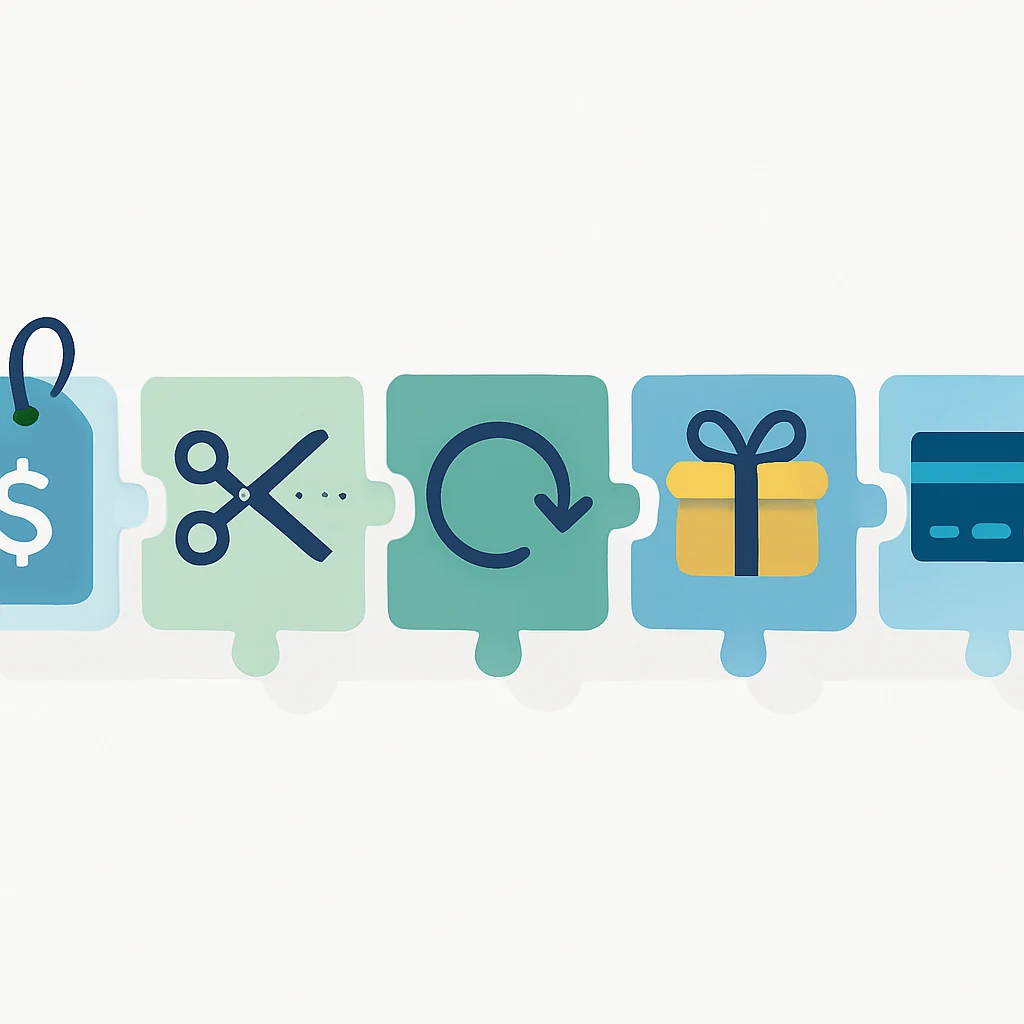
The Checkout Stack (prioritized): what to do first, and when it matters
1) Start with the real price baseline (before you chase “extra” savings)
A stack only helps if the base price is already competitive. Some retailers raise list prices right before a promo, or they’ll advertise a “sale” that’s basically the everyday price.
Why it works: every other discount you apply (coupon, cashback, gift card) usually sits on top of the starting price. If that starting point is inflated, the stack looks better than it actually is.
When to use: always—especially around major sale seasons (Memorial Day, Labor Day, Black Friday/Cyber Monday) when pricing can move fast.
A practical move: open two tabs—one for the retailer you want, one for a major competitor—and compare the final price you can realistically get (including shipping and sales tax where applicable).
2) Pick the retailer path that matches your “risk tolerance” (returns, warranty, support)
Before stacking anything, decide where you’re buying:
- A big marketplace listing can be cheaper, but the seller and return process may vary.
- A brand site can have better warranty handling, student/teacher discounts, or member pricing.
Why it works: stacks can backfire when the return policy is strict, return shipping is on you, or the warranty is limited. If you’re buying something return-prone (shoes, apparel, fit-dependent items), the “cheapest” stack isn’t always the best.
When to use: any time the item is expensive, size-sensitive, or intended as a gift (holiday season returns are their own situation).
If you want more general deal-hunting basics, start from the site home and branch out: visit the homepage.

3) Choose the coupon strategy first (because coupons can block other perks)
Coupons are usually the most visible lever, but they can come with the most exclusions. Some codes only apply to certain categories, new customers, or minimum spend levels. Others won’t combine with “auto-applied” promos or member pricing.
Why it works: knowing whether a coupon is truly usable determines your entire stack. There’s no point optimizing cashback if the code won’t apply—or if applying it voids your cashback.
When to use: when the coupon is meaningful and legitimate (from the retailer, a known affiliate partner, or your own account offers). Be cautious with random “coupon code” sites that recycle expired codes.
What to check before you commit:
- Does the code exclude the brand or category you’re buying?
- Does it require a minimum cart total (before tax, after tax, after shipping)?
- Does it apply to sale items, or only full-price?
4) Then pick a cashback route (portal OR app OR extension—don’t mix mindlessly)
Cashback is powerful, but it’s also fragile. Tracking can fail if you jump between tabs, apply certain coupons, or use aggressive ad blockers.
Why it works: when cashback tracks properly, it’s “invisible savings” that doesn’t change your receipt price but still lowers your net cost.
When to use: when you’re confident you’ll keep the item (since returns often reverse cashback), and when the purchase is large enough to make the effort worthwhile.
A clean process usually looks like this: start from the cashback portal (or your chosen app), click through to the retailer, then check out in one uninterrupted session.
Important note: some cashback terms exclude gift card purchases, subscriptions, and certain electronics or luxury brands. Always skim the terms before buying.
5) Add discounted gift cards only when you’re sure about the retailer
Buying a retailer gift card at a discount (or using gift cards you already have) is one of the simplest “stack layers.” It can lower your out-of-pocket cost regardless of coupon eligibility.
Why it works: gift cards are essentially a payment method discount. If you can buy a $X gift card for slightly less than $X (or earn rewards on the purchase), you’re saving before you even check out.
When to use: best for retailers you already use and trust—especially when you’re buying a non-returnable item or something you’re confident you’ll keep.
Be careful here: paying with a gift card sometimes changes return outcomes. Many stores refund to the original payment method—meaning you might get store credit back rather than cash back to your card.
6) Layer in credit card offers last (and verify the “trigger”)
Your credit card might offer statement credits, category bonuses, or merchant-linked offers. These can stack with coupons and cashback, but only if you follow the offer rules.
Why it works: card offers are often “set and forget” savings—once activated, they apply automatically if the charge matches.
When to use: when the purchase will clearly code as the correct merchant (brand site vs marketplace can matter), and you can meet any minimum spend without padding the cart.
One common gotcha: third-party payment buttons. If you check out through a wallet or “express pay” option, the charge descriptor can sometimes differ from the merchant name, which may affect whether the offer triggers.
7) Do a final “checkout reality check” (sales tax, shipping, returns)
This is the moment that keeps a stack from turning into a headache.
Why it works: your real total is what hits your card after shipping and sales tax. And if you might return, you need to know what you’re actually getting back.
When to use: always, but especially for items that are bulky, time-sensitive, or giftable.
Before you click “Place Order,” confirm:
- Shipping cost and estimated delivery date (especially around holidays)
- Sales tax added at checkout (varies by state and sometimes by locality)
- Return window and who pays return shipping

The easiest stacking order (use this when you don’t want to overthink it)
When you want a repeatable routine, use this mental sequence:
- Confirm the best base price you can reasonably get.
- Apply a valid coupon (if it doesn’t kill other benefits).
- Activate cashback and click through once.
- Pay with discounted gift card(s) if you’re confident.
- Use an activated card offer on the remaining balance.
If any step introduces doubt—like unclear return rules or questionable coupon sources—simplify. A clean deal you understand beats a messy stack you can’t unwind.
Quick tips (small things that prevent most stacking fails)
- Take a screenshot of your cashback activation/terms before checkout if the purchase is significant.
- Avoid opening multiple coupon extensions at once; pick one approach.
- If cashback matters, don’t switch devices mid-checkout.
- For gifts, consider whether you want refunds back to a gift card or to your original payment method.
When NOT to stack (yes, sometimes less is more)
Stacking isn’t always the right move. Skip the complicated stack when:
- You’re likely to return the item (cashback reversals and gift-card refunds can be annoying).
- The coupon terms are vague or the code source feels sketchy.
- The purchase is time-sensitive (like last-minute holiday shipping) and you’d rather buy from the most reliable fulfillment option.
- You’re buying something with a strict warranty/authorized seller requirement.
Sometimes the best “deal” is paying a few dollars more to avoid a return fight later.

Seasonal hooks: when stacking tends to work best in the US
Stacking becomes easier when retailers expect deal behavior and publish clear promos.
Back-to-School is great for basics and gear, but watch for brand exclusions on tech.
Black Friday/Cyber Monday is the stacking Super Bowl—just remember that some “doorbuster” style offers may block coupons, and return windows can differ.
Holiday gifting season rewards clean logistics: reliable shipping timelines, gift receipts, and hassle-free returns can matter more than squeezing every last layer.
FAQs
Does using a coupon cancel cashback?
Sometimes. It depends on the cashback provider’s terms and whether the coupon is considered “unauthorized.” Coupons from the retailer itself are more likely to be compatible than random third-party codes. Always check the cashback terms for that store before you buy.
If I pay with a gift card, can I still earn cashback?
Often yes, but not always. Cashback is typically based on the transaction tracked through the portal and may apply to the purchase total excluding tax and shipping. Some programs also exclude gift card redemption or certain payment methods. Read the store’s cashback terms.
What happens to my stack if I return the item?
Common outcomes in the US:
- Cashback may be reversed after the return processes.
- Coupon savings usually aren’t “refunded” separately; you get back what you paid.
- If you paid with gift cards, your refund may come back as store credit or to a gift card.
If returns are likely, keep the stack simple and prioritize retailers with straightforward returns.
Is it better to stack on a marketplace or the brand’s site?
It depends on what you value. Brand sites can be better for warranty support and member pricing; marketplaces can be convenient for shipping and easy returns, but seller differences matter. Choose the path that matches your comfort level for support and returns.
How do I avoid missing a limited-time price drop while stacking?
Build the stack components first (coupon ready, cashback account logged in, payment method ready), then check out in one focused session. During peak sale days, waiting too long can mean the price changes or the item goes out of stock.
The takeaway
A good checkout stack isn’t about doing everything—it’s about doing the right things in the right order. Start with a solid base price, choose a retailer you trust, then layer coupon → cashback → payment method savings while keeping returns and sales tax in mind. That’s how online deals turn into real savings you actually keep.
You may also be interested

Cash Back or Coupon? Keep Your Online Savings From Disappearing
Learn when to use coupons, cash-back portals, or card offers—and how to avoid tracking mistakes before Black Friday and Cyber Monday.

Open-Box and Refurbished Deals: A Smarter Way to Shop Holiday Sales
Learn how to vet open-box and refurbished deals before Black Friday, from condition and warranties to battery health, seller quality, and gift readiness.

Discounted Gift Cards: 6 Mistakes That Can Erase Your Savings
Buying discounted gift cards for holiday shopping? Avoid balance problems, refund traps, and bonus-card restrictions before locking up your money.