

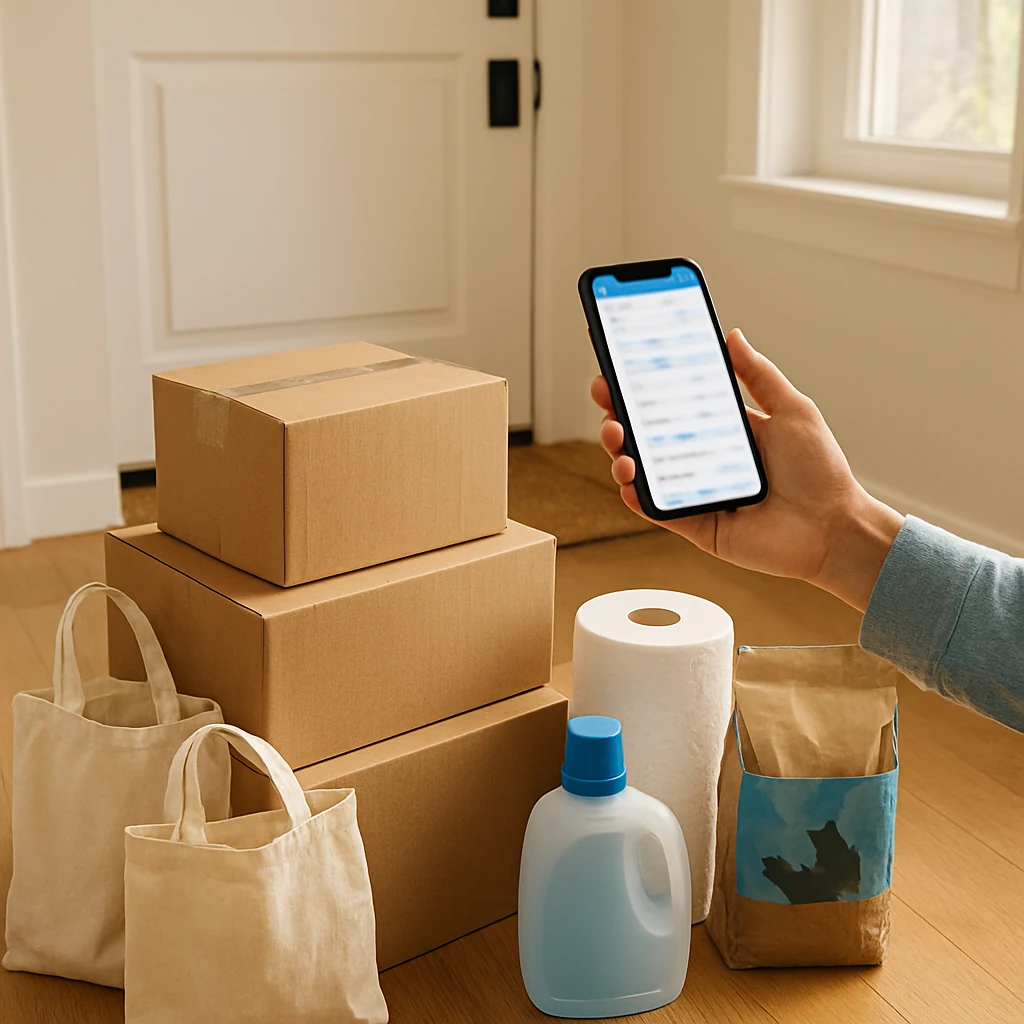
Subscribe & Save in the US: Real Savings Without the “Locked-In” Trap
A practical US guide to Subscribe & Save, auto-delivery, and reorder deals—how to stack savings, avoid price jumps, and cancel without stress.
Auto-delivery discounts (often called Subscribe & Save) can be one of the easiest ways to lower your online shopping total—especially for the stuff you buy on autopilot anyway: paper goods, pet supplies, coffee pods, vitamins, cleaning products, pantry staples.
The catch is that the “deal” isn’t always the deal you think you’re getting. Prices can move, items can ship sooner than you expected, and the best discounts are sometimes tied to conditions that aren’t obvious at checkout.
This guide is a practical, US-focused way to use subscriptions for real savings—without ending up with a closet full of detergent and regret.
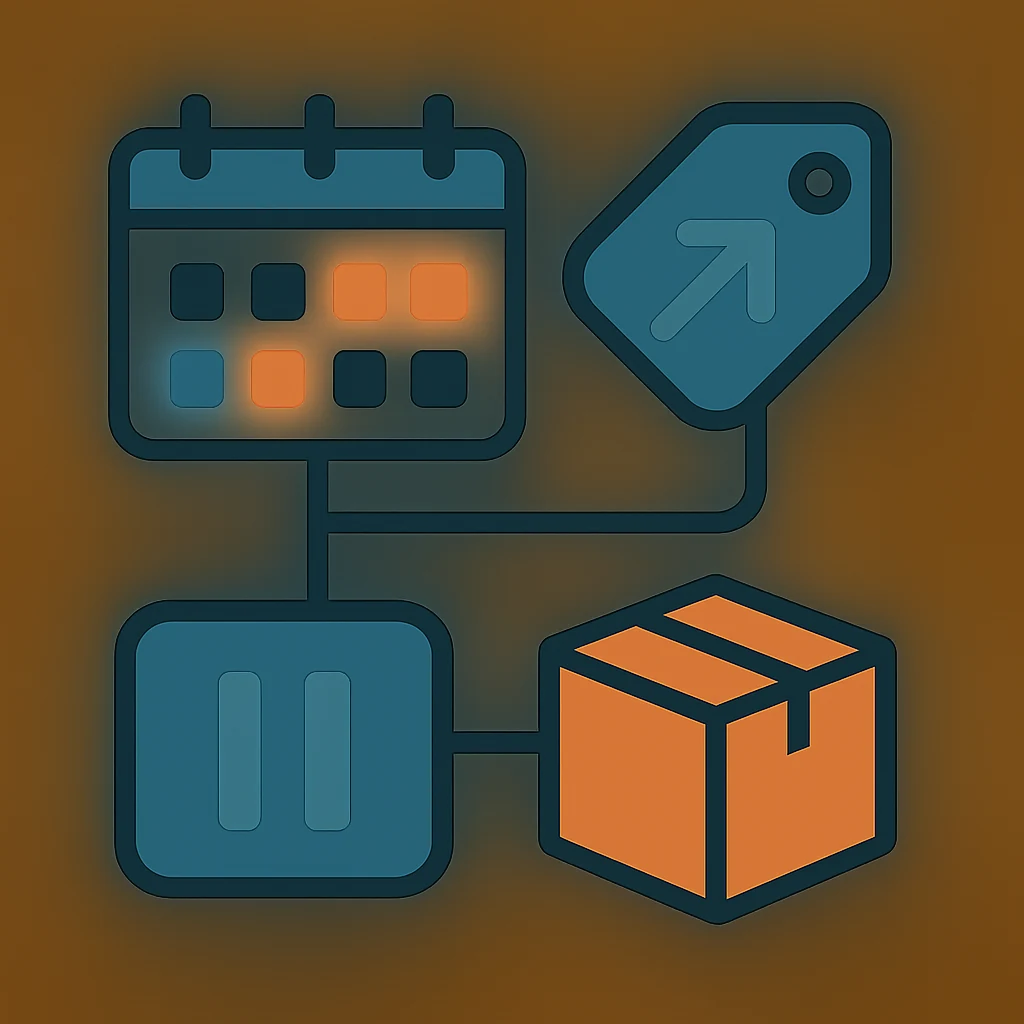
What counts as “Subscribe & Save” (and why it’s different from just reordering)
Most big US retailers and marketplaces now have some version of auto-delivery: you pick an item, choose a frequency, and the store ships it on a schedule. You might see it for household goods, groceries, personal care, and pet items.
The key difference vs. a normal reorder is that subscription pricing can be dynamic. That means:
- The price may be based on the item’s current price when it ships (not when you first clicked “subscribe”).
- Any discount may apply only under certain conditions (like having multiple subscriptions in the same delivery).
- Subscriptions may interact differently with coupons, promo codes, rewards, and free shipping thresholds.
If you treat subscriptions like a set-it-and-forget-it “always cheaper” button, you’ll miss the point. If you treat them like a flexible tool you can pause, skip, or cancel, they get powerful.
Does Subscribe & Save actually save money?
Yes—when you control three things: price, timing, and quantity.
Savings tend to be most reliable when you subscribe to items that are:
- Non-perishable or slow to expire (trash bags, dish soap, pet litter)
- Consistent in brand/formula (your specific shampoo, a certain dog food)
- Painful to run out of (diapers, contact lens solution)
Where subscriptions get messy is when items are volatile (coffee, supplements, some pantry staples) or when you’re testing a new product.
FAQ: “If the subscription price can change, is it even worth it?”
It can be—because the subscription is still useful as a reorder system plus an occasional discount. Think of it like a standing reminder that you can edit anytime. The win comes from checking the upcoming shipment price and making a quick yes/no decision.
How do I avoid the classic “subscription trap”?
The trap is usually one of these: you forget it’s on, the price jumps, or the delivery cadence doesn’t match your real-life usage.
Here’s the practical fix: build a 60-second routine.
A day you already remember (like the first weekend of the month) is perfect. Open your subscriptions and do three checks:
- Next shipment date: skip if your pantry is still full.
- Next shipment price: compare with the item’s current one-time price and at least one other retailer.
- Quantity: drop from multi-packs to singles when you’re just “topping off.”
That’s it. You don’t need a spreadsheet to beat most subscription mistakes.

When is the best time of year to start (or reset) subscriptions?
US deal calendars matter here because subscriptions often ride on top of normal sale cycles.
If you’re setting up subscriptions for the first time, strong moments are when retailers are already discounting essentials:
- Prime Day-style mid-summer events (great for household restocks)
- Back-to-school season (snacks, paper goods, basics)
- Black Friday/Cyber Monday (bigger carts, lots of promos, easy to compare pricing)
- January “reset” season (health/fitness categories can be noisy—double-check the math)
The point isn’t that subscriptions are magically better on those dates. It’s that you’re more likely to get:
- a lower base price,
- better stacking opportunities (store promos + manufacturer coupons), and
- free shipping without having to add filler.
FAQ: “Should I wait for Black Friday to subscribe to essentials?”
If you’re running low, don’t wait. But if you’re stocking up anyway, Black Friday/Cyber Monday can be a smart time to start or reprice subscriptions because it’s easier to verify what a “normal” price is across multiple sites.
Can I stack subscription discounts with coupons, rewards, and free shipping?
Sometimes, yes—but stacking rules vary by retailer. In the US you’ll commonly see combinations like:
- a subscription discount + an on-page coupon (clipped at checkout)
- subscription + store rewards (points/credits)
- subscription + free shipping threshold (especially if you bundle multiple items)
What’s less consistent is promo codes: some apply, some don’t, and some only work for one-time purchases.
The simplest way to avoid surprises is to run a quick comparison before you place the order:
- Check the one-time price vs. subscription price.
- Add shipping (if any) and remember sales tax can change by state and sometimes by item category.
- Compare the final totals in your cart—not just the per-item badge.
If you want a deeper framework for checking whether a discount is real (not just labeled as one), it helps to keep a baseline approach in mind when you browse deals on the web—start at the homepage and work outward: visit the main deals hub.
What items should not be on subscription?
You’ll save more stress by keeping subscriptions boring.
Items that often cause problems:
- Fast-changing preferences (snacks, new skincare you’re testing)
- Items with many variants (flavors, sizes, “new packaging” that quietly changes)
- Anything that expires quickly (unless you’re very consistent)
- Products you return often (subscriptions and returns can be fine, but you’re increasing friction)
FAQ: “Are subscription items returnable?”
Usually yes, but “usually” isn’t a strategy. Check the product page for the exact return policy, especially for:
- personal care,
- ingestibles/supplements,
- clearance items, and
- marketplace sellers (third-party shipping and returns can differ).
Also consider the hassle cost: even with free returns, you’re still spending time packing, dropping off, and waiting for a refund.
How do I keep control if the retailer changes the price or replaces the item?
Two moves keep you in control:
First: make sure your account settings send you shipment emails or app notifications. If your inbox is a mess, route them to a “Subscriptions” folder so you actually see the “Upcoming shipment” message.
Second: treat substitutions and “new version” changes as a reason to pause. Sometimes a listing changes packaging or counts per pack, and your cost per use shifts.
FAQ: “What if the item is out of stock—do I lose my discount?”
It depends. Some retailers skip that shipment, some delay it, and some cancel the subscription line item. The practical move is to keep a backup option bookmarked (another brand or another retailer) so you’re not forced into a bad price just because you’re out.
A simple “subscription cart” strategy that beats impulse buying
If you want subscriptions to reduce spending (not increase it), separate your shopping into two buckets:
Bucket A: The boring essentials that you’d buy anyway.
Bucket B: The fun stuff you’re tempted to add because you’re already in the cart.
Build subscriptions only for Bucket A. Then, when you’re shopping for Bucket B, you can compare deals without the pressure of “Well, I’m already placing an order.”
If you do nothing else, do this: keep your subscription deliveries on a single day window (whenever the retailer allows). It makes it easier to review, consolidate shipping, and avoid small extra orders that tack on shipping costs or push you into unnecessary add-ons.
Quick Q&A: the awkward details people don’t mention
“Will I pay sales tax on subscription orders?” Yes, sales tax rules generally apply the same way as one-time purchases, based on your state/local rules and what you’re buying. Always compare checkout totals, not just sticker prices.
“Can I cancel right after the first discounted shipment?” Often you can, but policies differ. Some retailers let you cancel anytime; others have timing cutoffs before the next ship date. Read the cancellation language before you rely on it.
“Is it better to subscribe to one item or many?” Many programs reward bigger subscription bundles, but only do it with items you truly use. A bigger discount isn’t a deal if it triggers overbuying.
“Should I subscribe from marketplace sellers?” Be cautious. Marketplace listings can be great—or unpredictable. Pay attention to who ships it, the return terms, and whether the listing details stay consistent.
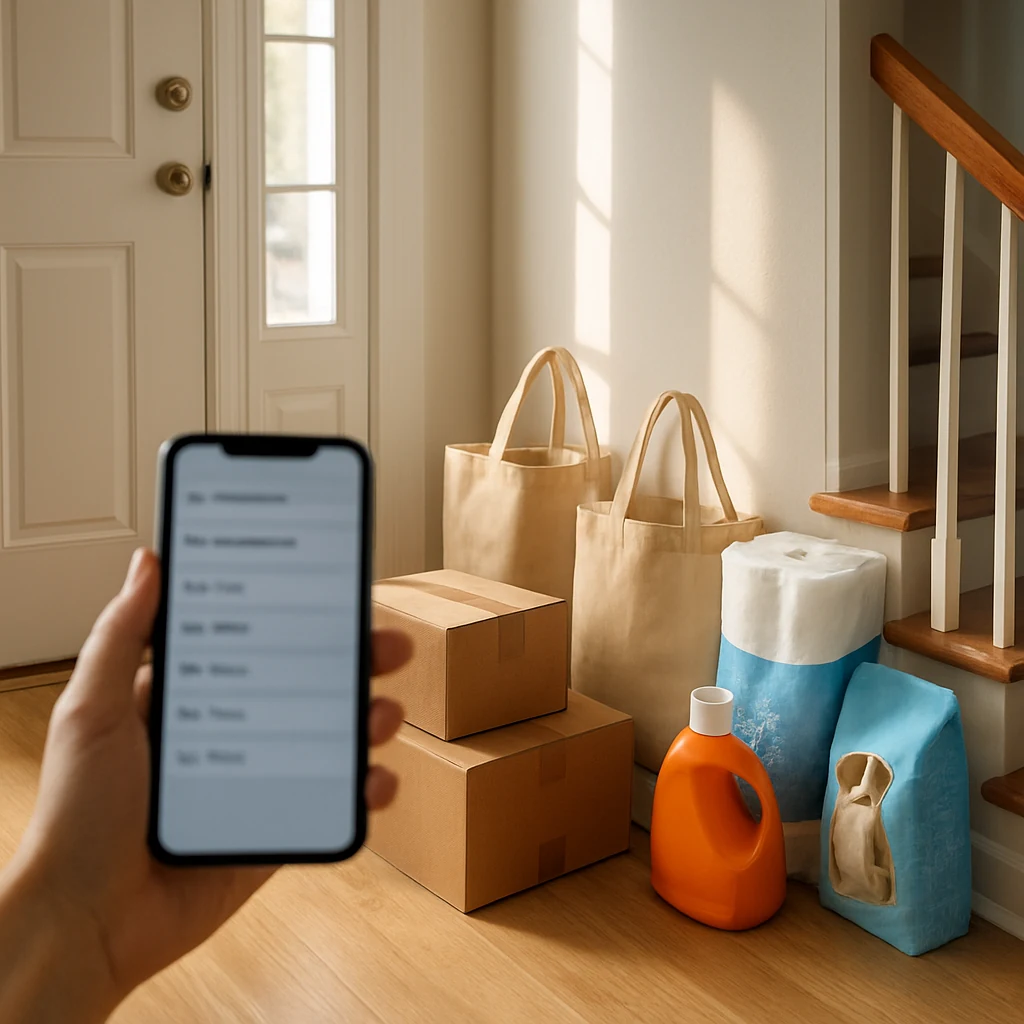
The 5-minute action plan (do this today)
Pick one category you buy constantly (paper towels, dog food, coffee, diapers). Set up a single subscription for that one item, then immediately:
- set the delivery frequency conservatively (longer than you think),
- turn on shipment notifications,
- add a calendar reminder to review it monthly, and
- bookmark one alternate retailer/product as a backup.
That’s the sweet spot: you get the convenience and the potential discount, but you stay in control of price, shipping, and timing.
You may also be interested

Cash Back or Coupon? Keep Your Online Savings From Disappearing
Learn when to use coupons, cash-back portals, or card offers—and how to avoid tracking mistakes before Black Friday and Cyber Monday.

Open-Box and Refurbished Deals: A Smarter Way to Shop Holiday Sales
Learn how to vet open-box and refurbished deals before Black Friday, from condition and warranties to battery health, seller quality, and gift readiness.

Discounted Gift Cards: 6 Mistakes That Can Erase Your Savings
Buying discounted gift cards for holiday shopping? Avoid balance problems, refund traps, and bonus-card restrictions before locking up your money.