


Stop Falling for Fake Online Deals: 9 Pricing Tricks to Outsmart
Learn the most common “deal” traps online shoppers hit in the US—and how to verify real savings before you click Buy Now.
Some “deals” are real. A lot are just good-looking numbers.
If you’ve ever seen a product marked down 40%, only to find it’s basically the same price everywhere (or it quietly costs more once you add shipping, sales tax, or accessories), you’re not alone. Online pricing is fast, dynamic, and sometimes… creative.
This guide is built around the most common mistakes US online shoppers make when hunting bargains—plus simple ways to avoid them so you can tell a genuine discount from a dressed-up regular price.
Mistake #1: Trusting the “was $X” price without checking reality
Retailers can show a “list price,” “MSRP,” or crossed-out price that makes the discount look dramatic. Sometimes it reflects a real historical price. Sometimes it’s just a reference point that doesn’t match what shoppers actually paid.
What to do instead: treat the “was” price as marketing until you confirm it.
Check the price in at least two places:
- Compare with the same item at another major retailer (same model number, same size/color).
- Look up recent price history (many price-tracking tools and browser extensions show it, especially for big marketplaces).
- Verify you’re not comparing a slightly different version (2025 vs 2026 model, different storage size, bundle vs standalone).
This matters most during big US sale moments—Prime Day, Black Friday/Cyber Monday, and “early Black Friday” promos—when pages are built to move fast.
Mistake #2: Comparing the wrong product (bundles, model numbers, and “store-only” variants)
One letter in a model number can change everything. Retailers also love exclusive bundles (“includes case + charger”) or store-specific versions that make price comparisons harder.
What to do instead: compare like-for-like before you call it a deal.
A quick sanity check:
- Match the exact model number (not just the product name).
- Confirm key specs (storage, RAM, screen size, wattage, material).
- For bundles, price out the add-ons separately. Sometimes the “bundle discount” is just full price with extras you didn’t want.
If you can’t find the exact version elsewhere, that’s a yellow flag—not an automatic no, but you should lean on price history and return policy more heavily.
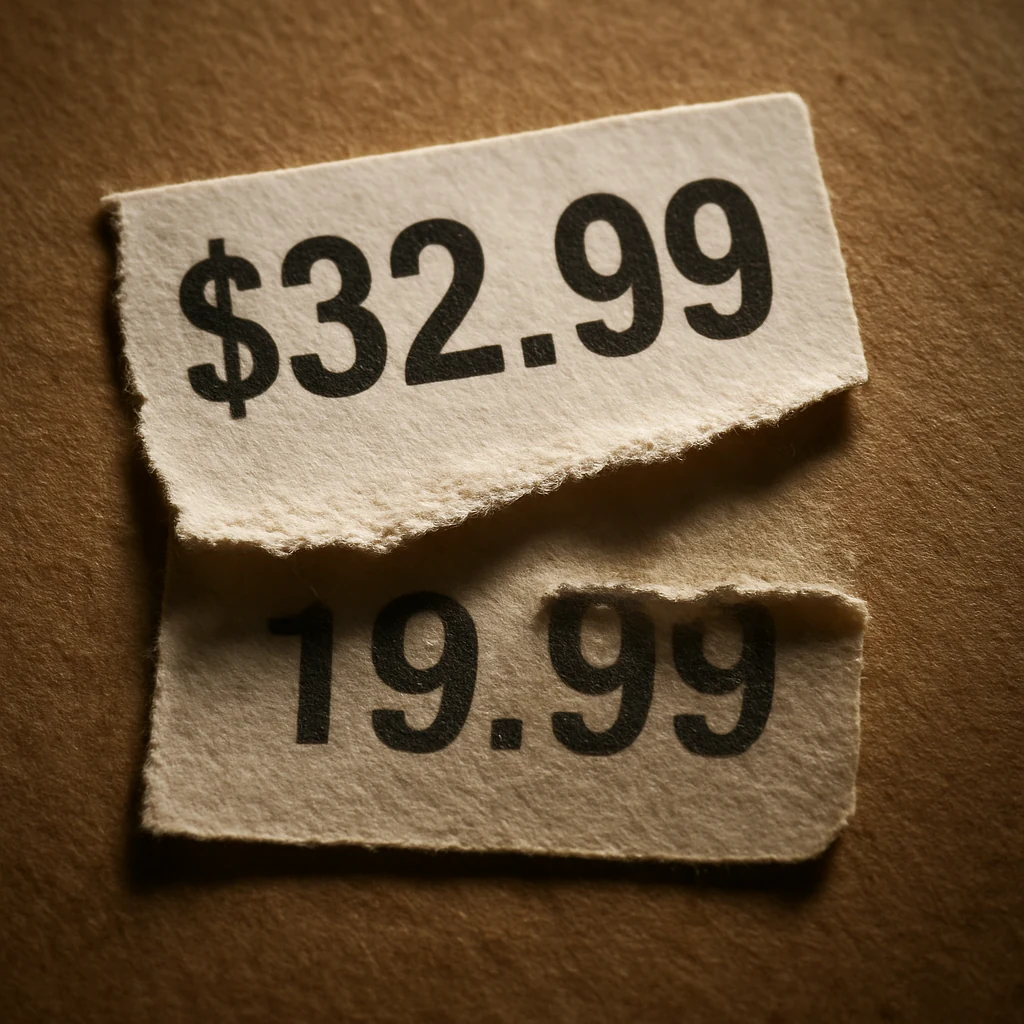
Mistake #3: Ignoring the delivered price (sales tax, shipping, and fees)
A cart total can change fast once sales tax and shipping show up. And if you’re buying from a third-party seller on a marketplace, shipping can be the whole profit model.
What to do instead: judge the deal by the delivered price to your address.
Two easy habits:
- Add it to cart and go to the final checkout step (before you place the order) to see shipping, estimated delivery, and taxes.
- If you’re comparing retailers, compare delivered totals—not just the item price.
Also watch for “free shipping” that’s only free after a minimum spend. If you add filler items to hit the threshold, you may erase the savings.
Mistake #4: Falling for the countdown timer (and buying before you’re ready)
Flash deals, lightning deals, and “only 12 left!” banners are designed to rush you. Sometimes inventory is truly low. Often, the urgency is just part of the page.
What to do instead: pause long enough to do a 60-second verification.
Ask:
- Is this a product you planned to buy anyway?
- Does the return window cover you if it arrives late or doesn’t fit?
- Is the discount meaningful compared to normal pricing (not MSRP)?
During major sale seasons in the US (July deal events, back-to-school in August, and BFCM in November), urgency is everywhere. Your edge is slowing down slightly.
Mistake #5: Forgetting that returns are part of the price
A “cheap” deal can become expensive if returning it is a hassle. Online return policies vary by retailer, category, and seller—and they can change during holiday periods.
What to do instead: check the return terms before you buy.
Look for:
- Return window length (especially around holidays—some stores extend it, others don’t).
- Who pays return shipping.
- Restocking fees (common in certain categories).
- Final-sale language on clearance items.
If the return policy is strict, you should demand a better discount to compensate for the risk.

Mistake #6: Buying the “cheapest” option from a sketchy seller
Marketplaces can mix listings from the brand, the retailer, and third-party sellers. The lowest price can come with slow shipping, missing accessories, different warranty coverage, or complicated returns.
What to do instead: evaluate the seller as part of the deal.
A good rule: if the price is way lower than every major retailer, assume there’s a reason and go looking for it—condition notes, compatibility issues, international version, or a seller with weak support.
If you do buy from a third-party seller, take screenshots of the listing, condition, and return terms. It’s boring—until you need it.
Mistake #7: Missing the “better deal” hiding in plain sight (auto-apply promos, subscribe & save, pickup)
Sometimes shoppers over-focus on coupon codes and miss simpler discounts:
- Auto-applied promos at checkout (no code needed)
- Subscribe-and-save pricing (useful if you can cancel easily and the terms are clear)
- Store pickup vs shipped (can reduce shipping costs or speed delivery)
- Sign-in pricing or targeted offers in your account
What to do instead: do a quick checkout simulation.
Don’t place the order blindly, but click through until you can see the final discount lines. If the best discount requires a subscription or membership, read the terms and decide if the math still works.
Mistake #8: Assuming the first “coupon” you find is the best one
Coupon sites and browser popups are hit-or-miss. Some codes are expired. Some only work on full-price items. Some exclude the exact brands you want.
What to do instead: focus on reliability, not just volume.
Try this approach:
- Test one or two reputable coupon sources (not ten).
- Check whether the retailer is already running a sitewide sale—codes often won’t stack.
- If a code fails, don’t keep adding random codes; it can waste time and sometimes complicate checkout.
If you want a more complete saving system (without getting lost in the weeds), you can build a simple workflow and keep it bookmarked from the homepage at /.

Mistake #9: Not watching prices long enough to know what “good” looks like
A true deal is relative to normal pricing. If you only look at today’s price, you’re guessing.
What to do instead: use a “watch window” based on the item.
For everyday essentials, you can often learn the pattern quickly—prices cycle. For big-ticket items (TVs, laptops, appliances), it’s worth watching longer, especially around predictable US sale peaks (President’s Day, Memorial Day, Labor Day, Black Friday/Cyber Monday).
Even a short watch period helps you avoid paying a “sale” price that’s actually the standard price.
Quick tips you can use today
When you’re about to hit Place Order, run this fast filter:
- Match the model number (or assume comparisons are unreliable).
- Check delivered total (item + shipping + sales tax).
- Scan return terms (window, fees, who pays return shipping).
- Cross-check one other retailer (or a price history tool).
It takes a minute. It can save you a return headache—or paying full price with a discount label.
FAQs
Do prices change if I browse in incognito mode?
Sometimes people notice differences, but it’s not a guaranteed “hack.” What is common is pricing that varies by seller, inventory, region, or active promotions tied to an account. If you’re unsure, compare while signed out and signed in, and focus on the delivered total.
Is “MSRP” the same as the regular price?
Not necessarily. MSRP is a suggested price. The price that matters is what the item typically sells for at major retailers (and what it sold for recently).
Should I wait for Black Friday for everything?
Not always. Black Friday/Cyber Monday can be excellent for certain categories, but deal quality varies. If you need something now, a real discount today (verified by delivered total and price history) can beat waiting for a maybe.
How do I avoid buying the wrong version of a product?
Get used to hunting for model numbers and key specs. If a listing title looks generic (“New 4K TV!”) but the model number is hard to find, slow down. The best deals are still bad deals if you end up with the wrong item.
What’s one sign a deal is risky?
When the discount looks huge but the listing is vague: unclear model number, unclear condition, messy return terms, or a third-party seller with limited support. Big savings should come with clear details.
If you want, tell me what you’re shopping for (category + rough budget in USD + when you need it), and I can suggest which of these checks matters most for that type of purchase—without turning it into a time-consuming spreadsheet.
You may also be interested

Cash Back or Coupon? Keep Your Online Savings From Disappearing
Learn when to use coupons, cash-back portals, or card offers—and how to avoid tracking mistakes before Black Friday and Cyber Monday.

Open-Box and Refurbished Deals: A Smarter Way to Shop Holiday Sales
Learn how to vet open-box and refurbished deals before Black Friday, from condition and warranties to battery health, seller quality, and gift readiness.

Discounted Gift Cards: 6 Mistakes That Can Erase Your Savings
Buying discounted gift cards for holiday shopping? Avoid balance problems, refund traps, and bonus-card restrictions before locking up your money.