


Open-Box & Refurb Deals Online: Save Big Without the Headache
A practical guide to buying open-box, refurbished, and used online in the US—what to check, when it’s worth it, and when to skip.
Most “online deals” talk about coupon codes and flash sales. But one of the most reliable ways to save—especially when prices don’t budge during peak seasons—is simply changing the condition you’re willing to buy.
Open-box, refurbished, and “used – like new” listings can cut the cost without waiting for Black Friday or a random lightning deal. The trade-off is that you have to shop more intentionally: warranty rules change, accessories go missing, and return policies vary a lot.
This guide is about making those trade-offs on purpose—so you save money and avoid the headache.
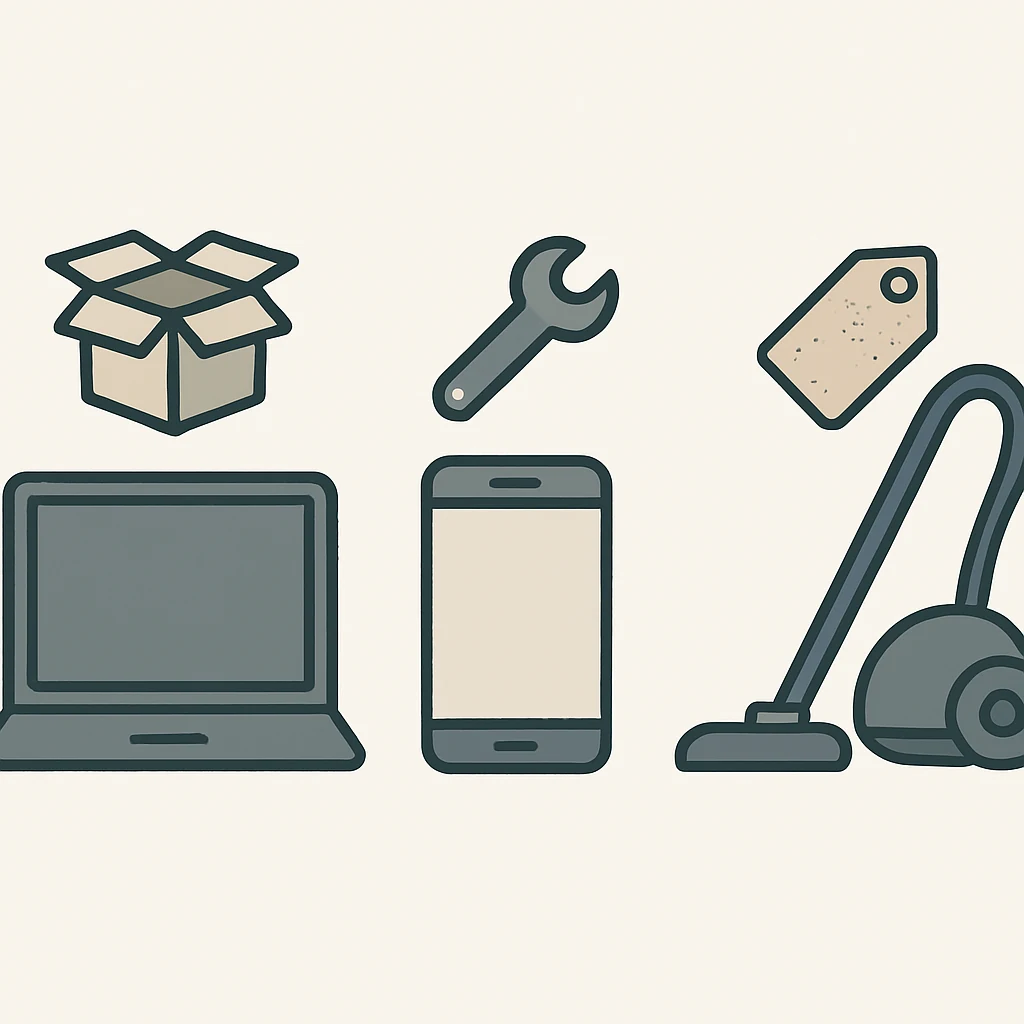
First, the labels: open-box vs refurbished vs used
These terms get tossed around, but they’re not interchangeable.
Open-box usually means someone bought it, opened it, and returned it quickly. Sometimes it was a display model. The item might be perfect; it might also be missing a cable or have cosmetic scuffs. The big question is whether it was tested and how the seller grades it.
Refurbished should mean the item was inspected, tested, and brought back to a known working standard. In the US, the safest version is manufacturer refurbished (or “certified refurbished”), because the maker is typically the one setting the process and backing it with a warranty.
Used is the widest bucket. It can be a careful one-owner item—or a gamble. If you’re buying “used,” the seller matters as much as the product.
A quick reality check: even when the sticker price is lower, you may still pay sales tax, and shipping can swing the total. Always compare totals in the cart before you decide you “found a deal.”
Case #1: You want a laptop for school—do you chase the sale or the refurb?
Say you’re shopping for a laptop in late summer (classic back-to-school season). New models may not be deeply discounted yet, and “doorbuster” deals can be limited, noisy, and full of weird configurations.
Here’s the trade-off that often matters more than the headline price: return window + warranty + battery health.
A manufacturer-certified refurbished laptop can be a calmer purchase than a random “new” deal from a third-party marketplace seller. Why?
- You’re more likely to get a clear warranty statement (and a real support channel).
- The device is typically tested, and you’ll usually see a defined grade/condition.
- Returns are often more straightforward than a marketplace dispute.
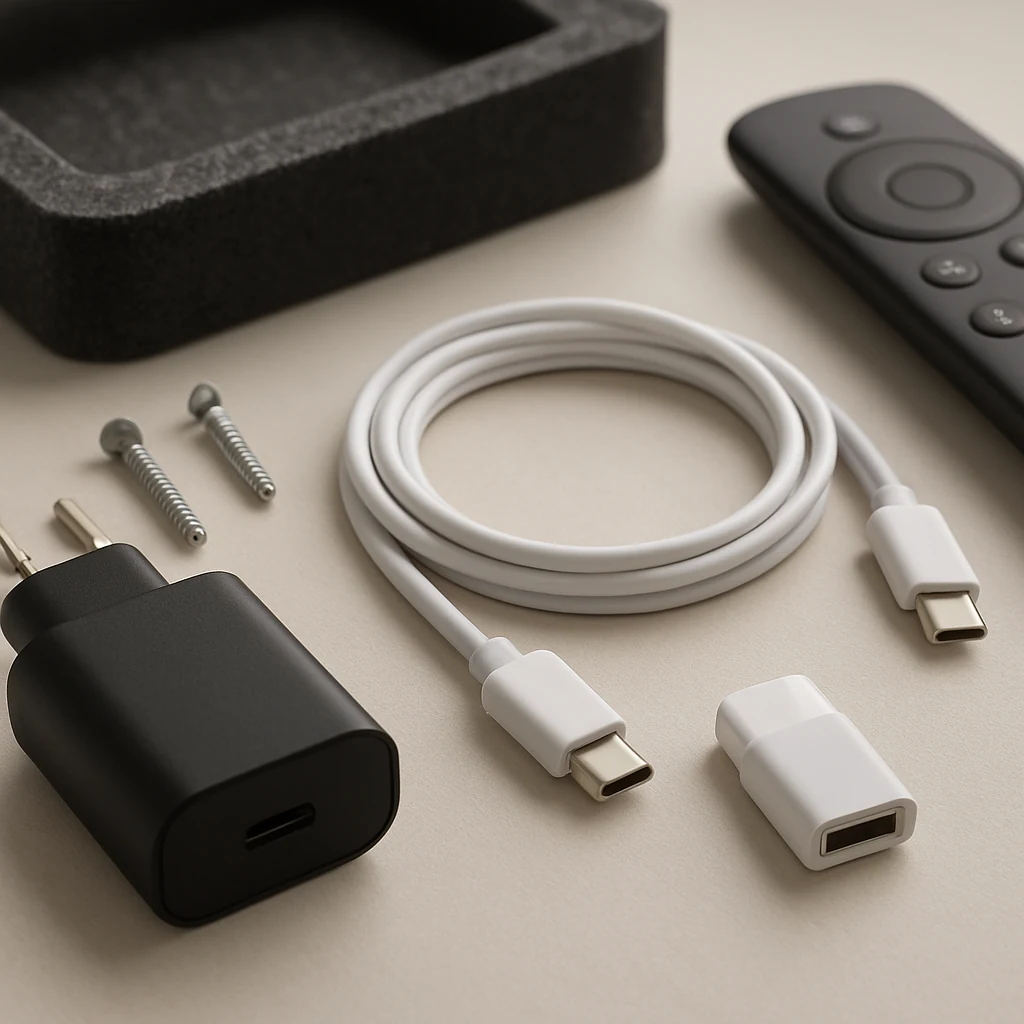
Where shoppers get burned is buying “open-box” laptops that are missing the original charger or have a different keyboard layout than expected. That’s not always a deal-breaker—but it changes the math.
If the open-box listing doesn’t explicitly confirm the right charger is included, assume you might need to buy one. And if you’ll need expedited shipping to get it in time for the semester, bake that into the comparison. “Savings” disappear fast when you add accessories and rush shipping.
Case #2: A small appliance “deal” that becomes a return nightmare
Small appliances (air fryers, espresso machines, vacuums) are some of the most tempting open-box categories because returns are common. People buy, try once, and send it back.
The upside: you can sometimes snag a nearly-new item.
The downside: hygiene and completeness. If you’re buying open-box, you’re buying someone else’s unboxing experience—and sometimes their missing parts.
Here’s how the trade-off usually plays out:
- If the item has consumables or washable parts, you’ll want to confirm what’s included and what can be replaced cheaply.
- If it relies on a specialty attachment (vacuum head, espresso portafilter, proprietary filters), missing parts can erase the discount.
- If the return policy requires you to ship it back and you don’t have the original box, returns can become a project.
This is where it helps to look past the product page and read the boring bits: return policy timing, who pays return shipping, and whether the seller charges restocking fees.
A practical approach: for appliances, open-box is best when you have a local return option (like returning to a store) or a clearly stated “free returns” policy. Otherwise, the risk of paying to ship a bulky item back can outweigh the savings.
Case #3: Buying a phone—refurb makes sense, but only with the right checks
Phones are a prime refurbished category in the US because trade-ins are everywhere. But the hidden risk is that “refurbished” doesn’t always mean the same thing across sellers.
Two trade-offs matter most:
- Activation/compatibility (unlocked vs carrier-specific)
If you’re switching carriers or using an MVNO, “unlocked” isn’t a detail—it’s the whole game. Make sure the listing is explicit, and be wary of vague language like “for GSM networks.” In the US, network compatibility can be messy, and returns can be a hassle if you activate, then discover issues.
- Battery condition
A refurbished phone that works perfectly but has a tired battery isn’t a great deal if you’ll pay for a battery replacement quickly. Some sellers state battery health; many don’t.
This is one category where buying from a manufacturer refurb store or a well-known refurb platform can reduce uncertainty. You might pay a bit more than a random marketplace listing, but you’re often buying a more predictable experience: clearer grading, consistent packaging, and a defined warranty.

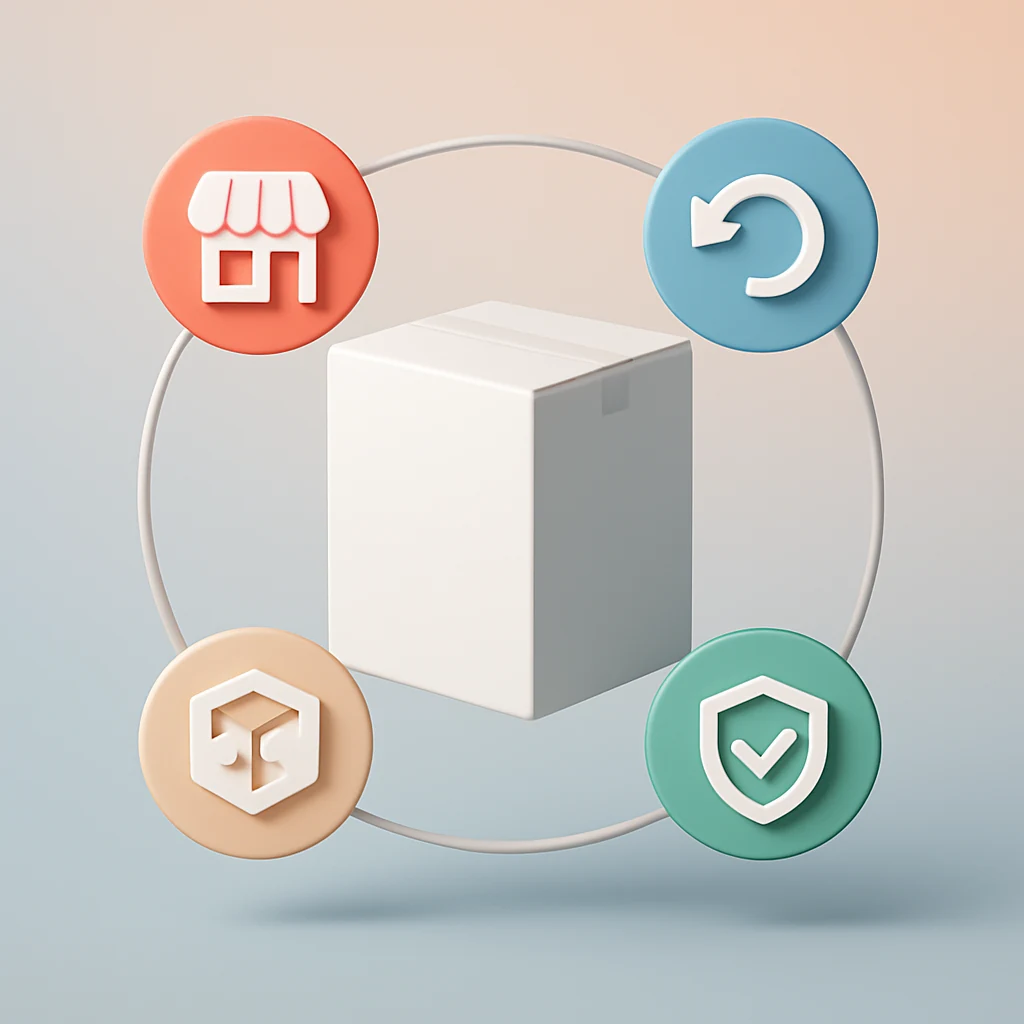
The “safe savings” checklist (4 questions)
Use this quick set of questions before you click Buy. It’s short on purpose—these are the checks that actually prevent regret.
- Who is the seller, really? (Manufacturer, big-box retailer, certified refurb platform, or an unknown third party?)
- What’s the return window and who pays return shipping? (Especially for bulky items.)
- What’s included in the box? (Cables, chargers, remotes, stands, adapters—anything proprietary.)
- What’s the warranty in plain English? (Length, who services it, and whether it starts at purchase or original sale.)
If you can’t answer at least three of these from the listing, it’s not a deal—it’s a dice roll.
Where open-box/refurb shines (and where it doesn’t)
Open-box and refurbished buying is strongest when the product is:
- Durable and easy to test quickly (monitors, routers, keyboards, tools)
- Not hygiene-sensitive (avoid used personal-care items unless you’re fully comfortable)
- Easy to verify completeness (a TV stand missing screws is annoying; a camera missing a battery is a deal-breaker)
It’s weaker when:
- The item has high return shipping costs and no easy local return
- Condition grading is vague (“good” with no notes)
- The seller is hard to reach or the warranty is unclear
And one more US-specific wrinkle: some “final sale” sections look like deals but restrict returns heavily. That’s fine if you’re 100% sure—but if you’re experimenting (new brand, new size, new model), a slightly higher price with easy returns can be the real savings.
Timing: when to look for these deals in the US
Unlike holiday sales, open-box and refurbished inventory is less about a single day and more about shopping rhythms.
You’ll often see more open-box stock:
- Right after major sales events (Black Friday/Cyber Monday and big mid-year promos), when return volumes rise
- After product launches, when people upgrade and send last year’s model back
- In January, when gift returns flood retailer systems
The key is to treat it like inventory, not a coupon: the “deal” appears when someone returns the exact model you want.
If you want to make this a repeatable habit, build one simple routine: keep a short list of exact model names, and check reputable open-box/refurb sections when you’re already price-checking elsewhere. If you need a broader shopping home base, start at the blog hub at / and work outward from there.
FAQs
Is “refurbished” always better than “open-box”?
Not always. A true open-box item can be basically new. Refurbished can be excellent—or it can be a vague label used by a third-party seller. Choose based on the seller’s testing, warranty, and return policy, not the word itself.
Should I buy an extended warranty on open-box/refurb items?
Sometimes it makes sense, especially for expensive electronics or appliances where repairs are costly. But it only helps if you understand what it covers and who services claims. If the base warranty is already solid and the return window is generous, you may not need it.
What about sales tax, shipping, and “handling” fees?
Treat those as part of the price, period. Compare totals in the cart. A lower item price with higher shipping (or paid return shipping) can be more expensive than buying new.
How do I avoid counterfeit or swapped items?
Stick to manufacturer stores, major retailers, and established refurb platforms when possible. On marketplaces, check seller ratings, read recent reviews, and look for listings with clear photos, serial/IMEI transparency where appropriate, and a straightforward return path.
The move to make today
Pick one category you’ll intentionally buy open-box/refurb this month (a monitor, a router, a small tool—something easy to test). Then run the four-question checklist above before you buy. If the listing can’t answer those basics, skip it and keep shopping. That one habit saves more money over a year than chasing random coupon codes ever will.
You may also be interested

Cash Back or Coupon? Keep Your Online Savings From Disappearing
Learn when to use coupons, cash-back portals, or card offers—and how to avoid tracking mistakes before Black Friday and Cyber Monday.

Open-Box and Refurbished Deals: A Smarter Way to Shop Holiday Sales
Learn how to vet open-box and refurbished deals before Black Friday, from condition and warranties to battery health, seller quality, and gift readiness.

Discounted Gift Cards: 6 Mistakes That Can Erase Your Savings
Buying discounted gift cards for holiday shopping? Avoid balance problems, refund traps, and bonus-card restrictions before locking up your money.