

Marketplace vs Brand Site: 9 Online Deal Mistakes to Avoid
Before you click “Buy,” avoid these common marketplace vs brand-site deal mistakes that raise your total cost—shipping, returns, warranties, and more.
A “better deal” online isn’t just the lowest item price. It’s the lowest total cost with the least hassle: shipping, sales tax, return rules, warranties, and whether you’ll actually get what you think you’re buying.
One of the easiest ways to accidentally overpay is picking the wrong place to buy—especially when the same product shows up on a brand’s website and on marketplaces like Amazon, Walmart Marketplace, Target Plus, or eBay. Here are the most common mistakes shoppers make (and how to avoid them) when deciding between marketplace listings and buying direct.

Mistake #1: Comparing only the sticker price (and ignoring the “real” total)
Marketplace listings can look cheaper until you hit checkout. Or the brand site looks expensive until you notice a promo threshold or free shipping.
What to do instead: do a quick, consistent “apples-to-apples” check.
- Add the item to cart (don’t buy yet)
- Confirm shipping cost and delivery speed
- Confirm sales tax is included in your total
- Check if a promo code applies after shipping is added
A $49.99 listing can quietly become $62+ once shipping, tax, and a “handling” fee show up, while a $54.00 direct price might include free shipping and easier returns.
Mistake #2: Assuming “Sold by” doesn’t matter on marketplaces
On marketplaces, the platform is not always the seller. That “Ships from” Ofertas “Sold by” line is the difference between a smooth purchase and a support headache.
Common ways this goes wrong:
- You think you’re buying from the retailer, but it’s a third‑party seller.
- You assume the marketplace return policy applies, but the seller sets stricter rules.
- You expect manufacturer support, but the item is gray-market or not authorized.
What to do instead: before you buy, find the seller details and ask yourself: if something arrives damaged or missing, who is responsible and how fast do they respond?
If you’re buying something high-risk—electronics, beauty, kids’ items, anything with a serial number—favor “sold and shipped by” the main retailer or the brand when possible.
Mistake #3: Overlooking return shipping and restocking fees
“Free returns” is not a universal promise, and return labels don’t always mean “free.” Some sellers deduct the return shipping from your refund. Others charge restocking fees, especially on larger items.
Buying direct can be better or worse here. Brand sites sometimes have:
- shorter return windows
- store credit refunds instead of money back
- return shipping fees unless the item is defective
What to do instead: check the return policy for that exact seller and look for three specifics: return window, who pays return shipping, and refund method.
If you’re unsure about sizing (shoes, jeans, formalwear), an easier return policy can be worth paying a few dollars more upfront.
Mistake #4: Treating warranties and support as identical everywhere
A big hidden difference between marketplace and direct: who stands behind the purchase.
Some brands make warranty claims easier when you buy directly from them or from authorized retailers. With third‑party marketplace sellers, you might end up stuck in a loop: the seller says “contact the brand,” and the brand says “we can’t verify the seller.”
What to do instead: for products where warranty matters (headphones, small appliances, smart home gear), look for warranty wording on the product page. If it’s vague, check the manufacturer’s warranty terms and “authorized seller” language.
If you’re buying refurbished or “open-box,” confirm what warranty comes with it—and who provides it.
Mistake #5: Falling for bundle math (multi-packs that aren’t actually cheaper)
Bundles and multi-packs are a classic online deal trap. The unit price is what matters, not the big “value pack” label.
This shows up a lot with:
- skincare and supplements
- printer ink and paper
- pantry staples
- razor cartridges
What to do instead: do a 10‑second unit check: price per ounce, per count, or per refill. A “2-pack deal” can cost more per unit than two singles—especially when one listing has inflated shipping or a higher sales tax base due to shipping being taxable in some states.
Mistake #6: Assuming delivery dates are equally reliable
Marketplaces can show optimistic delivery estimates that depend on a third‑party seller shipping fast. Brand sites can be slower during big peaks (think Black Friday weekend, Cyber Monday, or the week before Christmas), but they may be more consistent about backorders.
What to do instead: if timing matters (a gift, a trip, a replacement part), look for language like “in stock,” “ships in X business days,” or “preorder.” If the estimate is vague, consider paying for a more reliable fulfillment option.
Also: if you’re shopping during peak shipping season, a slightly higher price from a seller with dependable fulfillment can be the actual deal.
Mistake #7: Missing “new customer” perks on brand sites
Marketplaces win on convenience, but brand sites often try hard to win first-time buyers with:
- new-customer promo codes
- welcome discounts for email/SMS sign-up
- free shipping thresholds
- free gifts with purchase
What to do instead: if it’s your first time buying from a brand, check whether there’s a legit first-order offer. Then compare totals including the offer and shipping.
A practical rule: for a brand you plan to buy from more than once, your first purchase direct might be the cheapest you’ll ever get—because those welcome offers don’t always come back.
Mistake #8: Letting “Buy Now” bypass coupon and cash-back checks
Marketplaces make it easy to one-click your way past savings. Brand sites can do the same with express pay buttons.
What to do instead: pause for 60 seconds before payment and check your “stack” options:
- Is there a valid coupon code field?
- Is a cash-back portal offering a rate today?
- Would a store credit card or PayPal offer a targeted promo?
You don’t need to chase every stack. The point is to not skip the easy wins because you were already mentally done shopping.
If you want a simple routine you’ll actually stick to, build a short pre-checkout habit and keep it consistent. (If you’re new to smarter online shopping, start at the guides on the homepage: / )
Mistake #9: Ignoring authenticity risk on “too good to be true” listings
This one isn’t about paranoia—it’s about patterns. If a listing is dramatically cheaper than everywhere else and the seller is unfamiliar, your risk goes up.
Common categories where this bites shoppers:
- premium skincare and fragrance
- high-demand sneakers and streetwear
- branded batteries and memory cards
- “new” name-brand items with generic photos
What to do instead: if authenticity matters, buy direct or from well-known authorized retailers. If you do use a marketplace, stick to reputable sellers with clear return policies and realistic pricing.
A real deal usually has some explanation: seasonal sale, clearance, open-box, refurbished, last year’s model. A mystery discount is often where the trouble starts.
Quick tips you can use today
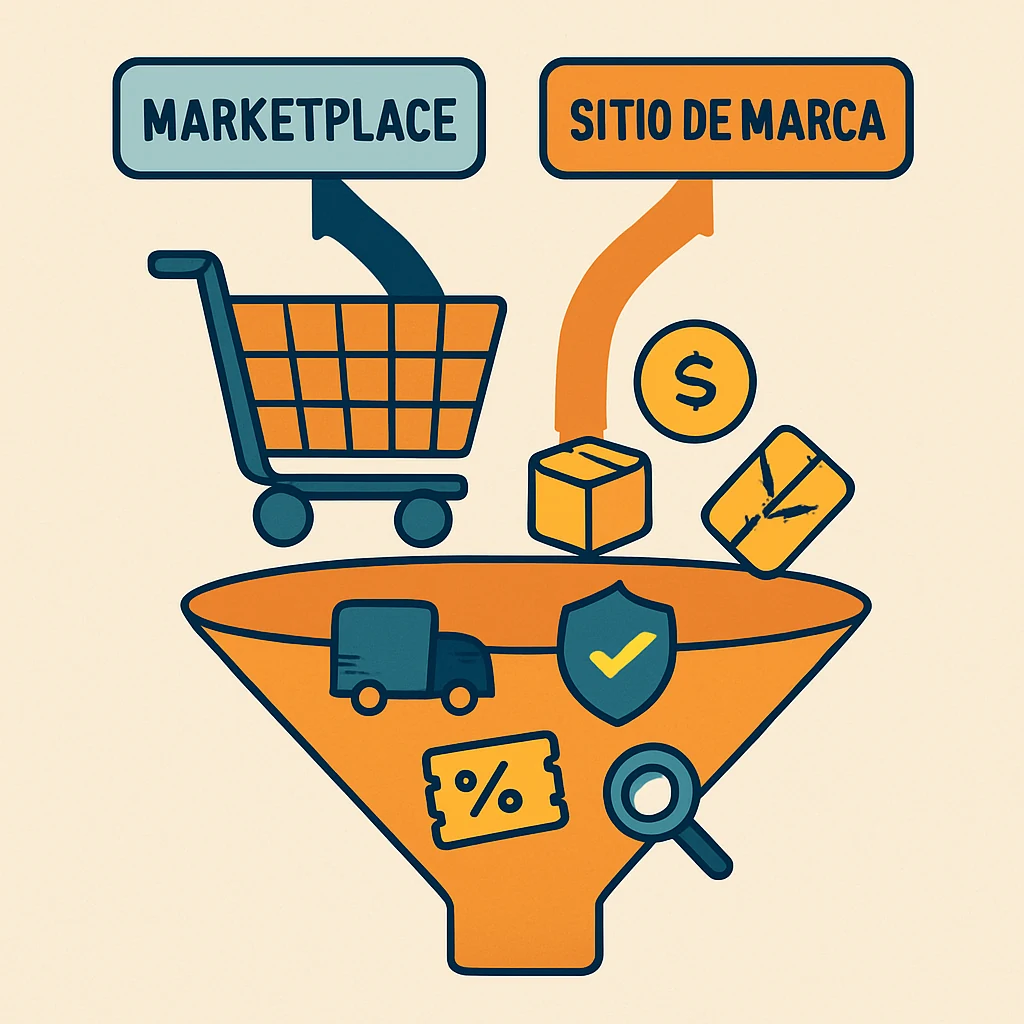
If you only remember a few things, make them these:
- If the seller isn’t the main retailer, read the return terms twice.
- Compare totals at checkout—not just the item price.
- For warranty-sensitive items, favor direct or authorized sellers.
- If you’re unsure on size/fit, prioritize easy returns over a tiny discount.
- If the deal feels unreal, check why it’s discounted.
When buying direct is usually the better move
Buying from the brand site tends to win when you care about support, authenticity, or long-term value—especially for items you’ll use for years.
Direct is often a strong choice for:
- products with warranties and serial numbers
- consumables you’ll reorder (filters, refills)
- anything with frequent counterfeits
- launches and limited colors/sizes (better stock accuracy)
The tradeoff is that you may have to meet a shipping threshold, wait longer for delivery, or deal with stricter return rules. That’s why the total-cost check matters.
When marketplaces usually win
Marketplaces can be the best deal when speed and convenience beat everything else.
They’re often a good choice for:
- everyday items with low counterfeit risk
- products where you don’t care about brand warranty
- situations where fast shipping prevents a last-minute emergency buy
Just don’t assume “marketplace = easiest return” until you confirm who the seller is.
FAQs
Is it safer to buy from the brand site than a marketplace?
Often, yes—especially for items with counterfeits or warranty claims. But “brand site” doesn’t automatically mean better returns or faster shipping. Check those terms before you commit.
How do I tell if a marketplace listing is actually from the retailer?
Look for “sold by” and “shipped by” details near the buy box. If the seller name is unfamiliar, click into the seller profile and scan return terms and contact options.
Are promo codes on brand sites always worth it?
Not automatically. Some codes exclude sale items or don’t stack with free shipping. The only reliable way is to test the code in cart and compare the final total.
What’s the simplest way to avoid bad “bundle deals”?
Compare unit price (per ounce Ofertas per count) and confirm you’re comparing the same size and model. Bundles can be great, but only when the math checks out.
If I need the item fast, should I stop chasing deals?
Not necessarily. A smarter move is to avoid the “rush fee” later. If paying a little more today guarantees reliable delivery, that can be the real savings compared to last-minute replacements.
If you want your online deals to feel less like gambling and more like a system, start by making the where-to-buy decision part of your process—not an afterthought. The best price is the one that survives checkout, arrives on time, and doesn’t turn into a return nightmare.
You may also be interested

Cash Back or Coupon? Keep Your Online Savings From Disappearing
Learn when to use coupons, cash-back portals, or card offers—and how to avoid tracking mistakes before Black Friday and Cyber Monday.

Open-Box and Refurbished Deals: A Smarter Way to Shop Holiday Sales
Learn how to vet open-box and refurbished deals before Black Friday, from condition and warranties to battery health, seller quality, and gift readiness.

Discounted Gift Cards: 6 Mistakes That Can Erase Your Savings
Buying discounted gift cards for holiday shopping? Avoid balance problems, refund traps, and bonus-card restrictions before locking up your money.