

How to Save on Shipping (and Keep Online Deals Actually Cheap)
Practical ways to cut shipping costs, avoid checkout surprises, and time online orders around US deal seasons—without relying on one coupon.
A “great deal” can quietly turn into a so-so deal the moment you hit checkout—when shipping, sales tax, delivery speed, and return rules finally show up. The good news: you can often save real money without hunting for a unicorn coupon. The trick is treating shipping as part of the price, not an afterthought.
Why does the price jump at checkout?
Because the product price is only one piece of the total. In the US, online orders commonly add:
- Shipping (which may change by delivery speed)
- Sales tax (based on shipping address and rules that can vary)
- Service fees (sometimes on marketplaces)
Q: What should I compare when I’m “price shopping”? Compare the delivered price: item price + shipping + estimated sales tax (plus any fees). Two listings can look identical until the last screen.
A practical habit: if you’re using a comparison tool or jumping between tabs, keep one note line like “Delivered total” for each option. It takes 30 seconds and prevents the classic “wait, why is this $18 more?” moment.
How do I get cheaper shipping without paying for another membership?
Start by using the shipping options you already have access to, then stack in a couple of low-effort tactics.
Q: Is slower shipping usually cheaper? Often, yes—but not always. Many stores price shipping tiers in a way that nudges you toward faster delivery. Always click the slower option just to see if it meaningfully drops the total.
Q: What’s the easiest shipping win? Consolidate orders.
If you’re placing multiple small orders across a week, you can end up paying shipping repeatedly (or missing free-shipping thresholds). Instead, build a cart and wait until you’re ready to check out once—especially for household basics.
If a store offers “ship together” vs. “ship as items become available,” choose ship together when you can. Split shipments can trigger extra packaging and sometimes different delivery charges.
The free-shipping threshold play (without overbuying)
Q: Should I add items just to hit free shipping? Only if you’d buy them anyway.
A safer approach is to keep a short “filler list” of items you genuinely use, such as:
- Refill items (toothpaste, razors, soap)
- Pantry staples (coffee, snacks)
- Printer ink/paper (if you actually own a printer)
This way, if you’re a few dollars short of free shipping, you’re not tossing random stuff into your cart that becomes clutter.

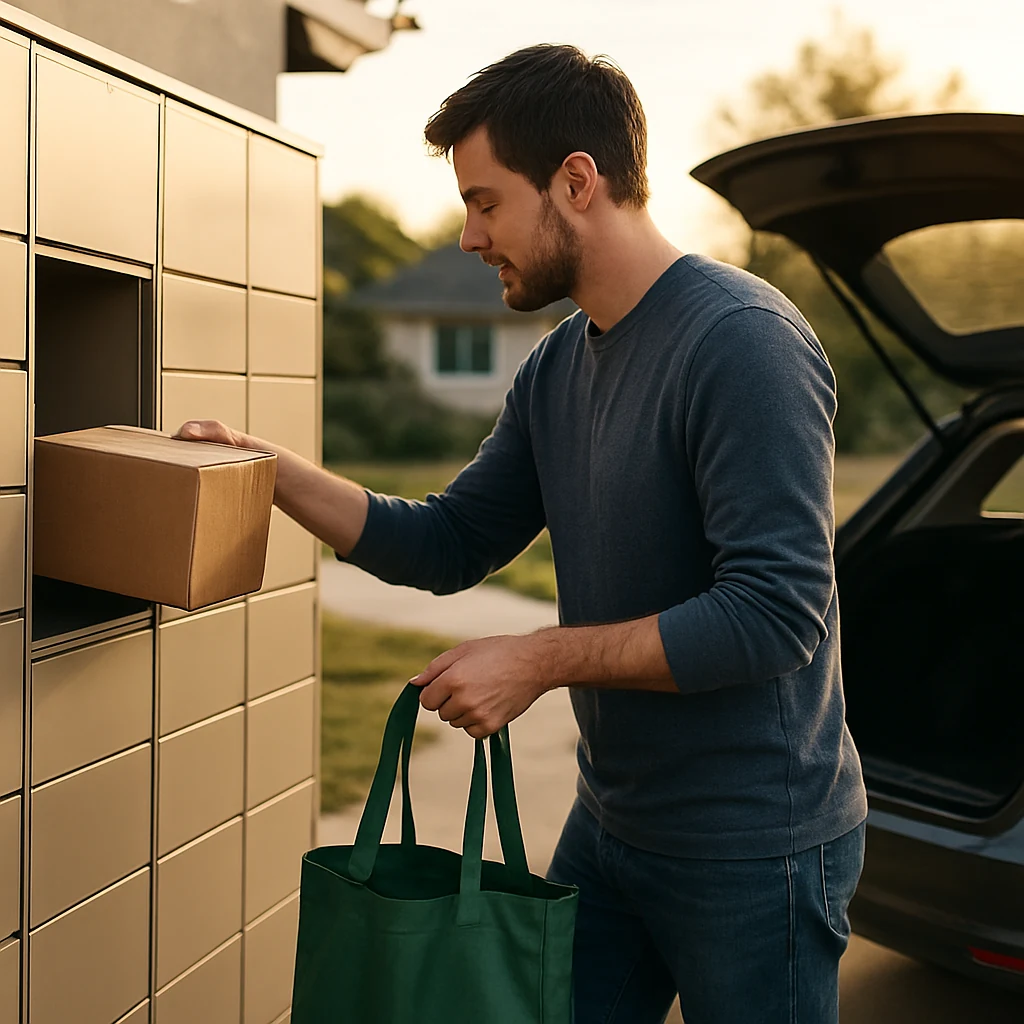
When is store pickup or curbside pickup the better “deal”?
If shipping costs are high—or if you need something fast—pickup can turn an average online price into the best option.
Q: Does pickup always save money? Not always, but it often removes shipping costs and reduces the risk of porch theft. It can also make returns easier because you’re already going to the store.
Two details to watch:
-
Pickup vs. shipping price differences. Some retailers price items differently depending on fulfillment method.
-
Return handling. A pickup order might have a smoother in-store return process than an online-only shipment.
How do returns affect the “real” cost of a deal?
Returns are where shipping can sneak back in—even if the original delivery was “free.”
Q: What return details should I check before buying? Look for three things on the product page:
- Return window (how long you have)
- Who pays return shipping
- Whether the item is “final sale” or has restocking fees
If you’re buying something size-sensitive (shoes, jeans) or compatibility-sensitive (electronics accessories), the best “deal” is often the one with the easiest return path.
Q: What if the store offers free returns but only via store credit? That can still be fine if you shop there regularly. If you don’t, treat store credit as less valuable than a refund—because it locks you into future spending.
If you want more deal tactics beyond shipping, it’s worth browsing the guides on the homepage at / and building a system you’ll actually stick with.
Are marketplaces riskier for shipping costs?
They can be—mostly because listings vary widely.
Q: Why does the same item have wildly different shipping prices? On marketplaces, different sellers may:
- Set their own shipping fees
- Use different carriers and packaging
- Ship from different locations
A listing with a low item price and high shipping is basically the same total—just presented differently.
Q: What should I verify on marketplace listings? Check the delivery estimate, return policy, and whether the seller is the one handling fulfillment. If you’re buying something you might return, prioritize the listing with clearer returns and predictable shipping.
What times of year are best for shipping-friendly deals in the US?
Major sale seasons can help, but shipping strategy matters just as much as the discount.
Q: Is Black Friday/Cyber Monday always the best time? They’re big, but not automatically the best for every category—especially if shipping deadlines are tight or popular items go in and out of stock.
In the US, these are common moments when online deals and shipping promos tend to show up:
- Back-to-school season (especially for tech accessories, dorm basics)
- Holiday shopping season (shipping cutoffs matter; earlier can be cheaper)
- Post-holiday clearance (great prices, but return windows may be stricter)
- Spring refresh (home and organization items often get promos)
Q: How do I shop holiday deals without paying rush shipping? Buy earlier than your personal deadline and pick slower shipping. If you wait until the last minute, the deal can vanish into expedited shipping costs.
A practical rule: when you see a good price, also check the estimated delivery date before you commit. “Great deal” isn’t great if it arrives after you need it.
Can I lower shipping costs by changing how I build my cart?
Yes—and this is where most people leave money on the table.
Q: Is it better to place one big order or multiple small ones? Usually one, as long as it doesn’t create headaches for returns. If you’re unsure on sizes or product fit, splitting into two orders can reduce return complexity, even if it costs a bit more.
Q: Why do some carts get more expensive when I add items? Adding bulky items (like paper towels, pet food, small appliances) can trigger different shipping tiers. If shipping spikes, try splitting the bulky item into its own order and compare totals.
What about subscriptions and autoship—are they worth it for savings?
They can be, but only if you control the schedule.
Q: How do I use subscriptions without overspending? Treat it like a shipping tool, not a lifestyle.
Set the delivery frequency conservatively and adjust after the first shipment. If you’re using a subscription just to unlock a deal, set a calendar reminder to review it right after the order arrives.
Also, be careful with first-time subscription discounts if you’re experimenting with a new brand. You don’t want to be stuck with repeat shipments of something you don’t like.
How do I avoid “free shipping” that isn’t really free?
The most common trap is paying for speed you don’t need.
Q: What should I do before clicking “Place Order”? Pause and scan these three lines:
- Shipping cost (and which speed is selected)
- Estimated taxes
- Return terms
If anything looks off, back up one step and change the shipping method, fulfillment option (pickup vs. ship), or seller listing.
One quick, actionable move for your next order
Before you buy anything today, open the product page in one tab and your cart in another—and spend one minute trying these two toggles: slower shipping and store pickup. Then choose the option with the lowest delivered price and the return policy you can live with.
That tiny habit does more for your savings over a year than chasing a single promo code ever will.
You may also be interested

Cash Back or Coupon? Keep Your Online Savings From Disappearing
Learn when to use coupons, cash-back portals, or card offers—and how to avoid tracking mistakes before Black Friday and Cyber Monday.

Open-Box and Refurbished Deals: A Smarter Way to Shop Holiday Sales
Learn how to vet open-box and refurbished deals before Black Friday, from condition and warranties to battery health, seller quality, and gift readiness.

Discounted Gift Cards: 6 Mistakes That Can Erase Your Savings
Buying discounted gift cards for holiday shopping? Avoid balance problems, refund traps, and bonus-card restrictions before locking up your money.