


Cashback + Coupons: 9 Online Deal Mistakes (and Easy Fixes)
Stop losing savings to tracking fails, exclusions, and return clawbacks. A practical US guide to stacking cashback, coupons, and gift cards safely.
Most “bad deals” online don’t look bad at checkout. They look great—until the cashback doesn’t track, the coupon quietly voids the promo, or a return triggers a clawback. If you shop in the US and use coupon codes, cashback portals, and browser extensions, this guide is about avoiding the mistakes that silently erase your savings.

Mistake #1: Treating cashback as guaranteed money
Cashback is usually pending until the store confirms the order is valid. That means it can be reduced, denied, or reversed later—especially if you return items, cancel, or edit the order.
Fix: Think of cashback as a bonus until it’s approved. If you’re comparing two options, decide based on the price you’ll pay today (item price + shipping + sales tax). Use cashback as the tie-breaker, not the whole reason you buy.
Mistake #2: Clicking “activate” too early (or too late)
A lot of portal/extension tracking is picky about timing. If you activated cashback earlier, then came back later through Google, an email link, or a shopping app, you may have overwritten the tracking click.
Fix: Make your “final click” consistent. When you’re ready to check out, open a fresh tab, activate the portal offer, and complete the purchase without hopping around. It’s boring, but it works.
Mistake #3: Letting ad blockers and privacy tools break tracking
Many people (smartly) use ad blockers, privacy browsers, or strict cookie settings. The downside: you can accidentally block the very tracking that credits your cashback.
Fix: You don’t have to go full surveillance-mode. Just keep a clean “checkout browser” option for purchases where cashback matters. A separate browser profile with minimal extensions is often enough.

Mistake #4: Assuming every coupon code can stack with cashback
Some stores allow coupon codes and still pay cashback. Others don’t—especially if the code is from outside the portal (like a random code found on a coupon site). Sometimes the purchase tracks, but the store later marks it as “ineligible.”
Fix: Use portal-listed codes when possible. If you’re testing a code from elsewhere, decide what you value more:
- A guaranteed upfront discount (coupon)
- Or the possibility of cashback later
If the coupon is small and cashback is strong, you may be better off skipping the mystery code.
Mistake #5: Getting tricked by “compare at” pricing and fake MSRP anchors
A common online deal trap is the inflated reference price—“Was $X, now $Y”—especially on marketplaces and lesser-known direct-to-consumer sites. The discount looks huge, but the current price may be normal.
Fix: Do a quick sanity check with at least one other retailer (or the brand’s own store vs. a marketplace listing). Also compare the exact model number, size, count, or generation—“almost the same product” is where fake deals thrive.
Mistake #6: Ignoring sales tax (because you’re focused on the promo)
In the US, sales tax can turn two “same-price” deals into very different totals. If one retailer charges shipping, another charges sales tax differently, or one includes fees in the final step, your real price can shift.
Fix: Compare deals using the same method every time: total at checkout. If you’re price-matching between retailers, don’t decide until you’ve seen the final cart on both.
Mistake #7: Buying a discounted gift card… then losing flexibility
Discounted gift cards can be a real money-saver, but they can also box you in:
- You may not be able to use a gift card and certain promo codes together.
- Some gift card purchases are final sale.
- If you return, the refund may go back to a store credit or gift card—fine sometimes, annoying other times.
Fix: Only use discounted gift cards when you’re confident about the retailer and the product. If you’re buying something size-sensitive (shoes, jeans) or something you might return, keep payment flexible and prioritize a clean return path.

Mistake #8: Not reading the exclusions that matter (the ones that kill the deal)
Cashback and coupons often exclude exactly what people buy online: certain brands, gift cards, subscription orders, refurbished items, or “marketplace sellers” within a larger site.
Fix: Don’t read everything—just scan for the deal-killers:
- Brand exclusions (common in beauty, electronics, and athletic gear)
- Gift cards and store credit purchases
- “New customers only” language
- Orders placed in-app vs. in-browser
If you can’t tell whether your item qualifies, assume it doesn’t and see if the deal is still worth it.
Mistake #9: Forgetting that returns can erase your savings (twice)
Returns can reduce your savings in multiple ways:
- The coupon discount may be recalculated (especially if you return part of a bundle).
- Cashback can be reversed after the return is processed.
- You may pay return shipping (depending on the retailer and reason).
Fix: Before you buy, check the return policy like a deal-hunter, not an optimist. Look for return shipping costs, restocking fees, and how refunds are issued (original payment vs. store credit). If the policy is fuzzy, treat the deal as higher risk.
A seasonal note: the “stacking window” changes during big US sale events
During major US shopping seasons—like Prime Day, Back-to-School, Labor Day, Black Friday/Cyber Monday, and post-holiday clearance—retailers often tighten promo rules. You’ll see more “one promo per order” language, and some portals temporarily reduce categories or carve out exclusions.
Fix: During those weeks, aim for clean, simple stacks:
- One clear discount (sale price or coupon)
- One cashback source (not three extensions fighting)
- A straightforward checkout path (no app switching mid-purchase)
You can still save a lot—just don’t build a deal that only works if everything tracks perfectly.
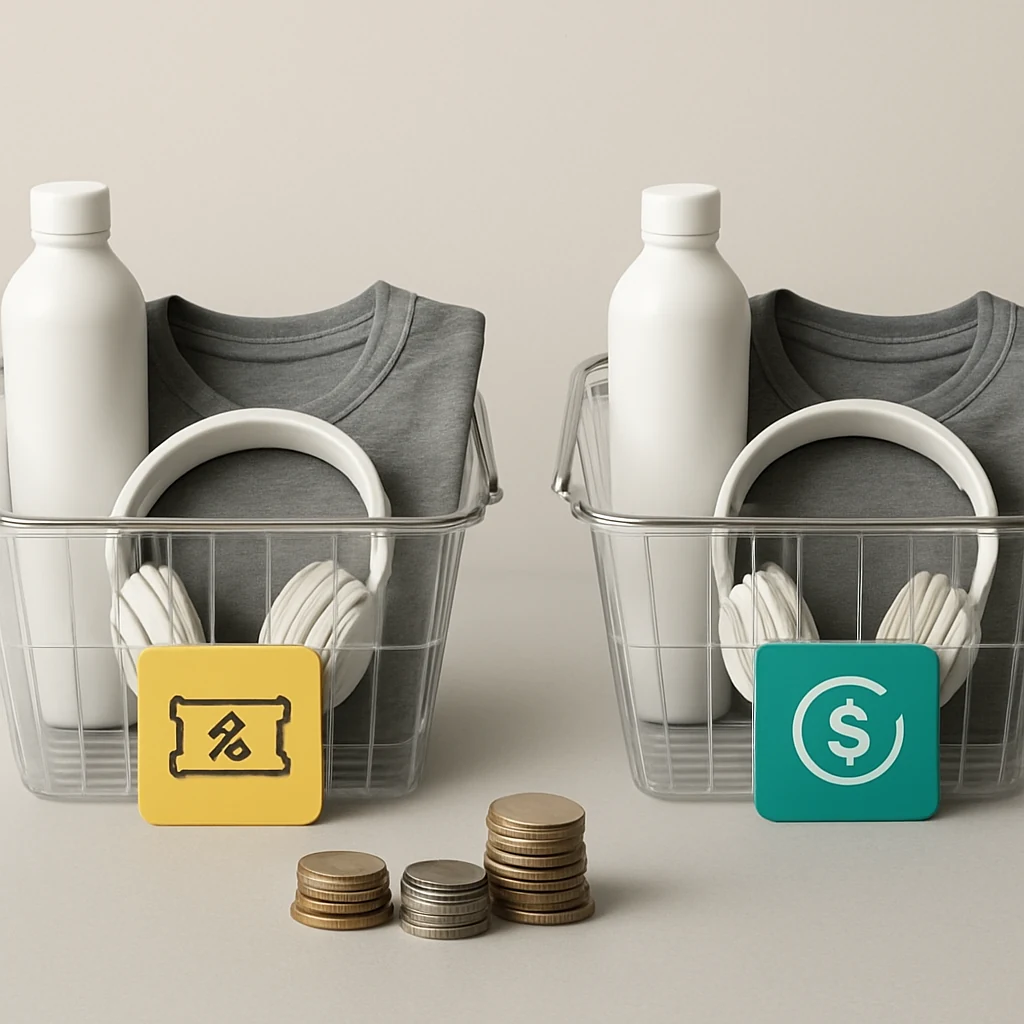
A practical way to verify a “stack” before you commit
If you want a quick reality check without turning shopping into a spreadsheet, use this mental script:
- What’s my worst-case total? (No cashback, coupon rejected, you still keep the item.)
- What’s my likely total? (Sale price + a coupon you know works.)
- What’s the best-case total? (Cashback tracks, points post, everything stays eligible.)
If worst-case is still acceptable, you can safely chase the best-case. If worst-case feels like regret, don’t let “pending cashback” talk you into it.
FAQs (quick, US-focused)
Is it better to use a cashback portal or a browser extension?
Use whichever is more consistent for you, but avoid stacking multiple tools that all want to “own” the referral click. One clean path usually beats a messy one.
Why did my cashback show as pending and then disappear?
Common reasons: returns/cancellations, using an excluded coupon code, buying an excluded item/category, switching devices mid-checkout, or another referral source overwriting the tracking.
Do purchases in retailer apps earn cashback?
Sometimes yes, often no—or only through specific in-app rules. If cashback matters, place the order in a regular browser unless the offer explicitly says the app qualifies.
If I return one item from a multi-item order, can it affect the whole promo?
It can. Some promos reprice the order when you return part of it (especially “spend $X, get $Y” or bundle discounts). If the math is tight, consider separate orders.
One simple recommendation you can use today
Before you hit “Place Order,” pick one savings path you’ll trust: either a sure coupon discount or a clean cashback click. Then compare the final checkout total (including sales tax and shipping). If you want more deal strategies like this, start at the home page and browse by topic: /
You may also be interested

Cash Back or Coupon? Keep Your Online Savings From Disappearing
Learn when to use coupons, cash-back portals, or card offers—and how to avoid tracking mistakes before Black Friday and Cyber Monday.

Open-Box and Refurbished Deals: A Smarter Way to Shop Holiday Sales
Learn how to vet open-box and refurbished deals before Black Friday, from condition and warranties to battery health, seller quality, and gift readiness.

Discounted Gift Cards: 6 Mistakes That Can Erase Your Savings
Buying discounted gift cards for holiday shopping? Avoid balance problems, refund traps, and bonus-card restrictions before locking up your money.