


Buy Now or Wait? A US Online Deal-Timing Playbook
A practical guide to timing online purchases in the US—seasonal sales, restocks, return windows, and when waiting actually costs you more.
Online deals aren’t just about finding the lowest price—they’re about when you buy, and what you’re willing to trade for that price. Waiting can mean a better promo, but it can also mean sold-out sizes, longer shipping, or a return window that doesn’t line up with your life.
This playbook is built around real decisions US shoppers face: Do I buy at full price now? Do I wait for a seasonal sale? Do I buy from a different retailer with faster shipping and easier returns? You’ll see the trade-offs clearly, then pick a timing strategy that fits.
The “Buy Now vs Wait” decision (in plain English)
Before you get sucked into deal hunting, answer three questions:
-
How soon do you need it? If you need it this week, “waiting for a sale” is often just code for “paying for expedited shipping later.”
-
How replaceable is it? A basic phone charger is replaceable. A specific shoe color/size or a limited-edition drop isn’t.
-
What’s the downside if the price drops after you buy? If the retailer has easy returns, a long return window, or will do a price adjustment (some do, some don’t), buying now is less risky.
If you want a quick rule that works surprisingly well: buy now when availability matters; wait when the item is common and seasonal.
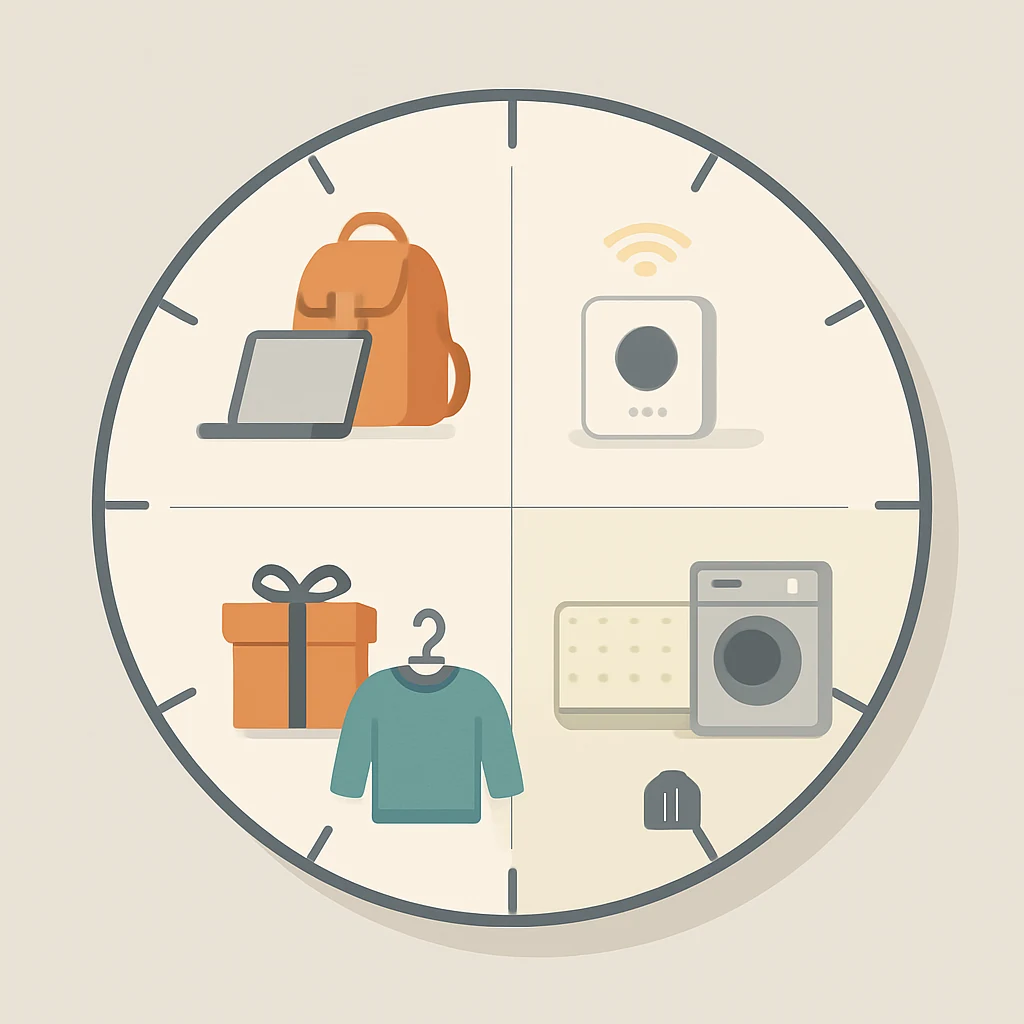
A US seasonal timing map (and what it’s actually good for)
You don’t need to memorize every sale day. You just need to know what categories tend to show up during common US retail moments.
1) Back-to-school (late summer): great for “needs,” not always “nice-to-haves”
Back-to-school season is one of the easiest times to buy practical items because retailers compete on staples: laptops, backpacks, dorm basics, printers, and office supplies. The trade-off is that popular configurations can go in and out of stock, and shipping can slow down.
Buy now if: you need it before a start date, or you’re picky about specs/colors.
Wait if: you can be flexible (different color, refurbished/open-box, or a comparable model).
2) Prime Day-style summer events: good for ecosystems, risky for impulse
Summer deal events can be strong for items tied to a retailer’s ecosystem (smart home gear, streaming devices, accessories). The catch: bundles and “add-on” deals can feel like savings while nudging you into buying more than you planned.
Buy now if: you already know the exact model you want and you’ve checked the normal price range.
Wait if: you’re still deciding. A “deal” can lock you into something you’ll regret—or spend time returning.
3) Labor Day (early fall): a sweet spot for home + appliance planning
Labor Day is a classic US sales hook for appliances, mattresses, and home goods. This is where timing strategy really pays off because these categories are expensive, shipping is slower, and return policies are stricter.
Buy now if: you’re replacing a broken essential (fridge, washer) and downtime is costly.
Wait if: you’re upgrading by choice. You can shop multiple retailers and watch delivery timelines.
4) Black Friday + Cyber Monday: best for “known targets,” not browsing
The biggest shopping weekend in the US can be excellent, but it rewards preparation. Doorbusters and limited-quantity deals create pressure. That’s good when you’ve already decided—bad when you’re still exploring.
Buy now (during the event) if: the item is a known target and you’re comfortable with the retailer’s shipping speed and return policy.
Wait if: the deal depends on signing up for something you don’t want (store card, subscription) or the return window could collide with holiday travel.
5) Post-holiday clearance (late Dec/early Jan): the patient shopper’s advantage
After the holidays, you often see clearance dynamics on seasonal items and last-gen products. It’s great for home organization, winter gear, and “I can live without it” purchases.
Buy now if: you’re okay with limited sizes/colors and you understand the return policy (clearance can be final sale).
Wait if: you need guaranteed availability or you want the newest model.

Three real-world scenarios (and what to do)
These are the situations where people most often overspend—not because the price was “bad,” but because timing wasn’t matched to the need.
Scenario A: You need a laptop for school in 10 days
You find a decent price today, but you’re tempted to wait for a bigger event.
Trade-offs to weigh:
- Shipping reality: standard shipping plus potential delays vs paying for faster shipping later.
- Setup time: you may need time for updates, transfers, accessories, and troubleshooting.
- Stock risk: popular specs can vanish fast in late summer.
Practical move: If the laptop is mission-critical and the price is within your acceptable range, buy from a retailer with predictable shipping and straightforward returns. Waiting is only worth it if you’re flexible on the exact model and you have a backup device.
Scenario B: You want a mattress, but you’re not in a rush
You’re seeing promos everywhere, and the messaging is loud: “Ends tonight.”
Trade-offs to weigh:
- Return logistics: returns can be more annoying (pickup scheduling, restocking fees, donation policies).
- Trial periods vs fine print: you want comfort time, not a complicated dispute.
- Delivery windows: a great price isn’t great if delivery is weeks out.
Practical move: Use timing to increase your leverage: wait for a major retail weekend (like Labor Day or holiday promos), but prioritize the policy over the headline discount. A slightly higher price with a clearer return process can be the cheaper outcome.
Scenario C: You’re eyeing a “fun” item (headphones, sneakers, kitchen gadget)
This is where impulse buying happens because the item is emotionally appealing and easy to justify.
Trade-offs to weigh:
- Price drop regret: these items often see frequent promos.
- Accessory creep: cases, warranties, add-ons, “free shipping if you add $X.”
- Return friction: if you don’t love it, do you actually want to return it?
Practical move: Give yourself a timing rule: wait 48 hours and set one price trigger. If it hits, buy. If it doesn’t, you’ve likely saved yourself an unnecessary purchase.
The hidden costs that make “cheap” expensive
Deal timing isn’t just the calendar—it’s the checkout and post-checkout reality.
Sales tax + shipping can flip the winner
Two retailers can show the same item price, but your out-the-door total changes once sales tax and shipping hit. You don’t need to do math gymnastics—just compare totals at checkout before you commit.
Returns are part of the deal
A strong deal from a retailer with complicated returns can become a time sink. For categories where fit and feel matter (shoes, apparel, bedding), timing should include your calendar: Will you be around to receive it, test it, and return it if needed?
Restocks and “limited-time” pressure are a tactic
“Only a few left” messaging can be real or automated. Either way, your best defense is knowing whether the item is truly scarce.
If it’s a common item sold everywhere, scarcity pressure usually isn’t worth paying extra for.
A simple timing framework you can reuse
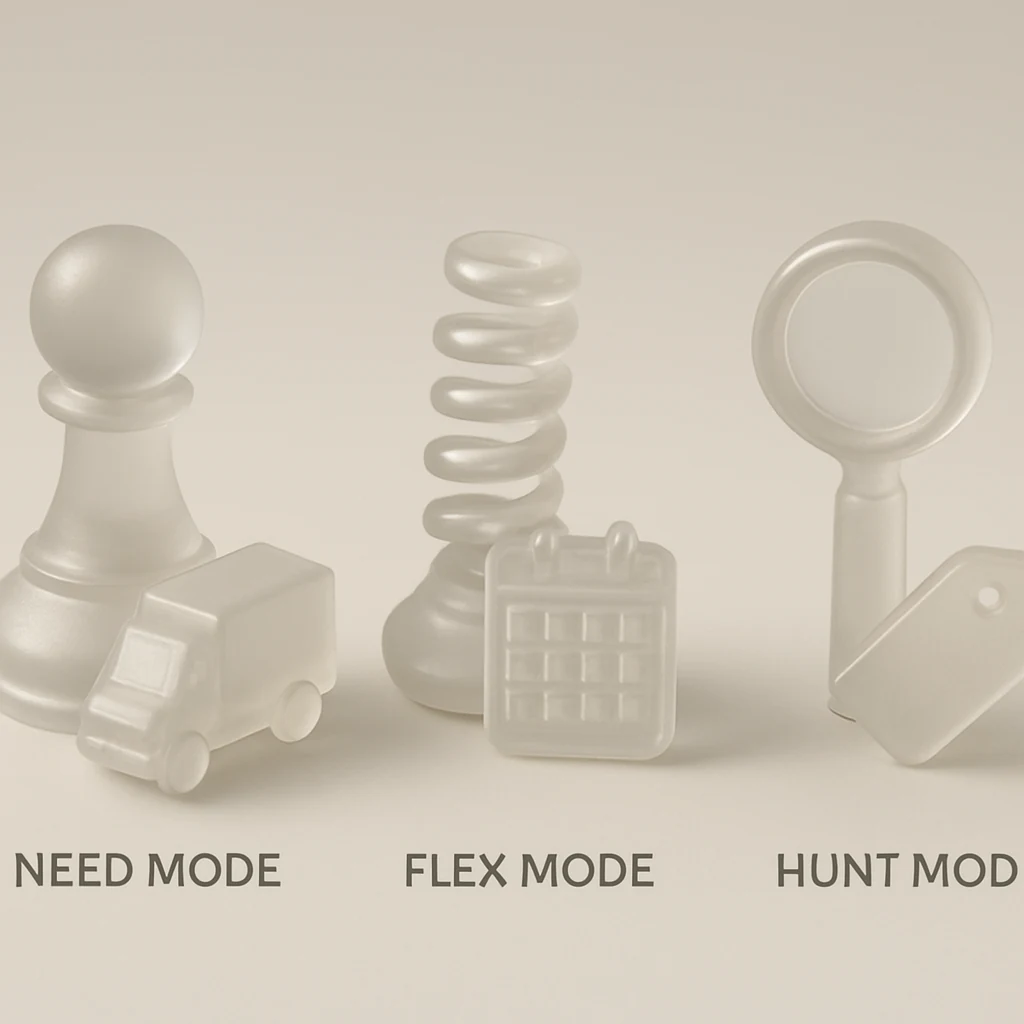
When you’re stuck between buying and waiting, choose one of these three modes:
- Need Mode: Buy now. Choose reliable shipping + easy returns. Don’t over-optimize.
- Flex Mode: Wait for the next seasonal moment and stay open to alternatives.
- Hunt Mode: You have time and patience. Set alerts, track availability, and be ready to buy quickly when your condition hits.
If you want more guides like this, start at the homepage and browse by category: /
FAQs (US online shopping timing)
Is it better to buy during Black Friday/Cyber Monday or after?
If you want a specific, popular item, buying during the event can work—if you’re prepared and the retailer’s shipping and returns fit your needs. If you’re flexible (colors, models, last-gen), post-holiday clearance can be better—just watch for final-sale terms.
What if the price drops right after I buy?
Your options depend on the retailer: some offer price adjustments, many don’t, and policies change. The timing-friendly approach is buying from a seller with an easy return process, so you have a fallback if the price drop is meaningful and worth the hassle.
How far ahead should I shop for holidays to avoid paying extra?
In the US, shipping cutoffs and delays can sneak up in late November and December. If the item is a “must-have by a specific date,” buy early enough that you won’t be forced into expedited shipping. Timing isn’t just price—it’s avoiding last-minute fees.
Are “limited-time” promo codes worth waiting for?
Sometimes, but don’t let the promise of a code delay a purchase you genuinely need. If you’re in Flex or Hunt Mode, waiting can make sense. If you’re in Need Mode, prioritize reliability.
When should I ignore the calendar completely?
When the cost of waiting is higher than the potential savings: broken essentials, time-sensitive gifts, or anything you need for travel or school. In those cases, a “good enough” price with dependable shipping and returns is the win.
One move to take today
Pick one upcoming purchase and label it Need Mode, Flex Mode, or Hunt Mode. Then commit to the matching behavior—either buy from the most reliable retailer now, or set one clear trigger (price/season/date) and stop checking every day. That’s how you save money and time.
You may also be interested

Cash Back or Coupon? Keep Your Online Savings From Disappearing
Learn when to use coupons, cash-back portals, or card offers—and how to avoid tracking mistakes before Black Friday and Cyber Monday.

Open-Box and Refurbished Deals: A Smarter Way to Shop Holiday Sales
Learn how to vet open-box and refurbished deals before Black Friday, from condition and warranties to battery health, seller quality, and gift readiness.

Discounted Gift Cards: 6 Mistakes That Can Erase Your Savings
Buying discounted gift cards for holiday shopping? Avoid balance problems, refund traps, and bonus-card restrictions before locking up your money.