


Buy Early, Pay Less: The US Return-Window Deal Strategy
A practical US guide to saving money online by using return windows, price adjustments, and smart documentation—without waiting for the “perfect” sale.
Buying online in the US often feels like a gamble: buy now, and the price drops next week; wait, and your size/color goes out of stock. There’s a middle path that works surprisingly well—using return windows (and occasional price adjustments) as your built-in safety net.
This mini-guide is about buying when you need the item, while keeping options open to still pay a deal price later.

Step 1: Start with the return policy—not the discount
Before you get excited about “20% off,” check the part of the product page most shoppers ignore: returns.
You’re looking for a policy that makes it easy to correct course if the price drops or the item isn’t right. In the US, the big tripwires are usually the same:
- Return window length (and whether it starts at purchase date or delivery date)
- Who pays return shipping (prepaid label vs. you pay)
- Restocking fees (common with certain categories)
- Condition requirements (tags on, original packaging, unopened electronics, etc.)
This is also where you watch for category-specific rules. Some items tend to have stricter policies (think: certain electronics, mattresses, personal care items, final-sale clearance).
Practical move: if two retailers are within a few dollars, pick the one with the cleaner return setup. A “slightly higher” price can end up cheaper if you avoid return shipping or a restocking fee.
Step 2: Use seasonal return windows to buy early (especially holiday)
US shopping seasons create a hidden advantage: many retailers extend returns around the holidays. That’s why buying gifts early in November (or even October) can be less stressful than panic-buying in December.
Other moments where this strategy is useful:
- Back-to-school: supplies, backpacks, laptops, dorm essentials
- Spring cleaning Ofertas home refresh: storage, small appliances, bedding
- Big sale events (Prime Day-style events, Black Friday, Cyber Monday): popular items that sell out fast
The point isn’t to time the perfect day (we’ve covered timing in other guides). It’s to buy when you’re ready and rely on return rules to protect you if a better deal shows up.

Step 3: Choose “easy-proof” retailers and keep your documentation
If you want any shot at a price adjustment or a smooth return, your proof needs to be clean.
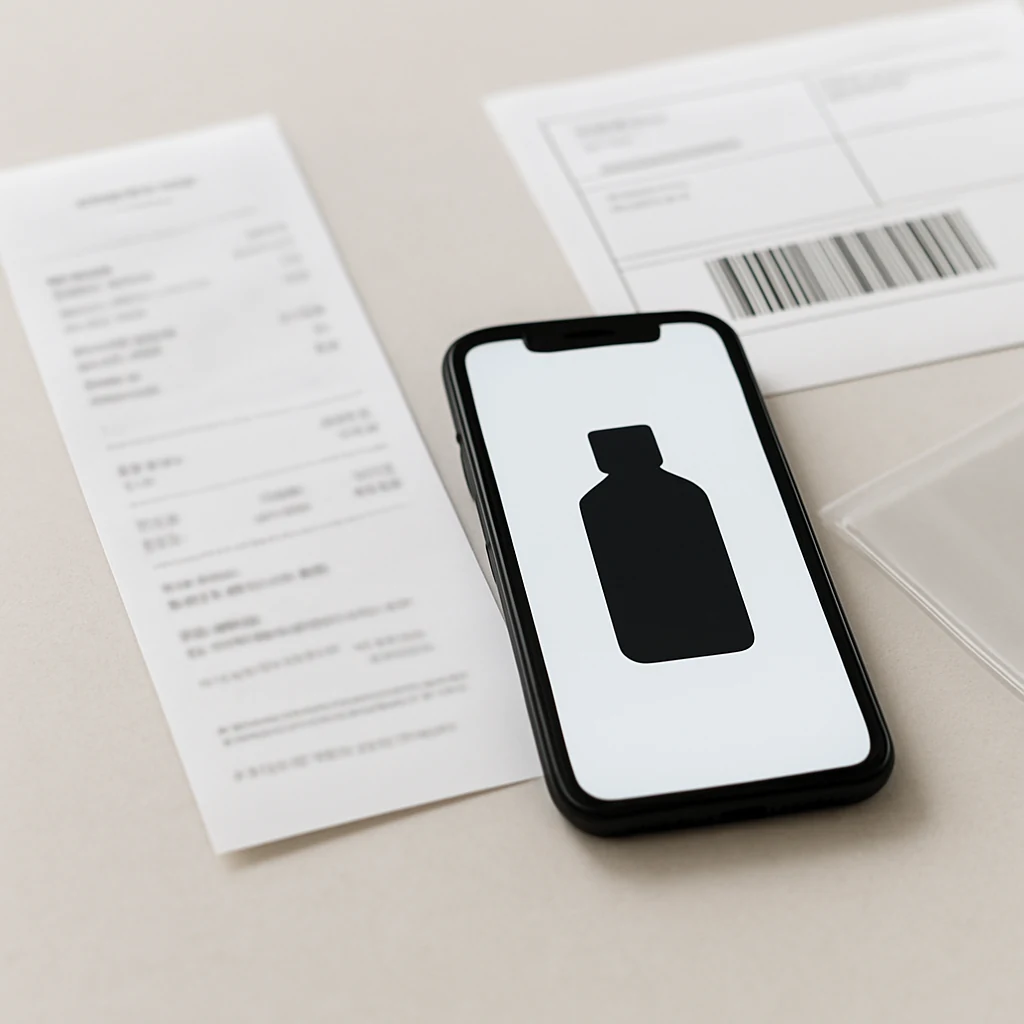
Right after checkout, save:
- Your order confirmation email
- The invoice/receipt (PDF if possible)
- A quick screenshot of the product page showing the exact item (size, color, model)
Why screenshots? Because listings change. A model number can get swapped, a bundle can become “new version,” or a third-party seller takes over the listing.
Also, look closely at who you’re buying from. A major marketplace might show the same item sold by different sellers with different return rules. If the return terms look messy, it’s often not worth the headache.
Step 4: After you buy, do a short “price watch” (without obsessing)
Here’s the simple routine that keeps you sane:
For 7–14 days after delivery, do quick check-ins to see if the price changed.
You don’t need to refresh all day. Just pick a rhythm you can actually follow (like once mid-week and once on the weekend). If you already use a price tracker, great—set it and forget it.
When you compare price, be consistent:
- Same retailer, same seller (when it matters)
- Same condition (new vs. used/open-box/refurb)
- Same bundle contents (extras can mask a higher “deal”)
Remember: in the US, your final cost can swing with sales tax and shipping, so compare the total you’ll actually pay—not just the item price.
Step 5: Try a price adjustment first (it’s the lowest-effort win)
Some retailers will match their own price if it drops shortly after your purchase. Others won’t. Since policies vary and change, you’re not relying on promises—you’re simply asking.
When a price drop happens:
- Contact support (chat is usually fastest).
- Provide your order number and the link to the current listing.
- Keep the request simple: “I purchased on [date]. The price is now lower. Can you adjust the price?”
If they say yes, you just saved money with minimal friction. If they say no, you move to Step 6.
Tip: be polite and brief. You’re not arguing; you’re checking whether they offer it.
Step 6: If there’s no adjustment, decide between “keep” and “re-buy/return”
When the price drops and the retailer won’t adjust, you have two options:
Option A: Keep it (when the hassle isn’t worth it)
Keeping makes sense when:
- The price drop is small
- Return shipping isn’t free
- The item is a pain to repack (or has strict condition rules)
- You’d rather keep your time than chase a few dollars
Option B: Re-buy at the lower price, then return the original
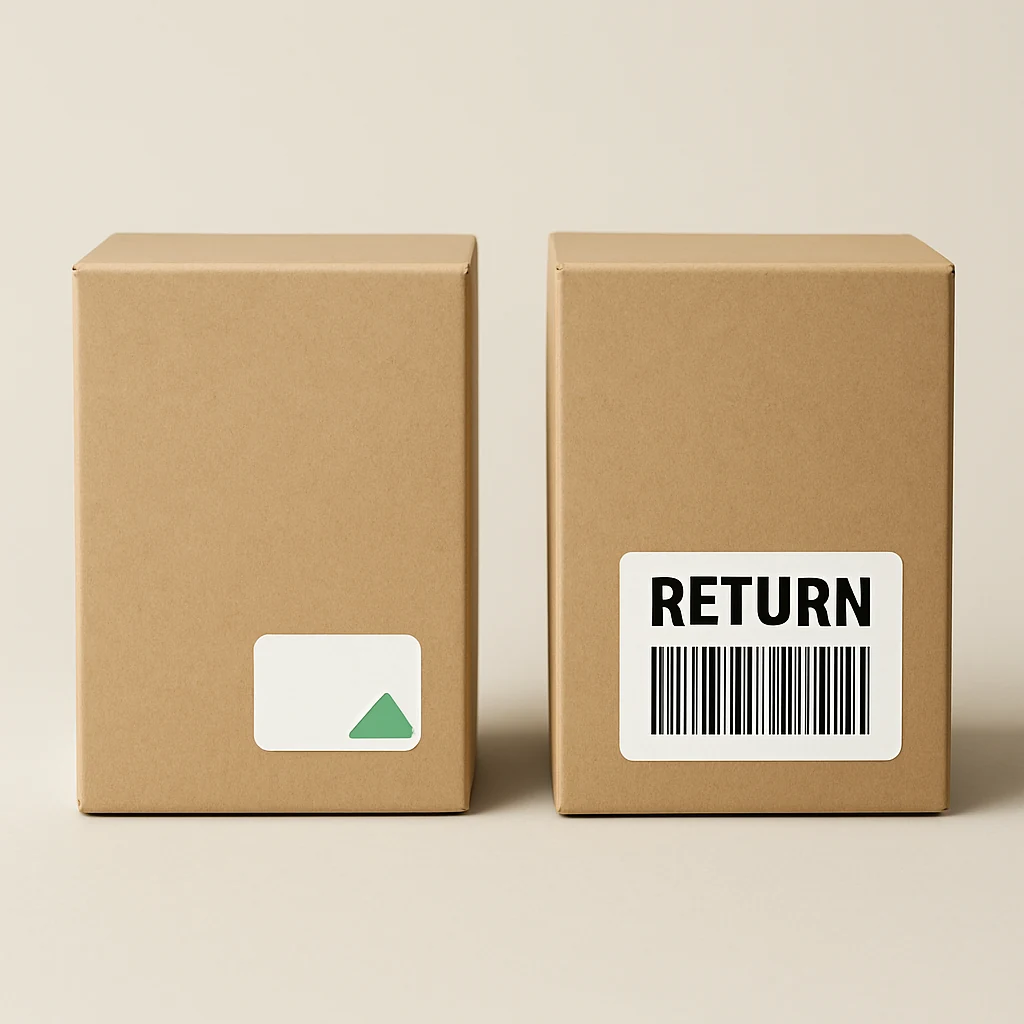
This is the classic return-window move. It’s cleanest when the retailer provides a prepaid return label and the item is easy to verify as “like new.”
A few real-world cautions:
- Don’t mix up serial-numbered items. Keep the packaging straight.
- Follow the return instructions exactly (labels, QR codes, drop-off location).
- Watch the return deadline and refund timing.
Also, be mindful of your relationship with the retailer. Excessive returns can trigger account issues. This strategy is best used selectively—big-ticket purchases or meaningful drops—not every tiny fluctuation.
Step 7: Don’t let “free shipping” trick you into worse outcomes
Sometimes the “deal” is engineered around shipping thresholds. You add extra items to get free shipping… and then you’re stuck returning half the cart.
If you’re using return windows as your safety net, keep your orders simple:
- Prefer one item per order when you’re unsure about fit/quality
- Avoid filler items you don’t truly want
- If you must reach a threshold, choose something you’d buy anyway (not random add-ons)
This helps because returns are smoother when the order is straightforward and you don’t create accidental “partial refund” confusion.
Step 8: Know the return friction points before they surprise you
Most return strategies fall apart on a few predictable details. Check these before you hit Buy:
- Restocking fees: common in certain categories; can erase the savings
- Final sale/clearance: often not returnable
- Third-party marketplace sellers: may have stricter rules
- Open-box/refurb: can be great value, but return terms may differ
If your plan relies on being able to return, these aren’t small print—they’re the whole game.
Step 9: Use this strategy for the items that benefit most
Return-window deal strategy shines when:
- Sizes/fit are uncertain (shoes, apparel)
- Inventory is likely to sell out (popular gadgets, seasonal items)
- Prices swing around major US sale moments (holiday weekends, back-to-school)
It’s less useful for:
- Personal care items with strict hygiene rules
- Items with expensive return shipping
- Anything you might damage/consume before you decide
If you want more saving tactics that pair well with this approach (without turning checkout into chaos), browse the guides on our homepage: /
FAQ: Quick answers shoppers actually need
Is it “allowed” to buy now and return later if the price drops?
Generally, yes—if you follow the retailer’s stated return policy and return the item in acceptable condition. The ethical line is simple: don’t abuse the system, don’t misrepresent condition, and don’t treat retailers like a free rental service.
Will sales tax be refunded on a return?
In many cases, the refunded amount includes the tax you paid, but it can depend on the transaction and the retailer. Always check your refund receipt and the final posted refund amount.
What if the lower price is from a different seller on the same marketplace?
That’s usually not a match. Many marketplaces treat sellers as separate stores with separate policies. Compare like-for-like: same seller, same condition, same item details.
Can I do this with shipping fees?
Sometimes. If you paid shipping and return, whether those fees are refunded depends on the retailer and the reason for return. If your entire strategy depends on getting shipping back, confirm the policy first.
What about credit card price protection?
Some cards offer protections; many have reduced or removed them over time. Don’t assume. Check your card’s benefits guide (or issuer website) before you rely on it.
One simple action to take today
Pick one store you buy from often and read its return policy once, start to finish—especially the parts on return shipping, restocking fees, and holiday windows. The next time you shop, you’ll make faster decisions and you’ll be far less likely to get stuck paying “early-buyer” prices.
You may also be interested

Cash Back or Coupon? Keep Your Online Savings From Disappearing
Learn when to use coupons, cash-back portals, or card offers—and how to avoid tracking mistakes before Black Friday and Cyber Monday.

Open-Box and Refurbished Deals: A Smarter Way to Shop Holiday Sales
Learn how to vet open-box and refurbished deals before Black Friday, from condition and warranties to battery health, seller quality, and gift readiness.

Discounted Gift Cards: 6 Mistakes That Can Erase Your Savings
Buying discounted gift cards for holiday shopping? Avoid balance problems, refund traps, and bonus-card restrictions before locking up your money.