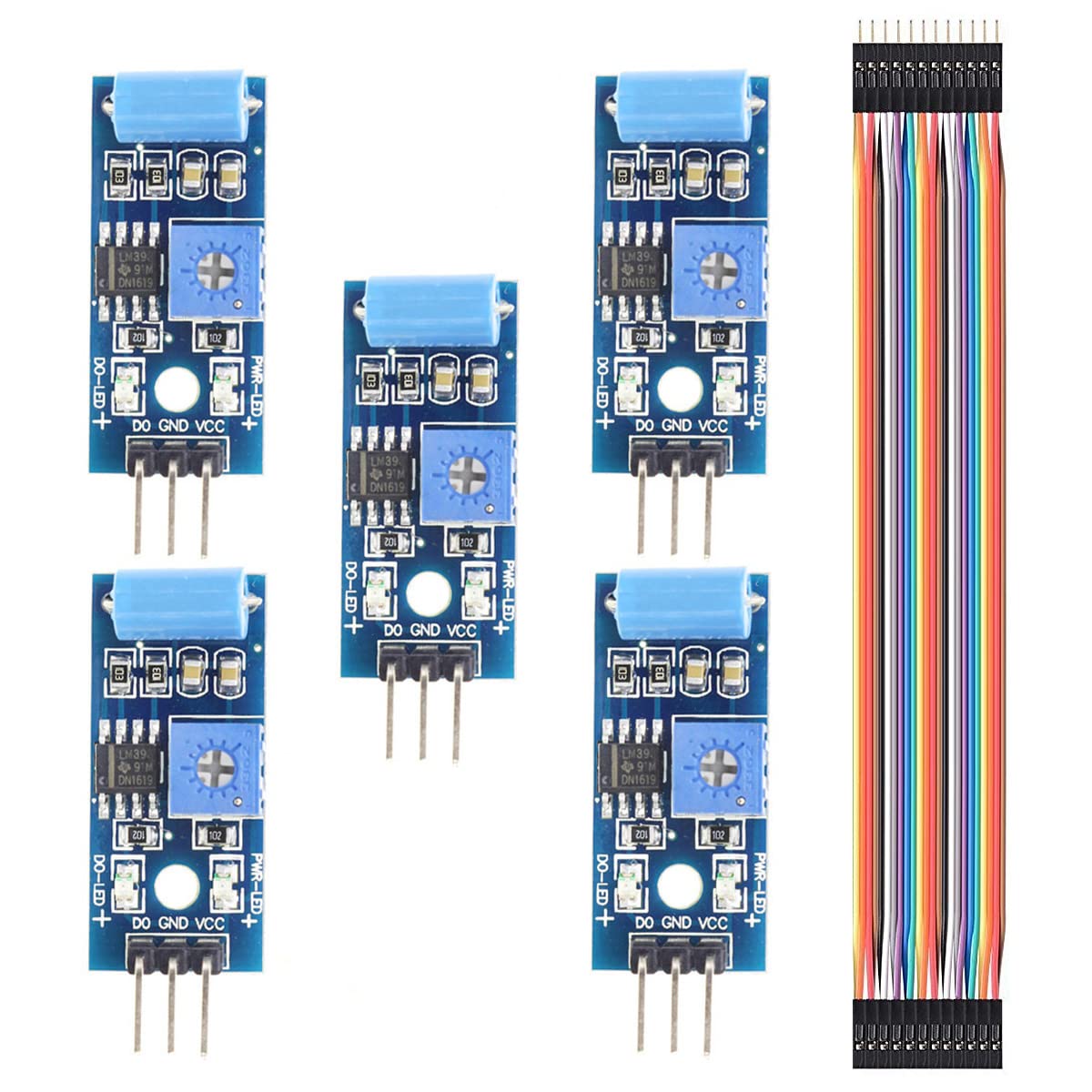
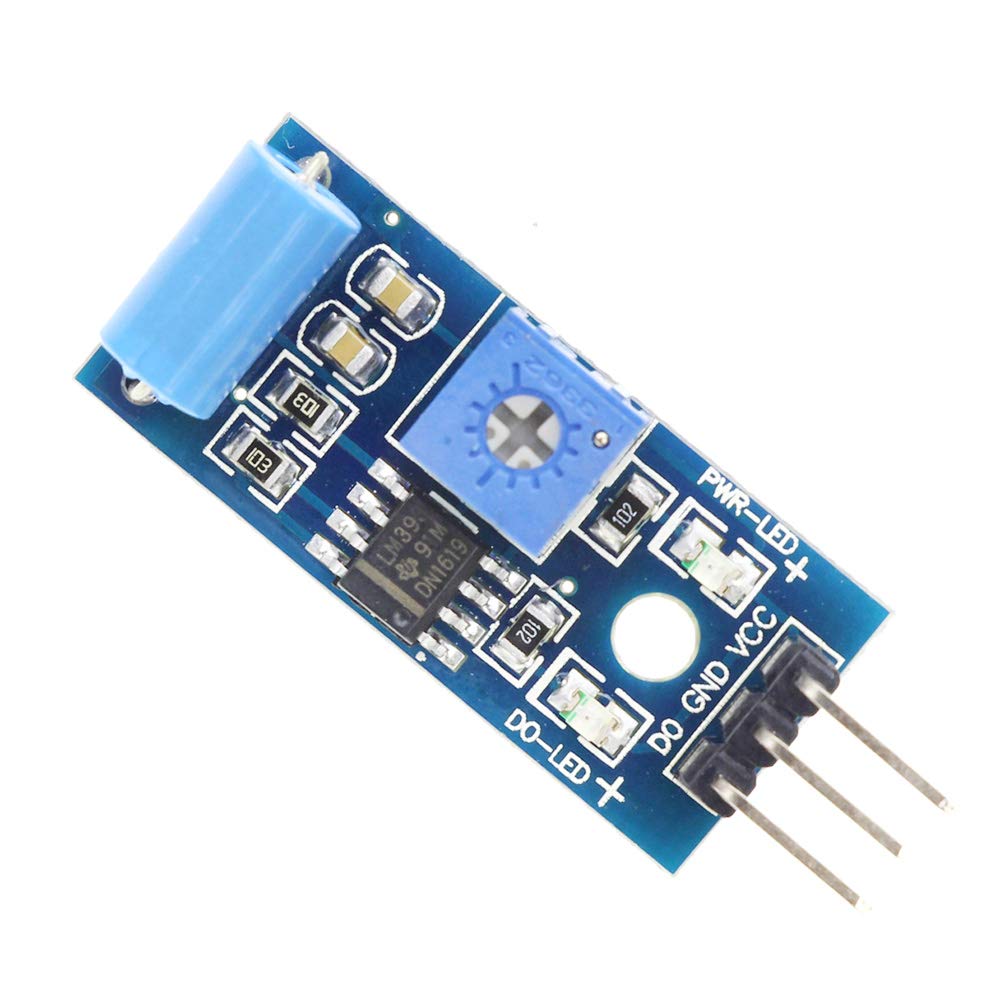
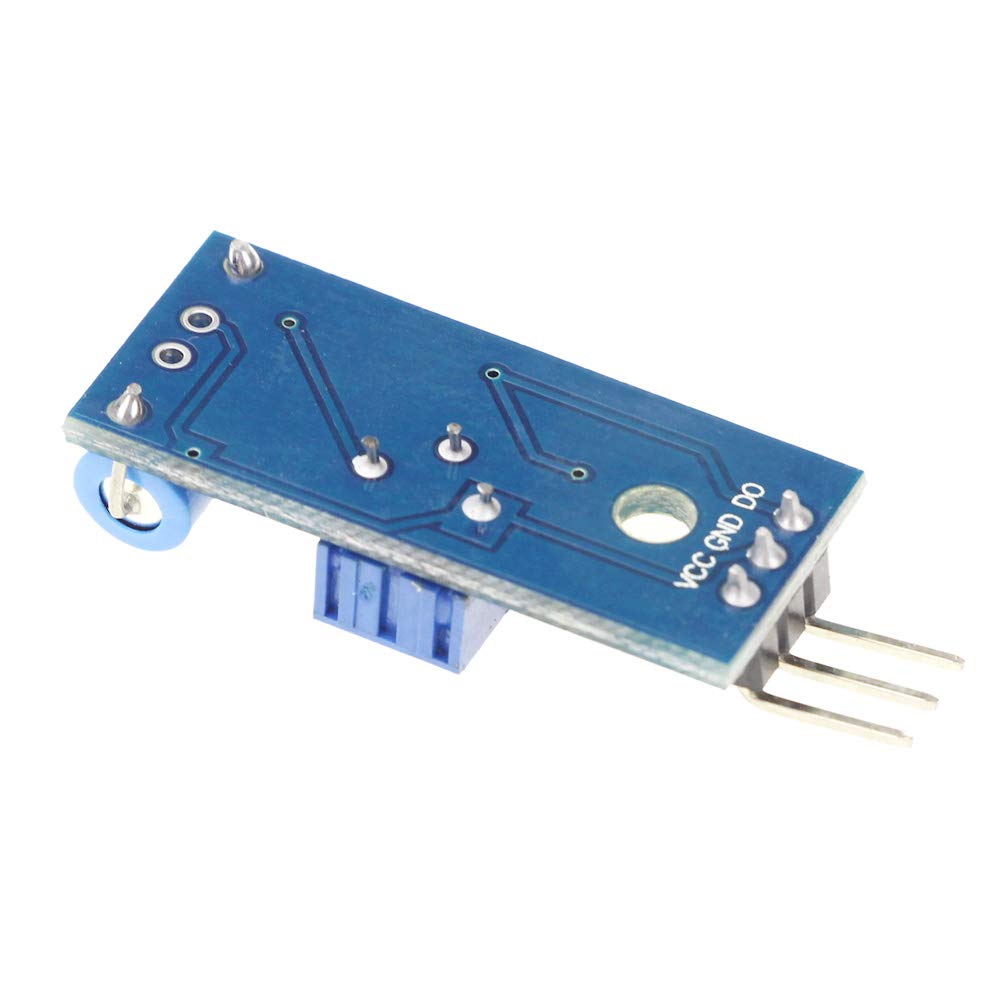
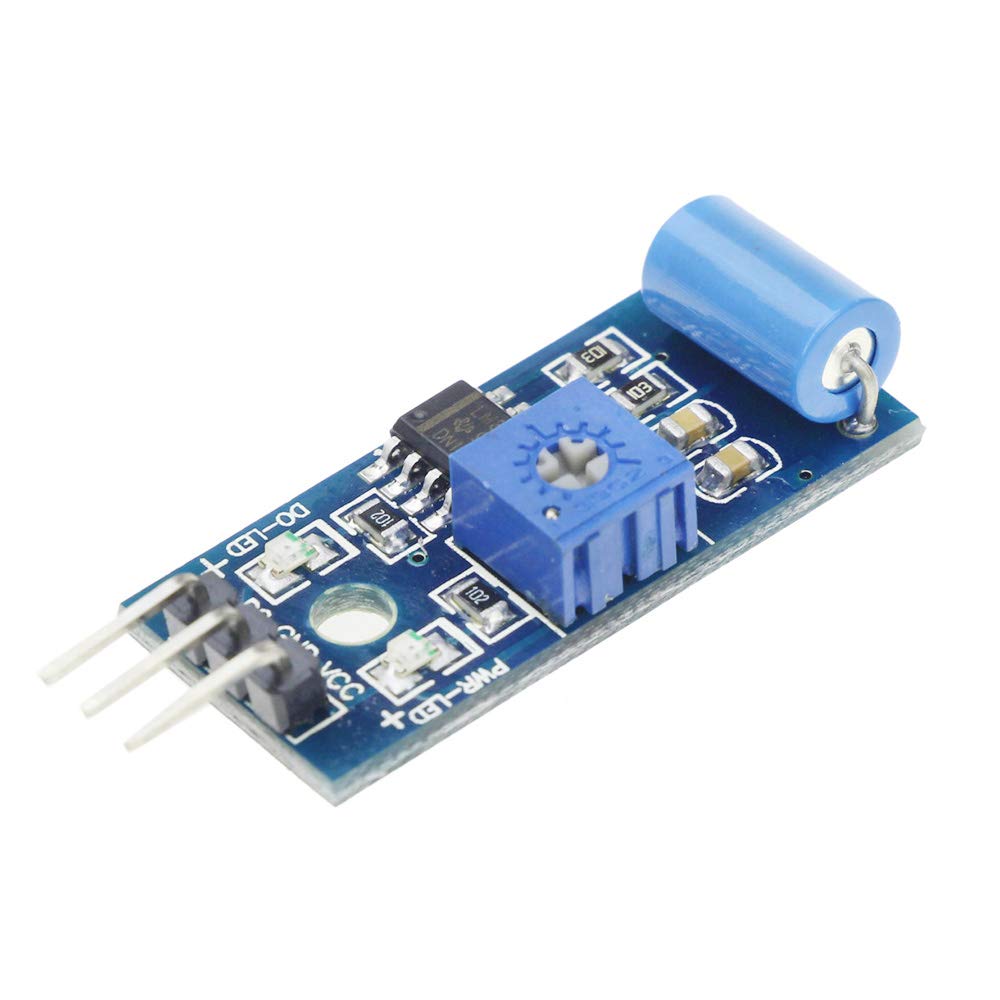
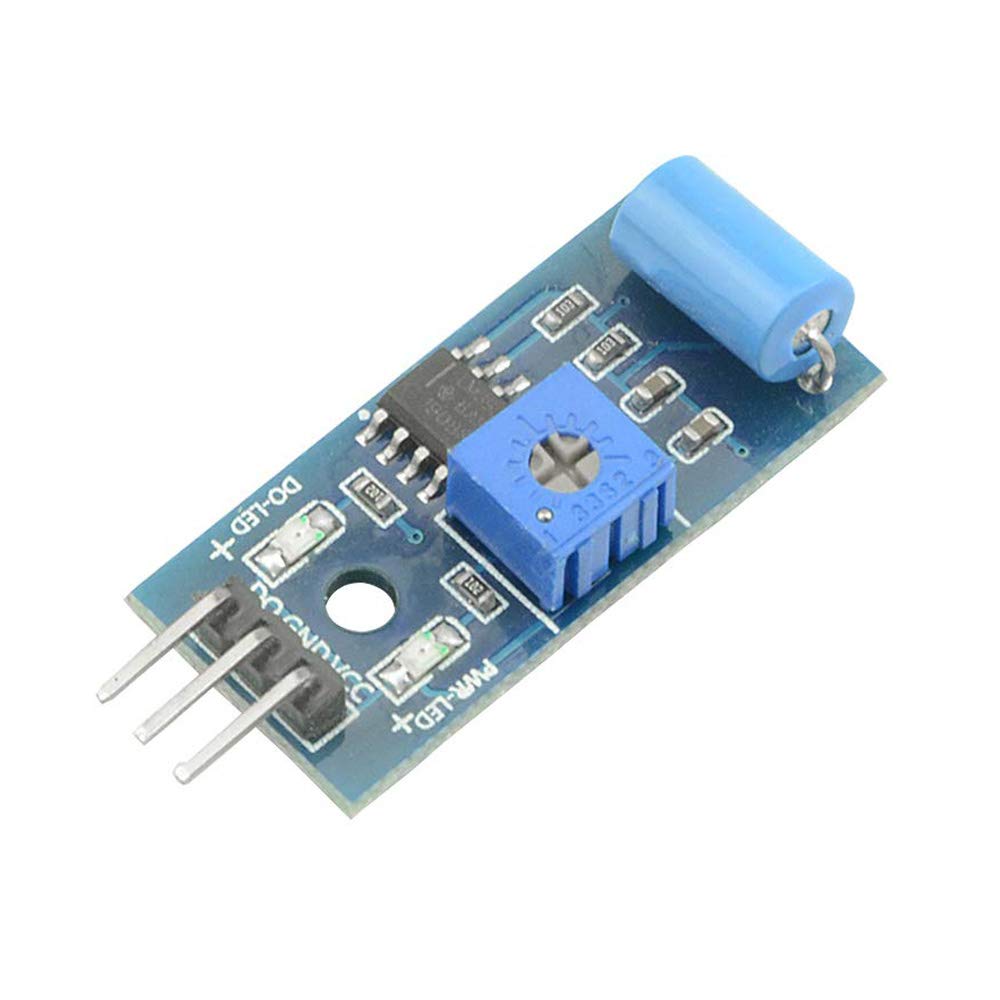
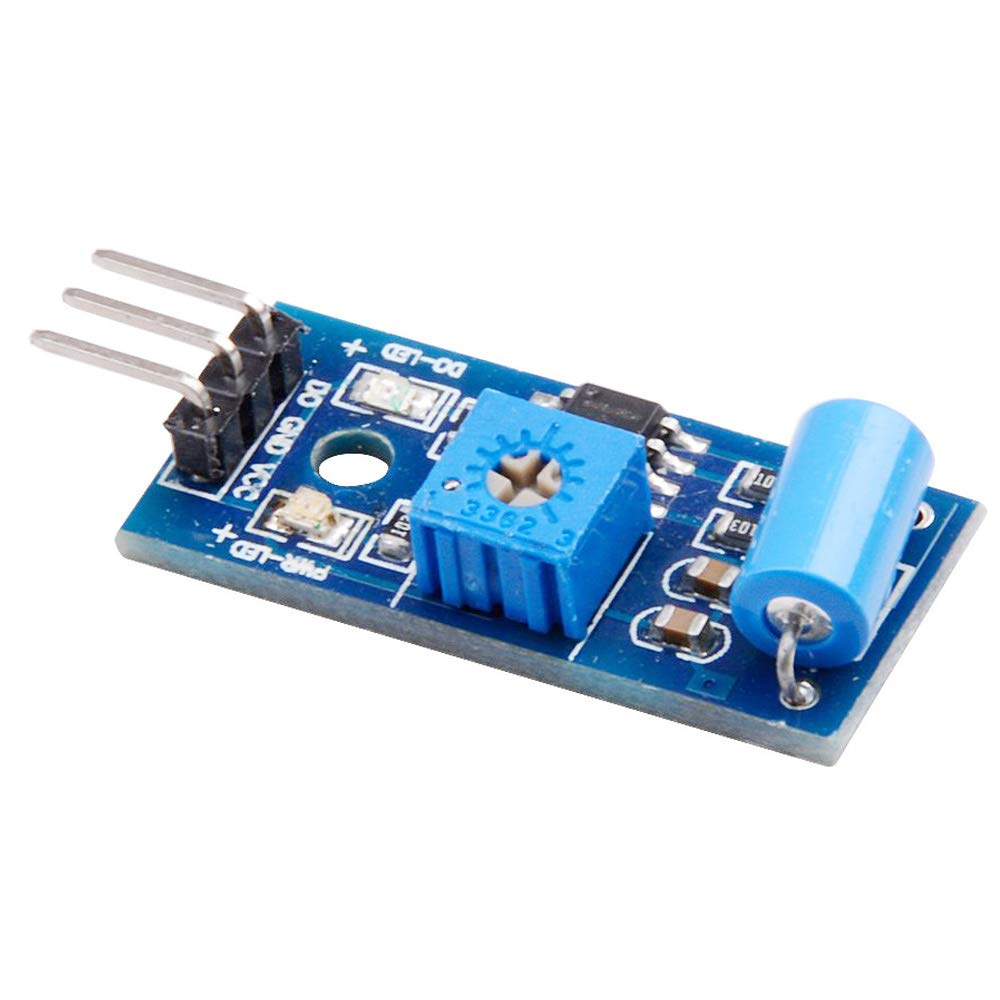
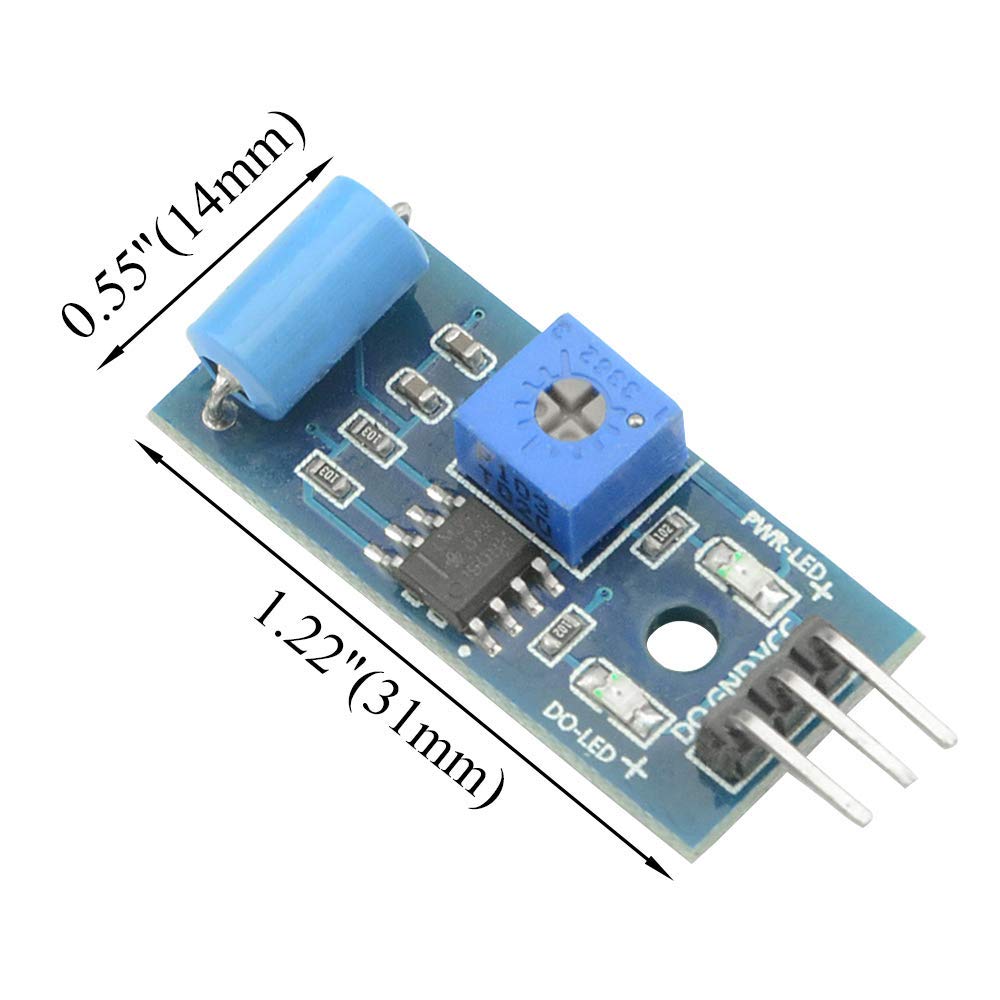
What it is and what it does\nThe Youmile 5PACK combines five SW-420 vibration sensor modules into a compact DIY kit designed for Arduino and similar microcontroller projects. Each module is a vibration trigger with a digital output that switches 0/1 and operates on 3.3V to 5V. The kit emphasises simple installation thanks to fixed bolt holes, making it straightforward to mount in enclosures or panels. On paper, this kind of module is aimed at detecting movement or vibration to drive a relay or trigger an alert, with potential uses ranging from basic vibration sensing to small theft alarms or environmental monitoring.\n\n## How it works in basic terms\nWhen vibration is detected, the SW-420 output toggles, typically used to wake a microcontroller, log an event, or activate a relay. The fixed bolt holes and straightforward digital output mean it integrates into a variety of setups where you want a low-cost, passive motion signal rather than continuous sensing. The working voltage range of 3.3–5V keeps it compatible with many common microcontroller boards.\n\n## What stands out on paper\nCompared to some alternative vibration sensors that require longer trigger times or more complex circuitry, this module is designed to provide a crisp, short impulse suitable for triggering events or alarms. The ability to drive a relay directly (as suggested in the base description) can simplify some designs by reducing extra interface circuitry. The inclusion of 5 units in the pack adds value for multi‑sensor projects or replacements, making it practical for classrooms, hobbyists, or workshop experiments.\n\n## Limitations and caveats\nIt’s important to note that performance can depend on mounting, enclosure, and the nature of the vibration source. The real-world sensitivity may vary with mounting rigidity and ambient noise. If you need long, continuous monitoring rather than discrete triggers, this module may not be ideal. Also, while a 3.3–5V range is broad, you’ll want to verify logic level compatibility with your specific microcontroller and any relay module you plan to use.\n\n## Who it’s for\nThis kit suits hobbyists and educators building simple vibration- or motion-triggered projects, such as basic alarms for small items, lightweight security experiments, or prototype robotics where a quick digital cue is enough. It’s particularly attractive if you appreciate a compact, affordable set of five modules for parallel experiments or multi‑zone sensing.\n\n## Who it isn’t for\nIf you require high‑precision vibration analysis, continuous vibration profiling, or extremely low‑noise sensing in a busy environment, this straightforward sensor may fall short. It’s not built as a professional, industrial‑grade solution, and the trigger behaviour can be influenced by mounting quality and external vibrations.\n\n## When it makes sense to buy\nIf your project involves triggering a microcontroller action or a relay from a simple vibration event, and you value a cost-effective, easy-to-integrate package, a Youmile 5PACK can be sensible. It’s also a practical choice if you’re teaching, prototyping, or organising a small fleet of sensors for a DIY alarm concept.\n\n## What to check before purchase\nEnsure your controller runs at compatible logic levels and that you have suitable wiring options for the digital output. Confirm that you can mount the module securely in your chosen enclosure and that your power source can safely supply 3.3–5V. Consider whether you need five separate sensors in one package or a mix of different mounting points for a single project.\n\n## Practical usage example\nImagine a compact, DIY alarm for a bike or toolbox: a rigid mounting bracket keeps the sensor steady, a microcontroller reads the 0/1 output, and a small relay or buzzer is activated on movement. It won’t replace a dedicated security system, but it’s a neat, hands-on way to learn about event‑driven electronics.\n\n## How this compares to other approaches\nIf you’d rather have continuous monitoring or richer vibration data, you’d likely lean toward more advanced accelerometers or dedicated alarm ICs. For simple on/off triggering and modular testing, this SW-420 based kit offers a straightforward path with the benefit of a five‑pack for experimentation or scale.\n\n## FAQ (brief)\n- Q: Will it work with a 3.3V microcontroller? A: Yes, the working range includes 3.3V.\n- Q: Can it drive a relay directly? A: The base description suggests it can drive a relay module, depending on the relay’s coil requirements.\n- Q: How sensitive is the trigger? A: Sensitivity is influenced by mounting and environmental vibration, expect variation across placements.\n\n## Final decision: Is it worth it?\nWorth considering if you need several simple, discrete vibration triggers for learning, prototyping, or small-scale DIY alarms. It’s a pragmatic match for entry‑level projects that prioritise ease of use and modular testing over advanced sensing. If you require high precision or continuous monitoring, you may want to look at more feature-rich options.