

wohohoho 2m x 20m weed control membrane for gardens
Reviews
Price
Product description
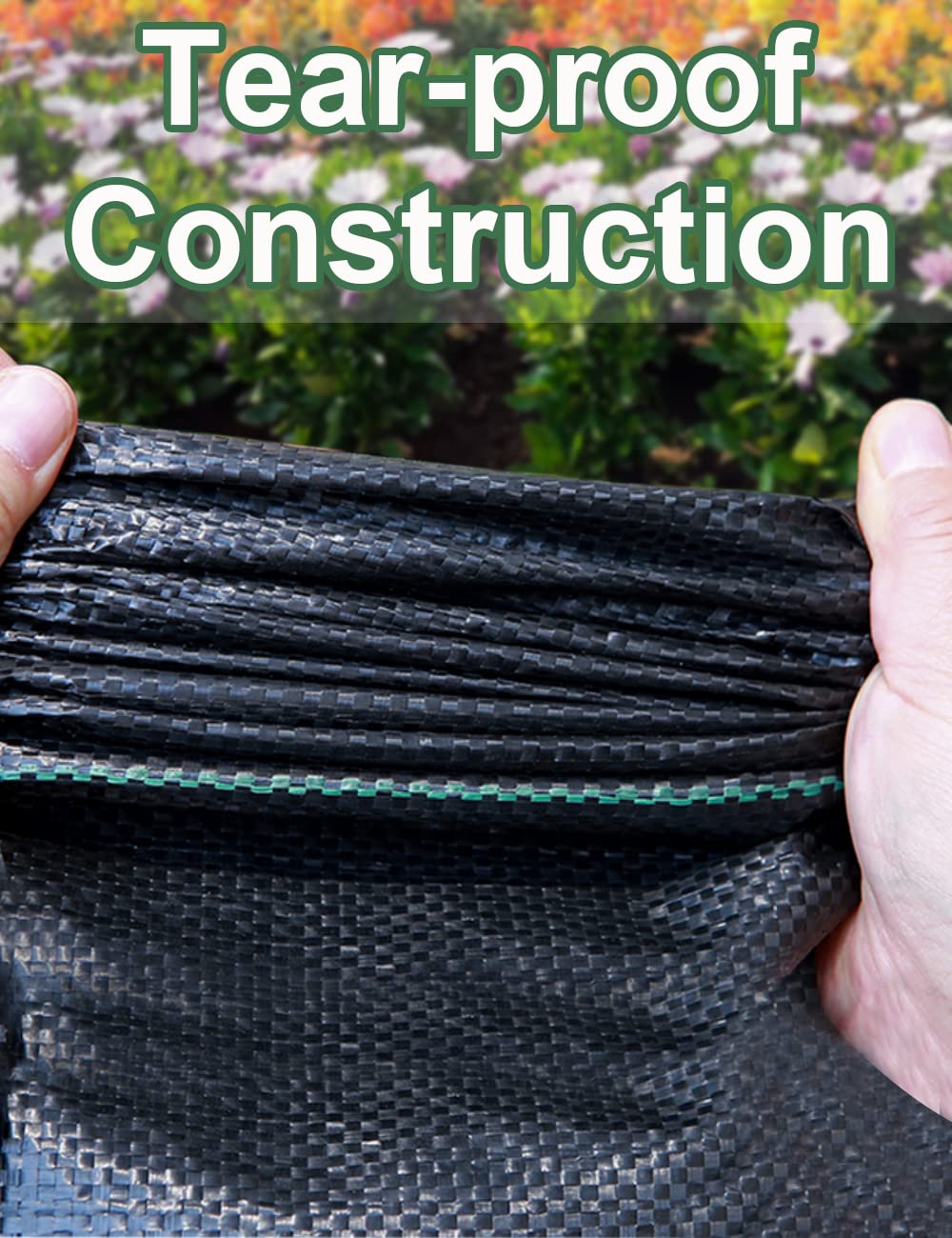
This heavy-duty garden fabric helps keep beds, patios and walkways clear of unwanted growth while allowing water and nutrients to pass through. Designed as a woven polyethylene barrier, this 2m x 20m weed control membrane offers a practical way to suppress weeds on patios and around ponds while reducing time spent weeding.
Key Points
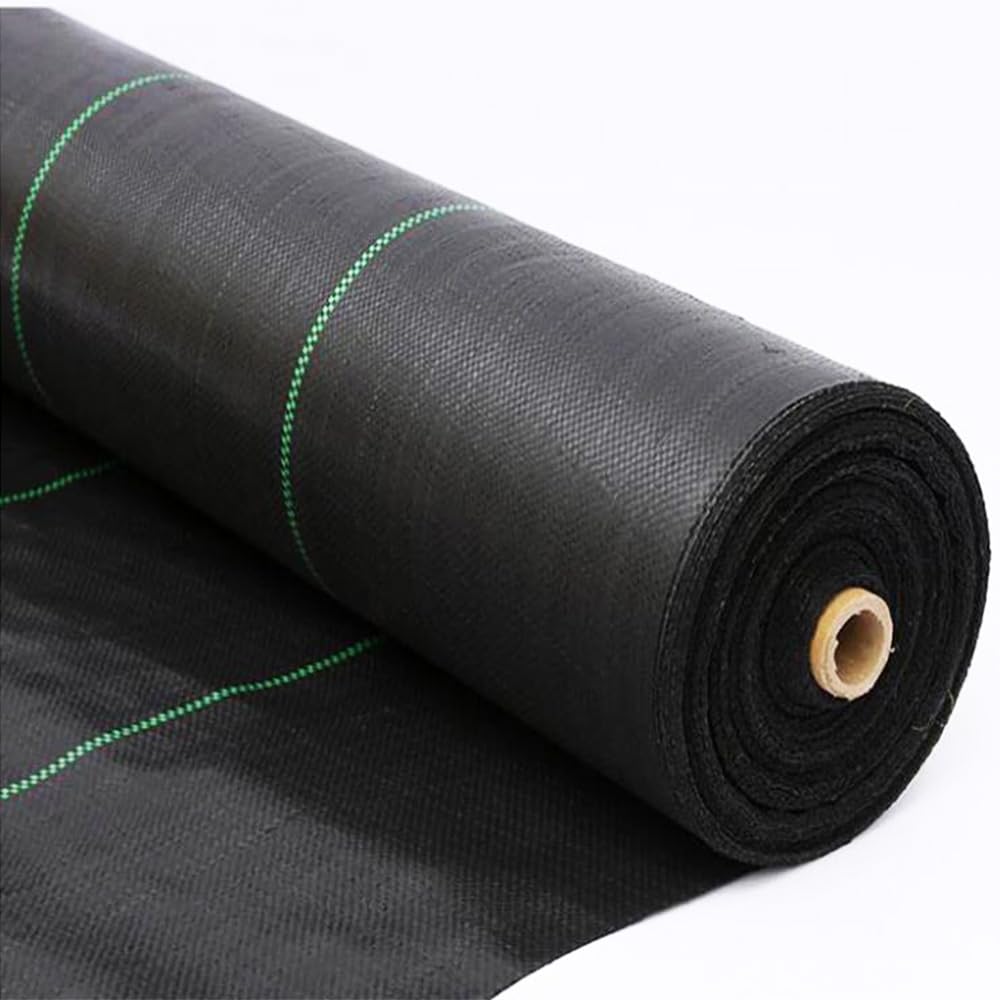
The membrane blocks sunlight to stop most weeds from germinating, and it does so without chemicals. It is made from a thick woven polyethylene that becomes more compact with sun exposure, which the manufacturer says enhances weed suppression. For gardeners who prefer a physical method of control, this fabric can be laid directly over existing growth and pegged at the edges; according to the manufacturer, hardy weeds will wither within a fortnight. 🌱
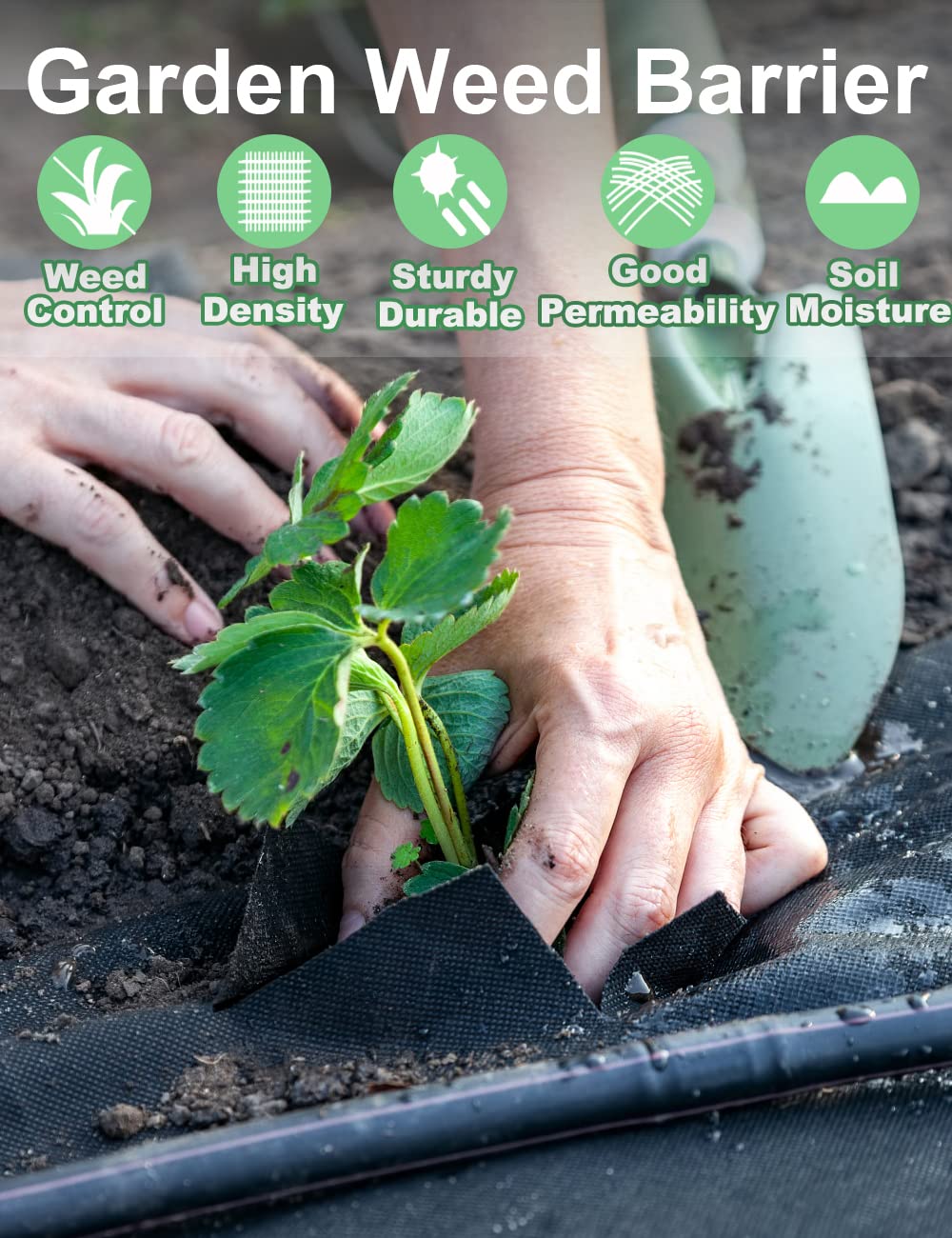
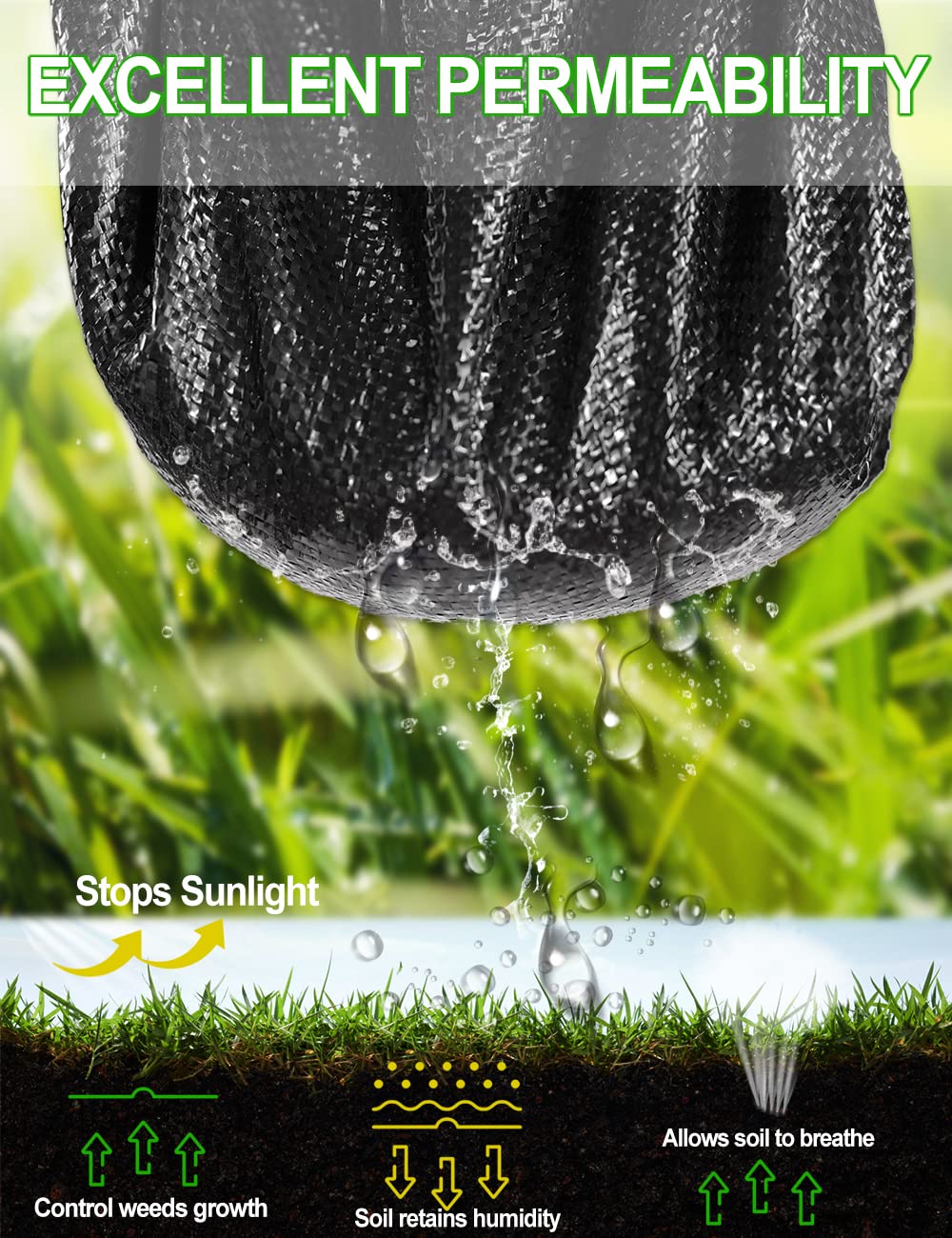
Permeability is a key benefit here because the material lets air, water and nutrients reach the soil, supporting plant health below ground. The fabric is also described as UV resistant, so it is intended to withstand prolonged sun exposure without rapid degradation. For practical use, smooth out the soil before laying and ensure close contact between membrane and ground for best results.
Benefits
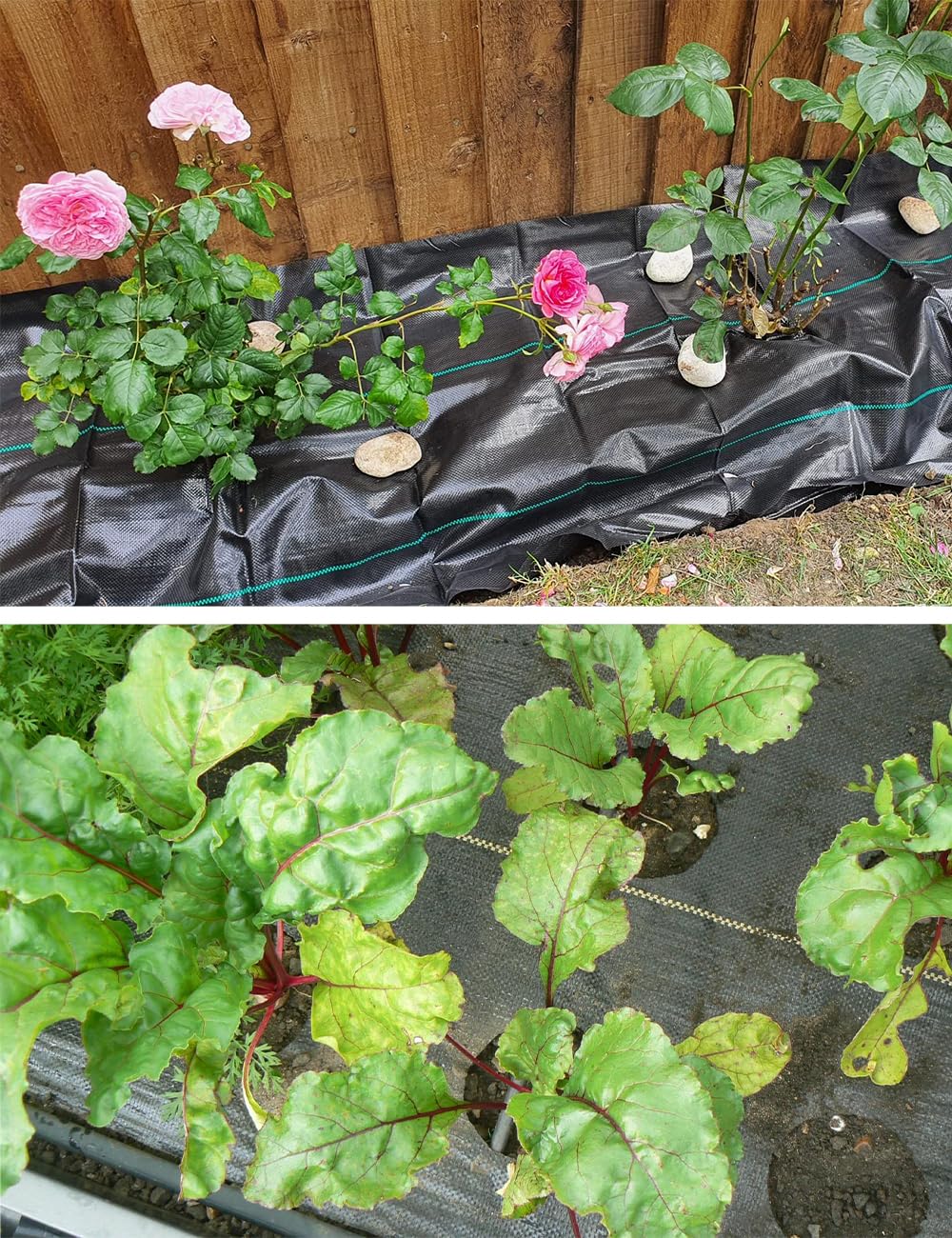
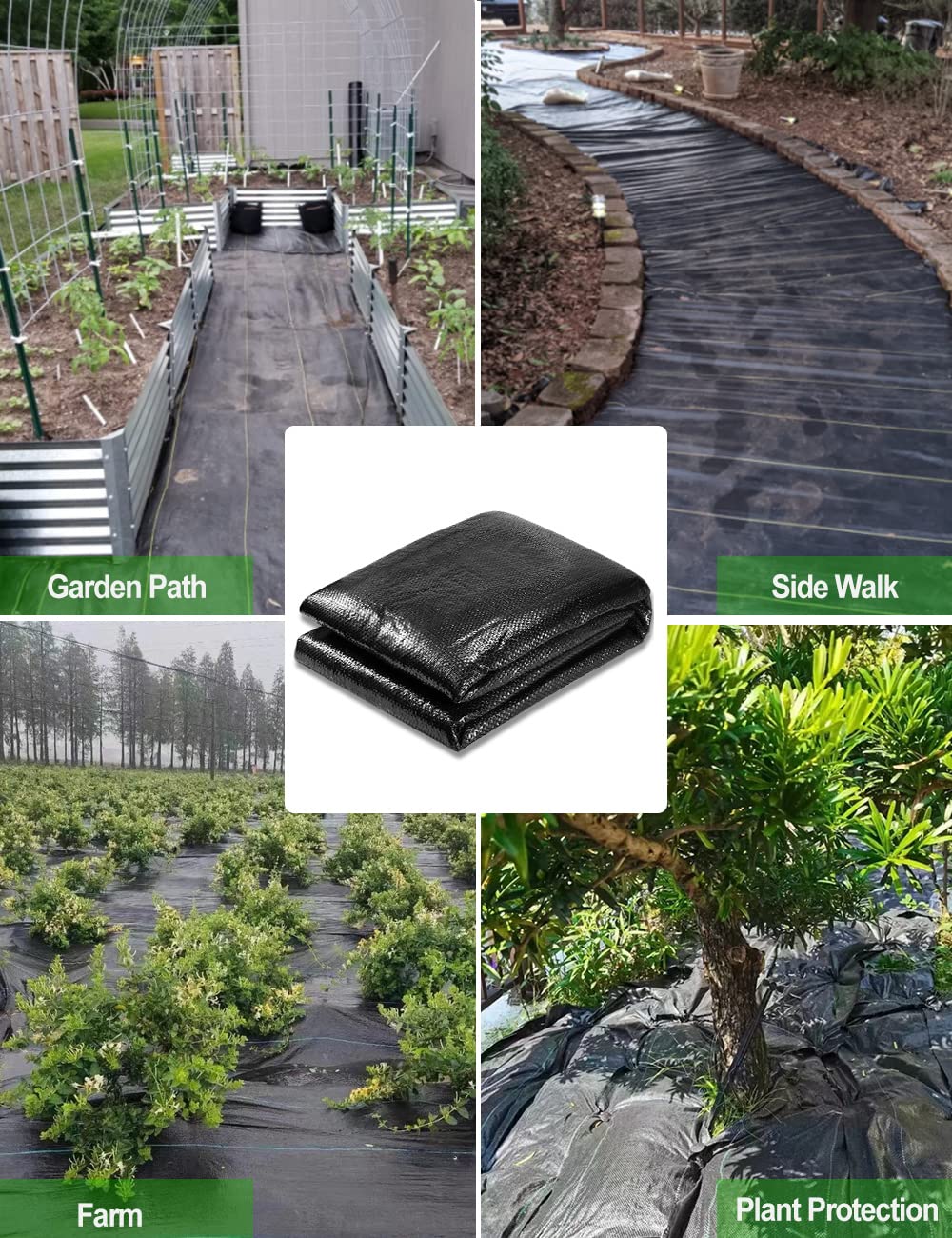
This weed control membrane reduces maintenance by limiting light to weed seeds and shoots, which helps maintain tidier flower beds and paths with less manual removal. It suits a range of landscaping tasks including under raised beds, gravel paths, patios and artificial turf. The fabric is lightweight to handle but durable enough for repeated outdoor seasons. Consider that very vigorous perennial weeds may still require additional management over time, particularly where roots are well established. 🌿
Technical Specifications
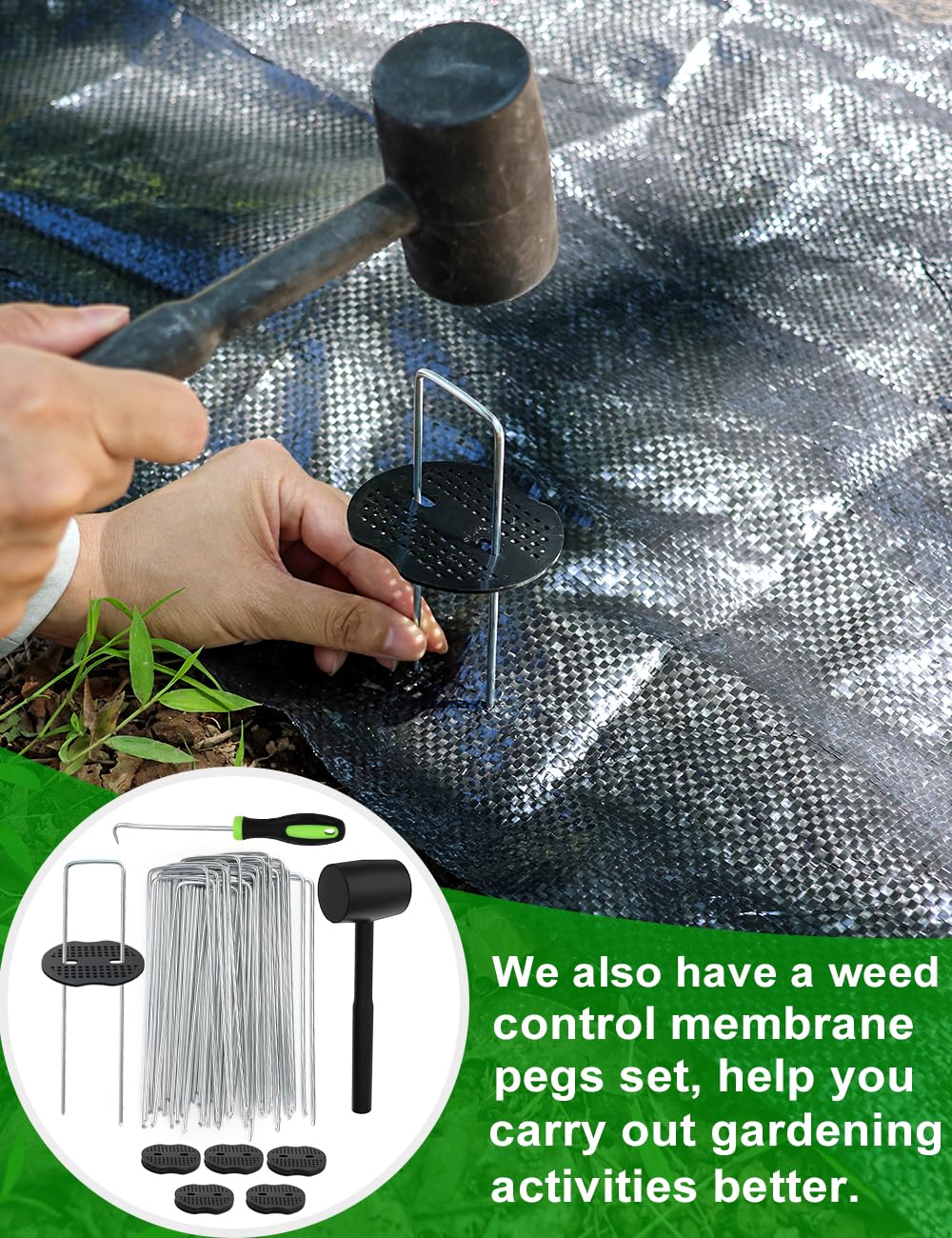
- Name: wohohoho 6.6ft x 66ft Weed Control Membrane
- Size: 2m x 20m (approximately 6.6ft x 66ft)
- Material: woven polyethylene
- Weight: 3.2 oz (manufacturer specification)
- Features: UV resistant, permeable to air and water
Usage Recommendations
Lay the membrane on smoothed soil and press it into place so it contacts the ground closely. Secure the edges with landscape pegs or similar anchors and cut holes only where planting is needed. Avoid placing heavy objects across the fabric during initial settling to prevent gaps forming between membrane and soil. In areas of existing dense weed growth it may help to remove large plants first or cover the membrane with a light mulch to improve aesthetics and reduce surface erosion.