

When I’m Gone Planner UK end of life organiser – Final wishes, funeral plans, and family information book
Product description
What it is and why people buy it
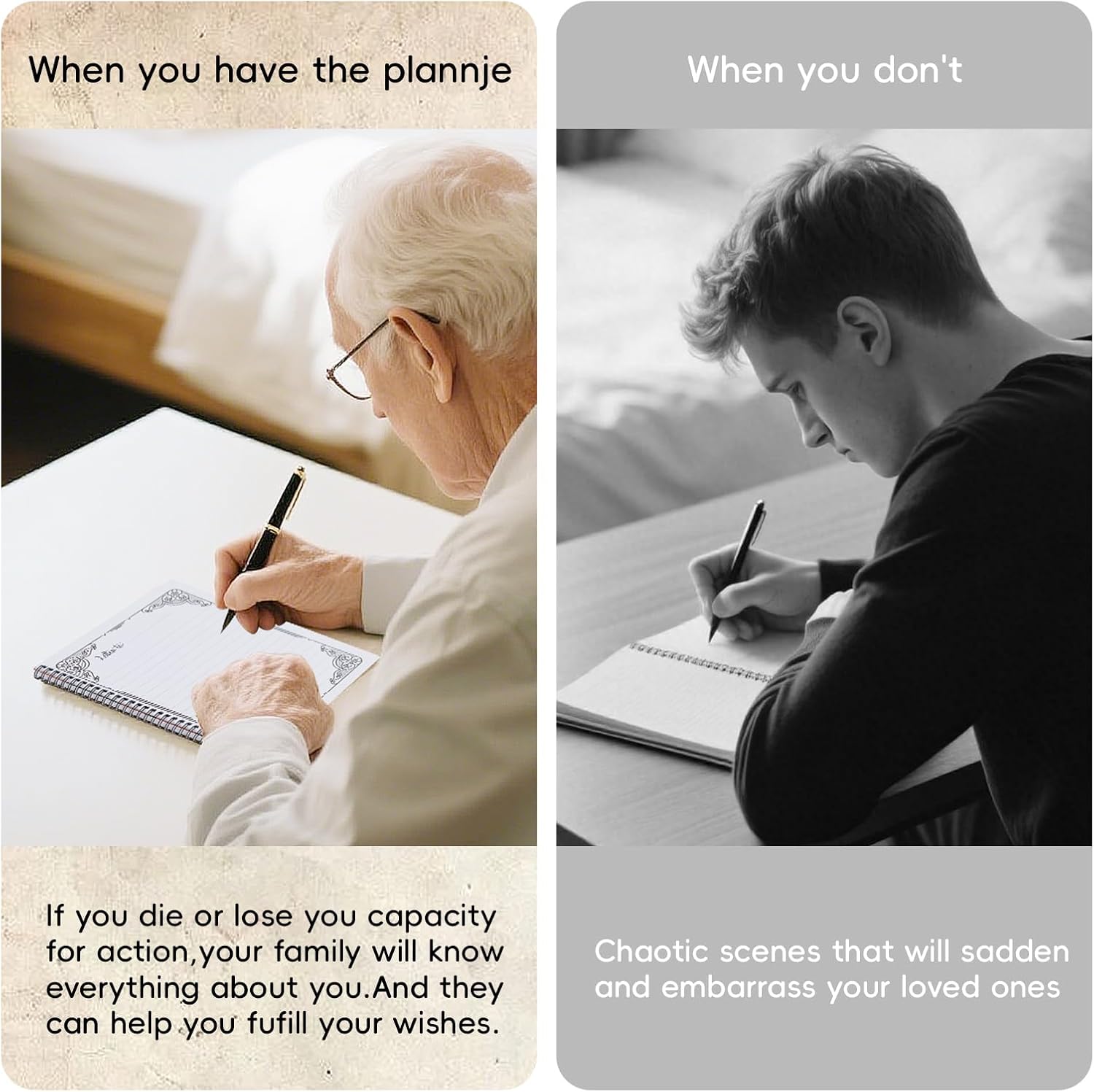
The When I’m Gone Planner UK is a guided end of life organiser designed to help you set out your final wishes and important family information in one place. It’s aimed at the very practical problem many families face: when something happens, details that felt obvious at the time are suddenly hard to find. This planner tries to reduce that stress by giving you prompts and space to write things down.
On paper, it’s not trying to replace legal advice or a will. Instead, it’s more like a calm, structured “account of my wishes” that your family can refer to during an upsetting period. That distinction matters: a planner can make things clearer, but it can’t handle everything paperwork-wise.
Key features and what you can actually fill in
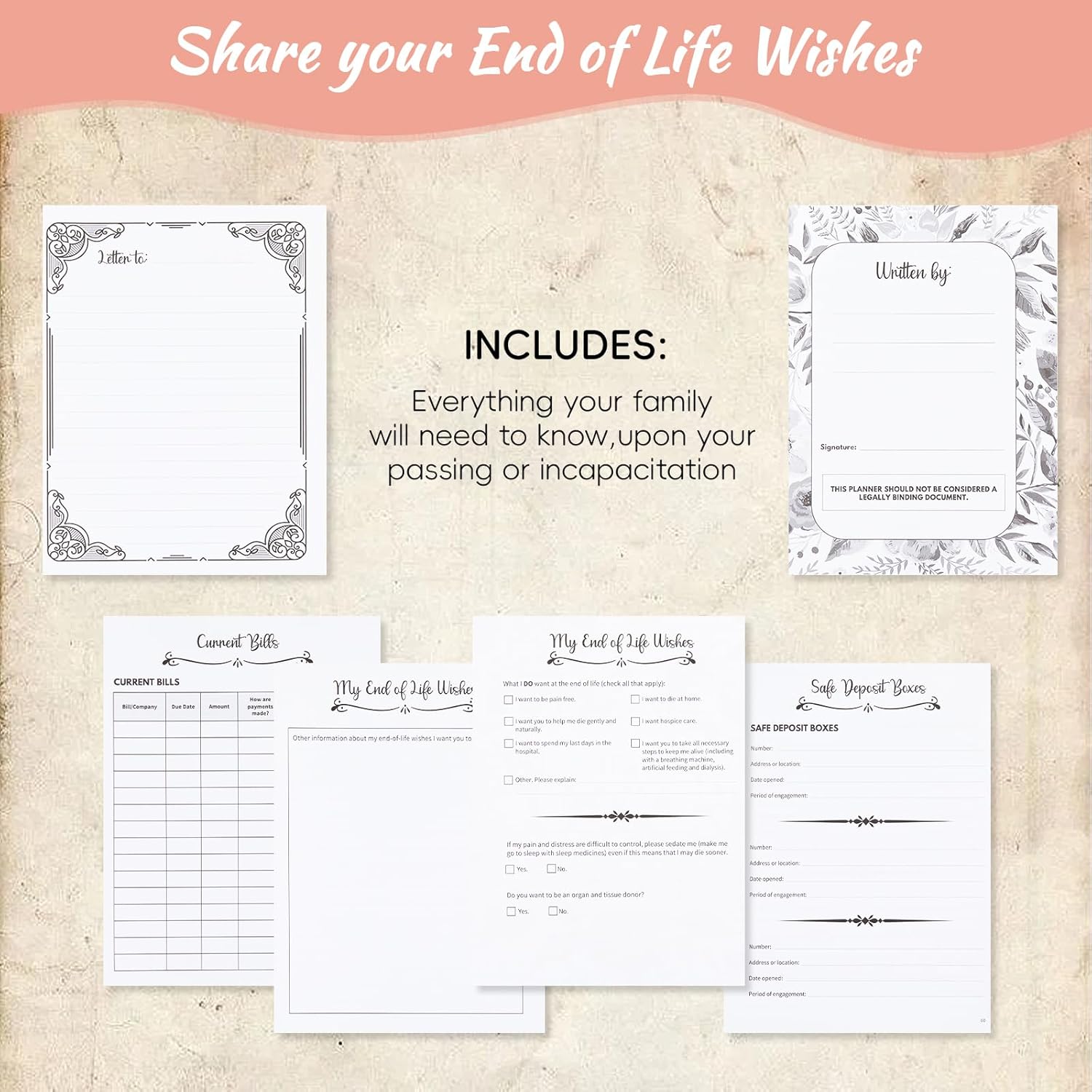
A big part of the appeal is the guided format. Rather than a blank notebook where you’re left figuring out where to start, it offers prompts and ample writing space to document personal details, financial account information, and heartfelt letters. The tone is gentle and supportive, which can be helpful if you’re not sure you want to think about end-of-life planning head-on.
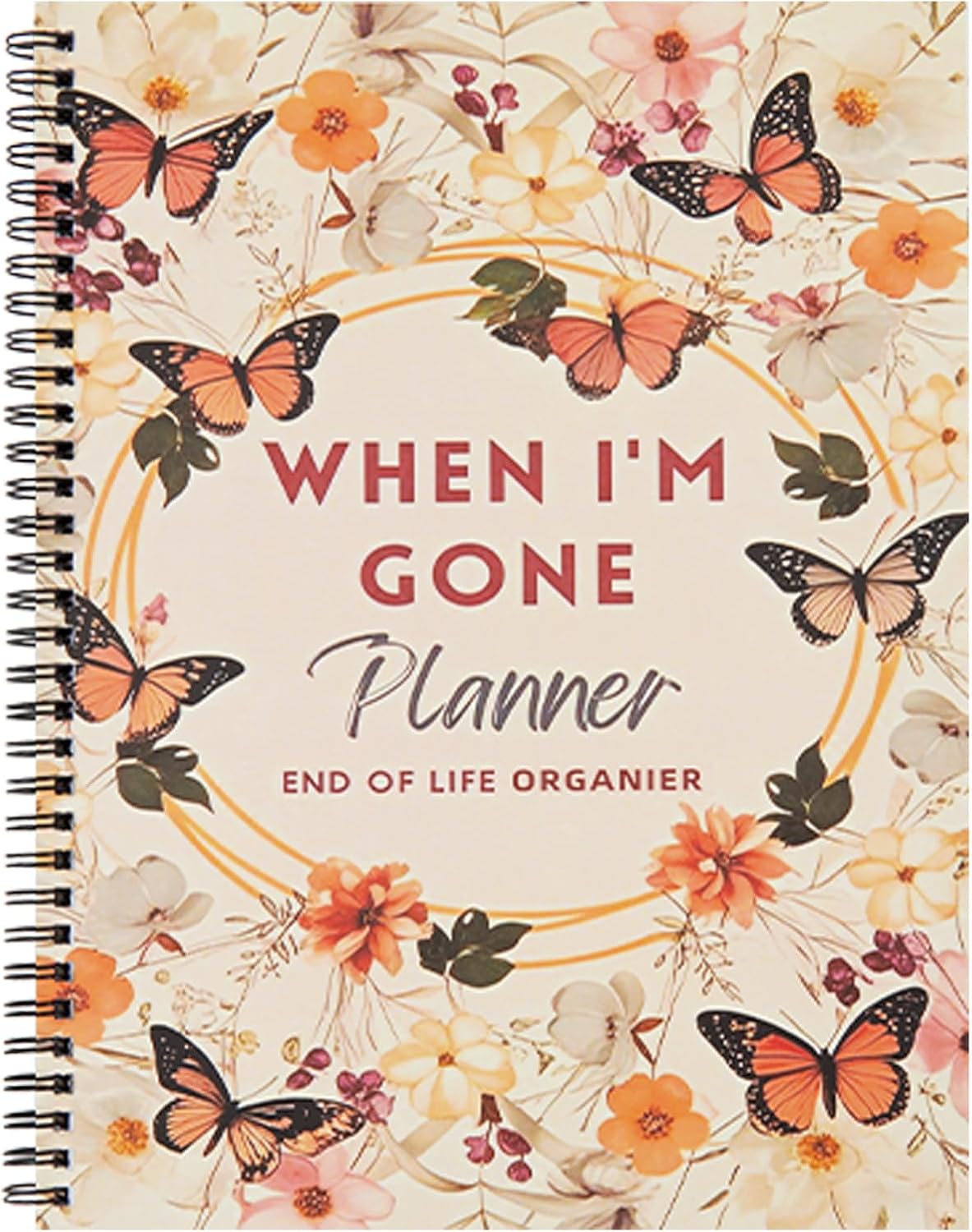
The organiser also includes sections for topics people often overlook until it’s too late—medical information, pet care, regrets, and gratitude. There’s also space for instructions for key contacts and important documents, plus digital account information. If you prefer clarity over sentiment (or you want both), the planner’s structure lets you choose how detailed you get.
Where it shines for UK households
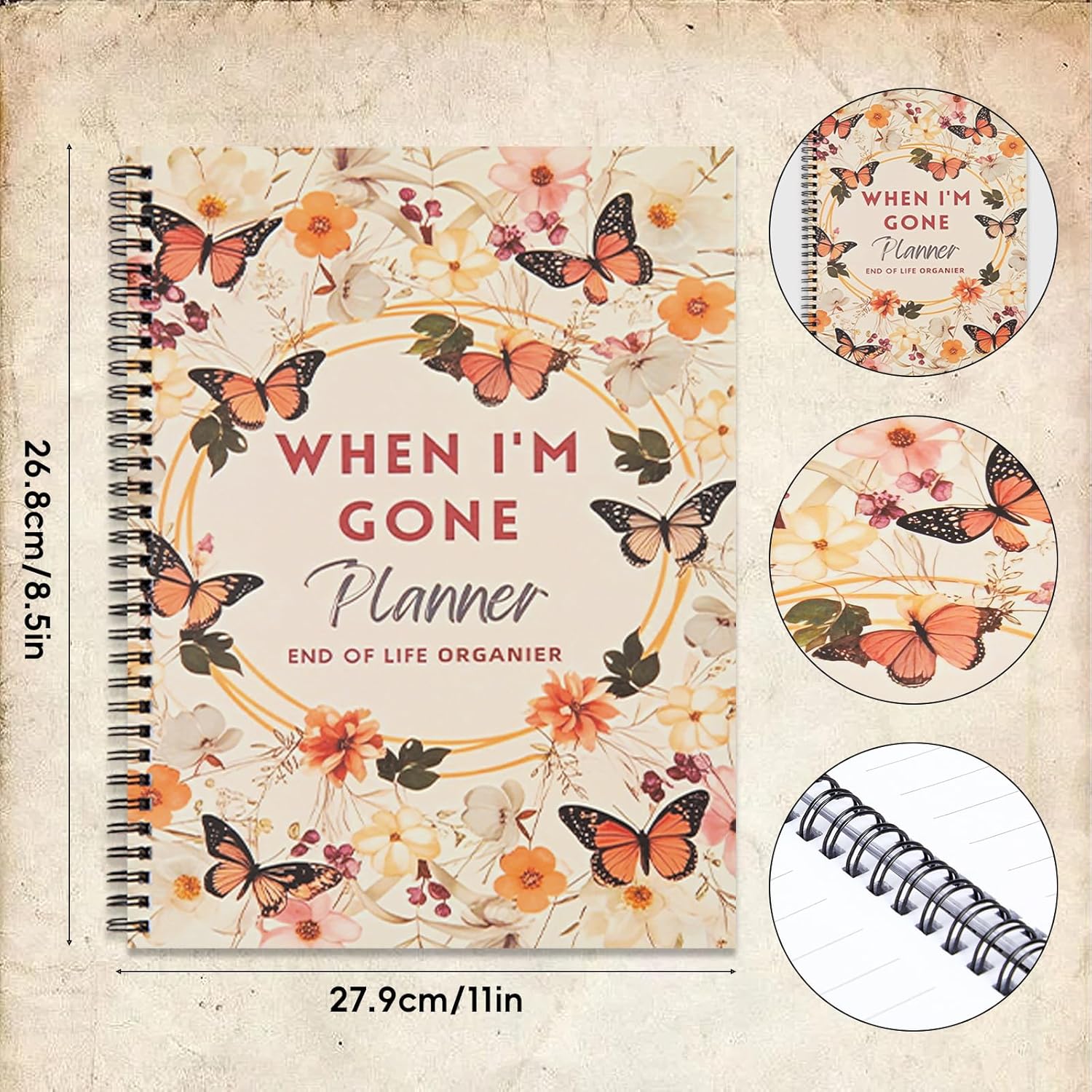
It’s specifically designed for UK residents, and the build is described as a high-quality matte finish with an elegant 6x9-inch design. That size is typical of an “at home reference” style book—compact enough to keep accessible without turning into a giant folder.
The wording suggests it aligns with UK legal and cultural norms, but it’s still wise to treat this as a supportive organiser rather than a substitute for formal arrangements. If you already have documents prepared (for example, funeral plans or legal paperwork), this kind of planner can act as the readable companion that explains where things are and what you’d like to happen.
What you’ll notice day to day
In use, this works best when you treat it as a living document. You’re not just writing once and forgetting—people’s circumstances change, accounts change, and contact numbers go out of date. A planner like this gives you a clear place to update information, so your family isn’t left guessing later.
A small example: you might write a short note with key contact details, add where to find important documents, and include instructions about pet care (feeding schedule, vet contact, and who can take over). That kind of “simple, specific guidance” can be a real help at a difficult time.
It’s also the sort of book where it’s easier to start because the prompts do some of the thinking for you. If you find the idea of planning overwhelming, that guided approach is likely the main reason it feels more manageable than creating your own system from scratch.
Limitations to keep in mind before you buy
It may not suit you if you’re looking for something strictly legal or fully compliant on its own. The product description positions it as an organiser for information and wishes, not as legal documentation.
Also, because end-of-life details can be sensitive, you’ll want to think about where you store it. Even the best organiser is only useful if it’s findable by the right people, and private enough for the rest of the time. So, it’s worth planning your storage and access—don’t just leave it in a random drawer.
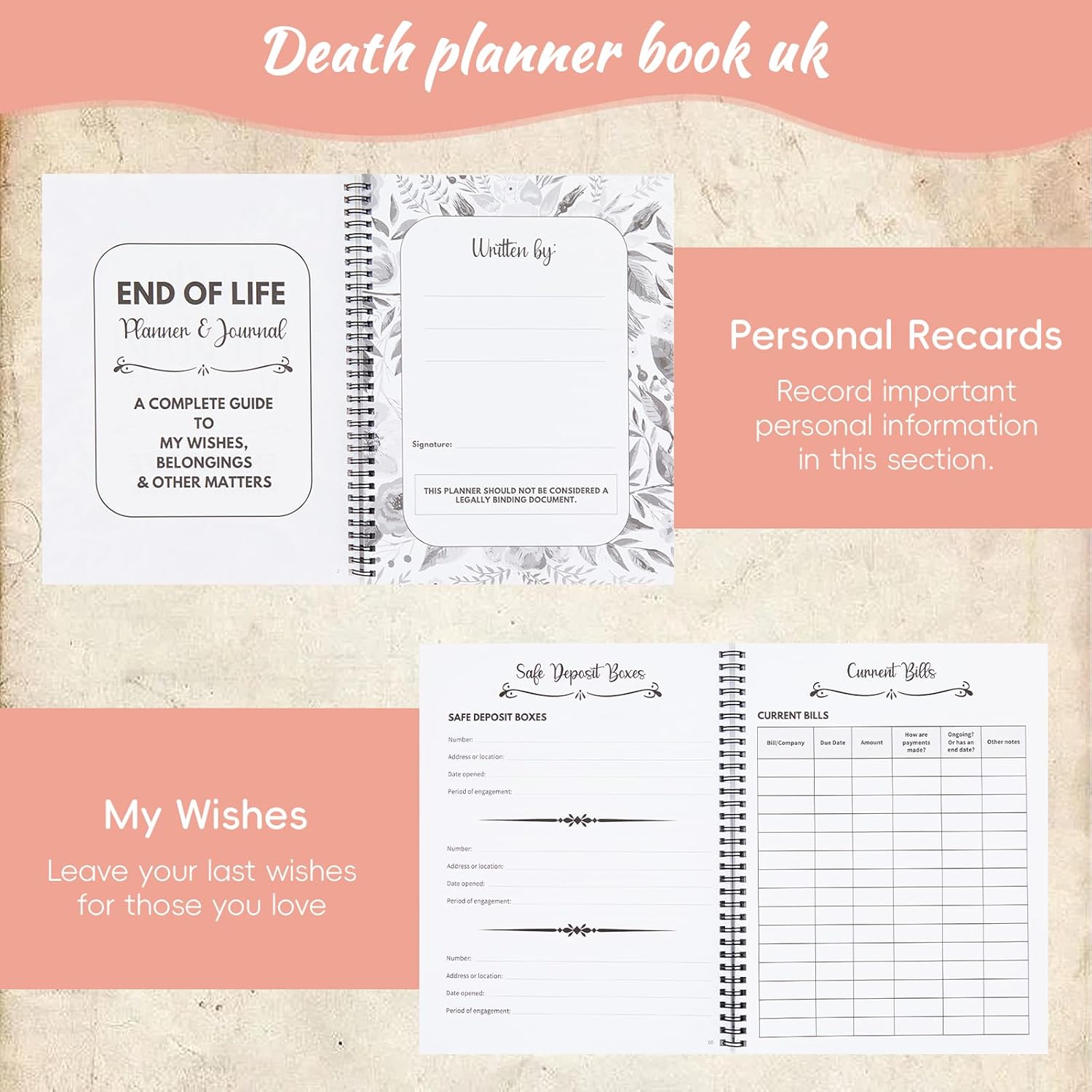
Finally, it can feel like “more work” than expected. The prompts are helpful, but writing down medical info, account details, and message letters takes time. If you’re short on time or you know you won’t keep it updated, it may end up as something that’s partially complete.
Who it’s for (and who should skip it)
It makes sense if you want a gentle, structured way to document final wishes, funeral plans, and family information so your loved ones have clearer guidance. It also suits people who prefer writing and reflection—there are sections for gratitude and regrets, plus letters—rather than only lists.
It might not be the best match if you already have everything sorted elsewhere and only want a legal format, or if you’re not comfortable including financial account information in a personal book. If you’re likely to keep this outdated, or you don’t want to think about end-of-life planning at all, you may be better off focusing on formal arrangements and then adding only the essentials.
Mini FAQ about using an end of life organiser
Getting the most from it
How do I make it useful for my family? Give it clear entries where it’s likely to be needed: who to contact, where documents are kept, and any basic instructions for medical and pet care. Even short notes can help.
Does it replace a will or funeral legal paperwork?

No—this organiser is about organising final wishes and information. For anything that needs legal weight, it’s best to rely on appropriate formal arrangements.
What sort of details should I include?
The book is described as covering personal details, financial accounts, digital accounts, medical info, pet care, and messages. Use what feels relevant to your situation.
Is it only for older people?
Not necessarily. People often start earlier if they want time to think, gather documents, and update details gradually.
Final verdict
Is it worth it?
If you’re looking for a guided, UK-focused end of life organiser that helps you set out final wishes, funeral plans, and family information in one readable place, this one is easy to justify. The guided prompts, ample writing space, and dedicated sections for medical info, pet care, and personal messages are the parts most likely to make it genuinely usable rather than just symbolic.
You may want to skip it if you’re after purely legal documentation or you don’t plan to keep information up to date. It’s also worth thinking carefully about storage, because the value of an organiser like this depends on being both accessible to the right people and secure.
What to know before buying
The best way to judge fit is to ask yourself whether you want a gentle, structured writing experience (with prompts and space) and whether you’re comfortable documenting the kinds of details mentioned—financial and digital accounts alongside medical and personal information.